
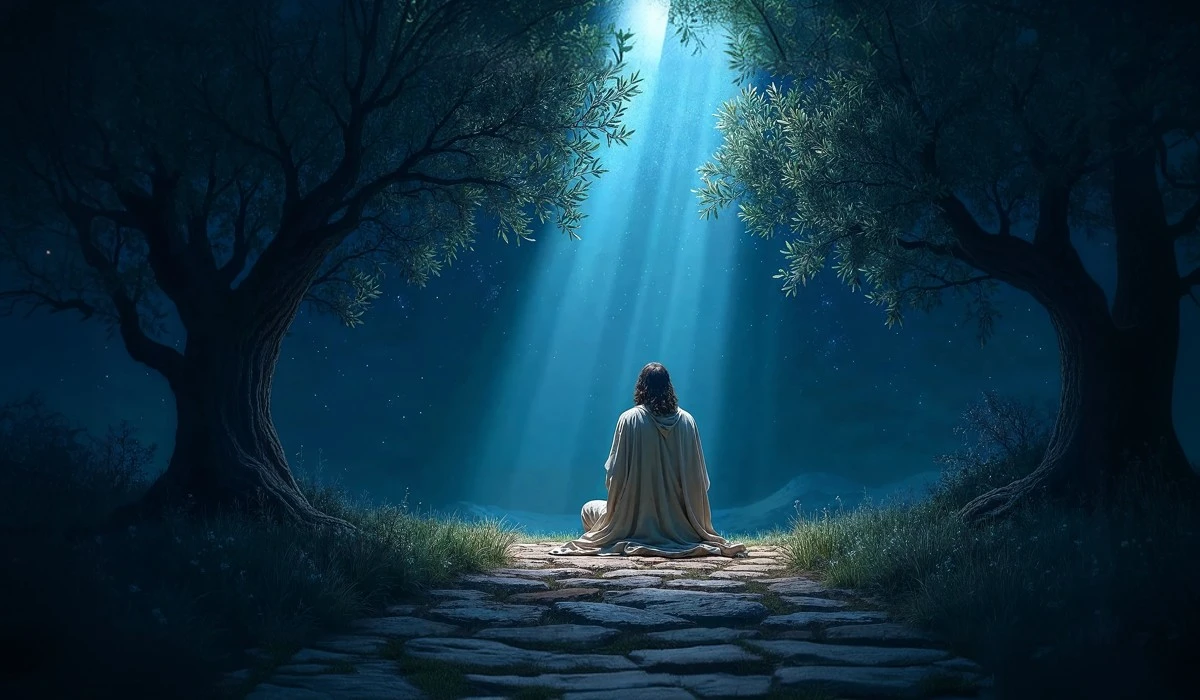
Want Deeper Nature Worship Through Druidism?
We pack expensive gear, drive hours away from city noise, and hike deep into the woods hoping to leave our exhaustion behind. Yet, we usually drag our digital fatigue into the forest, treating the wilderness like a scenic treadmill. Simply being outside rarely cures a burnt-out mind. True connection to the earth demands active intention. This reality makes ancient traditions highly relevant today. The living philosophy of druidism offers a concrete way to completely change how you interact with the outdoors. Applying the rich, time-tested practices of celtic spirituality gives modern seekers a practical framework for spiritual grounding. Adopting these specific earth-based principles elevates basic outdoor appreciation into deep nature worship, giving you a clear roadmap to a highly fulfilling, ecologically harmonious daily life.
The Roots of Druidism in Ancient Traditions
The earliest written records of Celtic scholars emerge from Greek philosophers like Aristotle in the fourth century BCE. By the 50s BCE, Julius Caesar detailed how these figures formed the highest-ranking class in Gaulish society, acting as vital priests, judges, and teachers. They relied entirely on rigorous oral traditions to pass down deep ecological knowledge and societal laws. According to Encyclopedia Britannica's overview of the Druids, first-century Roman forces under Tiberius actively suppressed these powerful leaders in Gaul, and the later arrival of Christianity stripped them of their priestly roles in Ireland.
A related Britannica report on Celtic religion also notes that these ancient groups practiced human sacrifice in Gaul until emperors like Tiberius and Claudius strictly forbade the act. When discussing these historical roots, newcomers often wonder about the main belief of druidism. According to The Druid Network, followers consider the natural world unconditionally sacred and actively cultivate a deep connection to the earth through reverence, ritual, and meditation. This core mindset turns simple history into a practical guide for revering the living earth today.
How Myth Shapes Modern Beliefs
Surviving legends provide the necessary scaffolding for modern spiritual seekers. Contemporary frameworks heavily rely on eighteenth-century revivalists like Iolo Morganwg, who effectively synthesized surviving Welsh mythologies, such as the famous Mabinogion, with deeply rooted earth-based philosophies. Later on, massive organizational shifts occurred during the twentieth century to codify these scattered myths into structured systems. Ross Nichols founded the Order of Bards, Ovates, and Druids in 1964, while Isaac Bonewits established Ár nDraíocht Féin in 1983 to inject serious scholarly rigor into polytheistic studies. These groups successfully translate ancient stories into highly actionable lessons for current practitioners. You read about legendary heroes and mystical cauldrons to understand the timeless human connection to the soil. Consequently, applying these organized myths gives everyday people a clear path to integrate ancient reverence directly into their modern, fast-paced lives.
Core Principles of Celtic Spirituality
Divine inspiration forms the beating heart of celtic spirituality through a force called the Awen. Deriving from an old Indo-European root meaning "to blow," Awen translates to flowing spirit or flowing inspiration. Welsh mythology famously links this creative life force to the magical cauldron brewed by the goddess Ceridwen. According to the British Druid Order, modern practitioners visualize this energy using the popular Awen symbol based on an original design by the eighteenth-century revivalist Iolo Morganwg, featuring three distinct rays of light topped with three circles or dots. These distinct rays represent the solstices, the equinoxes, and the core harmony of opposites. Tapping into this abundant creative current connects your individual mind directly to the broader, pulsing rhythms of the universe. Actively inviting Awen into your daily routine channels artistic and spiritual energy directly from the earth, transforming mundane thoughts into deep, earth-centered clarity and steady personal growth.
Animism and the Living Earth
An animistic worldview serves as the core lens for celtic spirituality, requiring you to view all natural phenomena as distinct, conscious entities. Ancient populations firmly believed that every river, rock, and storm possessed a unique spirit. For example, the deity Taranis literally embodied the thunder itself. Similarly, ancient Irish tribes revered specific massive trees, known as bíles like the legendary Oak of Mugna, as the physical anchors and sacred meeting points for their entire communities. Recognizing the active spirit in the surrounding wildlife permanently changes a simple weekend hike into a deliberate act of deep reverence. You learn to speak directly with the environment. This conscious interaction builds a highly reciprocal relationship, ensuring you protect the land that spiritually sustains you.
Why Nature Worship is Central to Druidism
Establishing physical spaces for reverence helps anchor your spiritual focus. Historically, ancient practitioners worshipped in dedicated outdoor sanctuaries called nemeta. Archaeological excavations in northern France reveal that these Iron Age nemeta featured specific offering pits and carefully arranged standing stones to clearly separate sacred ground from mundane spaces. Today, you can easily identify a quiet local grove or arrange a simple backyard altar to recreate this intentional boundary.
As practitioners spend more time in these natural spaces, a common question arises: do Druids worship trees? According to a publication by the Order of Bards, Ovates, and Druids, a deep love for trees serves as a core belief in druidism, motivating modern followers to plant new saplings and establish sacred groves. Practitioners revere these plants as living beings and vital spiritual teachers that hold deep earthly wisdom. Interacting closely with these dedicated natural spaces builds a highly tangible, daily bond with the land right outside your door.
The Wheel of the Year
Aligning your daily life with the changing seasonal cycles brings immediate structure to your nature worship. Practitioners closely follow the Wheel of the Year, a calendar consisting of eight distinct festivals. This system combines four astronomical solar points with four agricultural fire festivals originally celebrated by Insular Celtic peoples. According to Encyclopedia Britannica's research on Celtic religion, key dates include Samhain on November 1st, marking the Celtic New Year and the time for preparing livestock for winter. The encyclopedia also details that Imbolc follows on February 1st to honor the goddess Brigid during the early lambing season, Beltane brings purifying spring fires on May 1st, and Lughnasadh celebrates the very first important grain harvests on August 1st. Actively celebrating these specific agricultural and solar shifts permanently anchors your spiritual routines in the biological reality of the earth. This steady rhythm guarantees you remain fully present throughout the passing year.
Practical Steps to Embrace Druidism Today
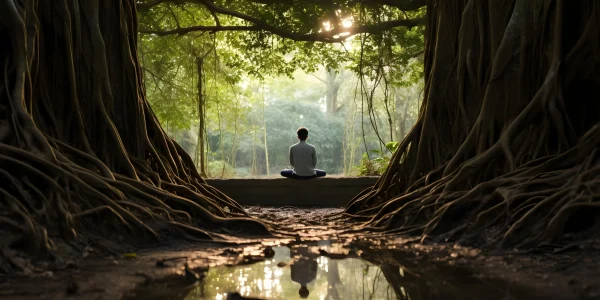
Beginner-friendly daily practices quickly build the foundation for a deeply sustainable spiritual life. Modern groups highly recommend grounding exercises like the famous Tree Meditation to start your morning. During this visualization, you firmly plant your feet and imagine thick roots extending deep into the soil to pull up heavy, telluric earth energy. Simultaneously, you stretch your arms upward like branches to draw down vibrant celestial starlight. Many practitioners enhance this grounding through physical touch to their solar plexus, heart, and brow. This specific motion perfectly aligns with the ancient Irish concept of the Three Cauldrons, which focuses on learning physical embodiment, emotional love, and mental wisdom. Performing these straightforward centering rituals genuinely helps you anchor your erratic daily energy directly into the earth, ensuring you face stressful modern challenges with calm, rooted strength and total mental clarity.
Building Your Personal Practice
Customizing your spiritual path ensures you can seamlessly weave these ancient practices into an incredibly busy modern schedule. Successful practitioners focus heavily on micro-seasonal observation, scientifically known as phenology, to stay present with nature. You might track the exact week the local hawthorn finally blooms or closely monitor the specific migration patterns of native birds passing through your neighborhood. Paying close attention to these tiny ecological shifts creates a highly personalized framework for your daily nature worship. Your genuine intention and daily consistency hold the highest importance. Spending ten focused minutes observing a neighborhood squirrel or tending a simple windowsill herb garden carries massive spiritual weight. Keeping your routines adaptable allows you to maintain a rich, earth-centered lifestyle regardless of demanding work commitments or chaotic family obligations.
Connecting with Local Flora and Fauna
Engaging directly with ancient Celtic tree lore completely changes how you view the local forest canopy. Practitioners frequently study the Ogham, a historical script primarily utilized between the fourth and tenth centuries AD for writing Primitive and Old Irish. Stonemasons originally carved these straight lines vertically from bottom to top along the rough edges of massive standing stones. The system consists of twenty basic characters called feda, translated directly as "trees," which are cleverly organized into four distinct tribal families. Medieval scholars heavily romanticized this script by assigning specific tree names to every letter, such as Beith for Birch and Dair for Oak. Today, modern seekers use the Ogham as a practical spiritual tool for insightful divination, helping them decode layered natural energies and deepen their core understanding of native trees growing in their own region.
Animal Guides and Omens
Observing and correctly interpreting wildlife behavior provides direct access to powerful spiritual lessons. According to a guide by the Order of Bards, Ovates, and Druids, followers of celtic spirituality view every animal, fish, and bird as unconditionally sacred, treating them as divine messengers. Historical deities share deep linguistic ties with the animal kingdom; for instance, the Gaulish goddess Artio derives her name directly from the ancient word for bear. Similarly, the Scottish creator figure known as the Cailleach remains closely linked to aggressively guarding wild deer herds. Even misunderstood creatures hold high reverence. Ancient people viewed snakes as positive symbols of eternal life and necessary rebirth due to their unique biological ability to shed their skin. Learning to respectfully observe local fauna teaches you to remain sharply mindful. You slowly condition your brain to stay completely open to the subtle, vital lessons the neighborhood wildlife constantly offers.
Rituals and Meditations in Celtic Spirituality
Establishing a clearly defined physical boundary immediately prepares your brain for serious outdoor meditation. Practitioners usually begin rituals when they actively create a sacred space to block out mundane distractions. You typically achieve this action when you physically trace a wide circle deosil, moving precisely in a clockwise or sunwise direction, using a simple wooden staff or your hand. Once you outline the perimeter, you systematically invoke the four directional quarters of East, South, West, and North to represent Air, Fire, Water, and Earth. Many modern rituals incorporate specific threshold guardians during these quarter calls, bringing in powerful animal archetypes like the soaring Hawk of Dawn in the East or the grounded Great Bear in the North. This straightforward, methodical boundary setting establishes a highly focused, perfectly balanced environment where your mind feels completely safe to explore deep meditative states.
Guided Journeying and Visualization
Internal spiritual exploration opens an entirely new dimension of your daily nature worship practice. To successfully navigate the mystical Celtic Otherworld, you must first achieve a highly relaxed, light trance state. Practitioners begin with rhythmic breathing techniques to deliberately lower their brainwaves and physically relax the body. Once fully relaxed, you use structured guided visualization to slowly traverse mythological "thin places" in your mind. You might vividly picture yourself crossing a dense, mist-covered boundary or confidently stepping into a cool, echoing cave. This rich mental scenery allows you to safely commune with local nature spirits and seek guidance from ancient ancestral figures. Learning this powerful form of inward travel ultimately proves that deep spiritual discovery happens without physical travel, letting you explore vast, mystical realms entirely from the quiet comfort of your backyard.
Building Community vs. Solitary Practice
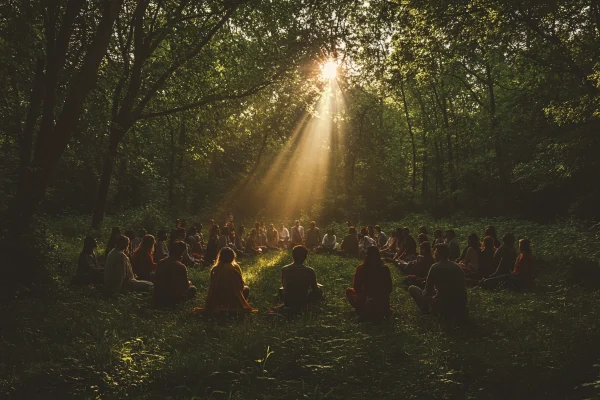
Participating in shared spiritual practices accelerates your learning and permanently cures the intense isolation many modern seekers feel. Connecting with a local or online Grove directly provides valuable mentorship and powerful, synchronized ritual experiences. Massive organizational infrastructures readily support newcomers seeking this sense of belonging within modern druidism. For instance, the Order of Bards, Ovates, and Druids boasts over seven thousand global members, guiding students through carefully graded correspondence courses. Meanwhile, Ár nDraíocht Féin operates as a fully registered polytheistic church, offering highly structured clergy training programs for dedicated members. Joining these established groups allows you to enthusiastically celebrate major seasonal festivals alongside dozens of like-minded individuals. Ultimately, leaning on a dedicated community ensures you consistently receive moral support, practical advice, and lifelong friendships while navigating the details of reviving ancient earth-based philosophies today.
The Solitary Hedge Druid Path
Thriving as an independent practitioner offers incredible freedom to completely customize your daily routines. Many introverts naturally gravitate toward the solitary Hedge Druid path. This specific title stems historically from the nineteenth-century "hedge priest," a roaming independent cleric, and the ancient Germanic word for a hedge-sitter. Solitary practitioners dedicate themselves heavily to "hedge-riding," which involves actively straddling the physical boundary between civilized modern society and the wild, untamed edges of the forest. When forging this individualized path, you might ask yourself, can anyone be a Druid today? Yes, absolutely anyone with a sincere reverence for nature and a desire to learn can practice this path, regardless of their ancestry or geographic location. This intense independence allows solitary students to cultivate a highly personalized, fiercely authentic relationship with the specific land they inhabit.
Your Path into Druidism Awaits
Stepping into the woods no longer means dragging your modern exhaustion through the trees. Integrating the proven principles of celtic spirituality permanently shifts your perspective on the entire global environment. You recognize the outdoors as a living, breathing teacher packed with deep wisdom. The active, living practice of druidism guarantees that your daily interactions with the earth steadily evolve and mature. Every single season offers fresh opportunities to dramatically deepen your nature worship and quiet your overstimulated mind. Your massive change requires no expensive tools or hard travel plans. Step outside your door today, press your palm firmly against a sturdy neighborhood tree, listen closely to the changing wind, and boldly take your very first step onto this highly rewarding path.
Recently Added
Categories
- Arts And Humanities
- Blog
- Business And Management
- Criminology
- Education
- Environment And Conservation
- Farming And Animal Care
- Geopolitics
- Lifestyle And Beauty
- Medicine And Science
- Mental Health
- Nutrition And Diet
- Religion And Spirituality
- Social Care And Health
- Sport And Fitness
- Technology
- Uncategorized
- Videos

