
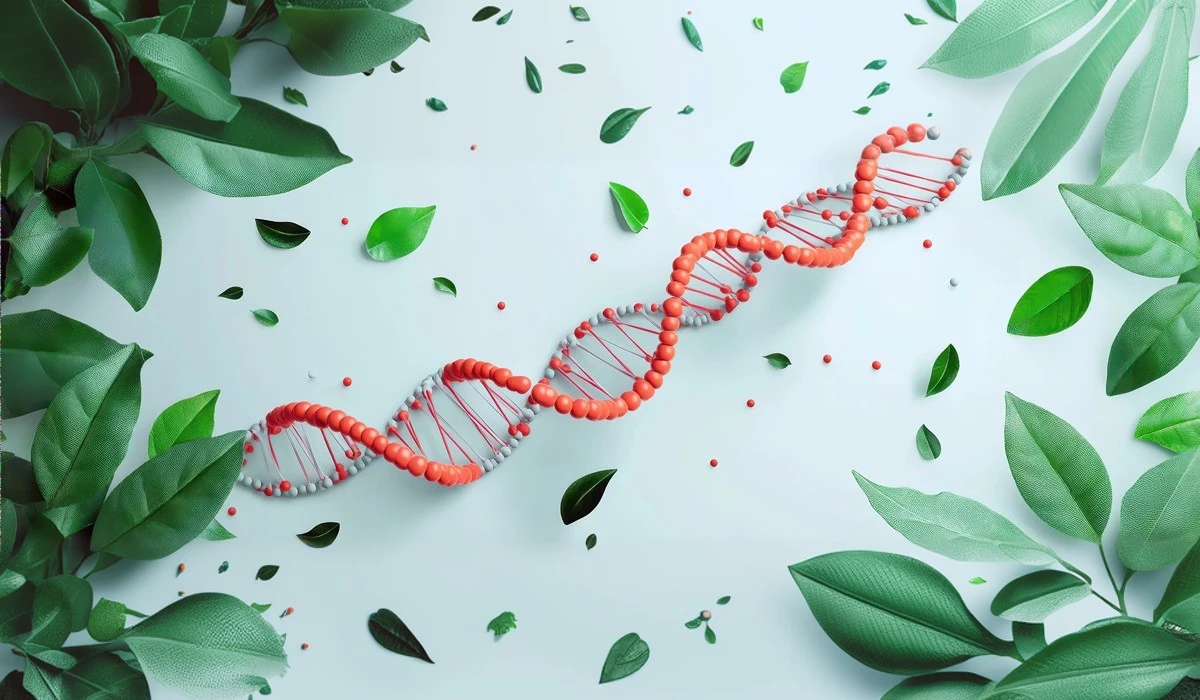
Understand Why Epigenetics Beats Nature Vs Nurture
Imagine identical twins separated at birth, sharing the exact same genetic code down to the last cellular instruction. One grows up exceptionally healthy and lives past ninety, while the other battles chronic heart disease by age fifty. People usually blame this stark difference on the age-old debate of nature vs nurture, assuming heredity deals the cards and the environment simply plays the hand. You might think DNA locks you into a specific destiny, guaranteeing poor health or early aging based on family history. The reality runs much deeper than mere lifestyle choices or predetermined genes. A primary control system sits directly on top of your DNA, listening to every meal you eat, every stressor you face, and every hour you sleep. This active layer translates your daily habits into biological instructions, proving biology is never destiny. Epigenetics holds the real power.
The Flawed Binary of Nature vs Nurture
Victorian polymath Sir Francis Galton popularized the exact phrase nature vs nurture in 1869. Galton used his own family tree of scientists and statesmen to write Hereditary Genius, claiming nature permanently triumphs over environmental factors. This deterministic view convinced society that heredity rigidly dictates our physical traits, intelligence, and lifespan. This strict biological determinism actually traces back to Hippocrates around 400 B.C.E., who argued four biological humors strictly controlled human behaviors. For centuries, classical genetics made us believe we were mere victims of our inherited DNA. Scientists mapped the human genome and expected to find the ultimate cause of all diseases locked within our genetic code. We assumed our physical traits acted as a concrete cage, leaving us completely powerless against the medical conditions our parents and grandparents faced. Genetic determinism ruled the medical world for a very long time.
Where the Environment Falls Short
Focusing solely on environmental conditioning fails to explain human development fully. Relying on nurture alone leaves out the actual molecular process explaining exactly how the environment alters us. A report published in PMC shows that describing a trait as fifty percent heritable does not validly establish a general rule that genes dictate exactly half of an individual's score and the environment dictates the rest. This reality completely breaks the strict historical binary. Simply changing your diet or moving to a cleaner city provides massive benefits, yet those external changes must physically interact with your cells to create lasting health improvements. Without a precise biological translator, the environment remains a chaotic mix of inputs. Scientists needed to find the missing link bridging outside experiences with internal genetic responses. Environmental factors require a specific chemical pathway to alter physical outcomes, forcing researchers to look beyond traditional genetic mapping to understand human adaptability.
What Is Epigenetics and How Does It Work
British embryologist Conrad Hal Waddington officially coined the term epigenetics in 1942. He derived the word from the Greek prefix epi, meaning over or outside of, to describe biological processes sitting entirely above the genome. You can easily understand this relationship by looking at modern technology. Think of your physical DNA sequence as the hardware of a computer, completely hardwired and unchanging from the moment of conception. The epigenome acts as the operating software, providing the exact instructions on when, where, and how to run the hardware's specific programs. A computer needs software to perform any actual tasks. Your body relies on this epigenetic software to transform a blank stem cell into a highly specialized working heart cell. This active operating system repeatedly updates itself based on the external data you feed it every single day.
Reading the Genetic Code
Your body constantly interprets genetic instructions to build proteins and manage cellular functions. Chemical tags attach to your DNA strand, telling the transcription process to either activate or ignore specific sequences. As readers grasp this concept, they naturally wonder, can epigenetics be reversed? Yes, unlike hardwired DNA sequence changes, you can successfully alter or remove highly malleable epigenetic markers through intentional changes in your daily environment and personal behavior. Genetic mutations permanently alter your basic nucleotide sequence, locking in specific traits or diseases. Epigenetic traits represent heritable changes in gene expression occurring without changing the actual DNA sequence at all. This incredible flexibility empowers you to take control of your individual health trajectory. You possess the ability to rewrite your cellular software, suppressing harmful genetic predispositions while promoting beneficial cellular activities through intentional lifestyle and dietary improvements.
How Epigenetics Gives You Control Over Heredity
Modern science completely dismantles the idea that your family medical history dictates your future. You hold the power to suppress specific genetic traits, turning off inherited risks like obesity or heart disease through daily actions. Classical heredity implies a life sentence of poor health if your parents carried severe metabolic conditions. Epigenetic modifications allow you to actively step outside those rigid limitations. Modifying your cellular environment blocks the expression of dangerous genes before they manifest into physical illnesses. You take the steering wheel of your biological development, leaving the passenger seat of genetic victimhood behind. Small, consistent shifts in your daily routine signal your cells to prioritize healing and resilience over disease progression. Your genes act as a vast library of possibilities, and you ultimately decide which books the librarian reads and which ones stay firmly shut.
Empowered Genetic Expression
In 2003, Duke University researchers Randy Jirtle and Robert Waterland published a seminal study using viable yellow agouti mice. Genetically, these inbred mice possess a transposable element that naturally makes them blonde, obese, and highly prone to diabetes and cancer. Jirtle and Waterland took action by feeding pregnant Agouti mothers a diet rich in specific nutritional methyl donors. This maternal diet successfully increased methylation at the exact genetic locus, effectively turning off the harmful gene in real time. The resulting offspring were born completely thin, brown, and healthy. These healthy babies shared the exact same genetic sequence as their obese, blonde counterparts. This stunning outcome proves epigenetics reigns supreme over static inheritance. A simple nutritional intervention physically overwrote a guaranteed destiny of disease, cementing the fact that we can actively regulate our genetic expression through targeted lifestyle and dietary choices.
The Biological Processes Behind Gene Expression
DNA methylation acts as the primary chemical process your body uses to suppress problematic genes. This modification involves a covalent chemical alteration where a tiny methyl group attaches directly to the five-carbon position of a cytosine ring. You can picture these methyl groups acting like heavy red stop signs placed strategically along a highway. This specific modification occurs almost exclusively at CpG dinucleotides, which are regions where a cytosine nucleotide sits right next to a guanine nucleotide. Hypermethylation at these specific promoter regions represses or permanently shuts down gene transcription. When your body places enough of these chemical stop signs near a disease-causing gene, the transcription enzymes simply bypass it. The harmful gene remains entirely unread, protecting your body from its negative effects. This precise chemical tagging grants you immense control over the expression of your inherited DNA sequence.
Histone Modification and Chromatin
Your cells must tightly pack two meters of DNA into a microscopic nucleus to function properly. To achieve this, your DNA wraps around four core histone proteins to form structures called nucleosomes. These proteins act like wooden spools holding tightly wound thread. How tightly or loosely the DNA winds around these spools dictates whether the cell can read and activate a specific gene. According to research published in PMC, the enzyme histone acetyltransferase transfers an acetyl group to the lysine residues of these histones. The study indicates this action closely associates with transcriptional activation and rapidly relaxes the tightly packed chromatin nucleosomes. Once relaxed, the transcription enzymes rush in, accessing and reading the exposed genes like an open book. This green light process ensures vital survival genes turn on precisely when needed, adapting your internal biology to face daily physical challenges and shifting environmental demands.
Lifestyle Factors That Rewrite Your Genetic Code
Every meal you eat serves as essential biological information directing your cellular functions. Specific nutrients act as the raw biological fuel powering the entire methylation cycle we discussed earlier. Foods rich in folic acid, vitamin B12, choline, and betaine directly supply the precious methyl groups required to suppress detrimental genes. Consuming dark leafy greens, pastured eggs, and high-quality proteins physically arms your cells with the chemical tools needed to optimize gene expression. Conversely, heavily processed diets deplete these critical resources, leaving dangerous genes exposed and fully active. Your dietary choices actively rewrite the narrative of your heredity with every single bite. Viewing nutrition as a literal programming language for your cells gives you a massive advantage over static genetic risks. You eat to build a strong defense system at the molecular level, ensuring long-term vitality.
The Effect of Stress and Sleep
Daily stress and poor sleep severely damage your biological recovery processes. People often want to know, what initiates epigenetic changes? Factors like nutrient-dense diets, adequate sleep, and chronic stress act as direct environmental signals that attach or remove chemical tags on your genes. According to a study published in PubMed, Dr. Michael Meaney of McGill University studied the neuroscience of touch in rats. The research suggests maternal neglect correlates with dense methyl marks on the glucocorticoid receptor gene promoter in the pups' hippocampus. The study also indicates high levels of pup licking and grooming directly activate serotonin systems that regulate and alter these genetic transcriptions. Chronic sleep deprivation and anxiety write similar chemical marks onto human genes. Managing these daily inputs through deep rest and stress reduction remains the absolute most effective way to optimize your biological output.
Intergenerational Legacy and Biological Memory
The choices made by your ancestors still echo through your cells today. A notable 2008 study analyzed individuals conceived during the World War II Dutch famine. Researchers found a persistent biological memory of starvation living within the survivors. Six decades later, individuals exposed to this severe famine during their first ten weeks of gestation exhibited persistent hypomethylation of the imprinted IGF2 gene compared to their unexposed siblings. This specific lack of methylation drastically increased their lifetime metabolic risks, including obesity and severe cardiovascular disease. Ancestral trauma and extreme environmental hardship leave permanent chemical marks on a family line, shifting the focus far beyond standard DNA sequencing. The physical trials your grandparents endured directly shaped the epigenetic software you operate on right now. We inherit the physical adaptations of their suffering, ensuring our bodies prepare for similar harsh conditions.
Breaking the Cycle for Future Generations
Taking decisive action today actively cleans the biological slate for tomorrow. A common concern here is, can epigenetic changes be inherited? According to research published in PMC, recent evidence indicates certain epigenetic marks survive the fertilization process for inheritance. The same source clarifies scientists do not yet know the exact extent to which mammals maintain or erase these marks between generations, meaning your current lifestyle choices heavily influence your future children's biology.
The famous Överkalix transgenerational study proved this strong connection. Researchers noted that if a paternal grandfather experienced a drastic food surplus right before puberty, his grandchildren faced a staggering four-fold increase in diabetes-related mortality. Pre-pubertal environmental exposures drastically altered the grandfathers' sperm. This stunning reality places immense responsibility in your hands. Eating well and managing stress today actively breaks harmful ancestral cycles. You possess the incredible power to pass down optimized, resilient gene expression, securing a vastly healthier biological foundation for your future children and grandchildren.
Practical Steps to Apply Epigenetics Today
Modern medical technology finally allows you to measure your internal aging process accurately. In 2013, UCLA geneticist Steve Horvath completely changed the field of personalized medicine when he developed the first multi-tissue epigenetic clock. This advanced algorithm measures three hundred fifty-three specific CpG methylation sites across fifty-one healthy tissues. Calculating these specific tags allows the Horvath clock to precisely reveal your true cellular aging speed. This means a fifty-year-old person might possess the prime biological age of a healthy thirty-year-old based purely on their cellular vitality. Doctors use these advanced epigenetic clocks to provide immediate, measurable data regarding your daily physical choices. Tracking your biological age empowers you to adjust your daily habits in real time, granting you complete visibility over your long-term health trajectory, ensuring you stay youthful and exceptionally healthy.
Small Habits for Massive Biological Effect
Implementing small daily habits produces massive improvements in your cellular health. In 2021, Dr. Kara Fitzgerald published a clinical trial using an eight-week targeted diet and lifestyle intervention. Measured by the Horvath clock, the male participants successfully reversed their biological age by an average of three years compared to the control group. Research published in PMC details a follow-up case series of six women aged forty-six to sixty-five, where participants averaged a 4.60-year biological age reduction. You achieve these incredible results through simple, consistent actions. According to a review in PMC, engaging in daily exercise interventions significantly alters the DNA methylation of specific genes and global DNA methylation patterns. Utilize sauna sessions to activate powerful heat shock proteins that protect your cellular integrity. Practice daily mindfulness to rapidly reduce destructive stress hormones. These small, evidence-based habits directly optimize your gene expression, proving that daily consistency always defeats inherited genetic disadvantages.
The End of Biological Determinism
You are completely free from the rigid constraints of your family tree. The outdated battle of nature vs nurture assumes you remain a helpless passenger on your biological path. Understanding and applying the science of epigenetics makes you the active creator of your own physical reality. Heredity only provides the starting materials, while your daily habits build the final structure. Every meal you consume, every stressful thought you manage, and every hour you sleep directly instructs your DNA on how to perform. You possess the remarkable ability to suppress destructive genes and elevate the ones promoting vibrant health. Start making one pattern-breaking lifestyle shift today. Choose a nutrient-dense meal, prioritize a full night of restorative sleep, or take a brisk walk outside. Your genes eagerly wait for your next command, so lead them well.
Recently Added
Categories
- Arts And Humanities
- Blog
- Business And Management
- Criminology
- Education
- Environment And Conservation
- Farming And Animal Care
- Geopolitics
- Lifestyle And Beauty
- Medicine And Science
- Mental Health
- Nutrition And Diet
- Religion And Spirituality
- Social Care And Health
- Sport And Fitness
- Technology
- Uncategorized
- Videos

