
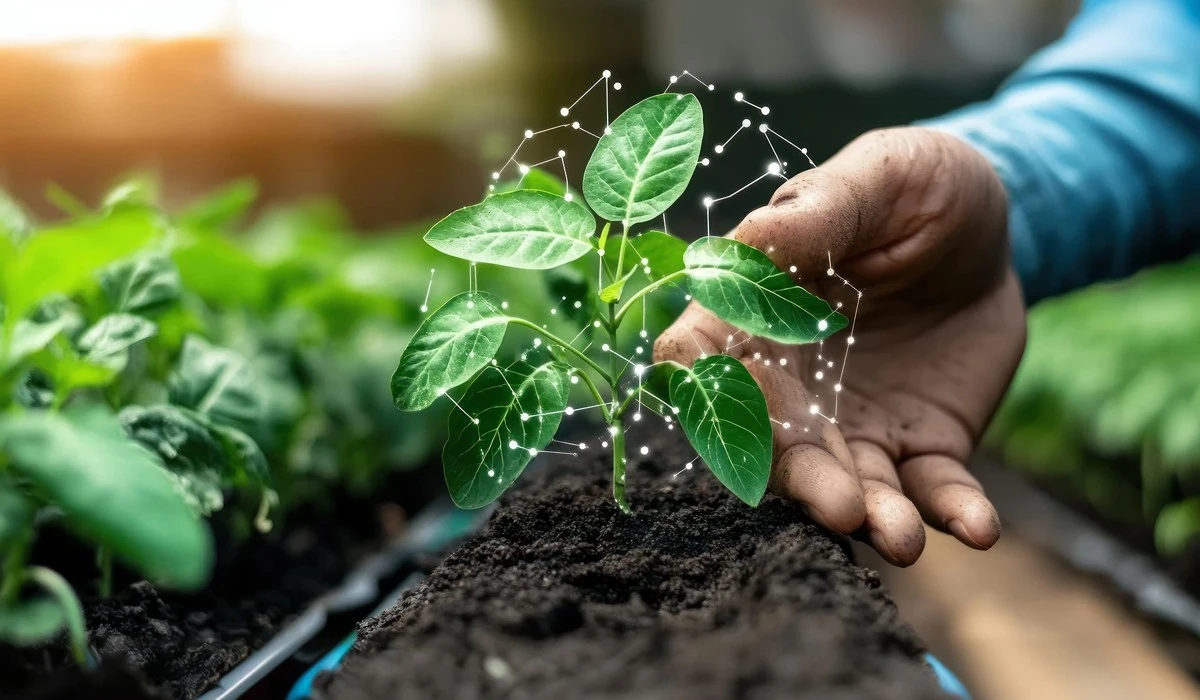
Does Agricultural Science Really Double Crops?
Public documents from the Maine Legislature in 1865 report that U.S. corn fields hit a biological wall, stalling at a meager average of twenty to thirty bushels per acre. Researchers at Purdue University note that the annual rate of yield improvement hovered around zero before increasing to roughly 0.8 bushels per acre per year from 1937 through 1955. Modern fields tell a radically different story. According to a crop production report by the United States Department of Agriculture, modern growers routinely pull over one hundred seventy-nine bushels from that exact same acre. The dirt remained identical.
The operational rules changed. This massive leap in production directly stems from agricultural science. Researchers and agronomists stopped guessing and started measuring. Integrating predictive data into daily farm management allows modern producers to push biological limits without destroying the land. Practicing sustainable farming through extreme precision eliminates waste entirely. The following sections break down the specific scientific methodologies and data-driven strategies operators use to reliably double their total crop outputs consistently.
The core role of agricultural science in yield expansion
Modern field research leaves basic agronomy behind, evolving into a highly technical, multi-disciplinary domain. Predicting nutrient limitations before plants show signs of stress completely changes harvest outcomes. Advanced artificial intelligence models assess existing soil sensor data to predict exact macronutrient and micronutrient shortages, such as boron and zinc deficiencies. Operators moving to these predictive models on large-scale corn operations routinely reduce their fertilizer costs by fifteen to thirty percent while maintaining maximum yield potential. This precision removes the guesswork from traditional farm management entirely. Predictive pest modeling adds another layer of defense. Farms process historical data and weather patterns to flag elevated pest outbreak risks ten to twenty-one days before the pressure actually peaks. Deploying treatments proactively cuts pesticide spending by nearly forty percent compared to reactive emergency spraying, keeping the plants healthy and expanding the overall harvest volume.
Shifting from guesswork to data-driven agriculture
Relying on calendar-based farming limits potential because weather and soil conditions fluctuate constantly. Modern operators replace these outdated calendars with predictive modeling to elevate their overall farm management strategies. Agricultural science bridges the essential gap between collecting raw data and executing precise field operations. As digital tools become standard in modern operations, many growers ask how technology increases crop yield. Technology increases crop yield through precise data on soil moisture, nutrient levels, and weather patterns, allowing farmers to apply exact resources at the perfect time. This eliminates waste and creates the ideal environment for plant growth. Operators trust analytics to guide every single decision, from seed depth to nutrient timing. Transforming raw field data into actionable insights forces the land to produce consistently heavier harvests without requiring additional physical labor or expanding the total planted acreage.
Precision agriculture and spatial farm management
The hardware driving modern yields turns conventional tractors into highly advanced data processors. Global positioning systems, internet-connected field sensors, and drone mapping units work simultaneously to manage every square inch of a field. Spatial farm management dictates that operators treat a single large field as thousands of individual micro-fields. Agricultural science proves that blanket applications waste money and stunt potential growth in weaker zones. Producers map these variations accurately to understand exactly what each section requires to thrive. Drones capture high-resolution images of crop health, while physical ground sensors measure exactly how much water the roots consume daily. Feeding this massive stream of data into a central computer allows operators to write highly specific prescriptions for every single acre. This technological shift guarantees that seeds find optimal conditions, ensuring uniform plant emergence and a significantly heavier final harvest.
Variable rate technology (VRT)
Variable rate technology relies on detailed soil maps, satellite imagery, and historical harvest data to adjust inputs meter by meter. Treating an entire field uniformly ignores natural soil variations and topography differences. Modern tractors read prescription maps on the fly, speeding up or slowing down the distribution of seeds and fertilizers automatically. Applying variable rate nitrogen prescriptions using remote sensing generated fertilizer savings of up to twenty percent across seventeen site-years in the Midwest. The same studies recorded yield increases of up to five percent depending on the specific field zone. Pushing more nutrients into highly productive areas maximizes return, while restricting inputs in poor-yielding zones prevents expensive chemical waste. This targeted approach supports the core tenets of sustainable farming. The method ensures the soil completely absorbs the applied nutrients, severely reducing the chances of harmful environmental runoff.
Micro-climate monitoring
Sensor networks track highly localized weather conditions directly at the canopy level. Relying on regional weather stations often fails because conditions change drastically across a single large property. Internet-connected micro-climate monitoring relies on soil moisture, sap flow, and leaf wetness sensors distributed throughout the rows. A commercial California tomato farm applying this microclimate-based irrigation achieved a twenty percent increase in crop yield and a fifteen percent reduction in water usage. Reading the immediate environment allows producers to deploy targeted, climate-responsive inputs that directly support sustainable farming goals. Knowing exactly when the leaves remain wet for extended periods warns operators about imminent fungal threats. Spraying fungicides only when the canopy sensors indicate an immediate threat cuts chemical usage drastically. Managing the micro-climate reduces unnecessary applications, protects the surrounding water tables, and forces the crop to reach its maximum biological size.
Releasing soil health through agricultural science
Viewing soil as mere dirt severely limits harvest potential. Dirt represents dead minerals. Healthy soil operates as a multi-layered, living biological network. Agricultural science analyzes and maps the subterranean microbiome to extract millions of pounds of naturally trapped nutrients. A comprehensive meta-analysis of over 140 experiments under the European Union program reported that microbial inoculants produced a mean yield increase of nearly 10%. Researchers observed the strongest positive effects in low-fertility or highly arid environments. Microbes physically digest organic matter and convert unavailable rock phosphorus into liquid forms the roots can easily absorb. Boosting soil health requires feeding this underground workforce constantly. Operators adopting these advanced biological methods drastically reduce their dependence on synthetic fertilizers. Enhancing the native soil ecology directly builds a strong foundation for bigger, heavier plants that effortlessly survive mid-season stress events.
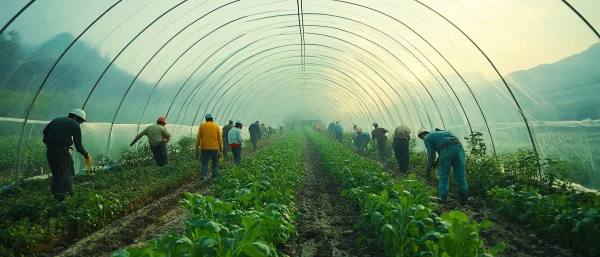
Microbial inoculants and bio-fertilizers
Adding beneficial bacteria and fungi directly to seed roots expands nutrient uptake massively. Applying the microbial inoculant Bacillus megaterium increases microbial biomass and phosphatase activities in the dirt. Greenhouse trials demonstrated this specific bacteria boosted total crop volume by thirty-three to eighty-four percent under phosphorus-limited conditions. Arbuscular mycorrhizal fungi further enhance organic carbon content and release nitrogen reserves. Focusing on the microbiome is vital because as topsoil degrades globally, producers frequently wonder how to improve soil fertility naturally. Introducing cover crops, practicing diverse crop rotation, and applying targeted bio-inoculants feeds beneficial microbes and improves soil fertility naturally. These practices restore the subterranean environment, making nutrients readily accessible to roots without relying on heavy synthetic inputs. Research published by the University of Vermont indicates that legume cover crops like hairy vetch fix over one hundred fifty pounds of nitrogen per acre, creating a slow-release bank.
Breakthroughs in modern crop genetics
Advanced genetics form the biological foundation of maximum output. Agricultural science explores extreme genetic modification through precise tools like CRISPR, rapid genetic sequencing, and advanced hybrid breeding. Researchers reprogram the actual DNA of the plant to eliminate physiological bottlenecks. Simultaneous multiplex gene editing of three distinct grain weight-associated genes in rice successfully improved overall grain size and the thousand-grain weight. Bigger seeds directly translate into heavier total harvests. Laboratories map the entire genome of commercial crops to identify exactly which strands control growth rates, root depth, and nutrient effectiveness. Splicing desirable traits into commercial seeds gives operators a massive head start before planting even begins. Pushing genetic limits ensures that every drop of water and ounce of fertilizer produces the maximum possible biological volume. This microscopic engineering directly fuels the unbroken upward trajectory of global food production numbers year after year.
Drought and disease resistance
Breeding plants for specific environmental stressors prevents catastrophic losses during severe weather events. Modern operators demand biological insurance policies for solid farm management. Using CRISPR technology, geneticists knocked out a specific gene in maize and replaced its native promoter. Field trials of this edited maize demonstrated a five percent yield increase in strictly water-limited environments. The engineered plants suffered absolutely no production penalties under normal, well-watered conditions. Building drought tolerance directly into the seed protects producers from unpredictable summer heatwaves. Similar techniques isolate genes responsible for surviving devastating fungal blights or aggressive bacterial infections. Crops that actively fight off diseases require significantly fewer chemical fungicide applications. Defending the plant from within guarantees that the foliage remains intact and fully functional throughout the entire season. Healthy, stress-free plants direct all available energy toward producing massive, heavy grains.
Enhancing photosynthetic performance
Hacking a plant's ability to process sunlight and carbon dioxide faster directly leads to thicker, heavier harvests. The Realizing Increased Photosynthetic Efficiency project engineered model crops to overexpress a native protein involved in recycling toxic chemicals. Plants naturally create these toxins when their enzymes mistakenly grab oxygen instead of carbon dioxide. Correcting this chemical glitch increased crop production by twenty-seven to forty-seven percent in two years of field trials. A separate modification from the project hacked plant photoprotection, the method plants use to dissipate excess light as heat. The project's researchers stated that up-regulating specific genes to switch off this protective state faster when shaded by a cloud achieved a twenty percent yield increase. Accelerating photosynthesis forces the plant to build physical mass at an unprecedented rate. Capturing more solar energy and converting it effectively into harvestable grain represents the ultimate breakthrough in modern biological engineering.
High-performance irrigation for sustainable farming
Optimizing water management directly controls cell expansion and total plant size. Eliminating water stress at key vegetative growth stages maximizes final output. Agricultural science proves that overwatering damages root systems just as severely as severe droughts do. Modern sustainable farming requires extreme precision when distributing freshwater resources. Advanced modeling tools use enhanced algorithms combined with environmental data to estimate subterranean moisture shifts. Stanford researchers developed a system that adjusts field delivery networks one hundred times faster than conventional vertical-flow assumptions. Precision application ensures the crop drinks exactly what it needs to maintain maximum cellular pressure. Healthy cellular pressure allows leaves to remain fully expanded, capturing maximum sunlight for unbroken photosynthesis. Delivering the exact required volume of water prevents costly deep percolation loss while simultaneously ensuring the plants never experience a single day of growth-stunting dehydration throughout the entire summer.
Evapotranspiration tracking and automated delivery
Evapotranspiration sensors measure the combined water loss from surface evaporation and active plant transpiration. Highly predictive irrigation scheduling uses this specific data to prevent stress before leaves wilt. Because optimizing water usage remains critical in arid regions, operators seek the most water-conserving irrigation method. Drip irrigation serves as the most water-conserving method because it delivers moisture directly to the base of the plant, drastically reducing surface evaporation and runoff. This precision ensures crops never experience drought stress while simultaneously protecting local water tables. In precision drip systems serving permanent crops, artificial intelligence forecasting optimizes zone-specific water delivery. This advanced technological approach routinely results in massive yield increases of up to thirty percent. Tracking exact atmospheric demands allows operators to replace only the specific volume of water the plant consumed during the previous day.
Integrated pest and weed management
Protecting massive yields from aggressive biological threats represents the defensive side of modern field operations. Weeds steal valuable water and nutrients, while insects physically consume the harvestable grain. Agricultural science deploys highly sophisticated countermeasures to eliminate these threats immediately. A deep-learning multimodal data fusion model for wheat pests combines direct image processing with temperature and humidity data. This advanced model achieves a 96% detection accuracy with an incredibly rapid inference time of one hundred eighty milliseconds. Identifying threats instantly allows operators to execute precise countermeasures before the damage spreads. Machine learning techniques analyzing thirty gigabytes of weather data updated every thirty minutes dramatically outperform classical correlation models. Predicting exact insect flight patterns ensures producers deploy their defenses at the perfect moment. Outsmarting the pests ensures the cultivated plants maintain exclusive access to all applied field resources without unnecessary competition.
Predictive pest modeling
Artificial intelligence processes historical infestation data to forecast fungal outbreaks weeks before they physically manifest in the rows. Analyzing regional weather shifts and crop growth stages provides a highly accurate timeline of upcoming biological threats. Advanced machine learning drastically outperformed the classical Touzeau correlation model in accurately predicting the specific flights of the grapevine moth. Knowing exactly when insects enter their most vulnerable breeding stages allows producers to achieve maximum lethality with minimum chemical usage. Proactive farm management pre-empts visible crop damage. Applying defensive treatments right before the swarm arrives protects the vital leaf tissue responsible for solar collection. The crop dedicates all its internal energy to producing heavy yields when producers prevent structural damage to the plant. Intact plants skip the costly process of repairing chewed stalks or fighting off aggressive systemic bacterial infections during peak growth phases.

Bio-controls and targeted applications
Shifting toward natural predators and optical smart-sprayers perfectly marries high-output strategies with sustainable farming principles. Optical systems equipped with graphic processing units and advanced computer vision process field images in milliseconds. These machines execute green-on-green applications, spraying herbicides solely on the invasive weeds while completely ignoring the cash crop. A report from the Arkansas Agricultural Experiment Station notes that a field trial of the See and Spray Ultimate system recorded a nearly sixty percent reduction in broadcast herbicide use. Ultra-precise artificial intelligence sprayers like the ARA system limit the targeted area to a six-centimeter square. This extreme precision reduced herbicide drift by over ninety-five percent and saved nearly eighty percent of total herbicide volume across massive onion fields in recent years. Releasing natural insect predators alongside these targeted mechanical applications keeps invasive bug populations permanently suppressed. Eliminating field competition allows the primary crop to absorb every available resource entirely.
Harvesting, analytics, and unending improvement
The rigorous application of agricultural science never stops when the heavy combines finally enter the fields in autumn. The actual harvest represents a massive data collection event that fuels unending operational improvement. Unifying drone telemetry, three-dimensional mapping, and harvest data into a central farm management platform creates an optimized operational cycle. Systems like the Operations Center or Climate FieldView dictate the exact variable rate prescriptions for the following spring. Analyzing multi-year yield frequency grids scores specific field zones against the historical average to identify recurring productivity drag. Correcting these underperforming zones systematically raises the entire operational baseline year after year. Operators treat every single harvest as an intense diagnostic test of their previous agronomic decisions. Learning from this aggregated data guarantees that producers implement smarter, faster, and significantly more productive strategies during the next planting season to maximize output.
Real-time yield mapping
Modern combine harvesters utilize internal global positional system receivers, mass flow sensors, and advanced moisture sensors to document crop totals instantly. The machine builds a highly accurate, geo-referenced spatial map second by second as it moves through the mature crop. Operators watch the exact profitability of their dirt update instantly on the digital cab displays. Raw harvest maps often contain topographical voids or machine velocity errors. Analytics platforms use advanced interpolation techniques to align the physical weighbridge data seamlessly with the natural field contours. Generating these clean performance grids highlights exactly which specific rows produced the most grain. Mapping the harvest physically proves which experimental seed varieties or specific fertilizer applications actually worked in the real world. This real-time validation instantly confirms or denies the effectiveness of the entire seasonal strategy, guiding future financial investments with absolute, data-backed certainty.
Post-harvest data integration
Feeding clean harvest data back into centralized software adjusts the exact strategy for the following season. Compounding small yield improvements year over year generates massive long-term financial growth. Agricultural science turns past performance into highly accurate future predictions. If the combine sensors show a specific hilltop consistently underperforms, the software automatically reduces the seed population for that exact zone next spring. Reallocating those expensive seeds to the highly productive valleys ensures maximum return on investment. Strong farm management demands that operators review this integrated data during the quiet winter months to plan aggressive field corrections. Ordering precise soil amendments based on harvest extraction rates replaces the nutrients the previous crop consumed. This relentless dedication to measured, unbroken improvement ensures that the soil grows richer and the total harvest volumes climb steadily higher with every passing operational year, regardless of external conditions.
The Future is Grown with Agricultural Science
Overcoming rapidly escalating global food demands and extreme climate volatility requires relentless innovation. Agricultural science serves as the ultimate tool for pushing biological boundaries and securing global food supplies. Traditional methods simply cannot mathematically produce the raw volume required to feed billions of people reliably. Integrating aggressive digital tracking with advanced biological engineering transforms an ordinary field into a highly optimized production facility.
Practicing sustainable farming through supreme technological precision ensures that operators protect the natural environment while simultaneously breaking historical production records. The ongoing evolution of proactive farm management will continually extract new genetic and agronomic potential previously thought impossible. Applying advanced algorithms, targeted robotics, and modified microbiology guarantees that producers will consistently extract thicker, healthier, and significantly heavier harvests. The modern field responds perfectly to applied data, proving that the true capacity of a single acre remains entirely untapped.
Recently Added
Categories
- Arts And Humanities
- Blog
- Business And Management
- Criminology
- Education
- Environment And Conservation
- Farming And Animal Care
- Geopolitics
- Lifestyle And Beauty
- Medicine And Science
- Mental Health
- Nutrition And Diet
- Religion And Spirituality
- Social Care And Health
- Sport And Fitness
- Technology
- Uncategorized
- Videos

