
Full Sizes And The Airport Security Liquid Limit
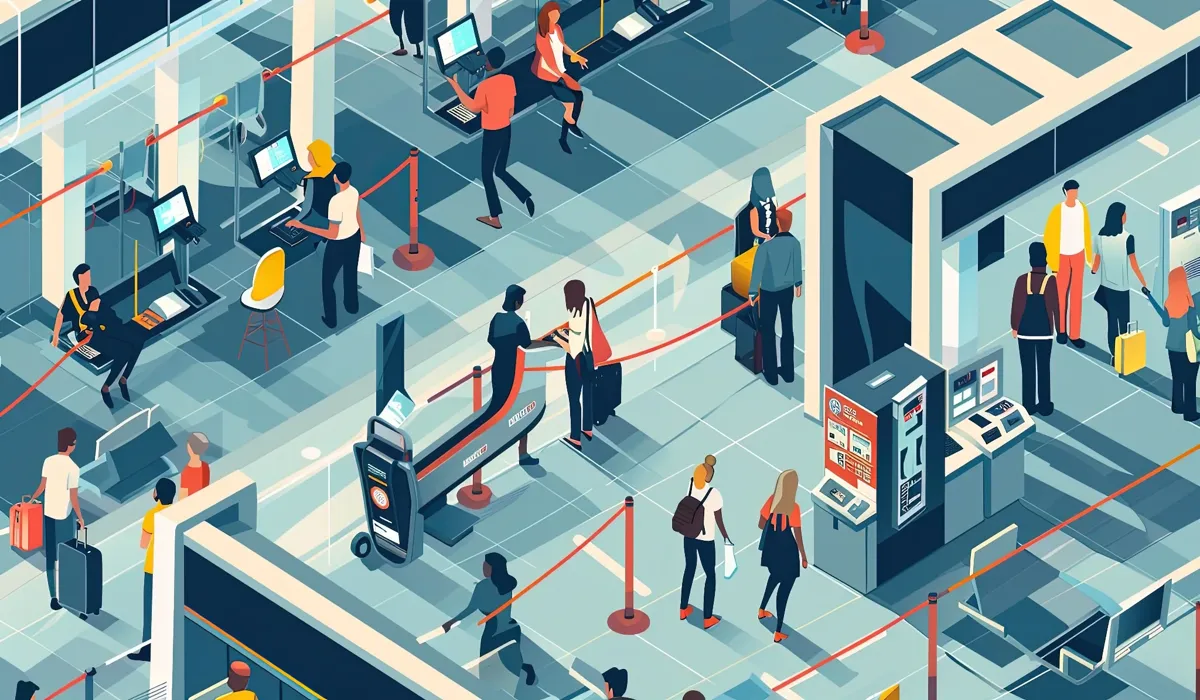
Leaving an expensive, perfectly curated skincare routine behind creates immense frustration for modern travelers. Airlines train passengers to accept tiny, overpriced travel bottles as the only solution for cabin baggage. A better strategy exists. The entire checkpoint system operates on specific geometric and physical constraints. Understanding how scanners read volumes and classifying products correctly lets travelers bypass arbitrary restrictions completely. Beating the airport security liquid limit requires outsmarting the physical space to retain favorite products. Flyers easily carry full-size items through the gates when they utilize smart packing cubes, substitute formulas, and know the exact regulations. Navigating aviation security successfully depends entirely on careful preparation. Passengers who plan strategically walk past the screening belt without losing a single drop of lotion. They always keep their daily routines entirely intact while flying exclusively with carry-on luggage.
The strict math behind the airport security liquid limit
The global transportation sector established the universal 3-1-1 rule directly following a foiled terror plot in 2006. The Transportation Security Administration frequently asked questions page specifies that all passengers are limited to one quart-size resealable plastic bag, and restricted items must measure 3.4 ounces or less to fit inside. Authorities strictly define restricted items as anything a person can spill, spray, spread, pump, or pour. Peanut butter, toothpaste, and gel deodorants fall perfectly into this regulated category.
According to a 2021 press release from the Transportation Security Administration, security personnel evaluate containers larger than 3.4 ounces based on their printed capacity regardless of the remaining fluid inside. Bringing a 200ml bottle containing only 50ml of moisturizer results in immediate confiscation at the belt. Travelers cannot pour out excess fluid at the checkpoint to reduce a large bottle to a compliant size. The physical container must meet the strict volumetric rules that transportation agencies enforce before passengers reach the x-ray machine.
Container capacity vs. remaining volume
Misconceptions regarding half-empty bottles frequently cause delays at the terminal. Modern aviation security mandates strict adherence to the printed label on every single cosmetic product. Many flyers experience confusion about bringing empty vessels from home. People frequently ask whether travelers can bring full-size empty bottles on a plane. Yes, passengers can bring empty full-size bottles through the checkpoint without any issues. Once cleared, travelers simply refill them at a water station or restroom before boarding their flight. Physical scanners easily read these empty volumes to ensure passengers retain their favorite expensive hydro-flask or luxury pump bottle. Keeping large containers entirely devoid of moisture ensures they pass through the magnetic imaging software safely. Proper preparation prevents unnecessary arguments with agents and keeps the boarding process moving smoothly for everyone waiting in the long departure line today.
Swap to solids to dodge the airport security liquid limit
Bypassing the airport security liquid limit involves recognizing a massive regulatory loophole. If a cosmetic item exists in a solid state, agencies entirely exclude it from the restrictive one-quart allowance. Modern beauty brands developed solid alternatives to help jet-setters carry larger quantities legally. High-performance solid products replace heavy glass bottles and eliminate the risk of messy spills inside luggage compartments. Switching out traditional body washes for rich cleansing bars dramatically decreases the weight of a carry-on suitcase. Travelers successfully pack foundation sticks, powder sunscreens, and concentrated solid perfumes without declaring them at the security belt. Removing these essentials from the clear plastic pouch frees up significant space. Passengers then dedicate their entire 100ml allowance to highly specialized items that must remain fluid, like expensive facial serums or medical-grade topical treatments needed during their overseas vacation.
High-performance solid beauty swaps
Utilizing solid swaps maximizes an overall packing haul while avoiding annoying security alerts. Switching to sturdy shampoo bars and dry toothpaste tablets keeps a travel bag fully compliant with aviation security protocols. Meanwhile, many passengers worry about minor daily essentials activating the scanners. The Transportation Security Administration guidelines explicitly state that wet wipes, including standard makeup remover wipes and baby wipes, do not count as liquids in carry-on bags. Flyers pack as many damp wipes as they desire without crowding their single quart-sized bag. Manufacturers specially formulate these dry and pre-moistened alternatives to provide identical performance to their fluid counterparts. Implementing these clever product substitutions immediately solves the space crisis inside a cramped weekender tote. Adopting a dry-heavy cosmetic routine allows holidaymakers to bring an entire beauty arsenal along without breaking a single federal rule.
Packing geometry for airport security bags
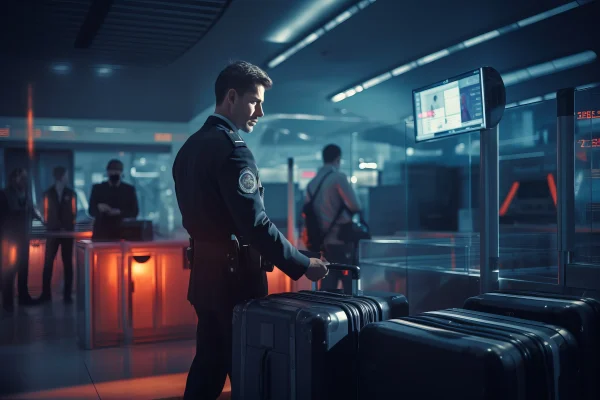
Fitting numerous bottles into a restricted container represents a difficult game of physical geometry. The right approach easily yields significantly more product volume inside airport security bags. A standard approved quart bag measures approximately seven by eight inches, holding exactly one liter of volume. Standard kitchen sandwich bags only measure around six by five inches. Fliers who rely on flimsy kitchen bags accidentally sacrifice forty percent of their legal carrying capacity. Strategic packers lay their tallest bottles horizontally along the longest axis of their pouch. They then stand smaller, rigid items vertically against the shorter walls to reinforce the structure and prevent zipper blowout. Treating the clear bag like a puzzle maximizes every available cubic inch legally. Applying basic spatial awareness allows vacationers to stretch the airport security liquid limit to its absolute mathematical maximum.
Upgrading the clear quart-sized pouch
Upgrading the physical pouch completely changes the packing experience for frequent flyers. Flimsy disposable plastics tear easily and severely restrict the amount of stretch available during packing. Flexible, thick bags made from advanced plastics offer vastly superior stretching capabilities. Gusseted bottoms expand outward to create a spacious three-dimensional cube. This intelligent design easily accommodates bulky items like spherical jars and thick shaving cream cans. Specialized clear packing squares legally push the boundaries of the approved one-liter volume. Fliers easily stuff these durable cases full without risking a messy rupture mid-flight. Investing in proper equipment changes a frustrating packing ordeal into a seamless process. High-quality transparent organizers ensure agents clearly see the contents, preventing secondary manual searches that delay tired passengers from reaching their assigned departure gates on time every single trip.
Decanting: The art of downsizing the routine
Decanting involves transferring high-end products from heavy glass packaging into compliant micro-containers. Most commercial cosmetic bottles contain excess thick plastic that wastes precious interior space. Shrinking a daily routine physically demands smart container selection to preserve product quality. Many travelers mistakenly purchase generic travel-size bottles at the pharmacy, which leak easily and consume too much room. Expert packers split their luxurious night creams and heavy lotions into hyper-compact tiny vessels. Moving formulas into smaller, flatter units allows vacationers to bring an entire ten-step skincare routine without hitting the airport security liquid limit. Flat silicone squeeze pouches perfectly house thick body washes and collapse inward as they empty, constantly saving space throughout the trip. Downsizing guarantees that beloved specialty moisturizers remain safe inside the cabin and avoid abandonment at the initial inspection desk.
High-utility micro travel containers
Unconventional storage vessels provide the ultimate method for condensing a heavy toiletry bag. Clean contact lens cases serve as the perfect secure containers for thick eye creams and spot treatments. Their screw-top lids lock perfectly, preventing expensive cosmetics from ruining clothing. Empty lip gloss tubes easily hold expensive liquid serums while consuming virtually zero volume inside the required clear pouch. These specific miniature tools help flyers rapidly condense their daily maintenance routine. Passing strict aviation security checks becomes effortless when items utilize zero excess packaging. Dropper bottles originally meant for essential oils work wonderfully for strong facial toners and liquid exfoliants. Combining these diverse micro-containers ensures every corner of the clear plastic bag contains useful cosmetics. Savvy passengers completely avoid bulky commercial packaging and travel with incredible lightness and maximum organization every trip.
Exploiting medical and duty-free exemptions
Legitimate legal workarounds exist for bringing oversized items right through the primary checkpoint. Agencies explicitly classify particular fluids as entirely exempt from the standard airport security liquid limit. Contact lens solution, thick saline drops, liquid prescription medications, and baby formula all bypass the harsh volume restrictions. Travelers simply need to inform the supervising officer about these specific necessities before their luggage enters the x-ray tunnel. Oversized medicinal items routinely undergo secondary chemical testing using specialized equipment. Security personnel swab the exterior of large bottles to detect prohibited substances quickly and safely. Additionally, the Transportation Security Administration states that international shoppers may carry duty-free liquids exceeding 3.4 ounces in secure, tamper-evident bags. This policy allows travelers to walk heavy glass bottles past the final screening desk securely without facing expensive liquid confiscations.
Declaring medically necessary liquids
Declaring oversized medical supplies requires clear communication with the transportation officers. Separating these specific bottles from the regular carry-on luggage ensures a faster inspection. A common question at this stage is, what happens if a liquid is over 3.4 oz? If an item exceeds 3.4 ounces, officers confiscate it immediately unless it qualifies strictly as a medically necessary fluid. Passengers typically receive the choice to surrender the unauthorized bottle, place it inside a checked bag, or hand it to a non-traveling companion. Announcing the presence of saline or prescription cough syrup immediately changes the protocol. The agent redirects the exempt bottles to a specialized testing table while the remaining bags continue down the belt. Clear verbal declarations guarantee that essential health products pass smoothly through strict aviation security without unnecessary delays.
Navigating the international airport security liquid limit
Navigating the strict airport security liquid limit internationally demands constant awareness of regional regulations. Different countries interpret the global 100ml standard uniquely, altering their domestic enforcement methods drastically. While the core mathematical rule remains practically universal, physical screening procedures vary between international terminals. Some checkpoints strictly enforce the single plastic bag rule, while others focus entirely on the individual container dimensions. Preparing for the most restrictive environment prevents frustrating surprises during unexpected layovers or return trips. Asian and European transportation hubs employ completely different x-ray standards compared to domestic departure gates. International travelers frequently experience secondary luggage searches simply because local agents categorize specific gels differently. Packing all questionable gels inside the designated transparent pouch guarantees compliance everywhere. Researching terminal-specific guidelines ensures globetrotters maintain full possession of their expensive foreign cosmetics across multiple borders.
Global variations and new scanner technology
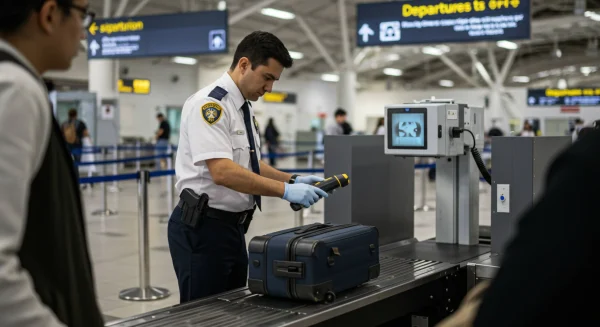
Advanced 3D computed tomography scanners slowly change the basic packing rules across global airports. The European Civil Aviation Conference initially approved these powerful machines to eliminate the 100ml restriction entirely. A 2026 report published by Reuters notes that modern CT scanners allow travelers to get through security without decanting liquids into small plastic bags, letting passengers keep liquids and laptops in their hand luggage and carry containers of up to two liters. The report also highlights that these advanced scanners generate highly detailed internal maps of cabin baggage. However, the European Commission suddenly reinstated the strict volume limitation in late 2024 at select locations due to software detection issues.
Travelers passing through high-tech terminals must currently pack for the strictest common denominator despite the expensive machinery. Modern aviation security still requires removing large fluid bottles at many checkpoints until technicians resolve the detection software limitations universally. Vacationers should completely ignore unverified online rumors about relaxed international packing rules. Maintaining absolute compliance with the classic volumetric formulas prevents disastrous delays and keeps high-end products safely in hand during global transit.
Destination delivery and shipping strategies
Complete avoidance represents the ultimate strategy when extreme downsizing proves completely impossible for extended trips. Bypassing the airport security liquid limit requires thinking beyond the physical suitcase. Sending heavy products directly to a destination entirely removes the stress of screening lines. Families traveling with large quantities of sunscreen or specialty shampoos utilize local delivery networks to their advantage. Shipping heavy boxes a few days early guarantees arrival without battling strict baggage inspectors at the terminal. Smart travelers simply shift the physical burden from their carry-on bags to commercial courier services. They breeze through the main checkpoint carrying only minimal daily essentials in their clear plastic pouches. This modern logistical bypass frees up incredible space for extra clothing and souvenirs inside the primary suitcase. Forwarding bulky items changes long-haul travel into a beautifully seamless experience.
Pre-ordering toiletries to the hotel
Pre-ordering full-sized toiletries online alters the packing timeline for modern travelers. Vacationers easily purchase massive sixteen-ounce sunscreens and heavy body lotions directly through major online retailers. Routing these specific purchases to a local pickup locker immediately negates the harsh realities of aviation security checks. Alternatively, most professional hotels legally accept shipped packages specifically addressed to incoming guests. Sending a clearly labeled box to the front desk two days before arrival ensures the products wait safely in the lobby. This advanced strategy completely eradicates the anxiety of cramming overflowing bottles into rigid airport security bags. Globetrotters simply unpack their heavy products upon arrival and enjoy their full luxury routines immediately. Relocating the physical acquisition of toiletries allows travelers to fly lighter, faster, and completely free from restrictive terminal inspections during their entire trip.
Beating the airport security liquid limit
Conquering strict terminal guidelines ultimately depends entirely on strategic preparation and spatial awareness. Bypassing the notorious airport security liquid limit stops being a stressful guessing game once travelers understand the exact volumetric rules. Embracing solid beauty swaps dramatically reduces the burden placed on tiny plastic pouches. Optimizing bag geometry allows smart flyers to push their legal volume boundaries to the absolute mathematical maximum safely. Utilizing brilliant micro-containers keeps luxurious daily routines perfectly intact without setting off any alarms at the main scanning belt. Packing heavy liquids smartly or shipping them ahead entirely changes the chaotic transit experience into an effortless breeze. Adopting these intelligent packing strategies allows fliers to retain total control over their personal care regimens. Traveling fast and light remains fully possible without abandoning highly valued cosmetic items at the harsh terminal gates.
Recently Added
Categories
- Arts And Humanities
- Blog
- Business And Management
- Criminology
- Education
- Environment And Conservation
- Farming And Animal Care
- Geopolitics
- Lifestyle And Beauty
- Medicine And Science
- Mental Health
- Nutrition And Diet
- Religion And Spirituality
- Social Care And Health
- Sport And Fitness
- Technology
- Uncategorized
- Videos

