
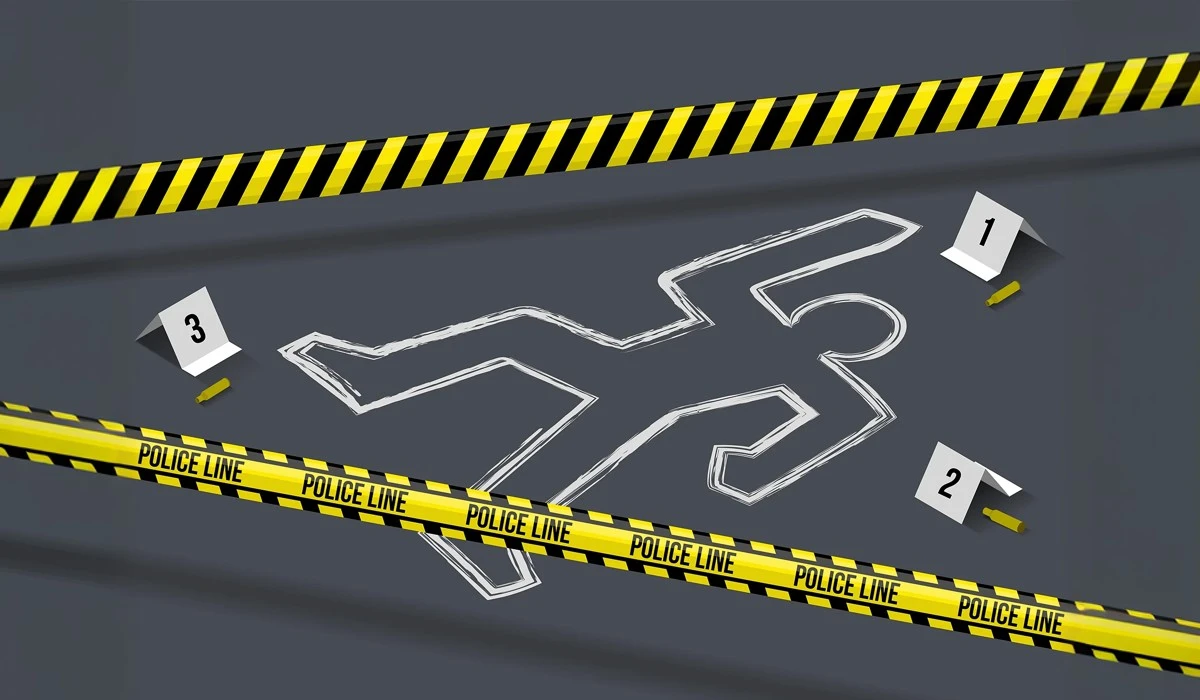
Recover Lost Identities: Forensic Anthropology
A person disappears, and the world eventually stops looking. Time and weather work together to strip away the skin and muscle that once held a name. Soon, only a collection of white shapes remains in the dirt. Most people see these as generic relics of death. They look like a pile of rocks to the untrained eye. However, these hard surfaces hold the precise story of a human life. They track where you walked, what you ate, and even the accidents you survived as a child. This is where forensic anthropology steps in. It serves as the physical bridge between a forgotten skeleton and a lost identity. Through the study of these remains, scientists combine biology and archaeology to find answers. They turn a cold crime scene into a family's final sense of peace.
Why Forensic Anthropology is the Key to Unsolved Cases
In the late 1800s, Thomas Dwight changed the way we view the dead. He wrote the first formal guide to identifying skeletons. He proved that bones speak when flesh cannot. When a body is found months or years after death, traditional doctors often hit a wall. They need soft tissue to see bruises, toxins, or internal injuries. Forensic anthropology takes over when the soft tissue is gone.
Practitioners act as bone biographers. They read the scars and shapes left behind on the human frame. This shift from pathology to skeletal analysis allows investigators to solve cases that are decades old. These experts look at the skeleton to find the truth that the ground tried to hide. They provide the legal system with a voice for those who can no longer speak for themselves.
The field has grown into a validated forensic specialty. Organizations like the American Board of Forensic Anthropology set strict standards for this work. They ensure that every analysis stands up in a court of law. Today, this science is the primary tool for solving John Doe cases. It bridges the gap between a missing person report and a final identification.
The Precision of Bone Identification
Scientists look for four main traits to build a biological profile. These include age, sex, height, and ancestry. Each bone provides a different clue to these categories. You might wonder, how does a forensic anthropologist identify a person? Experts use bone identification techniques to compare unique skeletal markers, such as dental records or healed fractures, against known medical histories to find a match. This comparison narrows down thousands of missing person reports to a single name.
Determining Biological Sex and Ancestry
The pelvis tells the most accurate story about sex. According to research published in the Journal of Forensic Sciences, experts often use the Phenice Method to look at three specific spots on the pelvic bone, as it is highly reliable and offers up to 95% accuracy when the bones are well-preserved. They look for the ventral arc and the subpubic concavity. Women usually have wider pelvic openings to allow for childbirth.
For ancestry, scientists use digital tools like FORDISC 3.0. This computer program compares skull measurements to a global database of thousands of people. It uses math to determine where a person's ancestors likely lived. This helps investigators narrow their search to specific ethnic populations. It provides a clearer picture of who the person was in life.
Estimating Age and Stature
Bones grow and change on a set schedule. Young people have growth plates that fuse at specific ages. For example, the medial clavicle or collarbone is one of the last to fuse. This typically happens between the ages of 18 and 25. For older adults, the Suchey-Brooks system looks at the wear on the pelvic joints to estimate age.
To find height, experts use Fully’s Anatomical Method, which involves measuring every bone from the skull to the heel and adding a specific number to account for missing soft tissue. As noted in the book Forensic Anthropology, this is arguably the most accurate way to determine stature, providing better results than measuring a single leg bone. These details combine to create a physical description that police can use to find a match.
Decoding the Environment with Forensic Taphonomy
Death represents the conclusion of one story and the beginning of a new process. This field is known as forensic taphonomy. It studies what happens to a body from the moment of death until it is found. Many people ask, What is forensic taphonomy? It is the study of how various environmental factors, such as soil acidity, climate, and insect activity, affect the decomposition and preservation of human remains over time.
A knowledge of these laws of burial allows scientists to calculate how long a person has been dead. They use data from research sites like the University of Tennessee's Body Farm. These outdoor labs show how bodies decay in different settings. This data is vital for setting a timeline for a crime. It helps police rule out suspects who have strong alibis for specific dates.
The Influence of Soil and Weather
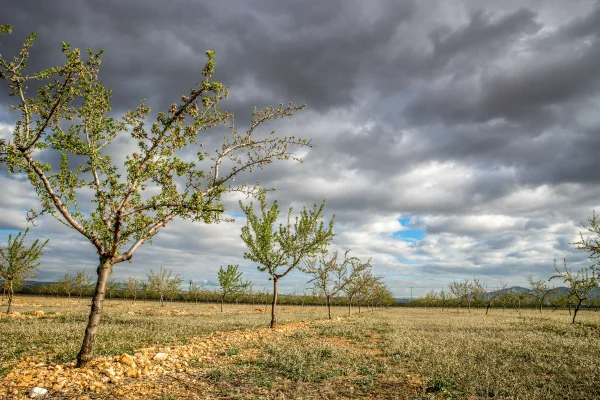
Weather and soil determine how fast a body vanishes. Casper’s Law states that a body in the air rots eight times faster than one buried in the ground. Temperature is the most important factor in this process. Experts use a formula called Accumulated Degree Days to track heat energy.
High heat speeds up the work of bacteria and insects. Meanwhile, research from MDPI indicates that wet and acidic soil can facilitate an ongoing dissolution of bone in just a few decades by breaking down calcium phosphates. The study also notes that in moist, anaerobic conditions, wet soil creates a substance called adipocere or grave wax, which can preserve organs and skin for years. It prevents the body from fully breaking down, which keeps evidence intact.
Identifying Scavenging and Dispersal
Animals often find a body before humans do. Scavengers like coyotes, vultures, or rodents move bones far away from the original spot. Forensic experts must tell the difference between a knife mark and a tooth mark. To reconstruct the history of a site, experts use the weathering stages defined by Behrensmeyer in 1978 to see how long bones sat in the sun. This research states that Stage 1 involves fine cracks on the surface, while Stage 5 indicates the bone is completely falling apart. Mapping these changes helps researchers understand if the body was moved after death. It also helps them find all the pieces of a skeleton that animals might have scattered.
Innovations Driving Forensic Anthropology Forward
Technology is changing how we look at old remains. Scientists now use 3D surface scanning to create digital copies of bones. This means they can study a fragile skeleton without touching it. They no longer need to make messy and heavy plaster casts of evidence.
These digital models allow experts around the world to look at the same evidence at the same time. This high-tech approach makes forensic anthropology more accurate than ever before. It allows for non-destructive testing, which preserves the original bones for future trials. This ensures that the evidence remains perfect for years to come.
Isotope Analysis and Geographic Origin
Your teeth are a chemical map of where you grew up. Scientists use Isotope Ratio Mass Spectrometry to look at oxygen in tooth enamel. Since different regions have different water signatures, the teeth record your childhood location. This information stays locked in the enamel for your entire life.
Strontium isotopes in the bones show where you lived in your final years. This chemical signature helps police focus their search on specific cities or countries. If a person grew up in another country, this test will prove it. It cuts through the mystery of where an unidentified person came from.
DNA Integration with Skeletal Analysis
DNA is often hard to find in old, dry bones. A study in Nature reports that the petrous portion of the ear bone is incredibly dense and protects DNA better than any other part of the body, often holding 100 times more DNA than a tooth or a leg bone.
Modern forensic anthropology experts point DNA specialists to this specific spot. This teamwork often leads to a positive match when other methods fail. It allows scientists to identify victims even when the remains are highly degraded. This cooperation between biology and chemistry is solving the toughest cold cases in history.
From the Field to the Lab: The Recovery Process
Recovering remains is a slow and careful task. As described in forensic archaeology literature, scientists use a grid system to map every inch of a burial site to ensure that no tiny piece of evidence is missed. This research also highlights tools like the Harris Matrix to track layers of soil, helping researchers see the order of events that occurred at the grave.
A common question is, can forensic anthropology determine the cause of death? While anthropologists focus on skeletal trauma, a report from IntechOpen notes that they can identify perimortem injury marks made at or near the time of death, which provide vital clues to the medical examiner regarding the cause. These injuries appear different from the breaks that happen after death. They show how the bone reacted while it was still fresh and wet.
Challenges in Modern Bone Identification
Not every case is a single skeleton in the woods. Often, experts find many people buried together. These are called commingled remains. Organizations like the International Commission on Missing Persons work to separate these bones. They use DNA-led bone identification to return the right remains to the right families.
Fire also makes the work much harder. High heat shrinks, warps, and cracks bone. This makes it difficult to get accurate measurements for height or sex. Experts must be extremely careful when handling burned remains, as they can crumble into dust. Despite these hurdles, new methods are helping scientists find answers in even the most difficult conditions.
The Ethical Heart of Forensic Anthropology
This science goes beyond data and math, focusing on returning dignity to victims who have been silenced. Clyde Snow showed the world how this field can expose human rights abuses. As documented by ResearchGate, he assisted in investigations starting in June 1984 to identify the human remains of the Disappeared in Argentina.
Forensic experts must treat every bone with the utmost respect. Rather than being seen as simple specimens in a lab, these remains represent people with families who miss them. Their work provides the hard evidence needed to bring killers to justice. It also gives families the truth they need to finally move forward. This ethical duty drives the field to reach higher levels of accuracy.
The Lasting Influence of Forensic Anthropology
Every unidentified person leaves behind a hole in a family tree. Forensic anthropology works every day to fill that gap. Combining the science of bone identification with the study of forensic taphonomy allows experts to bring names back to the nameless. They turn a scary mystery into a cherished memory. This work ensures that no one is ever truly forgotten by history. It provides the finality and justice that every human being deserves. As technology improves, the number of Jane Does will continue to shrink, proving that the dead can still tell their stories.
Recently Added
Categories
- Arts And Humanities
- Blog
- Business And Management
- Criminology
- Education
- Environment And Conservation
- Farming And Animal Care
- Geopolitics
- Lifestyle And Beauty
- Medicine And Science
- Mental Health
- Nutrition And Diet
- Religion And Spirituality
- Social Care And Health
- Sport And Fitness
- Technology
- Uncategorized
- Videos

