
Whisker Secrets In Feline Behaviour And Psychology
Cats trick humans into believing they are completely aloof. Humans assume domestic felines ignore their caretakers out of spite or independence. Actually, cats constantly broadcast their needs, fears, and affection through a highly specific language. Around 10,000 years ago in the Fertile Crescent, human agricultural settlements stored grain. This grain attracted rodents, which subsequently drew wildcats.
According to a report by National Geographic, felines essentially domesticated themselves when they settled into mutually beneficial relationships as rodent control for early farming communities. The cats that tolerated human proximity gained a massive survival advantage through a consistent food supply. Today, modern house cats retain nearly identical DNA to their direct ancestor, the African Wildcat. Learning these evolutionary traits shifts humans from traditional pet ownership to a deeper companionship. Grasping the basics of feline behaviour and psychology offers the ultimate shortcut. This knowledge easily turns a skittish or distant cat into a confident, affectionate companion.
The Foundational Pillars of Feline Behaviour and Psychology
Research published in the National Center for Biotechnology Information (NCBI) notes that cats sit directly in the middle of the ecological food web as mesopredators. The study explains they operate simultaneously as predators of small rodents and highly vulnerable prey for larger carnivores like coyotes or raptors. This dual status strictly dictates their daily actions and spatial needs. Because felines hunt solitarily, they cannot rely on a pack for protection. Therefore, their instinctual drives heavily favor the economy of motion. A cat expends energy only when strictly necessary to avoid injury or starvation. They rely immensely on camouflage, stillness, and observation to survive daily threats. Exposing the abdomen represents a fatal vulnerability for a mesopredator in the wild. A terrified cat rarely rolls over to submit. Grasping this core aspect of feline behaviour and psychology helps caretakers fully understand why pets absolutely require safe, elevated hiding spots indoors.
Instinctual Drivers vs. Learned Habits
Differentiating between pure instinct and learned habits clears up immense confusion for pet owners. When caretakers understand the predator-prey relationship, seemingly quirky feline habits suddenly make perfect, logical sense. People often wonder, why do cats stare at humans? According to research published in Scientific Reports, cats often stare to gather important environmental information or engage in positive emotional communication, especially when they pair the stare with a slow, deliberate blink. Recognizing these deeply ingrained instincts allows caretakers to provide spaces that truly cater to biological needs rather than human preferences. For example, a cat knocking items off a table tests the environment for prey-like movement. The animal acts on a hardwired hunting sequence rather than attempting to annoy the human. Caretakers shape positive behaviors much faster when they address the root biological drive instead of simply punishing the outward action.
Decoding Feline Body Language for Real-Time Feedback
Translating visual cues prevents caretakers from misinterpreting a pet's emotional state. The tail serves as a primary indicator of feline body language and mood. An upright, vertical tail acts as a clear approach signal, communicating high confidence and extremely friendly intentions. A slight hook or "question mark" at the tip indicates a desire for interaction and play. Conversely, a rapidly swishing or thumping tail indicates high arousal, deep frustration, or readiness to attack. Many humans mistakenly associate a wagging tail with canine happiness and proceed to pet an agitated feline. A puffed-up tail, resembling a bottle brush, signals severe fright. The animal attempts to look physically larger to intimidate a perceived threat. Carefully observing these structural changes helps humans adjust their approach and avoid unnecessary conflict with their pets.
The Ear and Whisker Radar System
Facial expressions offer immediate feedback concerning a pet's comfort level. Relaxed cats keep their whiskers loose on the sides of their face. According to a study published in the NCBI, stressed or distressed cats display altered facial expressions, meaning whiskers splayed forward heavily indicate anxiety. When terrified or preparing to fight, felines pin their whiskers flat against their cheeks to protect these sensitive hairs from physical damage. Ear micro-movements provide equally important data. Forward-facing ears signal complete relaxation or quiet confidence. "Airplane ears," where the ears splay out flat to the sides, serve as an autonomic leak indicating acute anxiety or irritation. The NCBI study also notes that ears pressed flat against the skull signal extreme fear, dilated pupils, and a defensive readiness to strike. Paying close attention to these signals stops humans from forcing unwanted interactions when the animal feels vulnerable, anxious, or defensive.
Thinking Like a Pro Cat Behaviorist
Environmental optimization dramatically alters a pet's daily confidence levels. Any professional cat behaviorist emphasizes the absolute necessity of modifying the home to accommodate different feline personality types. Experts categorize domestic felines into specific groups based on their spatial preferences. Research published in the NCBI shows that providing elevated hiding spots indoors, such as tall climbing towers or sturdy bookshelves, helps cats arrange themselves vertically so "Tree Dwellers" feel genuinely secure. Accessing elevated areas allows these animals to survey their territory and spot potential threats from a safe distance. "Bush Dwellers" prefer low, concealed spaces like the areas under sofas or enclosed caves. To prevent severe territorial disputes in multi-pet households, professionals recommend building a "superhighway" using modular wall shelving. This setup allows animals to navigate an entire living room without ever touching the floor, entirely removing stressful choke points and providing constant escape routes.
Strategic Resource Placement
Strategic resource management drastically reduces ambient anxiety in the home. The behavioral standard requires following the "N+1 rule" for all essential items. Caretakers must provide one litter box per feline, plus one extra box. A home with two pets needs three litter boxes. Owners must place these resources in socially significant, completely distinct areas to prevent intense resource guarding and unwanted territorial marking. Grouping all boxes in a single closet essentially creates one large, easily defendable toilet area, which causes extreme stress for subordinate pets. Applying this rule to water bowls and scratching posts eliminates quiet intimidation tactics between animals. Properly assessing a home layout to minimize territorial friction stands as a foundation of applying feline behaviour and psychology. This logical approach systematically eliminates common household issues while promoting deep calmness.
Applying Feline Behaviour and Psychology to Playtime
Interactive play functions as a vital psychological tool for deep bonding and massive stress relief. Proper routines accurately simulate the natural sequence of hunting, catching, killing, and eating. Wand toys prove highly effective because they mimic the erratic movements of birds or rodents. Simulating this exact cycle fully satisfies deep predatory drives and successfully burns off high anxious energy. Caretakers often ask, how long should owners play with a cat each day? A study published in the NCBI advises that owners should aim for two to three interactive play sessions lasting roughly ten to fifteen minutes each to ensure peak mental stimulation. A proper session uses the "boil and simmer" method. The human moves the toy vigorously until the pet pants slightly, pauses for recovery, and repeats the action. Structured playtime permanently prevents behavioral issues and builds immense mutual trust.
Avoiding Frustration Aggression
Failing to complete the psychological hunting cycle causes severe frustration aggression. In the wild, wildcats successfully catch live prey only twenty to thirty percent of the time. However, indoor pets absolutely must physically catch the wand toy at the end of a session. Letting the animal grab the object completes the biological cycle and powerfully builds their daily confidence. Once the pet secures the toy, they often perform a rapid "bunny kick" with their powerful hind legs. This exact motion represents an instinctual kill sequence permanently hardcoded into their feline DNA. Serving a small, high-protein meal immediately after this final catch fully satisfies their natural circadian rhythm. This simple sequence tells their brain the hunt concluded successfully. Providing food closes the loop and directly stops sudden, destructive surges of nervous energy.
The Science of Scent and Territory Sharing
Domestic felines navigate their entire world heavily through advanced olfaction and chemical pheromones. These animals possess nine primary scent glands heavily concentrated on their cheeks, chins, foreheads, paw pads, and tail bases. When a pet rubs its head or cheeks firmly against a human leg, it performs a specific behavior called bunting. This action utilizes a detailed olfactory communication system to deposit the F3 facial pheromone onto surrounding surfaces and caretakers. The animal actively claims ownership by chemically labeling humans and living room furniture as completely safe, familiar territory. Bunting demonstrates deep affection and total comfort within the shared environment. Disrupting this scent profile by constantly washing favored blankets causes immense disorientation and stress. Allowing pets to generously distribute their natural pheromones creates a highly relaxing atmosphere for the vulnerable animal.
Creating "Scent Soakers"
Caretakers use olfaction effectively when they introduce intentional scent soakers into busy high-traffic rooms. Placing soft materials like fleece blankets, corrugated cardboard scratchers, or plush pet beds in central areas captures valuable chemical markers. These porous items easily trap and mingle the natural feline pheromones with the everyday human scent. This process chemically establishes a completely unified, shared group scent. Utilizing this advanced scent mapping represents a highly effective tactic in applied feline behaviour and psychology. When a newly adopted pet smells its own pheromones mixed perfectly with the caretaker's scent, the animal feels permanently bonded to the human. Moving these scent-soaked items into a carrier before a veterinary visit drastically lowers travel anxiety. Controlling the olfactory environment remains one of the fastest methods to build lasting trust and complete spatial confidence.
Navigating the Boundaries of Feline Affection
Respecting physical handling protocols guarantees a safe, bite-free relationship. Felines possess a strict neurological threshold for tactile stimulation. Repeated stroking rapidly overstimulates sensitive hair follicles, quickly flipping the animal's emotional state from intense pleasure to a defensive response. During these interactions, people frequently ask, why does a cat bite gently during petting sessions? According to research published in the NCBI, gentle biting during interactions such as petting indicates acute sensory overstimulation, clearly signaling that the animal requires an immediate break from physical handling before an aggressive reaction occurs. Owners must concentrate physical affection exclusively on safe zones where scent glands naturally cluster, like the chin, cheeks, and forehead. The exposed belly and the sensitive tail base represent extreme danger zones that frequently cause defensive strikes. Identifying warning signs like rippling skin, sudden tail twitches, or enlarging pupils allows humans to stop petting before an aggressive incident occurs.
Allowing Felines to Initiate Contact
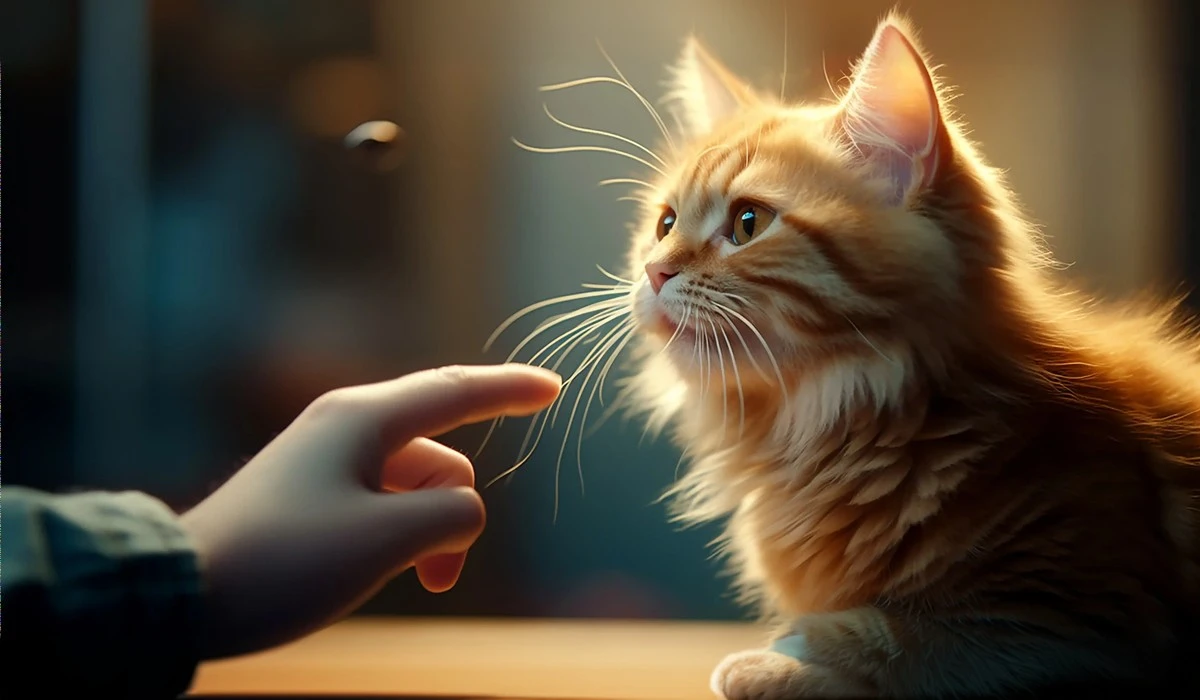
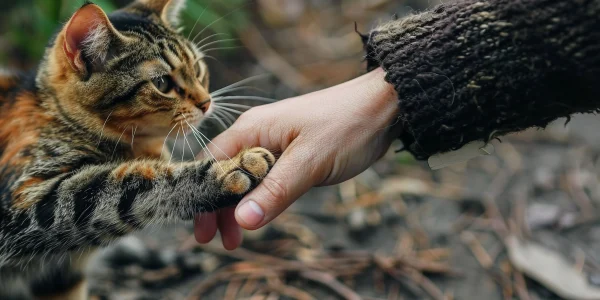
Allowing a pet to initiate physical contact thoroughly honors their personal autonomy and reduces defensive behavior. The psychological benefit of the "opt-in" approach completely transforms how animals perceive human hands. Instead of reaching out and grabbing the pet, the owner extends a single index finger and stops moving. The human lets the animal close the remaining distance and push its cheek directly into the waiting finger. This specific method respects natural feline body language and places the pet entirely in control of the interaction. If the animal sniffs the finger and quickly walks away, the human strictly respects that choice and withdraws. This consent-based interaction proves to the animal that the caretaker represents a safe, highly predictable presence. Consistently applying the opt-in method builds significantly deeper trust than forcing unwanted cuddle sessions.
Translating Vocalizations for a Deeper Connection
Auditory cues reveal interesting truths about how domestic pets manipulate sound to communicate directly with humans. A study from the NCBI notes that wild feral colonies utilize roughly twenty-one different vocalizations to interact with one another. However, the research concludes adult domestic felines rarely meow at other cats, showing they developed the standard meow exclusively as a human-directed vocalization. This biological adaptation represents a significant aspect of modern feline behaviour and psychology. House pets retain the high-pitched, juvenile "mew" originally used by tiny kittens to solicit care, food, or warmth from their mothers. Scientists label this retention of juvenile traits into adulthood as neoteny. Felines quickly learn which specific vocal tones produce the fastest responses from their caretakers. They customize distinct chirps, long trills, and demanding yowls to perfectly control human actions. Recognizing these customized vocal sounds drastically improves daily cross-species household communication.
Purring: Not Always a Sign of Happiness
Many caretakers dangerously misinterpret the rumbling sound of purring as a strict indicator of joy. While felines certainly purr when content, they also produce this sound when deeply terrified, severely injured, or actively giving birth. A knowledgeable cat behaviorist always advises observing vocalizations in tandem with visual cues to determine true emotional states. Purring frequently acts as a powerful biological self-soothing tool during moments of acute stress. Scientific clinical studies measure a domestic pet's purr at a steady frequency between twenty-five and one hundred fifty Hertz. This exact vibrational range actively promotes physical tissue regeneration, rapidly reduces localized edema, and stimulates actual bone growth. When an anxious animal sits in a corner and purrs loudly, it attempts to physically heal and comfort itself. Acknowledging this fact changes how humans address fearful pets.
Creating a Lifelong Feline Bond
Building a resilient relationship with a domestic pet resembles a marathon rather than a quick sprint. Consistently observing spatial needs and fully honoring strict tactile thresholds transforms the entire household environment. Implementing structured playtime directly satisfies deep-seated predatory drives and effectively burns off anxious nervous energy. Respecting the basic mesopredator duality ensures the animal feels completely secure in its elevated vertical territory. Acknowledging these specific evolutionary traits permanently shifts humans from traditional, frustrated pet owners to highly cooperative, trusted guardians. Accommodating wild instincts naturally produces a scientifically backed, completely stress-free living environment. Applying the specific daily lessons of feline behaviour and psychology leads directly to the ultimate domestic reward. This dedicated effort permanently creates a deeply affectionate, fiercely trusting, and incredibly vibrant lifelong connection with a remarkable animal.
Recently Added
Categories
- Arts And Humanities
- Blog
- Business And Management
- Criminology
- Education
- Environment And Conservation
- Farming And Animal Care
- Geopolitics
- Lifestyle And Beauty
- Medicine And Science
- Mental Health
- Nutrition And Diet
- Religion And Spirituality
- Social Care And Health
- Sport And Fitness
- Technology
- Uncategorized
- Videos

