
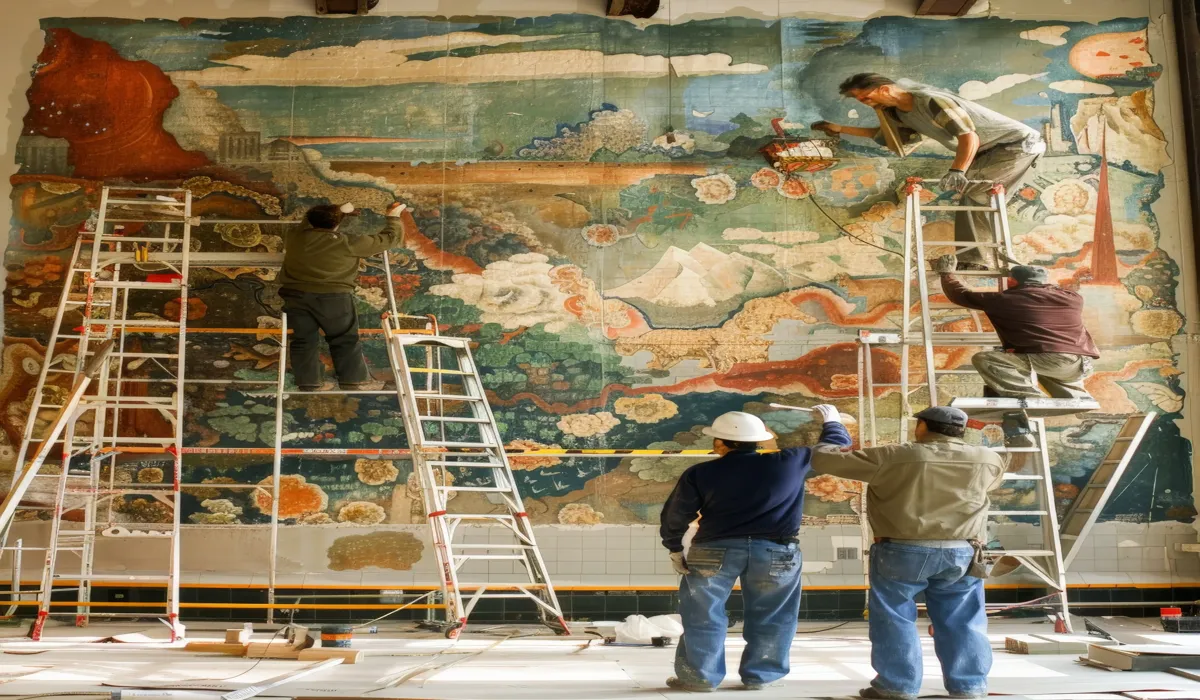
Rescue Old Heirlooms With Painting Restoration
According to the Smithsonian, natural varnishes darken and discolor over time, meaning oxygen and light act as slow-motion acid on family oil paintings, and they state that only trained conservators should perform varnish removal. The wood frame breathes, the fabric stretches, and the oil binder slowly turns to dust over decades of display. This decay happens inside every frame hanging on a wall right now without anyone noticing the shift.
Without professional intervention, these images simply vanish into a brown fog of history as the chemical bonds fail. Painting restoration offers a way to halt this slide into oblivion and stabilizes the materials that hold the art together. It acts as a bridge between a fragile past and a future where heirs still clearly see the faces of their ancestors. Experts take apart the damage of centuries to reveal the original spirit and intent of the work. This process transforms a dark, peeling canvas into a bright centerpiece that safely anchors a home for another century.
Securing Family Legacies with Scientific Art Conservation
Getty notes that conservation ethics prioritize preserving original materials through minimal intervention and reversibility to ensure the long-term safety of the work. This priority focuses on stopping active rot before making the image look pretty to the eye. Owners often overlook small bubbles or white dust on a surface, but these signs point to active chemical breakdowns within the layers.
How do owners identify the need for art conservation?
Owners should look for yellowed varnish, flaking paint, or a canvas that feels brittle to the touch. These symptoms show that the physical structure fails and needs a professional assessment to prevent total loss. The Smithsonian warns that aging canvas becomes drier and weaker, and pressure creates surface bulges, meaning ignoring these warning signs leads to permanent damage as the paint eventually falls off the fabric entirely. Art conservation starts with stabilization because a beautiful image means nothing if the base material crumbles during a move. Experts use scientific tests to identify mold levels before applying any liquid treatments.
The Ethics of Reversible Preservation Treatments
Modern experts use materials that future generations safely remove without harming the original pigment or canvas. This concept of reversibility allows for better technology to take over in fifty or one hundred years without damaging the history. In the past, people used permanent glues that ruined paintings forever when they tried to fix them later with newer methods. Today, as Royal Museums Greenwich explains, professionals redo retouchings using chemically stable, reversible paint that stays separate from the artist's original layers during the process. This ethical approach protects the integrity of the history while allowing the artwork to breathe and exist in a modern environment. It prevents the "over-restored" look that strips away the soul and texture of a historical piece. Every choice aims to keep the work as close to the original state as possible while providing the strength it needs to survive daily life for decades.
Professional Standards for Curating and Collections at Home
Effective management of curating and collections demands a structured approach, starting with a digital inventory that tracks every piece of data about the artwork and its history. High-resolution photography captures the exact state of the surface, highlighting cracks and stains before they worsen over time. These records act as a health chart for the family heirloom during its life in the home. When a collector documents a baseline, they notice even tiny changes over several years of observation. This proactive stance stops minor issues from turning into catastrophic failures that require expensive repairs. Written condition reports provide a clear picture of what the painting needs right now versus what can wait. This organized approach turns a random group of objects into a professional-grade collection for the future.
The Importance of Documenting Provenance and Repair History
A detailed paper trail serves as the lifeblood of any serious art collection that a family holds. Documenting provenance, or the chain of ownership, proves the authenticity of the heirloom and protects its legal status. This record-keeping includes receipts, exhibition history, and a list of every professional who ever touched the piece. When an owner records previous repair history, they give the next restorer a head start on what chemicals to avoid during treatment. Ironically, a missing piece of paper drops the value of an authentic painting by thousands of dollars at auction. Information density in these records provides a safety net for the future market value of the work. If an auction house sees a clean history of care, they treat the object with much higher respect. This documentation keeps the historical narrative alive and ensures that the financial investment remains secure.
Reclaiming Lost Detail Through Painting Restoration
Decades of exposure to nicotine, dust, and kitchen grease create a dark veil over historical family art. Research published in ScienceDirect states that natural resin varnishes like dammar and mastic experience considerable oxidation and turn yellow or brown over thirty or forty years of display. This chemical shift hides the artist’s true colors and muddies the fine details of the brushwork. Do restorers fix improperly restored paintings? As Royal Museums Greenwich notes, modern specialists reverse old restoration work using specific solvents that selectively dissolve non-original materials without harming the original layers. This technical precision allows for a careful cleaning that honors the original piece while removing distracting, amateurish additions. The skill of professional cleaning lies in the ability to lift away the grime without touching the sensitive paint underneath. Once the brown film disappears, the original vibrancy returns, making the painting look exactly as the artist intended.
The Art of Inpainting: Bridging Gaps in the Narrative
Inpainting fills in the tiny holes where paint flakes away due to age or physical damage over time. According to Royal Museums Greenwich, conservators only apply retouching paint to damaged or missing areas, meaning restorers never paint over the original brushstrokes and only add color to the gaps to restore the image. They use a method called "tratteggio," which utilizes fine vertical lines that disappear when viewed from a distance.
This technique allows experts to see the difference between the old and new paint under a microscope later. It ensures that the restoration stays honest and does not trick the eye in a deceptive way. The restorer chooses pigments that resist color change over time, preventing the "patchwork" look that amateur repairs often show. This careful bridging of gaps restores the visual flow of the scene without erasing the history of the object. It brings a sense of completeness back to a damaged heirloom for the viewer.
Structural Reinforcement Techniques in Painting Restoration
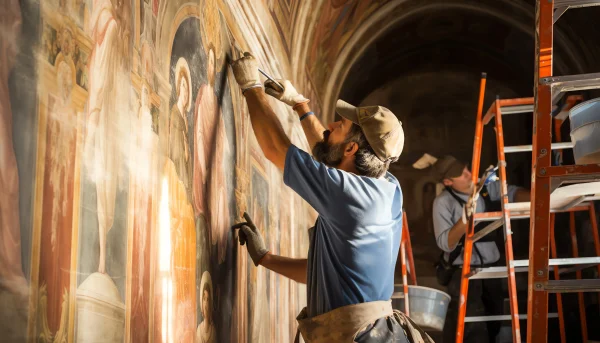
Rips and tears in a canvas represent a major structural crisis for any artwork in a private collection. In the past, restorers glued a whole second canvas to the back, which often caused the original to warp. Today, as Getty describes, painting restoration experts prefer the thread-by-thread method to realign broken fibers under a binocular microscope, using surgical tools. They reweave individual broken fibers using specialized adhesives like sturgeon glue to restore strength. This surgery maintains the flexibility of the original fabric and avoids adding unnecessary weight to the frame. Focusing on the specific area of damage allows the restorer to preserve the original texture of the canvas back. This modern alternative to aggressive relining keeps the piece as light and authentic as possible. It requires incredible patience and a steady hand, but the results remain nearly untraceable to the naked eye. This method ensures the painting hangs safely.
Addressing Canvas Tension and Stretcher Bar Failure
The Smithsonian explains that fabric paintings sit on stretchers with keys that adjust fabric tension and prevent bulges and creases, meaning this wooden frame behind the canvas acts as the skeleton of the artwork. Over time, wood dries out and loses its strength, or it warps due to changes in the air. Museums Galleries Scotland states that canvas becomes slack, distorts, or tears, so when the stretcher fails, the canvas sags and causes the dry paint to crack and flake off.
Restorers must stabilize these structural components to protect the longevity of the paint layer on the front. They often add keys to the corners to tighten the tension or replace old wood with archival-grade materials. This structural work happens behind the scenes but determines whether the painting survives the next fifty years. A stable support system prevents the mechanical stress that leads to spider-web cracks in the oil film. Ensuring a consistent tension across the fabric keeps the image flat and prevents the waves that distort aging heirlooms.
Climate Defense Using Museum-Grade Archival Storage
Fluctuations in the environment cause more damage to art than almost any other factor in a home. Canvas and wood expand when it is humid and shrink when the air is dry. This constant movement snaps the brittle paint layers on top, leading to permanent cracking over several seasons. Archival storage standards prioritize stability over absolute temperature readings in a room. What method stores oil paintings best? The gold standard involves keeping them in a climate-controlled environment (65–70°F) and using vertical storage racks to avoid pressure. Storing them in a stable interior room away from exterior walls and direct light sources minimizes the risk of warping. High humidity also starts mold growth, which eats through the organic fibers of the fabric in days. Maintaining a steady humidity level protects the chemical bonds for the long term.
Vertical Racking and Acid-Free Protective Barriers
Proper storage demands a cool room along with the right physical barriers for the art. Collectors use vertical racking systems to keep paintings from leaning against each other in a closet. When frames stack in a pile, the weight creates stretcher marks on the bottom canvases that require difficult repairs. Acid-free materials like glassine paper and buffered boards prevent chemical transfer between the artwork and its surroundings. These protective layers stop dust from settling in the cracks of the paint while allowing the materials to breathe. Specialized racking allows for easy inspection without needing to move multiple heavy frames at once. Using these professional tools prevents accidental scratches and physical abrasions during periods when the collection rests off display. These simple adjustments to storage add decades to the life of the objects in a collection.
Proactive Planning for Long-Term Heirloom Safety
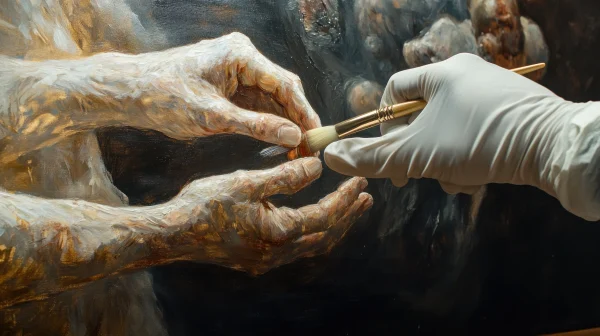
Owners schedule maintenance long before a crisis occurs to save money and history for the family. Scheduling a professional review every five to ten years allows an expert to catch microscopic issues before they worsen. They look for tiny lifting of the paint or the very beginning of a mold colony under the frame. These early check-ups function like a medical physical for the artwork to ensure long-term health. Catching a problem early usually means a simple fix rather than a full-scale painting restoration project later. This maintenance mindset prevents the need for invasive surgeries that alter the look of the piece. A professional also advises on whether the current hanging location protects the art from UV light or heat vents. These visits build a relationship with a conservator who knows the specific history of the whole collection.
Disaster Preparedness for Private Art Collections
Emergencies like floods or fires require a pre-set plan to prevent total destruction of a family collection. Every home collector needs a priority list of which pieces to save first in a crisis. Families store this list in a waterproof digital file for safety, ensuring easy access. Disaster preparedness also includes knowing which local experts handle emergency stabilization after water damage occurs. Quick action within the first 24 hours often determines whether a soaked painting survives or if the paint fails. Owners check their insurance policies to ensure they cover the cost of professional art conservation after a disaster. Having these protocols in place serves as the final layer of protection for a curated collection. It turns a potential tragedy into a manageable situation where the objects have a chance.
Maximizing Financial Value with Painting Restoration
Professional treatments improve the look of a piece and protect its financial future. Auction houses and high-end galleries require clean condition reports before they even list an artwork for sale. A painting that looks dark or damaged scares away potential buyers who fear the extra costs of repair. When an owner invests in certified painting restoration, they increase the liquidity of the asset in the market. This action makes the painting much easier to sell at its full market value to a collector. Buyers feel confident when they see a history of professional care and archival storage documented by experts. Strategic cleaning reveals a signature or a level of quality that grime previously obscured. Investing in the health of the art ensures that the family legacy remains a valuable financial asset.
Balancing Restoration Costs Against Appraisal Gains
Deciding when to fix a piece requires a careful look at both the bill and the final value. Not every painting needs a full overhaul, and a good expert explains where to spend the money. In many cases, a simple cleaning and stabilization provide a massive jump in the appraised value of the work. Collectors weigh the emotional significance of a family heirloom against the technical costs of saving it. Ironically, doing nothing often costs more in the long run as the damage spreads and becomes harder to treat. High-quality restoration often pays for itself by preventing total loss and enhancing the visual appeal of the work. Analyzing the market data for an artist helps a collector make a smart business choice for the family. This balance of sentiment and science ensures that the investment remains sound while the history stays clear.
Preserving History with Professional Painting Restoration
Protecting a family's history demands active stewardship and planning alongside good intentions. The combination of art conservation, smart archival storage, and disciplined management of curating and collections creates a solid safety net. Painting restoration secures the artwork physically and serves as an act of care that ensures family stories remain clear and bright for the next century. Addressing the physical needs of these objects now prevents the slow decay that otherwise claims every piece of fabric. This work honors the original artist and the generations who cherished the image since the artist created it. Families treat heirlooms with the respect they deserve when they partner with professionals early. Investing in preservation today ensures that the light of the past continues to shine brightly.
Recently Added
Categories
- Arts And Humanities
- Blog
- Business And Management
- Criminology
- Education
- Environment And Conservation
- Farming And Animal Care
- Geopolitics
- Lifestyle And Beauty
- Medicine And Science
- Mental Health
- Nutrition And Diet
- Religion And Spirituality
- Social Care And Health
- Sport And Fitness
- Technology
- Uncategorized
- Videos

