
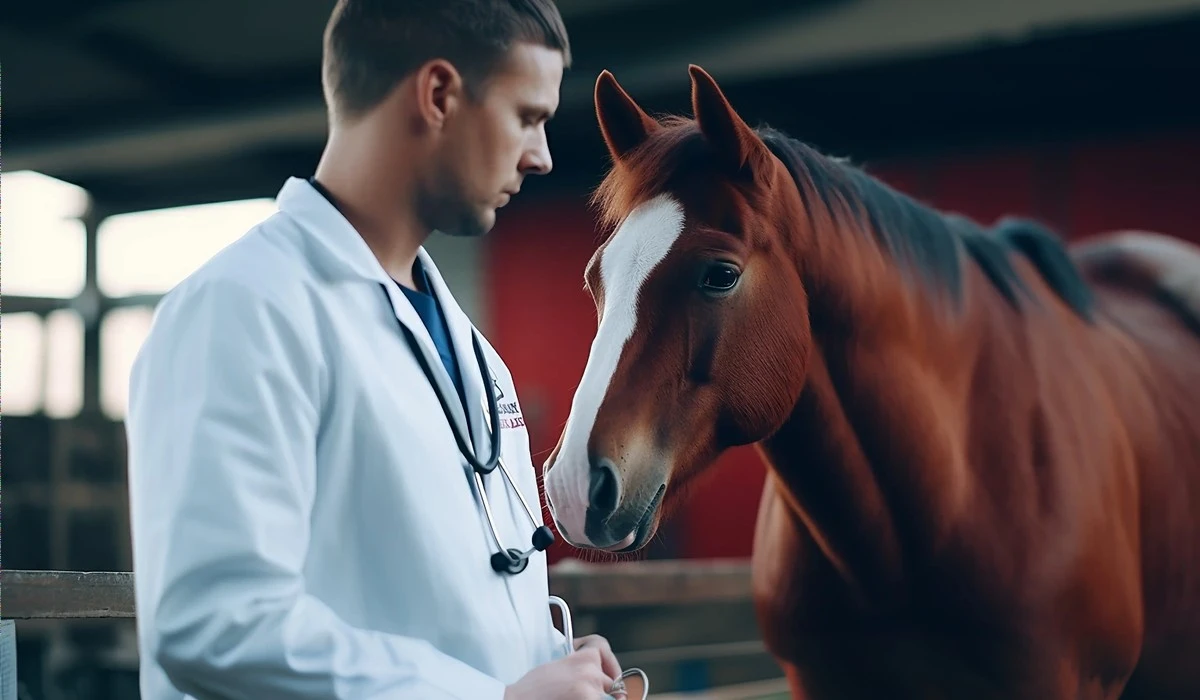
Happy Horses Require Strict Equitation Science
Riders often pull harder on the reins when a horse spooks, instinctively trying to force submission. This harsh reaction ignores a basic biological reality. A prey animal interprets physical restriction as a predator attack. The horse immediately activates an intense flight response to survive the perceived threat. Fear takes over the equine brain completely. Frustrated trainers then label the panicked animal as disobedient or stubborn.
According to a publication on ResearchGate, the long-held belief that human dominance and equine submission ensure successful traditional horse training relies heavily on guesswork and human emotion, creating unnecessary conflict inside the arena. Objective behavioral principles offer a reliable alternative. Trainers who abandon dominance theories find a clearer path to partnership. A deeply trusting bond demands predictable, empathetic communication alongside clear behavioral boundaries. The discipline of equitation science replaces outdated myths with verifiable data. Handlers gain the ability to read subtle behaviors accurately and respond without aggression.
Equitation Science Creates Clear Communication
Equitation science completely changes daily interactions between humans and horses. The International Society for Equitation Science outlines ten first principles of horse training to establish clear guidelines that ensure ethical handling practices. These guidelines merge behavioral psychology with practical riding techniques. Every touch, cue, and release carries a specific meaning for the horse. Clear signals reduce anxiety and promote faster learning. Riders who understand these concepts stop blaming the animal for miscommunications. The same ISES guidelines state that high arousal and absent reinforcement cause stress and negative emotions, whereas modern equine studies prove that consistency builds a foundation of absolute safety.
Research published in PubMed demonstrates that emotions and welfare dictate how horses perceive their environment, meaning a calm animal learns difficult maneuvers easily, whereas a stressed horse focuses solely on survival. An evidence-based approach removes frustration from the saddle. Equestrians achieve harmony through a language the horse inherently understands. This scientific framework paves the way for a truly relaxed trail ride or a flawless dressage test. Evidence-based methods guarantee long-term equine well-being.
What Exactly Is Equitation Science?
Modern equine studies blend behavioral psychology with physical biomechanics to decode equine actions. Understanding natural behaviors allows equestrians to communicate with ultimate clarity. Australian researchers Dr. Paul McGreevy and Dr. Andrew McLean pioneered this objective approach to animal handling. They combined ethology with cognitive learning theory. This discipline evaluates traditional methods using strict quantitative measurements. For example, rein tension meters reveal that humans cannot accurately gauge the exact force applied to a bit. Riders often apply far more pressure than they realize, causing unintentional pain. As equestrians explore these concepts, curiosity naturally arises regarding the ultimate purpose. What is the main goal of equitation science? The primary goal is to improve horse welfare and rider safety through evidence-based training methods that align perfectly with equine psychology. This baseline understanding sets the stage for success.
How Equitation Science Changes Horse Training
Traditional horse training methods rely heavily on achieving dominance over the animal. Many handlers believe humans must act as the alpha to gain respect. Recent equine studies completely debunk this widespread myth. Horses do not form predator-based hierarchical pack structures like wolves or dogs. They seek safety above all else and respond through the path of least resistance. Attempting to mentally dominate a horse breeds severe fear. Physical force creates an illusion of compliance while masking deep internal distress. True equitation science rejects these outdated alpha theories entirely. Active clear communication and absolute consistency build lasting partnerships for trainers. A fearful horse shuts down cognitively and loses the ability to process new information. Understanding this biological reality forces equestrians to discard aggressive techniques. Compassionate leadership prioritizes building confidence and establishing clear, logical boundaries.
The Rules of Reinforcement
Equitation science relies heavily on the precise rules of reinforcement to shape behaviors. According to the National Center for Biotechnology Information, when trainers apply pressure through a lead rope or rein, the horse seeks to escape the discomfort, and an immediate release upon compliance reinforces the action. The term simply describes a mathematical removal of an aversive stimulus. Riders squeeze their legs, and the moment the horse steps forward, the riders relax their muscles.
Positive and negative reinforcement terms describe arithmetical additions or subtractions. They never serve as moral judgments of good or bad practices. Ethical horse training demands that applied pressure never induces pain or sparks fear. Extreme discomfort blocks the cognitive pathways required for memory retention. This same NCBI publication notes that horses quickly learn to anticipate and respond to cues predicting pain or pressure, meaning the instantaneous release teaches the animal exactly which action earns comfort. Empathy combined with scientific precision makes pressure-and-release techniques a highly effective communication tool. Equestrians encourage eager cooperation when perfecting these basic learning concepts.

The First Pillar of Trust: Understanding Equine Cognition
A horse perceives the world through the hyper-vigilant lens of a prey animal. The equine amygdala constantly scans the environment for potential predator threats. This hardwired flight response values immediate safety above every other concern. Punishing a frightened horse destroys any existing foundation of trust. Systematically guiding an anxious animal through scary situations builds a lasting connection. Handlers must exercise immense patience when navigating equine instincts. New trainers frequently question the lasting effects of early mistakes.
Do horses remember bad experiences?
A study published in PubMed investigating whether horses maintain memories of humans based on previous interactions confirms they possess highly developed long-term memories for negative events, causing harsh handling to create deep-rooted behavioral issues. This same study concludes that a single exposure to intense fear severely impairs the ability to consolidate positive memories. Applying equitation science requires acknowledging these cognitive limitations. Objective empathy replaces harsh punishments with calm, predictable guidance.
Applying Learning Theory in the Arena
The Equitation Science Training Scale requires equestrians to break advanced movements into single trainable units. Shaping behavior involves rewarding tiny increments of progress during every session. Riders establish basic obedience of the horse's legs before addressing rhythm or head carriage. A scientific approach defines obedience as an immediate response to a single light aid. Teaching a horse to load into a trailer requires breaking the task into microscopic steps. The handler rewards the animal for simply looking at the ramp. Next, the trainer praises the horse for placing one hoof on the metal surface. Expecting the animal to perform an advanced task perfectly on the first try creates immense frustration. Shaping systematically removes confusion from the horse training process. Celebrating small victories and actively ignoring inevitable minor mistakes builds tremendous confidence for handlers.
Timing The Releases
Biological learning theory dictates that the exact moment of release determines what the horse learns. Trainers must remove applied pressure within three seconds for the animal to form a connection. Relying on equitation science ensures the rider applies biologically appropriate timing. A delayed release technically functions as positive punishment in the equine brain. This delay causes severe confusion and makes desired behaviors less likely to occur. Correct instantaneous timing causes a massive burst of dopamine within the horse's neurological system. This specific neurotransmitter directly controls motivation and memory retention. Perfecting the release timing requires intense focus and physical coordination from the equestrian. Sloppy handling leaves the animal guessing about the correct answer. Temporal contiguity proficiency separates average riders from exceptional horsemen. Immediate relief of pressure guarantees that the animal eagerly anticipates the next cue.
Recognizing the Signs of Stress vs. Relaxation
Equitation science relies heavily on objective observation to gauge the success of a lesson. Researchers developed the Equine Facial Action Coding System to document subtle facial movements. Modern equine studies prove that horses exhibit emotional stress through specific physiological markers. Handlers often miss important warning signs like eye wrinkles, tight muzzles, and shallow breathing. Scientific monitoring links an increased inner brow raiser directly to heightened anxiety. Abnormal blink rates also serve as non-invasive measures of emotional discomfort or physical pain. Conversely, authentic signs of relaxation include licking, chewing, and a noticeably softened neck posture. Riders must learn to read these micro-expressions accurately during every single interaction. Ignoring tension leads to explosive behavioral problems down the road. Observant equestrians adjust their methods the moment they detect early signs of distress. Recognizing subtle cues protects the horse entirely.
The Danger of Learned Helplessness
Traditional riding schools often misidentify a completely shut-down horse as relaxed or bomb-proof. Relentless, unavoidable pressure with no clear release forces the animal into a state of learned helplessness. The horse becomes entirely apathetic and stops trying to find an escape from the discomfort. Equitation science helps riders identify and reverse this quiet form of severe emotional distress. A genuinely relaxed animal displays active curiosity and soft, fluid movements. A shut-down horse exhibits a stiff body, dull eyes, and mechanical responses. Exposing animals to inescapable shock or stress deeply damages their psychological well-being. Trainers must ensure every cue comes with a guaranteed and achievable release. Ethical horse training prioritizes active, willing participation over robotic obedience. Restoring the emotional health of a shut-down animal requires months of predictable, pressure-free interactions. True partnerships thrive on mutual enthusiasm.
Building a Better Bond Outside the Saddle
Deep equine partnerships start firmly on the ground long before a rider mounts. Equitation science relies on habituation to desensitize horses to everyday grooming tools and clippers. Systematic desensitization gradually exposes the animal to feared stimuli strictly below the panic threshold. This careful process allows the brain to build positive associations without activating the flight response. Modern equine studies use heart rate variability monitors to track physiological arousal during basic handling. High arousal directly correlates with negative emotional states and severe anxiety. People new to this approach often ask about the timeline for success. How long does it take to build trust with a horse? Building trust depends on the horse's past history, but consistent, scientifically sound interactions establish a reliable foundation in just a few weeks. Every single daily interaction reinforces absolute safety.
Basics Build Trust and Control
Establishing clear boundaries during basic unmounted training prevents dangerous behavioral issues from developing under saddle. Handlers who lead their horses with consistent cues eliminate confusion before the ride begins. Unmounted exercises teach the animal to yield to light pressure without experiencing any panic. Implementing these scientific principles makes routine tasks like veterinary exams or farrier visits stress-free events. A horse learns to stand quietly because it understands the physical requirements of the requested behavior. Objective tracking tools confirm that heart rates drop significantly when handlers use predictable body language. Consistency remains the most critical factor in successful horse training programs. Rewarding small signs of relaxation on the ground builds an unbreakable psychological safety net. Equestrians who prioritize these foundational skills encounter far fewer resistance problems. Science proves that trust requires constant nurturing through calm, deliberate daily routines.
Overcoming Common Behavioral Roadblocks
Research published by the University of Edinburgh notes that unclear or conflicting cues from the rider cause certain behaviors in the ridden horse, terming them conflict behaviors. Equitation science completely redefines these unwanted actions like rearing, bucking, or tail-swishing as dangerous reactions resulting largely from the application of simultaneous opposing signals. Riders often kick the horse to go forward while simultaneously pulling the reins to slow down.
The equine brain cannot process two conflicting commands at the exact same time. A major study of dressage horses found conflict behaviors present in nearly every movement. This statistical prevalence heavily indicates that unclear cues cause the majority of performance issues. Handlers must objectively view resistance as a direct symptom of intense confusion or severe physical pain. Unfairly blaming the animal's personality blocks the trainer from finding a logical, effective solution. Clear communication requires separating rein aids entirely from leg aids. Giving one signal at a time eliminates frustration and restores the animal's natural willingness.

Re-training the Anxious Horse
Safely rehabilitating a nervous or traumatized horse demands strict adherence to biological learning theory. Equitation science provides a reliable framework for replacing ingrained panic with clear communication. Trainers must systematically ensure they never use overlapping signal sites during the retraining phase. The handler applies a single light cue and waits patiently for the correct response. Rushing this delicate process instantly activates the horse's deeply rooted flight instincts again. Progressive rehabilitation breaks every movement down into the smallest possible understandable steps. The equestrian rewards the slightest effort to try, building the anxious animal's shattered confidence. Erasing years of harsh handling takes immense dedication, but science guarantees eventual success. Objective evaluation prevents the rider from accidentally pushing the horse past its emotional threshold. A predictable, consistent approach makes a trembling prey animal a bold, willing partner.
Sealing the Bond with Equitation Science
True equine partnerships flourish when handlers replace emotional guesswork with verifiable behavioral facts. Objective empathy forms the basis of a deeply rewarding relationship between humans and horses. The discipline of equitation science provides an infallible roadmap for clear, compassionate communication. Handlers who adopt these principles actively protect their animals from unnecessary mental distress. Recognizing subtle signs of tension allows riders to adjust their methods before conflict escalates. Replacing dominance theories with precise reinforcement rules highly improves every single ride. Learning to speak the horse's biological language requires ongoing observation and immense dedication. Every training session presents a fresh opportunity to reinforce safety, predictability, and mutual respect. Equestrians must commit to evaluating their own riding habits through a strict scientific lens. Embracing this progressive mindset ensures the animal remains relaxed, confident, and eager to perform.
Achieving Harmony Through Science-Based Horsemanship
Changing a tense prey animal into a trusting companion represents the ultimate equestrian achievement. Implementing evidence-based methods eliminates the frustrating roadblocks that plague traditional horse training programs. Riders find immense joy when they finally decode the subtle nuances of equine body language. The process requires humans to leave their ego completely outside the arena gates. Prioritizing the psychological welfare of the animal elevates the entire standard of horsemanship. Every handler holds the power to change an animal's life when adopting a scientific approach. Modern equine studies offer all the necessary tools to achieve perfect harmony in the saddle. Implementing just one new learning principle today creates immediate improvements in performance and relaxation. The pursuit of knowledge never truly ends for dedicated horsemen. Empathy backed by objective data guarantees a lifetime of beautiful, stress-free rides.
Recently Added
Categories
- Arts And Humanities
- Blog
- Business And Management
- Criminology
- Education
- Environment And Conservation
- Farming And Animal Care
- Geopolitics
- Lifestyle And Beauty
- Medicine And Science
- Mental Health
- Nutrition And Diet
- Religion And Spirituality
- Social Care And Health
- Sport And Fitness
- Technology
- Uncategorized
- Videos

