

Healing Chronic Neck Aches With Cupping Therapy
Staring at a computer screen for eight hours forces neck muscles to burn through oxygen faster than the body replaces it. This creates a deeply starved area of tissue known as ischemia. People often try stretching or aggressively rubbing sore shoulders. Pushing down on inflamed tissues compresses them even further. Muscles clamp down tightly to protect themselves from the added pressure. Medical professionals call this modern repetitive strain video display terminal syndrome.
The sharp tightness felt comes directly from stagnant blood trapped deep inside muscle fibers. Reversing this damage requires lifting the tissue to create valuable space. According to a report by Reuters, cupping therapy traces its origins to ancient Egyptian, Chinese, and Middle Eastern cultures, with texts like the Ebers Papyrus dating back to 1550 BCE. As noted by the NCCIH, the practice utilizes a unique suction method on the skin, sometimes called myofascial decompression; however, the precise biological pathway of physically pulling stagnant blood away from tired, aching cervical spine regions remains scientifically unestablished.
Understanding the Root Causes of Chronic Neck Strain
The human neck supports the heavy weight of the skull using a detailed network of delicate muscles. Staring down at phones or hunching over keyboards constantly forces these muscles to work overtime. This relentless workload reduces vital blood circulation to the cervical spine area over several months or years. The lack of oxygenated blood causes painful micro-tears in the muscle belly. Connective tissues dry out and harden around the injured site to stabilize the vulnerable joints. This structural stiffness severely limits the daily ability to turn the head side to side. Grasping this specific biological process reveals why temporary fixes fail to provide lasting relief. The root cellular dehydration and lack of local circulation must be addressed to truly heal the chronic strain. Rebuilding this damaged area requires specialized techniques designed specifically to expand tissue.
The Role of Fascia in Neck Stiffness
Fascia forms a connected, web-like network of connective tissue surrounding every muscle and organ inside the body. Healthy fascia remains highly hydrated, allowing neck muscles to glide smoothly past each other during movement. Poor posture and repetitive strain rapidly dehydrate this protective layer. The dried tissue develops thick adhesions that act exactly like strong glue binding muscles together. These sticky adhesions trap local nerves and restrict normal cervical mobility. Every attempt to look over the shoulder forces the glued fascia to pull against surrounding inflamed tissues. This friction is experienced as a sharp, shooting pain near the upper trapezius. Breaking apart these stubborn adhesions demands a precise physical intervention to separate the stuck layers. Restoring proper hydration to the fascial network ultimately allows neck joints to move freely again without debilitating friction.
Why Traditional Massage Sometimes Falls Short
Traditional massage relies heavily on applying firm, downward pressure directly into stiff muscles. Therapists use their hands to physically crush tension knots and force the tissue to relax. Pushing down onto an already inflamed, swollen neck often causes an intense defensive reaction from the nervous system. Sensory organs detect the heavy mechanical pressure as a new physical threat. Muscles reflexively tighten even further to shield the delicate cervical spine from perceived damage. This defensive clamping explains why people sometimes feel significantly worse the day after a deep tissue session. Cupping therapy functions essentially as a massage in reverse. The cups lift the skin away from the muscle to instantly alleviate excessive mechanical pressure on sensory organs. This gentle separation stops pain signals and finally allows tense neck muscles to fully disengage.
How Cupping Therapy Physically Alters Muscle Tissue?
Practitioners use medical-grade silicone or glass cups to create a targeted vacuum directly over the stiffest neck joints. This intense negative pressure physically pulls the skin, muscle, and base fascia upward. Does cupping therapy hurt? While the suction creates a tight pulling sensation, it is rarely described as painful and typically feels like a deep, relieving massage. The physical lift initiates a biological phenomenon known as hyperemia. According to a study published in PubMed, the suction successfully enhances tissue blood flow, instigating capillary changes and localized rupture that flood the starved tissue with fresh oxygen. Total haemoglobin levels rise drastically within just an eight-minute clinical session. This sudden rush of nutrient-dense fluid actively washes away accumulated metabolic waste causing discomfort. Cupping therapy expertly uses this lifting action to create essential physical space within the crowded cervical spine area. Muscles instantly receive the nourishment required for optimal daily function.
Stimulating Cellular Repair
The powerful vacuum suction intentionally induces controlled micro-trauma across the surface of tense neck muscles. Medical experts often refer to this highly calculated process as sterile inflammation. This microscopic damage immediately signals the brain to send emergency repair responses to the targeted location. The body responds with the release of localized fibroblasts, which act as specialized connective tissue cells designed to rebuild broken muscle fibers. The targeted suction simultaneously initiates angiogenesis within the stiffest parts of the upper back. Angiogenesis involves the rapid formation of entirely new blood vessels from pre-existing healthy ones. These newly formed pathways permanently improve local circulation and accelerate the healing of chronic micro-tears. The neck regains structural integrity much faster than it could through simple rest. The biological response actively reconstructs the damaged cellular environment inside the tightest, most painful muscle knots.
Exploring Hijama and Traditional Wet Cupping
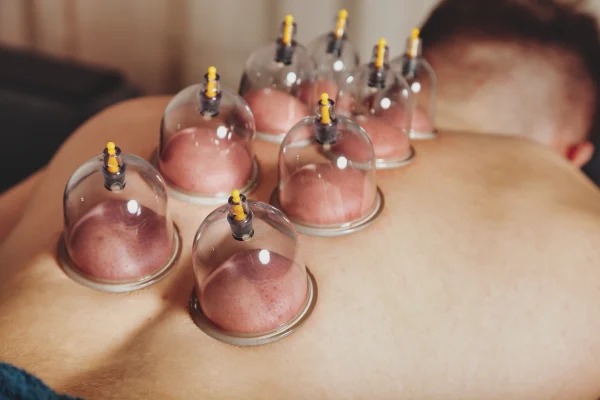
Modern athletes popularize these striking circular marks today, but the foundational practice boasts ancient, deeply respected roots. Practitioners of Unani medicine traditionally refer to this specific therapy as hijama. The term derives directly from the Arabic word Hajm, which simply translates to the act of sucking. Ancient texts show the Islamic Prophet Muhammad heavily recommended the practice for maintaining physical health and treating chronic soreness. Traditional practitioners originally utilized hollowed-out animal horns to treat painful boils and extract dangerous snake venom. The methodology eventually evolved to utilize bamboo and glass vessels for more precise applications. The traditional wet method remains highly revered for its unique ability to physically extract stagnant blood from the deepest tissue layers. Comprehending these rich historical origins helps explain why millions of patients globally trust this intense physical therapy for severe upper back tension.
Dry Cupping vs. Wet Cupping
Modern clinics generally offer two distinct clinical variations to address specific levels of physical pain. Dry cupping relies exclusively on applying negative suction to leave the skin completely intact. Therapists use this non-invasive approach primarily for standard muscular decompression and mobilizing vital energy flows. Wet cupping requires a much more precise, two-step clinical process. The practitioner initially applies suction to deliberately accumulate old blood at the very surface of the skin. A sterilized medical lancet is then used to make incredibly microscopic incisions across the localized area. Reapplying the cup physically extracts tiny amounts of clotted blood and highly inflammatory fluid from the microcirculation compartment. This targeted extraction aggressively removes morbid matter that blocks normal cellular function. Evidence documented in PubMed demonstrates that wet cupping offers promising benefits for musculoskeletal discomfort, making it a preferred method for patients seeking rapid relief from severe cervical tension.
Top Cupping Benefits for Cervical Spine Health
Research published in PMC reveals that cupping therapy directly diminishes neck pain compared to active control groups, offering specific neurological advantages that conventional stretching simply cannot replicate. Clinical studies on cervical spondylosis show this unique therapy directly alters the biomechanical properties of the skin. This alteration dramatically increases the immediate pain threshold. How long does it take for cupping to work? A study featured in PubMed suggests that cupping massage effectively lessens pain and boosts both daily function and quality of life for individuals dealing with chronic, non-specific neck stiffness, leading to immediate noticeable reduction in tension after the first session and cumulative relief over weeks.
The suction successfully reduces local Substance P, a powerful neuropeptide directly responsible for transmitting pain signals to the brain. Blocking these relentless signals gives the overactive nervous system a desperately needed break. Experiencing these immediate cupping benefits makes it significantly easier to perform daily physical therapy exercises. Neck joints finally possess the necessary space to move without sparking sharp, agonizing resistance from surrounding muscle fibers.
Rapid Inflammation Reduction
Chronic internal swelling creates a constant feeling of heat and uncomfortable pressure along the upper shoulders. The intense suction acts exactly like a powerful localized vacuum for the struggling immune system. It forcefully draws healing white blood cells directly toward the heavily afflicted neck region. These specialized cells immediately begin attacking the damaged tissue and cooling down deep muscular inflammation. The negative pressure simultaneously facilitates rapid lymphatic drainage throughout the surrounding swollen areas. This important biological process physically pulls microscopic cellular debris and stagnant fluid out of the tight muscle belly. The lymphatic system then safely flushes these harmful toxins completely out of the body. Actively clearing this trapped debris drastically reduces the persistent swelling that causes chronic daily aches. A deep sense of lightness replaces the heavy, agonizing tightness in the upper back.
Restoring Range of Motion
Living with a stiff neck eventually forces a person to twist the entire torso just to check a blind spot while driving. This massive restriction occurs because tight fascial layers firmly lock cervical joints into a rigid, painful position. Decompressing these exact tissues physically stretches the shortened fascia and rapidly relieves the base mechanical tension. The targeted lifting action safely restores the important natural gliding motion between separate muscle groups. Patients experience a highly quantifiable, immediate improvement in overall ability to turn the head. The freedom to look up, down, and sideways returns without encountering sharp, shooting pains. This restored range of motion dramatically improves overall quality of life and prevents secondary injuries. Releasing the physical restraints on joints allows the spine to finally function with its natural, healthy fluidity and pain-free grace.
What to Expect During Cupping Therapy Sessions
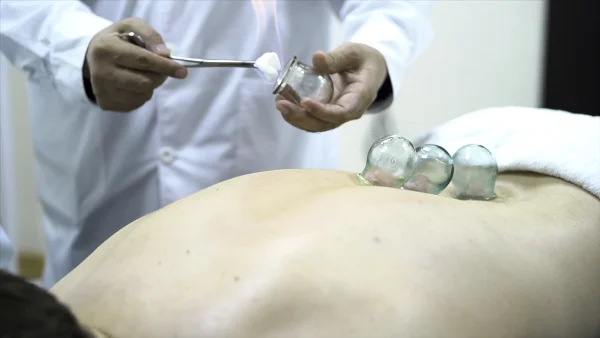
Walking into a first clinical appointment might feel slightly intimidating if the practice is only known through intense viral photographs. Practitioners purposefully design the entire experience to remain highly relaxing and medically precise. A standard session directly targeting the tight cervical region typically lasts between five to ten minutes. Therapists establish the required vacuum either mechanically through a handheld pump or thermally using a traditional flame. Fire methods involve quickly inserting a small flame into a glass vessel to actively de-oxidize the interior air. The practitioner immediately places the warm glass onto the skin before the air naturally cools and creates suction. A firm upward pull on upper back muscles is felt, followed by deep, spreading warmth. The professional constantly monitors comfort levels to ensure the pressure perfectly matches specific physical tolerance.
The Assessment and Cup Placement
Every effective clinical treatment begins with a thorough physical assessment of individual posture and pain sources. The therapist carefully palpates the muscles along the cervical spine to accurately identify the most severely restricted areas. Dense tension points, which feel exactly like hardened marbles buried deep beneath shoulder skin, are actively located. Identifying these precise epicenters of tension guarantees maximum relief once suction begins. The practitioner strategically places the cups directly over these hyper-irritable spots to force glued tissues apart. Placing vessels precisely along the upper trapezius ensures the resulting blood flow targets the most damaged microscopic fibers. This highly calculated mapping prevents unnecessary discomfort and maximizes the therapeutic effect on the stiffest joints. A highly customized treatment plan is provided to address the exact pattern of chronic daily muscle pain.
Gliding Cupping vs. Static Cupping
Therapists utilize two completely different movement techniques depending on the size and stubbornness of tense muscles. Static placement involves leaving suction vessels completely stationary over heavily concentrated tension points for several minutes. This localized method maximizes fascial separation right above the most intensely painful neck joints. Conversely, moving techniques address much wider areas of rigid, stiff tissue simultaneously. The practitioner applies a smooth emollient lotion or high-quality therapeutic oil generously across shoulders and back. The suctioned silicone cups are then gently slid in sweeping, circular motions along tense muscle pathways. Moving the negative pressure physically irons out broad sheets of restrictive connective tissue across the upper spine. Combining both stationary and moving techniques in a single session rapidly breaks down incredibly stubborn tension from multiple therapeutic angles.
Combining Treatments for Maximum Neck Pain Relief
Relying on a single therapeutic method rarely solves severe physical ailments entirely on its own. Cupping therapy functions most effectively when strategically integrated directly into a much broader, comprehensive bodily recovery program. Treating severe tech-neck requires addressing both tight muscles and the poor habits causing daily damage. Stacking multiple modalities significantly compounds the overall healing effects on chronic, stubborn knots in the upper shoulders. Medical professionals frequently combine tissue decompression with targeted strengthening programs to ensure the pain never returns. Removing the immediate structural restriction gives the body the necessary freedom to adopt proper, healthy postural habits again. A resilient, strong cervical spine is built through the active combination of passive clinical treatments with intentional daily physical movement. This holistic strategy prevents minor stiffness from slowly escalating back into a severely debilitating muscular injury.
Integrating Acupuncture or Myofascial Release
Advanced practitioners frequently blend exact therapies like needle cupping into a single, highly potent clinical appointment. Therapists first insert hair-thin acupuncture needles into the tightest neck muscles to initiate an initial nervous system response. Suction vessels are expertly placed directly over these embedded needles to exponentially multiply targeted blood flow. Clinical studies heavily note that combining ear acupuncture with localized decompression effectively manages chronic spinal pain much faster. Adding standard myofascial release stretches between these active suction intervals maximizes the overall physical expansion of connective tissues. The therapist manually stretches previously glued layers while the muscles remain warmly flooded with fresh oxygen. This aggressive, multi-layered approach dramatically softens the hardest, oldest tension knots buried deep inside the aching upper back. Tired muscles cannot resist this highly coordinated, scientifically backed physical intervention.
Essential Ergonomic Adjustments
Clinical treatment ultimately fails if a return is made directly to the exact poor posture that originally caused the injury. Combining tissue therapy with osteopathic postural realignment permanently solves the dreaded tech-neck posture damaging the delicate cervical spine. The process begins by physically raising the computer monitor until the top third of the screen precisely matches eye level. This simple adjustment stops the head from tilting downward and compressing frontal neck structures. The keyboard should be positioned closer to the body so elbows rest comfortably at a relaxed ninety-degree angle. Hips should be pushed fully back into a supportive office chair to maintain a natural lumbar curve. Supporting the lower back removes unnecessary structural pressure from vulnerable upper shoulders. These vital environmental changes secure the pain relief achieved.
Aftercare and Maintaining a Pain-Free Neck
Proper post-session protocols determine how effectively the body flushes out the toxic blood mobilized during treatment. Adequate hydration remains essential to assist the lymphatic system in filtering loosened metabolic waste. Drinking plenty of water helps safely expel excessive uric acid released into the bloodstream. Rest is recommended, with avoidance of intense physical workouts for at least twenty-four hours. How long do cupping marks last? The NCCIH notes that circular bruises usually fade within three to seven days depending on circulation and stagnation levels, though potential side effects include persistent skin discoloration, scars, burns, and infections. The distinctive dark circles indicate that stagnant blood has moved away from injured joints. Keeping the neck warm with a scarf helps protect sensitive muscles from cold drafts during healing.
Gentle Post-Cupping Stretches
The vacuum therapy mimics the physiological benefits of long-duration static stretching without causing tearing pain. Immediate, controlled physical therapy prevents newly separated fascial layers from re-adhering. Gentle chin tucks help maintain the physical space created within the upper cervical spine. Sitting upright and pulling the chin straight back, forming a double chin, is effective. Holding this position for five seconds stretches small muscles at the skull base. This routine can be followed by gently tilting the head so the ear moves toward the shoulder until mild tension is felt. These targeted movements help preserve the restored flexibility achieved through therapy.
Reclaiming Comfort with Cupping Therapy
Living with persistent cervical tension drains daily energy and limits physical activity over time. Dependence on temporary muscle relaxants or aggressive deep tissue massage is not necessary. Cupping therapy provides a powerful, non-pharmacological intervention for restoring oxygen-deprived neck muscles. Activating the parasympathetic nervous system through targeted suction lowers excessive sympathetic activity. This shift allows deeply embedded muscle knots to release. A reliable method becomes available for clearing cellular waste and rebuilding damaged muscle fibers. Scheduling a consultation with a licensed practitioner can help restore long-term spinal mobility and support a pain-free daily life.
Recently Added
Categories
- Arts And Humanities
- Blog
- Business And Management
- Criminology
- Education
- Environment And Conservation
- Farming And Animal Care
- Geopolitics
- Lifestyle And Beauty
- Medicine And Science
- Mental Health
- Nutrition And Diet
- Religion And Spirituality
- Social Care And Health
- Sport And Fitness
- Technology
- Uncategorized
- Videos

