
Superior Bug Management With Entomology
A gardener walks into the garden and sees a chewed leaf. The first instinct often suggests grabbing a bottle of poison and spraying everything that moves. This knee-jerk reaction actually destroys the very help plants need to stay alive and produce fruit. When every crawling creature is wiped out, the natural security guards that keep a yard safe disappear. A thriving ecosystem becomes a desert, and soon it becomes clear that tomatoes will not grow well without help. This is where entomology changes the game for the modern grower. Instead of seeing a battlefield, the gardener begins to see a community that works together. Understanding how insects live and feed helps transform a dying patch of dirt into a productive space. The battle against nature ends, and cooperation with insects begins.
Expert Pest Control Through Entomology
Most people think of bugs as tiny monsters determined to steal a harvest. In reality, a garden relies on a detailed web of interactions that often goes unnoticed. Entomology provides the tools to manage this web without reaching for toxic chemicals every time a beetle lands on a squash blossom. Successful growers realize that total extermination actually invites more trouble because it leaves plants completely defenseless against the next wave of invaders. This blog post explores how the study of insects can guide pest management while keeping a yard safe for necessary pollinators. Gardeners can learn to recognize which bugs protect peppers and which ones actually threaten yield. Eventually, the backyard becomes a living community that rewards balance and observation over brute force.
Decoding Garden Entomology for Everyday Growers
Understanding the difference between a predator and a pest requires a closer look at backyard biology. According to the Royal Entomological Society, entomology is the study of insects, providing the exact roadmap needed to identify every visitor on the vines. Most gardeners mistake the jagged mandibles of an assassin bug for a threat, yet this creature actually hunts the beetles that eat crops. They must learn to recognize the compound eyes of these residents, which consist of thousands of tiny optical units called ommatidia. These specialized eyes allow insects to detect motion far faster than any human can. Garden entomology focuses on the study of insects in a garden to learn how they interact with plants and soil. Learning these basics helps protect the beneficial species that keep plants healthy and thriving.
Identify Beneficial Insects with Confidence
Identifying insects correctly prevents costly mistakes that could ruin an entire growing season. For instance, many people kill the larvae of ladybugs because they look like tiny black-and-orange alligators rather than the familiar round beetles. These larvae actually consume far more aphids than the adults, making them some of the most valuable allies in the fight against sap-sucking pests. Gardeners should also look for the long, thin bodies of syrphid fly larvae, which people often mistake for garden slugs. While the adult flies visit flowers as pollinators, their offspring spend their days hunting down hundreds of pests on leafy greens. Learning these specific visual cues allows a gardener to act as a precision manager rather than a broad-scale destroyer. Confidence grows once the role of each insect in the garden's daily life becomes clear.
The First Rule of Pest Management: Observation Over Chemicals
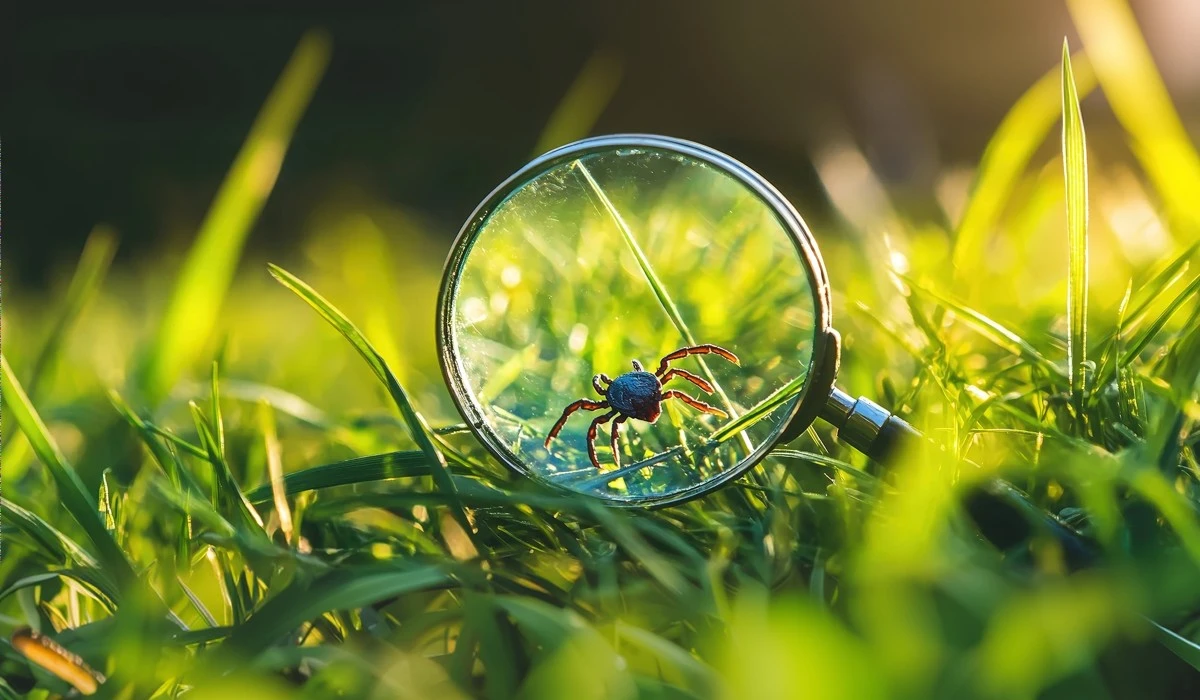
Effective pest management starts with a magnifying glass rather than a sprayer. A grower must establish an Economic Injury Level, which marks the point where pest damage costs more than the control itself. In a home setting, an Aesthetic Injury Level is more likely to determine when a plant looks too damaged to tolerate. Most growers reach for chemicals far too early because they fear a single hole in a leaf means total disaster. In reality, a healthy plant can often lose a small percentage of its foliage without any drop in fruit production. The NC State Extension Gardener Handbook suggests scouting the undersides of leaves twice a week to find egg clusters before they hatch into hungry larvae. Accepting a few chewed edges helps maintain a balance that supports predatory insects, which eventually clean up the infestation.
Practice Smart Pest Control with IPM
Integrated pest management relies on the ability to wait for the natural cavalry to arrive before intervening. Ironically, applying a broad-spectrum pesticide often kills the slow-moving predators first, while the fast-breeding pests bounce back even stronger than before. A simple count method can be used by checking ten random plants in the garden twice a week to track population trends. If the number of aphids rises while the number of ladybugs remains low, a soft intervention like a strong blast of water may be considered. This mechanical control knocks pests off plants without leaving any toxic residue that could harm bees visiting flowers. Maintaining this level of patience requires a shift in how a successful garden is defined. It becomes a place that grows vegetables while supporting a living community capable of protecting itself over time.
Utilizing Applied Entomology to Trap and Deter Invaders
Growers can outsmart hungry insects by using their own instincts against them through applied entomology. Research published in the National Library of Medicine notes that many growers use a strategy called trap cropping, where highly attractive decoy flowers lure pests away from vegetables. Nasturtiums serve as a perfect example because they draw aphids and whiteflies away from prized tomatoes and peppers. This simple trick can reduce damage on main crops by as much as fifty percent without using a single drop of pesticide. Physical barriers like fine mesh netting can also be used to block low-flying pests such as the Carrot Rust Fly. These screens only need to stand about two feet high to be effective because these specific flies stay close to the ground. Using these cultural controls keeps a garden productive while saving energy.
Use Natural Deterrents and Companion Planting
Beyond trap crops, specialized deterrents like French Marigolds can protect plant roots from hidden threats. These specific flowers release a chemical called alpha-terthienyl into the soil, which stops harmful nematodes from developing for several years. This technique demonstrates how applied entomology examines the entire plant, from roots to highest leaves. Aromatic herbs like mint or basil help deploy a push-pull strategy to repel certain beetles away from main crops. This method creates a confusing environment for pests that rely on scent to find their favorite foods. Meanwhile, high-nectar flowers can be planted on the edges of a property to pull those same pests toward a safer location. These strategies reduce reliance on chemicals while naturally increasing the health and vigor of garden beds.
Rolling Out the Green Carpet for Pollinators
To keep a garden buzzing with activity, it must be designed to offer food and shelter year-round. Pollinators look for nectar guides, which are UV patterns on flower petals that act like landing strips for bees. Because insects see ultraviolet light between 300 and 400 nanometers, they find flowers that appear plain to the human eye quite dazzling. Gardeners should plant at least three different flowering species for each season to ensure a steady supply of nectar from spring through fall. How can pollinators be attracted to a vegetable garden? They can be drawn in by planting native flowers in an uninterrupted succession and leaving small patches of bare soil for ground-nesting species. This method ensures that the garden remains a top destination for the bees and butterflies that increase vegetable yields and fruit quality.
Optimize Pollination with Bee Behavior
Understanding how bees navigate a yard can help determine the most effective placement of flowering plants. As reported in the National Library of Medicine, honeybees and many native pollinators use polarized light patterns to find their way home, even on cloudy days when the sun is not visible. They also exhibit a behavior called floral constancy, where an individual bee visits only one type of flower during a single foraging trip. This habit makes cross-pollination much more effective because the bee transfers the correct type of pollen from one blossom to the next. Planting large groups of the same flower species together takes advantage of this habit, rather than scattering them individually. This targeted approach makes it easier for pollinators to find the nectar they need while spending less energy flying between plants. The garden becomes a high-performance fueling station that rewards its caretaker with bigger harvests.
The Biological Control Army: Letting Good Bugs Do the Work
Nature provides its own tiny exterminators that can handle an infestation when given the right environment. History shows the power of this method, such as when Charles Valentine Riley saved the California citrus industry in 1888 using the Vedalia beetle. Gardeners can replicate this success by inviting green lacewing larvae, often called aphid lions, into the garden. Information from the University of Minnesota Extension indicates that a single larva can devour up to two hundred soft-bodied pests every week, making it more effective than many commercial sprays. Parasitic wasps also offer incredible help by laying their eggs inside pests like the Tomato Hornworm, eventually stopping the caterpillar from eating plants. When herbs like dill and yarrow are planted, they create the perfect home for these predators. These tiny warriors work for free, providing round-the-clock security for every leaf and stem in the backyard.
Create Habitat for Beneficial Insects
Creating the right habitat for beneficial insects involves avoiding sprays and providing supplemental food sources. Many predatory insects, like hoverflies and lacewings, eat other bugs only during their larval stage and rely on nectar as adults. If a garden lacks small, shallow flowers like dill, fennel, or yarrow, these predators will move elsewhere to find food. Including these insectary plants ensures that adult predators stay nearby to lay their eggs exactly where pests are most active. This biological control strategy turns a garden into a self-regulating space where intervention is rarely necessary. A gardener might even witness the remarkable sight of a parasitic wasp hovering over a caterpillar, ready to deploy its natural control method. Supporting these tiny creatures creates a permanent security force that keeps the garden safe throughout the entire growing season.
Rebuilding Soil Food Webs Through Smart Entomology
A healthy garden starts beneath the surface, where millions of tiny organisms process organic matter into food for plants. Applied entomology teaches that ground beetles act as nocturnal guardians, eating their own weight in slugs and snails every single night. Data from UConn IPM shows that soil also contains springtails, tiny creatures that shred dead leaves and help beneficial fungi grow around plant roots. These soil-dwelling insects aerate the ground and suppress diseases that might otherwise kill crops before they have a chance to bloom. When tilling and heavy chemical use are avoided, these vital workers are protected, ensuring the soil remains rich and fertile. Keeping the ground covered with organic mulch provides the shelter these insects need to survive both summer heat and winter cold.
Build Healthy Soil with Insect Life
Healthy soil requires a massive population of shredders and decomposers to turn compost and mulch into usable nutrients for vegetables. Springtails and mites represent some of the most numerous inhabitants of leaf litter, working around the clock to break down tough plant fibers. These ground-dwelling insects increase the surface area of organic matter, allowing bacteria and fungi to finish the job of creating rich, dark humus. When a large ground beetle scurries under a rock, its presence should be celebrated as that of a top-tier predator in the soil food web. These beetles spend their nights hunting the slugs that would otherwise devour young seedlings before they can establish themselves. Protecting the soil through no-till practices and organic cover helps maintain the foundation of garden health. A stable home is created for the creatures that build the soil.
Balancing the Scales: Coexistence in the Garden Community
Success in the garden requires accepting a small population of pests to keep beneficial insects interested in staying. If every single aphid is eliminated, the ladybugs will leave because they have nothing to eat, leaving the garden open to a massive future invasion. Are all bugs in a garden bad? No, the vast majority of insects present are actually helpful or neutral because they assist with decomposition and pollination. Permitting a few harmful bugs to survive helps maintain a steady food source for predators that provide long-term pest management. This approach prevents the total collapse of insect populations, which researchers call the windshield phenomenon. Instead of fighting a constant war, the gardener becomes a manager who balances the needs of plants with the habits of local insect life.
Protect Insects Through Balanced Gardening
The ultimate goal of using entomology in the backyard is to stop viewing nature as something to dominate or control. Modern studies show a staggering seventy-five percent decline in flying insect biomass over the last few decades, making every garden a vital refuge. Choosing to manage rather than eradicate provides a safe space for species disappearing from the broader environment. Systemic neurotoxins like neonicotinoids should be avoided, as they can linger in plant tissues and harm bees long after the initial application.
Research found in the National Library of Medicine states that these chemicals can impair a bee's ability to navigate and find its way back to the hive. The study further notes that this can lead to the collapse of local colonies. Choosing safer, targeted methods protects the long-term health of the local environment while still delivering the pest-free harvest every grower desires. This balance ensures that the garden remains a thriving, buzzing part of the natural world.
Cultivating Harmony with Backyard Entomology
Grasping the basics of entomology changes the way a backyard is viewed, transforming it from a place of struggle into a place of cooperation. Gardeners gain the knowledge needed to protect pollinators while using targeted pest management to save the harvest. Every choice, from planting trap crops to leaving bare soil for bees, contributes to a more resilient and productive growing space. Instead of reaching for a chemical solution at the first sign of leaf damage, trust can be placed in the predators already invited into the garden. Taking a magnifying glass outdoors reveals the remarkable work happening right under one's nose. When the natural world is understood rather than fought, the garden thrives with more life and better yields than many ever thought possible.
Embrace a Balanced, Living Garden
Understanding the detailed life of insects allows gardeners to stop worrying about every minor blemish and start enjoying the beauty of a working garden. A few holes in a leaf become a small price to pay for a space that supports rare pollinators and active predators. This holistic approach to entomology saves time, money, and the frustration of fighting a never-ending battle against common pests. As gardeners walk through their rows of vegetables, they can take pride in supporting a diverse community of life that benefits everyone. The vibrant colors of the flowers and the heavy weight of the harvest are the direct results of this new partnership with the natural world. The garden serves as a successful, living testament to the power of observation and ecological balance.
Recently Added
Categories
- Arts And Humanities
- Blog
- Business And Management
- Criminology
- Education
- Environment And Conservation
- Farming And Animal Care
- Geopolitics
- Lifestyle And Beauty
- Medicine And Science
- Mental Health
- Nutrition And Diet
- Religion And Spirituality
- Social Care And Health
- Sport And Fitness
- Technology
- Uncategorized
- Videos

