
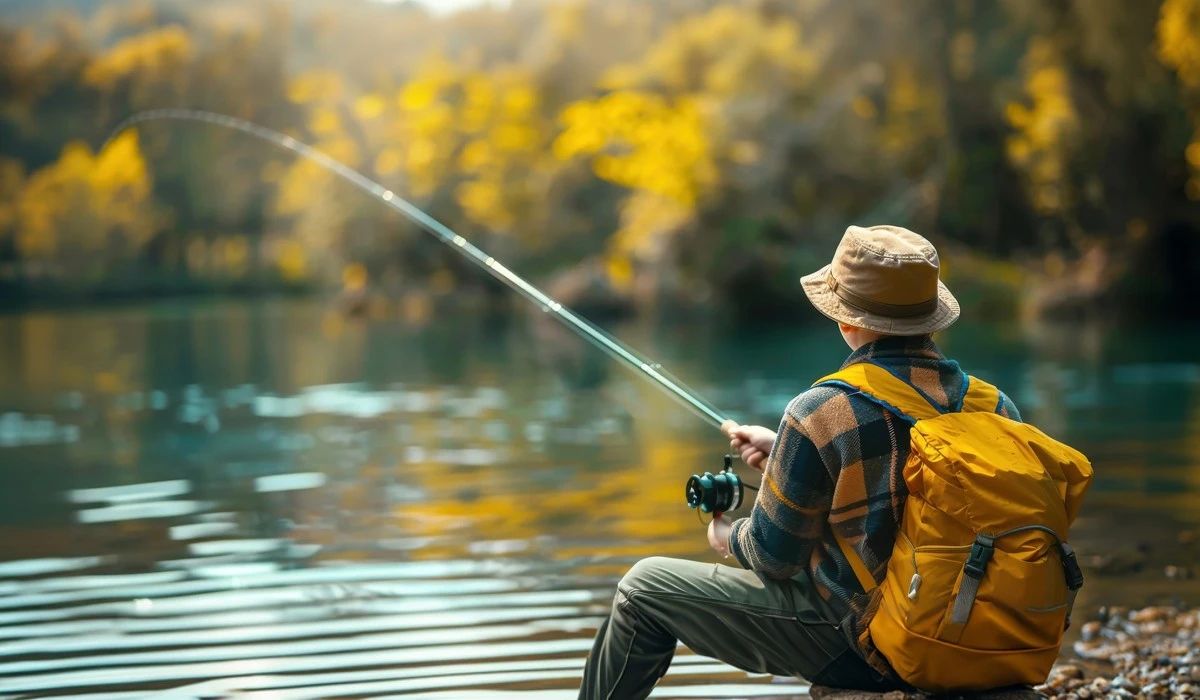
Perfect Fly Casting To Own Freshwater Rod Fishing
Successfully catching trout demands highly calculated strategies, defeating the myth of pure angling luck. Anglers frequently blame terrible misfortune when indicators sit motionless for hours on end. A quiet river surface conceals a detailed reality of stream physics and aquatic biology. Perfecting these elements completely changes any approach to freshwater rod fishing. The practice of deceiving fish dates back significantly further than most realize. The earliest written record of artificial lures originates in 200 A.D. by Roman author Claudius Aelianus. He observed ancient Macedonians attaching red wool and rooster hackle to primitive hooks to mimic local insects. Modern fly fishing evolves this ancient tactic into an incredibly precise art form. An expertly executed cast relies entirely on understanding fluid dynamics. Anglers who study these natural elements abandon chance and start dominating the river.
Master the Science Behind Every Cast
This guide breaks down the essential techniques and biological principles that guarantee immense success on the water. Elevating physical casting skills remains useless without a deep awareness of the surrounding environment. Every successful angler operates as an amateur biologist and a keen meteorologist. They observe exactly how currents interact with submerged rocks to create feeding lanes. They identify the specific insects hatching on the surface. These individuals understand that achieving pinpoint accuracy completely changes the game. An analytical mindset guarantees more strikes. The following sections explore the physics of rod loading, the necessity of drag-free drifts, and the identification of prime holding lies. These basic concepts empower anyone to tackle fast-moving rivers or glassy lakes with supreme confidence. The path to angling greatness begins with a single, perfectly timed false cast.
The Basics of Freshwater Rod Fishing Success
Many beginners assume purchasing expensive graphite rods automatically guarantees huge catches. Real angling expertise prioritizes flawless technique over premium equipment. Early European anglers accomplished incredible feats using surprisingly basic gear. An entry in Encyclopedia.com notes that the next writings about fly fishing appeared in 1496 when a nun named Dame Juliana Berners wrote the basic manual A Treatyse of Fysshynge wyth an Angle. These pioneers used clumsy twelve-foot, two-piece rods spliced together with twine. Their superior presentations still caught large fish. Modern reels certainly help control the line during a chaotic fight. Specialized reels for line control entered Western angling largely after Charles F. Orvis patented his design in 1874. However, a perfectly executed roll cast ultimately matters far more than an expensive drag system. Spending hours refining casting motions consistently yields better results than obsessively upgrading tackle. True freshwater rod fishing success requires dedication to practice.
The Mental Game of the Angler
Developing superior observation skills acts as the true separator between novice and expert anglers. Staring blankly at a river rarely produces a tight line. Success demands intense focus on subtle changes in water flow and insect activity. Many newcomers mistakenly focus all their attention on visual surface strikes. Comprehensive research data reveals a surprising truth about trout behavior. Up to 90% of a rainbow trout's feeding time occurs entirely beneath the surface near the river bottom. This reality requires anglers to mentally pivot from watching dry flies to managing subsurface depths. Adaptability plays a vital role in navigating these shifting conditions. Stubbornly refusing to switch tactics ensures a frustrating day on the water. Environmental analysis and presentation adjustments turn a slow morning into a highly productive afternoon. Patience ultimately rewards careful readers.
Why Fly Fishing Elevates Angler Catch Rates
Achieving accuracy requires a deep understanding of energy transfer during the casting stroke. The rod tip must travel in a strict straight line path during the power stroke. Deviations greater than two centimeters create transverse waves in the line. These unwanted waves eliminate over fifteen percent of the cast's potential speed and power. Effective fly fishing depends on instantly stopping the rod at the ten o'clock position. This abrupt stop forces the heavy line to unroll in a tight loop. Pushing limits too far introduces new aerodynamic problems. Loops tighter than approximately zero point seven meters become highly unstable in the air. The top leg of an overly tight loop experiences excessive drag and collapses before reaching the target. Perfecting these exact physical motions ensures the fly cuts through heavy winds and lands perfectly.
Presentation is Everything
Delivering the artificial insect naturally remains the ultimate goal of any cast. Drag-free drifts trick cautious trout into believing the imitation is a genuine, vulnerable bug. Sometimes, a deliberate disturbance prompts an aggressive predatory reaction. Directing a fast, narrow loop perfectly at the water generates a loud acoustic presentation. A foam beetle imitation creates a distinct plop that acts as a territorial stimulus. When beginners see these delicate presentations, they often wonder, how hard is it to learn fly casting? Grasping the basic forward cast requires only a few hours of practice. Meanwhile, perfecting tight loops and pinpoint accuracy remains a lifelong, highly rewarding pursuit. A tight loop occurs automatically as a physical reaction to a structurally sound stroke. Correcting basic casting flaws rapidly opens a higher tier of capability.
Reading Fish Habitats Like Pro
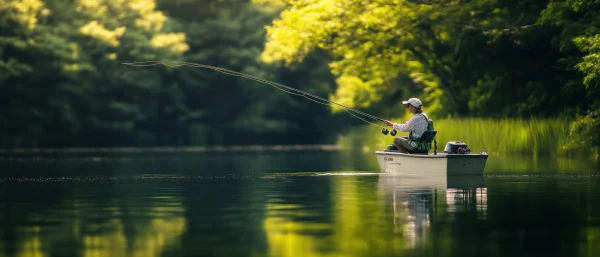
Throwing a flawless cast accomplishes nothing if the fly lands in completely empty water. Identifying prime feeding lanes requires scanning the surface for subtle current variations. Fast water colliding with a submerged boulder accelerates quickly around the obstruction's sides. This collision creates a low-pressure vacuum directly behind the rock, forming a distinct hydraulic shadow. These eddies flow in reverse and provide trout a calm resting area beside rushing currents. Velocity gradients, or seams, form exactly where parallel layers of fast and slow water converge. Drifting food naturally concentrates along these distinct seam lines. Casting directly into the faster current allows the fly to dead-drift perfectly along the gradient. Trout hold right on the edge of these seams to intercept passing meals easily. Recognizing these specific fish habitats guarantees the fly stays highly productive.
Depth, Cover, and Current
Fish behave as absolute slaves to calorie conservation in fast-moving river environments. The basic law of energy dictates their exact positioning throughout the day. At any given moment, up to eighty percent of a river contains absolutely zero fish. Trout hold exclusively in specific micro-habitats that minimize swimming effort while maximizing food intake. A document from GovInfo specifies that adult trout cover consists of obscured stream bottoms featuring low velocity and depths of at least fifteen centimeters. It also provides an immediate access point to the aquatic conveyor belt of drifting insects. Deep pools and submerged logs offer vital protection from ospreys and larger aquatic predators. An analysis of depth, cover, and current speed reveals exactly where the largest fish wait. Spending hours blind-casting into featureless shallow riffles wastes valuable energy and time. Targeted casts into areas that fulfill the biological triad of survival significantly increase catching success.
Tailoring An Approach to Different Freshwater Rod Fishing Environments
Conquering lakes demands a completely different strategy than navigating a rushing river. Stillwater environments lack obvious currents, forcing anglers to locate submerged structures. The steep transition from shallow shoals to deepwater basins creates important drop-off zones. These sharp drop-offs represent the maximum depth for vital green aquatic plant growth. Foraging trout use these vegetated corridors as primary hunting grounds for swimming nymphs. When scanning a glassy lake, anglers frequently ask, where do freshwater fish hide during the day? Most species retreat to deeper, cooler water or tuck tightly into submerged cover like fallen timber and dense weed beds to avoid overhead predators. A midday breeze often creates a beneficial wind-driven ripple, producing a big-fish chop. This optical ceiling encourages large trout to leave the depths and hunt aggressively in shallower water safely.
Freestone Rivers and Tailwaters
Moving water environments typically fall into two distinct and highly contrasting categories. An article from Orvis explains that freestone stream water flows rely heavily on seasonal fluctuations of snowmelt and natural precipitation. These rivers experience massive temperature fluctuations and intense muddy runoff during the spring. This aggressive runoff organically scrubs the riverbed, increasing biodiversity and forcing opportunistic feeding behaviors. Dam-controlled tailwaters present a starkly different ecological reality for observant anglers. These regulated flows maintain stable, frigid temperatures throughout the entire calendar year. The consistent water conditions prevent winter freezing and completely eliminate devastating summer heat-kills. This stability generates absolutely massive insect populations within these specific fish habitats. Utah's famous Green River tailwater supports roughly twenty-two thousand trout per mile in certain sections. Adjusting casting techniques to match biological demands drastically improves overall freshwater rod fishing success across various different regions.
Matching the Hatch and Beyond
Identifying aquatic insects changes a frustrating guessing game into applied stream biology. Mayflies represent an ancient order dating back nearly 400 million years. Research from UC Berkeley states that anglers easily recognize these insects by their single leg claws, three tails, and upright sailboat wings. Stoneflies require highly oxygenated water and typically begin hatching when temperatures hit fifty-five degrees. These large insects possess two tails and wings that lay completely flat across their backs. Caddisflies look remarkably like small moths fluttering erratically near the riverbank. A study published in PubMed Central notes that many caddisfly larvae produce adhesive silk from lower lip glands to build protective underwater casings from microscopic gravel. Knowledge of these three primary insect orders allows an angler to select the perfect artificial pattern. Presenting a mayfly imitation during a heavy caddis hatch rarely tricks a selective trout. Careful observation of fluttering bugs ensures success on rivers.
Subsurface vs. Surface Feeding
Fascination with dry fly strikes often blinds beginners to subsurface realities. Since eighty percent of an aquatic insect's lifecycle occurs near the bottom, nymphing proves incredibly effective. Anglers drastically increase sink rates through the use of heavy fluorocarbon tippet instead of standard nylon. Fluorocarbon remains mathematically denser and far more abrasion-resistant than traditional monofilament materials. Reaching the river bottom quickly ensures the fly spends maximum time in the strike zone. Running two contrasting patterns simultaneously presents a highly effective tandem rig approach. A large, heavy stonefly imitation easily breaks the surface tension and drags the rig down. Pairing this heavy anchor with a tiny pheasant tail mayfly presents multiple biological profiles simultaneously. This dual approach mimics both a large crawling insect and a tiny emerging nymph. Targeting the depths consistently yields massive catches almost everywhere.
Advanced Strategies for Stubborn Fish
Even the perfect fly requires flawless movement to fool highly pressured trout. Surface currents constantly move significantly faster than water flowing along the rocky bottom. Substrate friction slows the deeper water, creating detailed discrepancies throughout the water column. Subsurface flies drag unnaturally when the faster surface current pulls the floating indicator. Eliminating this unnatural drag requires the advanced technique of precise micro-mending. A subtle six-to-twelve-inch upward bump of the rod tip repositions the floating line perfectly. This tiny adjustment resets the fly's depth without pulling it away from the fish. The resulting movement closely mimics a natural insect struggling to reach the surface. Perfecting line control separates average casters from truly elite river tacticians. Maintaining constant contact with the fly ensures immediate bite detection during subtle subsurface strikes. Superior drift control consistently outproduces rapid-fire casting.
Weather Patterns and Pressure Drops
Atmospheric conditions dictate feeding behavior far more than fly selection alone. Fish constantly detect atmospheric weight through their sensitive lateral lines and gas-filled swim bladders. Stable barometric pressure between 29.7 and 30.4 inches yields predictable feeding. Sudden high-pressure systems compress these bladders, inducing severe lethargy and locking fish to the bottom. Monitoring the skies is important because novices inevitably ask, what time of day is best for freshwater fishing? As noted by Take Me Fishing, the low-light periods of early morning and late evening typically provide the most productive action, as cooler temperatures and reduced midday sun make fish feel secure enough to feed aggressively. The ultimate golden hour occurs during rapidly falling pressure right before a major storm front. Expanding swim bladders and darkening skies ignite an aggressive, panicked feeding frenzy. Timing an outing with these pressure drops guarantees explosive action.
Essential Gear for the Dedicated Angler
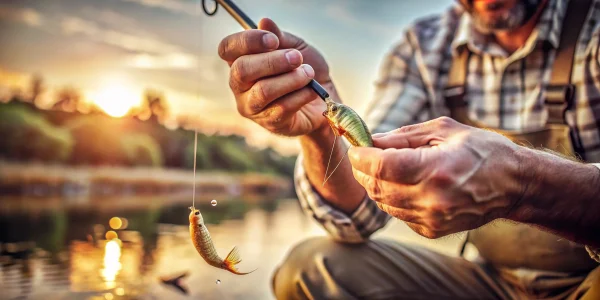
Choosing the correct rod weight directly impacts casting success and overall presentation. Manufacturers rate fly rods on a specific scale ranging from one to fourteen weights. This universal rating system corresponds to the exact mass of the matching fly line. According to Trout Unlimited, a fast-action, nine-foot, five-weight rod serves as the undisputed global standard for versatile trout fishing. This specific size provides enough finesse for tiny dry flies while retaining fish-fighting power. Targeting larger, aggressive species demands significantly heavier equipment to ensure a quick fight. An eight-weight rod becomes absolutely mandatory for punching large, heavy streamers through harsh winds. Pursuing steelhead or salmon with underpowered gear exhausts the fish and ruins the release. Matching the rod weight to the targeted species maximizes freshwater rod fishing success while protecting aquatic resources. The right tool simply makes throwing perfect loops effortless.
Waders, Boots, and Safety Gear
Navigating a rushing river safely requires strong gear designed for treacherous conditions. Fast-moving freestone pocket water hides chaotic, swirling currents rolling constantly over slick, algae-covered rocks. Losing footing in these frigid, powerful environments quickly leads to extremely dangerous situations. Staying dry and maintaining body heat allows anglers to endure long hours outdoors. High-quality breathable waders prevent hypothermia while hiking miles along remote, rugged riverbanks. Wading boots represent the most critical piece of safety equipment in a fisherman's arsenal. Studded tungsten cleats provide vital structural grip against the immense hydrodynamic force of river currents. Traditional felt-soled boots also offer incredible traction on smooth stones, though some states restrict their use. Proper gear provides the physical confidence needed to wade deeper into prime feeding lanes. Arriving prepared ensures a comfortable, safe, and highly productive outdoor experience.
The Lifelong Path of Freshwater Rod Fishing Greatness
Perfecting this sport requires a permanent commitment to learning detailed biological systems. The most successful anglers internalize the stark reality that eighty percent of fish hold in twenty percent of the water. Blindly casting into empty currents guarantees an incredibly frustrating day on the bank. True expertise involves combining precision zero point seven-meter casting loops with advanced environmental observation. Identifying ancient four-hundred-million-year-old insect orders elevates a simple hobby into a rewarding scientific pursuit. Catching trout consistently requires blending strict physics with an intimate knowledge of shifting fish habitats. Every trip to the river offers a brand-new puzzle waiting for a solution. Anglers must grab a perfectly balanced five-weight rod, locate a promising current seam, and start practicing those tight loops. This analytical approach guarantees a lifetime of thrilling freshwater rod fishing experiences across beautiful environments.
Recently Added
Categories
- Arts And Humanities
- Blog
- Business And Management
- Criminology
- Education
- Environment And Conservation
- Farming And Animal Care
- Geopolitics
- Lifestyle And Beauty
- Medicine And Science
- Mental Health
- Nutrition And Diet
- Religion And Spirituality
- Social Care And Health
- Sport And Fitness
- Technology
- Uncategorized
- Videos

