
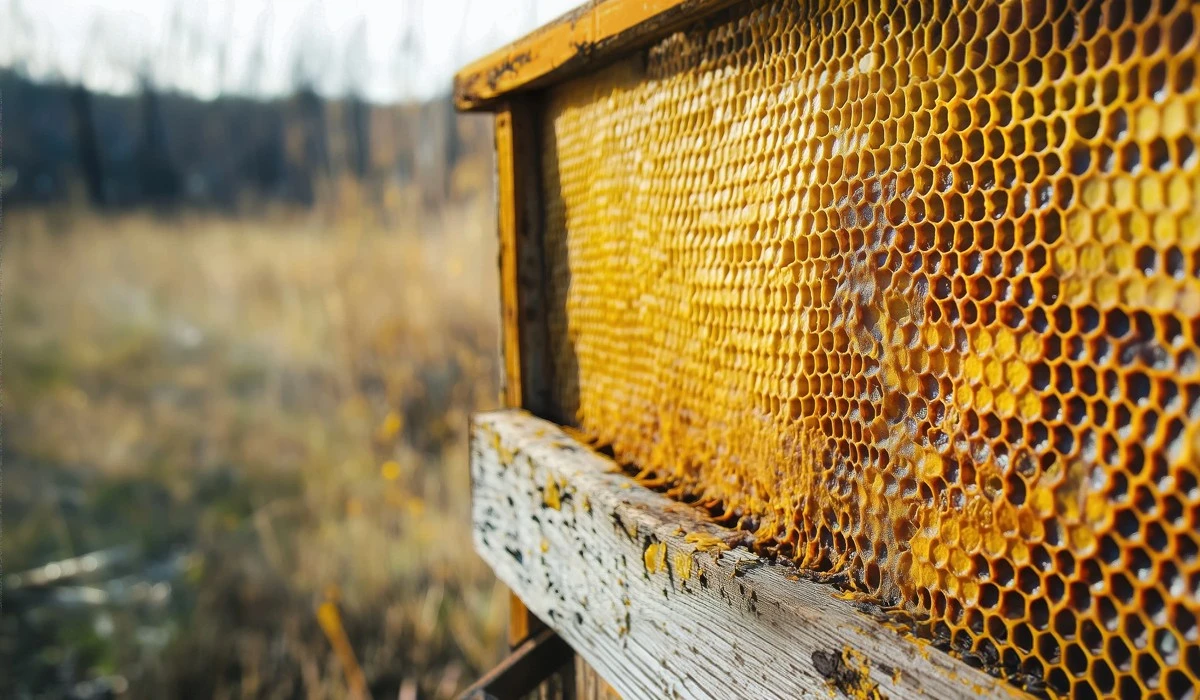
Science of Beehive Fences for Elephant Deterrence
Elephants are afraid of bees. Not metaphorically -- actually, physically terrified. And farmers across Africa are using that fear to protect their crops, their income, and their lives. Beehive fences string together occupied hives along a perimeter, and when an elephant nudges the line, the swinging boxes agitate the colony. The herd retreats before a single bee lands. No chemicals. No costly guards. Just biology doing the work.
This is not a folk remedy. It is a peer-reviewed, internationally endorsed strategy that is now scaling to some of the most vulnerable farming communities on the continent. As noted by Elephant Initiatives, this approach works by exploiting a specific biological fear rather than relying on brute physical force. Beehive fences represent one of the most cost-effective tools available for reducing human-wildlife conflict where it hurts most: at the boundary between a farming family's livelihood and a herd of crop-raiding elephants.
The Biology Behind Beehive Fences
Thick skin sounds like good armor - until you consider where bees actually go. According to a report by Reuters, Oxford University researcher Dr. Lucy King developed the original framework for this barrier at the university's Zoology Department. She worked closely with Save The Elephants to understand exactly how elephants react to specific threats in their environment. King found that elephants experience intense fear when facing a potential sting- not because of pain tolerance, but because of anatomy. Despite their massive size, elephants possess highly sensitive exposed areas that offer no protection against a targeting swarm.
Bees zero in on the eyes, ears, stomach, and inside the trunk. These are the zones where thick skin simply does not reach. That targeted vulnerability is what makes beehive fences so reliably effective across different regions and elephant populations. When a herd approaches the perimeter, the reaction is immediate and predictable. Research published by Cambridge University Press describes how an alarmed elephant produces a specific low-frequency infrasonic rumble to warn others to retreat. They kick up dust, shake their heads rapidly, and often turn the entire herd around before a single insect makes contact. The psychological deterrent works because the biological fear driving it is completely real.
Why Traditional Defenses Fail Where Beehive Fences Succeed
Rain is not the enemy of a crop. It is, however, the enemy of a chilli-rope fence. As reported by The Citizen, farmers in areas like the Udzungwa Mountains of Tanzania relied on crude, temporary solutions before modern barriers arrived. Locals-soaked cloth in used motor oil and powdered chillies and tied it to rope fences. Heavy rain washed these mixtures into the soil within hours, leaving crops entirely exposed. Constant reapplication drained time and money. Regulatory groups eventually banned these chemical applications outright after recognizing their repeated failure.
Do beehive fences work against elephants? Data from Wild Survivors shows these barriers effectively stop most crop raids while reducing security expenses for local farmers by nearly half. Specifically, households report up to a 49 percent reduction in spending on torches, guards, and fuel after installation. Families stop paying for overnight guards, flashlights, and fuel for defensive fires. That money stays in their pockets rather than disappearing into an unreliable security system.
One Ugandan farmer described the destruction before these installations: herds consumed everything, caused extreme famine, and left families in total financial ruin. Beehive fences changed that equation directly and durably. The shift from reactive, weather-dependent methods to a stable biological deterrent gave farmers something they rarely had before: a defense that works even when no one is awake to maintain it.
The Operational Scale of the Mafuluto Project
Rachel Monger spent ten years living in Tanzania. That experience gave her a ground-level understanding of the agricultural pressures local communities face - and a clear picture of what kind of protection actually works in practice.
In 2025, she leads an official site assessment expedition to the Mafuluto community. That survey lays the foundation for a major installation designed to secure the local food supply. In April 2026, Monger returns to Tanzania to officially execute Phase 1 of construction. The planning is deliberate and phased, because a project of this size requires both community trust and logistical precision before a single post goes into the ground.
The scale of the project is significant. Monger plans to build an unbroken boundary stretching 6 kilometers - roughly 3.73 miles - around the most vulnerable agricultural zones. That perimeter requires 600 individual deterrent units. The size of these beehive fences sets a new standard for human-wildlife conflict resolution in the area. Monger describes this approach as an optimal resolution for all parties involved: it protects elephants from local retaliation while securing the food supply through local apiculture. Both the animals and the farming families who share the landscape stand to benefit directly from the installation.
Rethinking Materials to Prevent Human Interference
A barrier built to stop a 6,000-kilogram animal can still fail because of a few meters of metal wire. During early trials in Mozambique, conservationists found a major flaw in the original design. The metal wire connecting the hives held real scrap value in local markets. People stole it regularly to make hunting snares, breaking the perimeter and leaving crops unprotected. Without a connecting line, an elephant can walk past an individual hive without triggering the swing that agitates the colony. The theft rendered the entire defensive perimeter useless at those points.
What materials do builders use to construct beehive fences? According to a case study published by the Research Excellence Framework (REF), project leaders replaced the theft-prone wire with rope made from old tyres. Construction teams now build them using wooden boxes, sturdy wooden posts, and thick tyre rope to securely connect the swinging units. This substitution kept the connecting lines intact and removed the theft incentive entirely. The materials hold no street value, so they stay in place. The system functions correctly because the physical swing of the boxes upon contact is what triggers the colony's defensive response - and that only happens when the rope remains unbroken.

The Economics of Beehive Fences and Female Independence
In these regions, beekeeping has historically been a male-dominated activity. Beehive fences changed that pattern significantly. Monger highlights that this approach allows female participants in the Mafuluto community to take full charge of maintaining the colonies. The women gain hands-on expertise in apiculture while building tight, reciprocal support groups. Monger notes that this group integration raises their self-worth and standing within the village in ways that extend well beyond the fence line itself.
How do beehive fences help the community? These setups create honey-based micro-businesses that generate steady income. The women harvest honey and wax, sell them locally, and build personal savings through strong savings schemes. That income goes directly toward child provision and household stability. The financial gains are real and ongoing, not tied to a single harvest or a single good season.
To fund the Mafuluto setup, the Worcester Beekeepers will host a major fundraising exhibit at the RHS Malvern Spring Festival from May 7 to May 10, 2026. The financial independence created through this initiative turns an elephant deterrent into a lasting engine for women's economic participation. Where beehive fences go up, women's roles in local economies tend to expand alongside them.
Flaws and Nuances in the Empty Hive Strategy
An empty box can scare an elephant - but only if the elephant has a reason to believe it is occupied. Project leaders frequently use dummy hives to stretch budgets across large perimeters. The visual threat relies entirely on an elephant's prior negative experience with bees. The sight of a swinging box, combined with the physical movement of the rope, is supposed to trigger retreat based on past conditioning and memory of real stings. This approach works as a cost-saving measure but carries a clear risk when overused.
Field data tells a specific story. Roughly 70 percent of all barrier breaches occur at points with completely empty boxes. To maintain a reliable deterrent, project managers must keep a strict 60 to 70 percent live occupancy rate across the entire perimeter line. Dropping below that threshold opens up real gaps in coverage.
Research published in the journal Oryx identifies another timing problem. Bull elephants frequently raid crops between dusk and dawn. Honeybees, however, show very low activity at night and in cold weather. That biological mismatch creates a window of vulnerability in beehive fences exactly when crops are most at risk. Project teams need to account for this gap in planning - not treat the fence as a complete solution for every hour of the day.
When an Elephant Breaks Through Beehive Fences
No fence stops every elephant. A determined bull can snap tyre rope with brute force and walk straight through the line.
When that happens, the perimeter breaks and the animal gets direct access to the crops beyond it. Human behavior can also force a breach. If farmers actively chase an elephant during a raid, the animal panics and looks for the fastest escape route available. Sometimes that route runs straight through the swinging boxes. The violent collision damages the equipment and creates a gap that leaves the farm exposed until repairs can be made.
Despite these breakthroughs, the strategy has earned broad institutional backing from organizations that have reviewed the actual results. The Kenyan Wildlife Service officially integrated beehive fences into their 2012-2022 Strategy. The UN Environment Programme also backs the framework. A prominent Disney Conservation Programs Manager noted the measurable ecological benefits for both wildlife and people, which led directly to academic publications and widespread media coverage. The endorsements reflect what the field data consistently shows: this approach works reliably enough to build policy around, even accounting for its limitations.
The Real Results of Agricultural Defense
Beehive fences work because they are built around how elephants actually behave - not how farmers hope they would.
Modern conservationists protect large agricultural zones across multiple African countries by linking small insect colonies into a coordinated perimeter. The results are consistent: fewer raids, lower security costs, and stronger livelihoods for farming families. At the same time, elephants avoid the violent local retaliation that often follows crop destruction. Both sides benefit from the arrangement in tangible, measurable ways.
In communities like Mafuluto, beehive fences also transfer financial control to the women managing the colonies day to day. The honey and wax they harvest create independent income streams that improve household stability and child welfare over time. As this model expands across the region, the accumulated data keeps pointing to the same conclusion: protecting a farm requires understanding animal behavior rather than simply building thicker walls. The science of fear, applied carefully, does what brute-force barriers cannot.
Recently Added
Categories
- Arts And Humanities
- Blog
- Business And Management
- Criminology
- Education
- Environment And Conservation
- Farming And Animal Care
- Geopolitics
- Lifestyle And Beauty
- Medicine And Science
- Mental Health
- Nutrition And Diet
- Religion And Spirituality
- Social Care And Health
- Sport And Fitness
- Technology
- Uncategorized
- Videos

