
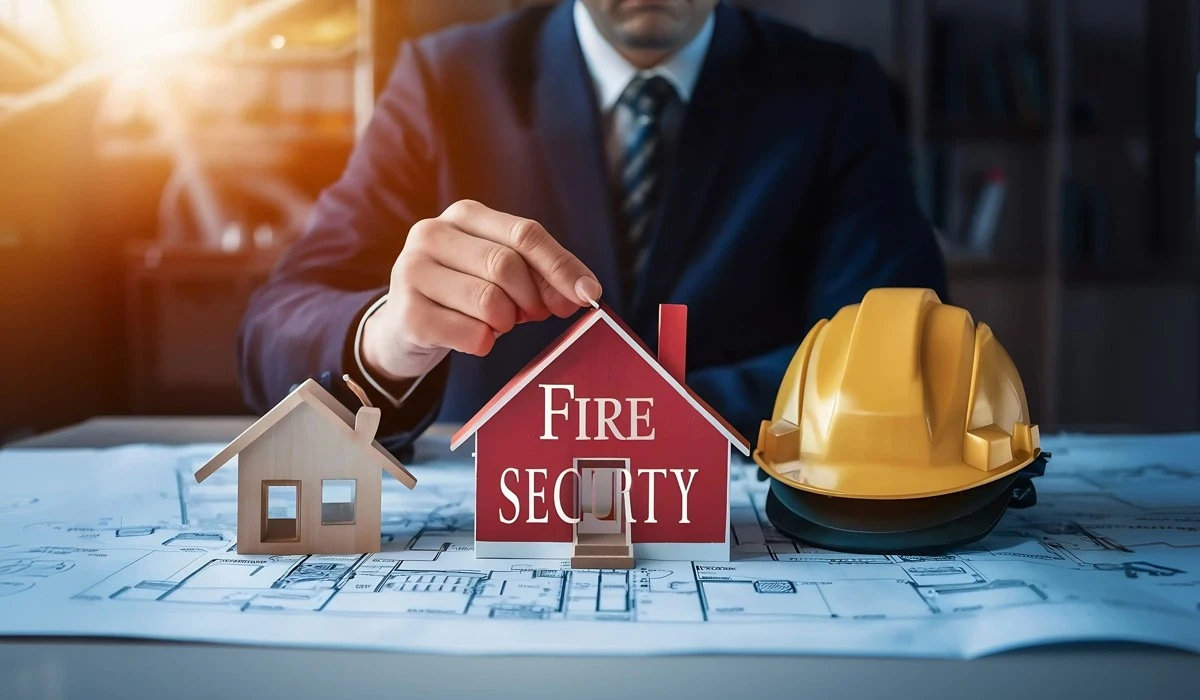
Secure Property Value Via Fire Safety Management
Ignoring a faulty fire door risks a localized fire and actively drains the building's resale value. Potential buyers and appraisers view a single safety violation as a symptom of a crumbling asset. This neglect transforms a profitable property into a legal burden that high-value firms refuse to touch.
A building’s safety profile dictates its market desirability. Investors look for reliability and low risk. Proactive Fire Safety Management functions like a shield for your equity. It ensures the building remains a viable asset and does not become a liability. Neglecting these standards leads to rapid depreciation, high insurance costs, and heavy legal responsibility.
Prioritizing these systems allows owners to protect their physical structures and their financial futures. This approach prevents the physical damage that erases decades of investment in minutes.
Why Fire Safety Management is a Financial Asset
Smart investors view safety as a profit center and avoid treating it as a cost. High-quality Fire Safety Management yields a documented return on investment of 300% to 400% compared to reactive repair rates. This financial gain stems from reduced emergency service fees and the prevention of structural damage.
Influence on Insurance and Liability
Insurance companies reward owners who minimize risk. According to a report by Impact Fire Services, comprehensive safety measures lead to massive premium discounts. Many investors ask how fire safety affects property value. Strong safety measures prevent physical damage while making the asset more attractive to high-quality tenants and buyers who prioritize risk mitigation.
Commercial insurers provide discounts ranging from 5% for basic detection to 45% for comprehensive, documented automatic suppression systems. These savings add up over the lifecycle of a building. They directly increase the net operating income of the property.
Attracting Premium Tenants

Fortune 500 companies and government agencies require strict safety documentation. They will not sign long-term leases in buildings with questionable safety records. A history of safety excellence allows owners to command higher rent prices.
These tenants value the continuity of their operations. They know that a fire in an adjacent suite could bankrupt their business. A secure environment builds trust and encourages long-term occupancy.
The Core of Protection: Managing fire risk assessment procedures
Technical execution defines the success of any safety plan. Consistent fire risk assessment procedures allow owners to find and fix problems before they become catastrophes. As outlined in a five-step checklist from the UK government, these procedures involve identifying hazards, determining who is at risk, evaluating and removing risks, recording findings, and regularly reviewing the plan.
Identifying Potential Ignition Sources
Assessments start by locating heat and fuel sources. This government guidance also identifies common workplace hazards such as overloaded electrical strips, poorly maintained heaters, and stored chemicals. Property managers often wonder about the specific stages of these reviews.
Early detection of these heat sources prevents the initial fire. Data from the NFPA shows that every $1 spent on these prevention steps saves $5 in potential property losses. Regular walks through the property keep the risk profile low.
Evaluating People at Risk
Safety plans must account for every person in the building. The government's fire safety documentation notes that high-occupancy zones and areas housing vulnerable populations require specific evacuation strategies. This stage of the fire risk assessment procedures ensures that egress routes remain clear and accessible for everyone.
Calculated "egress time" measures how long it takes for the last person to reach safety. This metric helps owners determine if they need more exits or better signage. Protecting people remains the most effective way to avoid massive wrongful death lawsuits.
Structural Integrity and Passive Fire Protection
Passive protection guards the "skeleton" of the building. These systems stay in place and work without any human intervention. They prevent a small kitchen fire from spreading to the structural steel of the entire skyscraper.
The Role of Compartmentation
Research published in the National Center for Biotechnology Information explains that compartmentation involves dividing a building into "cells" using fire-rated walls and doors. As noted by Manage Your Block, these barriers hold back flames and smoke for a specific amount of time, usually 60 to 120 minutes. This delay provides firefighters the window they need to save the rest of the structure.
The National Fire Protection Association (NFPA) emphasizes that fire doors are the most vital part of this system and must close and latch automatically to function. The organization also warns that a propped-open fire door voids the entire compartmentation strategy and leads to dangerous outcomes.
Maintaining Fire Stops and Seals
Utility lines often pierce through fire-rated walls. These gaps require "intumescent seals" that expand up to 25 times their original size when they get hot. This expansion blocks the passage of toxic smoke through small holes.
Owners must inspect these seals annually. Contractors often move cables or pipes and leave holes in the firewalls. Regular inspections ensure the building’s fire rating remains intact over decades of use.
Cultivating a Human-Centric Safety Culture
Even the best technology fails if people do not know how to use it. Fire Safety Management requires a team that understands its role during an emergency. Human behavior often determines the difference between a minor incident and a total loss.
Staff Training and Emergency Readiness
A well-trained team acts faster than any fire department. Employees who know how to use an extinguisher can stop a fire in its first 30 seconds. According to the UK government's fire safety responsibilities, training sessions should happen twice a year to keep the information fresh in their minds.
Emergency readiness involves regular drills. These exercises reveal bottlenecks in the evacuation path. They also desensitize staff to the sound of alarms, which prevents panic during a real event.
Clear Communication Channels
Hazard reporting must be easy and fast. Staff members see frayed wires and blocked exits every day. A clear channel allows them to report these issues to management immediately.
Standardized reporting forms help track recurring problems. If one wing of a building consistently has blocked exits, management can address the root cause. This open communication prevents small oversights from becoming fatal errors.
Using Technology in Fire Safety Management
Modern technology provides a massive competitive advantage in asset protection. According to a study in ScienceDirect, advanced fire safety management now uses artificial intelligence and internet-connected sensors to monitor buildings 24/7. These tools provide real-time data that traditional systems cannot match.
Smart Detection and IoT Integration
IoT sensors detect heat and smoke faster than traditional alarms. Research in the journal Buildings (MDPI) suggests these systems send instant alerts to the owner’s smartphone and the local fire station simultaneously, which reduces emergency response times by 25%.
Smart sensors also reduce false alarms. They can tell the difference between burnt toast and a structural fire. This prevents the costly business interruptions that happen when a building must be evacuated for no reason.
Digitizing fire risk assessment procedures
Paper logs get lost, damaged, or faked. Digitizing fire risk assessment procedures creates a permanent, unchangeable record of safety checks. Cloud-based platforms allow owners to track compliance across multiple properties from a single dashboard.
These digital audit trails prove to insurers and regulators that the owner did their job. In the event of a fire, having this data ready can save an owner from millions of dollars in liability. It provides transparency that builds long-term property value.
Mitigating Unseen Financial Risks
Fires create costs that go far beyond physical damage. Most owners underestimate the unseen financial hits that follow an incident. These include lost revenue, legal fees, and reputational damage that can last for years.
Business Interruption and Recovery
A fire often forces a business to close for months. During this time, the owner still pays taxes, mortgages, and salaries. It is common to ask, can poor fire safety lead to insurance denial? Yes, if an investigation proves that a property owner neglected mandatory maintenance or ignored safety codes, insurers may legally refuse to pay out a claim.
Small businesses suffer the most from these delays. Statistics show that 40% of small companies never reopen after a major fire. Effective safety plans include a recovery strategy to get the doors open as fast as possible.
Avoiding Legal and Regulatory Penalties
Fire code violations carry heavy prices. Civil penalties can reach $10,000 per day for each day a building remains non-compliant. These fines quickly evaporate any profit the property generated that year. As stated in the Fire Safety Act 2021, rules for multi-occupied buildings have changed, and owners must now inspect external walls and balconies. Compliance with these laws prevents the "unmortgageable" status that has hit thousands of units in recent years.
Long-term Maintenance for Value Retention
Value retention requires a lifecycle approach to maintenance. Owners should not treat safety as a "one-off" task. Consistent attention to detail ensures the building remains safe and valuable for the next generation of owners.
Annual System Audits
NFPA 25 mandates that water-based fire protection systems undergo full functional tests every year. This includes flow testing from the farthest remote points in the building. It ensures the water pressure can actually reach a fire on the top floor.
Dry-pipe valves also need a "trip test" every three years. This verifies that the mechanical parts still move freely. Ignoring these tests means the sprinklers might stay dry when a fire starts.
Updating fire risk assessment procedures for Renovations
Every time an owner changes a floor plan, the safety risk changes. Wall relocations can block a sprinkler head or hide an exit sign. The UK government's safety checklist specifies that owners must update their fire risk assessment procedures the moment they start a renovation project.
Contractors often focus on aesthetics and forget about fire-stopping. An updated assessment catches these errors before the walls are closed. This proactive step saves the owner from expensive retrofits later on.
Future-Proofing Your Equity through Fire Safety Management
Real estate wealth depends on the longevity of the physical structure. Proactive Fire Safety Management ensures that your property stands strong against both physical and financial threats. It transforms a mandatory requirement into a sophisticated strategy for wealth preservation.
Diligent fire risk assessment procedures provide the data needed to make smart investment decisions. They protect the building from depreciation and keep the asset attractive to the global market. Owners who manage these safety protocols save lives and also secure their financial legacy. Treat fire safety as an investment in your equity, and your property will reward you with stable, long-term value.
Recently Added
Categories
- Arts And Humanities
- Blog
- Business And Management
- Criminology
- Education
- Environment And Conservation
- Farming And Animal Care
- Geopolitics
- Lifestyle And Beauty
- Medicine And Science
- Mental Health
- Nutrition And Diet
- Religion And Spirituality
- Social Care And Health
- Sport And Fitness
- Technology
- Uncategorized
- Videos

