
Occupational Health and Safety Ends Workplace Injury
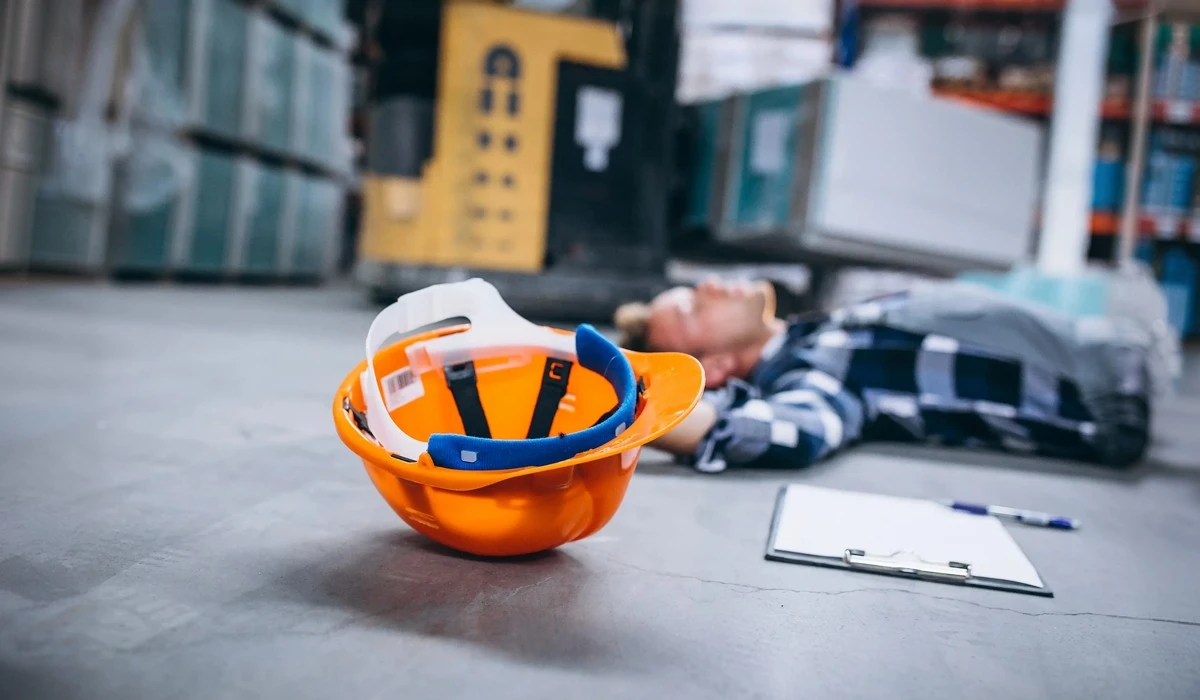
A supervisor walks through a warehouse and sees a clean floor. He assumes the shift is safe. Meanwhile, a forklift driver ignores a rattling bolt on his machine to meet a deadline. Three days later, that bolt shears off. The mast collapses. The "clean floor" meant nothing because the team ignored a specific warning sign. Accidents rarely happen without a history of ignored signals. They stem from a series of small, overlooked failures that eventually align.
When a company prioritizes Occupational Health and Safety, they stop playing a game of chance. This commitment moves beyond checking boxes. It builds a system where every worker spots a frayed cable or a wobbly ladder before someone reaches for it. A strong Occupational Health and Safety framework serves as the ultimate insurance policy for a workforce. It protects the hands that build the product and the profit margins that sustain the business. This guide explores how a proactive approach turns a dangerous workplace into a fortress of productivity.
Why Occupational Health and Safety is your best defense
Traditional safety programs often wait for an injury to occur before they change a rule. This reactive approach costs lives and money. It forces managers to investigate tragedies rather than prevent them. Modern Occupational Health and Safety standards, like ISO 45001, change this approach. They use a Plan-Do-Check-Act cycle to catch errors before they escalate.
Shifting from reactive to proactive safety measures
Proactive safety relies on the Swiss Cheese Model. According to research published by the National Center for Biotechnology Information, safety layers act as barriers where each layer has unintended weaknesses or holes that open and close at random. The study explains that while the solid parts of these barriers usually stop an accident, a disaster can occur if these shifting holes align. A proactive team identifies these "holes" during daily operations.
As outlined in guidance from the Occupational Safety and Health Administration (OSHA), teams use a Hierarchy of Controls arranged from most to least effective. This system mandates that they first attempt to eliminate the hazard entirely, then substitute it with a safer alternative if removal is impossible. The guidelines further specify that engineering controls follow these steps, while administrative controls and Personal Protective Equipment (PPE) act as the final defensive options. This structured thinking ensures that safety does not rely on a worker’s memory alone.
The psychological effect of a safe environment
Workers perform better when they feel secure. When a company invests in Occupational Health and Safety, it sends a message of value to the staff. This investment reduces stress and prevents burnout. Employees who trust their equipment focus more on the quality of their work.
Safety also encompasses mental health. The International Organization for Standardization notes that the ISO 45003 global standard provides practical guidance for managing psychological health in the workplace. Research from Unmind clarifies that this includes managing psychosocial risks to mental health, such as excessive workloads, tight deadlines, or conflicting demands like workplace bullying. Managers reduce absenteeism when they address these unseen pressures. A secure environment encourages loyalty and keeps experienced workers from leaving the company.
Improving the skill of workplace hazard identification
Finding a risk involves a systematic process called workplace hazard identification, as a casual walk-through is insufficient. This process finds threats that a busy manager might miss during a standard shift.
Categorizing physical and environmental risks
A manager must understand what they are looking for to find it. What are the five main workplace hazards? Hazards are typically categorized into physical, chemical, biological, ergonomic, and psychosocial risks. Recognizing these categories allows managers to apply targeted controls to the most relevant threats in their specific environment.
Physical hazards include loud noises or extreme temperatures. Chemical hazards involve exposure to vapors or liquids, which the Globally Harmonized System (GHS) helps track via Safety Data Sheets. Biological hazards, such as mold or viruses, require specific sanitation protocols. Ergonomic risks, like repetitive lifting, often cause long-term injuries that drain a company’s resources.
The role of employee feedback in spotting danger
The person operating a machine knows its quirks better than anyone else. OSHA emphasizes that workers are often in the best position to identify safety concerns and program shortcomings because they operate the equipment daily. They see the floor tiles that get slippery when it rains. They hear the strange grind in a conveyor belt motor.
As noted in OSHA’s reporting policy templates, smart companies create "Near-Miss" systems to proactively identify negative trends and provide opportunities to recognize hazards before they cause harm. A team can prevent the one major accident that ruins a life or business when they capture these 300 stories. H.W. Heinrich’s research showed that for every one major injury, 300 near-misses usually occur.
Training your team for peak safety performance
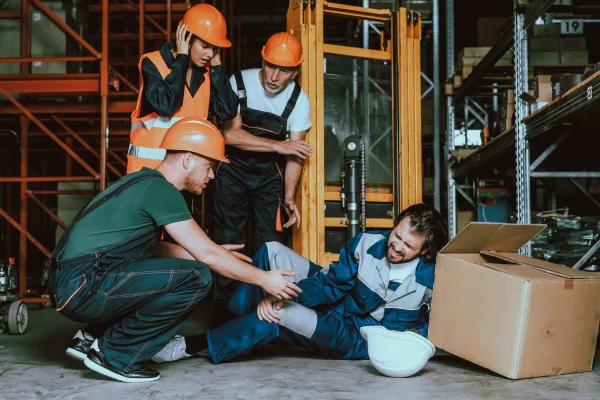
Real safety comes from training that changes behavior rather than simply handing a worker a 200-page manual. Occupational Health and Safety training must be frequent, relevant, and hands-on to be effective.
Beyond the handbook: Interactive safety drills
Static manuals often end up in a desk drawer. Interactive drills, however, build muscle memory. When a fire alarm sounds, a worker should move toward the exit without thinking. Drills reveal flaws in emergency plans, such as blocked exits or broken radios.
These sessions allow teams to practice workplace hazard identification in real-time. During a drill, a supervisor might "plant" a simulated hazard, like an unsecured chemical drum. The team’s ability to spot and report this plant measures the true effectiveness of their training.
Developing a "Safety First" intuition in new hires
New employees face the highest risk of injury. They lack the "site intuition" that veterans possess. How do you identify hazards in the workplace? According to OSHA, effective identification involves regular site walk-throughs, interviewing staff about daily obstacles, and analyzing past incident reports to group similar events and identify trends. This multi-layered approach ensures that even unseen risks are documented and mitigated.
Onboarding must emphasize that no job is so urgent that it justifies a safety violation. When a new hire sees a manager stop a production line to fix a trip hazard, they learn the true company culture. This sets a standard that lasts for their entire career.
Transforming Occupational Health and Safety into a profit center
Many executives view safety as a cost. In reality, it is a high-yield investment. A safe workplace operates with fewer interruptions and lower overhead. Occupational Health and Safety directly affects the bottom line.
Reducing insurance premiums and legal liabilities
Insurance companies use the Experience Modification Rate (EMR) to set premiums. This rate reflects a company's past injury costs. A lower EMR leads to massive savings on workers' compensation insurance. Conversely, a single major accident can spike premiums for years.
The American Society of Safety Professionals (ASSP) reports a 6:1 return on investment for safety programs. The National Safety Council defines DART rates as cases involving days away from work, job transfers, or restricted work activity. For every dollar spent on prevention, companies save six dollars in avoided costs. These costs include legal fees, OSHA fines, and the price of repairing damaged equipment.
Boosting retention through high safety standards
Hiring and training a new employee is expensive. High injury rates drive talented workers to competitors. A reputation for excellence in Occupational Health and Safety makes a company a preferred employer.
Safety standards also reduce "presenteeism." This happens when employees come to work while injured because they fear losing their jobs. These workers move more slowly and make more mistakes. A company that supports recovery and maintains a safe site keeps its best people working at 100% capacity.
Digital tools that streamline your safety audits
Technology has replaced the clipboard and the paper filing cabinet. Modern tools make workplace hazard identification faster and more accurate. These innovations allow for instant communication across large job sites.
Real-time reporting via mobile safety apps
Mobile apps allow workers to snap a photo of a hazard and upload it instantly. The safety officer receives a notification on their phone immediately. This eliminates the "lag time" between seeing a danger and fixing it.
These apps also track completion. A manager can see exactly when a hazard was mitigated and who performed the fix. This creates a digital paper trail that proves the company’s commitment to Occupational Health and Safety during official audits.
Using data analytics to predict future risks
Data analytics takes safety a step further. Software identifies "hot spots" through the analysis of years of incident reports. It might be found that most slips happen in the loading dock on Tuesday mornings.
This information allows managers to act before an accident occurs. They might add extra floor mats or change the cleaning schedule for that specific time. Predictive safety turns the goal of "zero injuries" from a wish into a data-driven reality.
Building a sustainable safety culture from the top down
A safety program fails if the CEO ignores it. Leadership must own the Occupational Health and Safety goals for the rest of the staff to take them seriously. Culture starts at the top and filters down to the shop floor.
Executive accountability and leading by example
Executives must wear the same PPE as the workers when they visit a site. If a manager walks onto a construction site without a hard hat, they destroy the safety culture instantly. Why is hazard identification important in health and safety? It is essential because it allows an organization to implement controls before a tragedy occurs, rather than just reacting to an injury. Businesses protect their most valuable asset—their people—and maintain operational continuity when they prioritize this process.
Accountability means including safety metrics in executive performance reviews. When bonuses depend on low DART rates, leadership pays attention. This ensures that safety remains a core business objective, not a side project.
Empowering "Safety Champions" on the front lines
Leadership should identify workers who naturally follow the rules and turn them into "Safety Champions." These individuals mentor their peers and lead workplace hazard identification efforts. They bridge the gap between management and the workforce.
Rewarding these champions creates positive reinforcement. Instead of only punishing mistakes, the company celebrates safe behaviors. This change builds a culture where workers look out for each other because they want to, not because they have to.
The long-term effect of rigorous safety standards
Rigorous safety standards create a legacy of excellence. They influence the entire industry and set a benchmark for competitors. Over time, these practices become the standard way of doing business.
Compliance as a floor, not a ceiling
Legal requirements provide a minimum standard. Truly successful companies use these laws as a starting point. They aim for higher standards because they understand the "Duty of Care" principle.
As stated by the Health and Safety Executive (HSE), the Duty of Care principle requires employers to keep the workplace safe and free from health risks so far as is reasonably practicable. Exceeding OSHA or local requirements prevents the rare, catastrophic events that standard rules might miss. It shows that the company values human life over the bare minimum of the law.
Strengthening brand reputation through transparency
Customers and investors prefer companies with clean safety records. High-profile accidents damage a brand's reputation and stock price. Transparency in Occupational Health and Safety reporting builds trust with the public.
Sharing safety data in annual reports proves that a company is well-managed. It signals that the leadership understands risk and protects its resources. When corporate social responsibility matters, a safe workplace acts as a powerful marketing tool rather than merely a legal requirement.
Securing the future with Occupational Health and Safety
Total safety requires constant attention. It demands a culture where workplace hazard identification happens every hour, not once a month. When a company embeds these values into its daily routine, it eliminates the "human error" that leads to tragedy. Every machine guard installed and every spill cleaned up represents a life protected.
The goal is simple: every worker must return home in the same condition they arrived. Achieving this goal requires a relentless focus on Occupational Health and Safety. It requires managers to listen to the "rattle" in the machine before it becomes a crash. A company secures its productivity, reputation, and people for the future when it chooses safety today.
Recently Added
Categories
- Arts And Humanities
- Blog
- Business And Management
- Criminology
- Education
- Environment And Conservation
- Farming And Animal Care
- Geopolitics
- Lifestyle And Beauty
- Medicine And Science
- Mental Health
- Nutrition And Diet
- Religion And Spirituality
- Social Care And Health
- Sport And Fitness
- Technology
- Uncategorized
- Videos

