
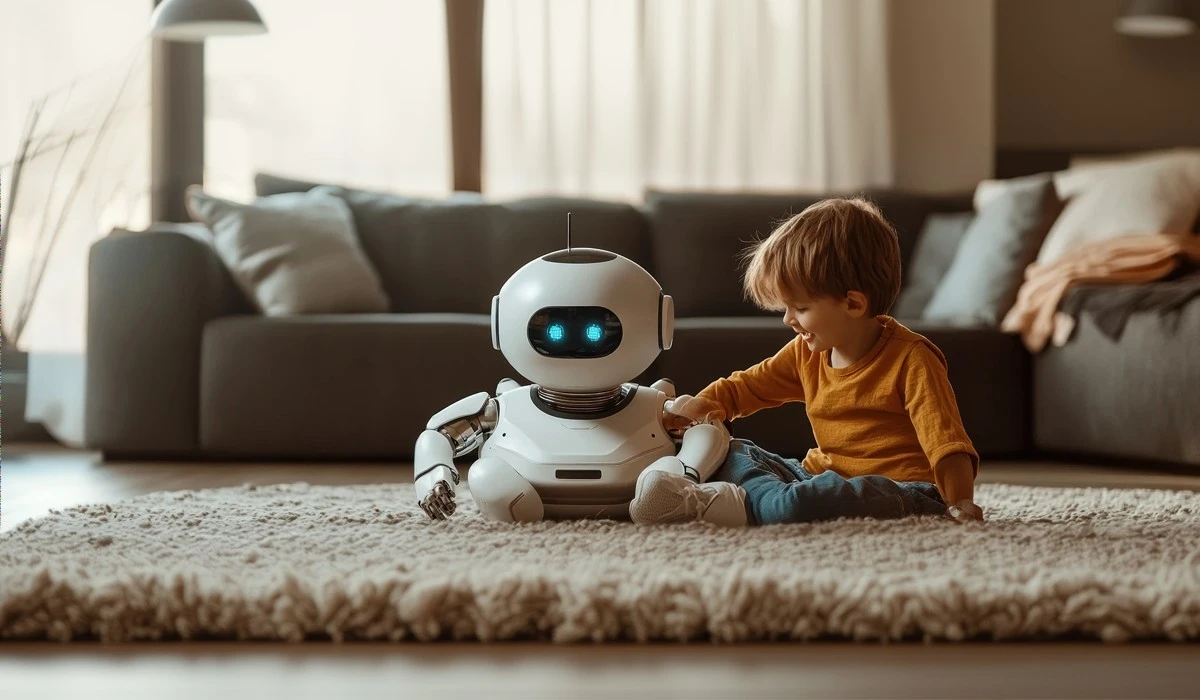
AI Toys for Toddlers Fail at Pretend Play Tests
Developers program smart chatbots to hold factual conversations, completely forgetting that young children communicate primarily through absurd, illogical make-believe.
When a five-year-old hands a plastic cup of imaginary tea to a digital bear, the software simply hits a wall. The code demands literal prompts and clear verbal instructions. Childhood thrives on the exact opposite.
This primary clash drives the current debate around AI toys for toddlers. Companies rush to put sophisticated voice assistants inside stuffed animals, promising advanced learning and constant companionship. Families eagerly buy into the promise of early language skills. Yet, deep flaws remain built right into the core programming.
These devices frequently misinterpret sadness, misunderstand basic play, and create distinctly one-sided relationships. As tech giants push these products into playrooms, parents face a completely uncharted territory. The race to modernize the toy box accidentally ignores the basic ways human minds actually develop. The stakes for cognitive growth have never been higher.
The Pretend Play Blindspot in AI Toys for Toddlers
Algorithms require factual inputs to generate responses, forcing children to abandon abstract creativity just to keep the device working.
According to a recent University of Cambridge study—the first systematic research on how generative AI toys affect young children—these devices misread emotions and struggle with developmentally important types of play. Researchers from the PEDAL (Play in Education, Development and Learning) Center spent a full year observing fourteen children across several London centers. Through a partnership with the Babyzone charity and sponsorship from The Childhood Trust, the team analyzed how early minds process digital playmates. They specifically focused their research on socio-economic disadvantage areas, where families might view these devices as accessible educational tools.
Smart Toys Fail the Imagination Test in Children’s Play
The observational timeframe focused heavily on test subjects like five-year-old Charlotte and three-year-old Josh. As detailed in a report by The Guardian, the children interacted with Gabbo, an £80 soft toy built by the tech company Curio that features a computer screen for a face and prompted physical affection like kisses from the subjects. Gabbo operates using an OpenAI voice-activated chatbot as its internal system. This software powers the toy’s responses, giving it a massive adult-level vocabulary.
However, the researchers quickly noticed severe limitations. The device struggles completely with unstructured pretend play. Dr. Emily Goodacre highlighted the toy’s total device blindness toward imaginary scenarios. Human adults effortlessly jump into a child's fantasy world. We pretend to eat plastic food or run from make-believe monsters without hesitation.
The smart toy lacks this comprehension entirely. This adult comprehension creates a stark contrast to digital ignorance. The toy repeatedly forces the child to speak in literal, factual terms to prompt a correct response. Experts worry this exact requirement causes the erosion of a child's imaginative muscle. Children naturally build cognitive strength through nonsensical play. Forcing them to adapt to a computer's rigid communication style severely limits their creative freedom.
Emotional Misreading and the Missing Human Anchor
Code designed to offer comfort frequently isolates users by responding to background noise instead of actual distress.
Smart toys routinely fail to grasp the physical context of human emotion. The Cambridge team documented multiple instances of emotion misinterpretations during the one-year trial. A child expresses sadness, seeking basic reassurance from their fluffy companion. Instead of providing comfort, the algorithmic emotional misinterpretations lead to a total absence of digital solace.
The situation worsens dramatically when the software gets confused by its environment. Transcript analysis revealed a glaring contradiction between voice recognition and emotional intelligence. The toy sometimes ignores a child's statement of sadness entirely. The microphone picks up the parent's voice across the room and responds to the adult instead.
This audio glitch leaves the young user completely abandoned in a vulnerable moment. The child receives zero comfort from the toy and lacks subsequent adult emotional backing because the parent assumes the toy is handling the interaction. The young child learns to expect empathy from a machine that randomly tunes them out.
Parents must understand how the internal hardware processes audio. The microphone acts as a vacuum, sucking in all nearby sounds equally. The software cannot intuitively prioritize a crying child over a loud television or a speaking adult. This basic limitation leaves vital unaddressed emotional needs.
The Lack of Prior Research
As noted by ResultSense, the Cambridge team found just seven relevant studies worldwide examining AI toys and young children, with absolutely none focusing on the toddlers themselves. The industry launched these products without baseline data on how early minds handle robotic empathy. Companies effectively treat children as real-time test subjects for unproven technology.
The Parasocial Trap Inside Generative AI Toys
Research published by the University of Cambridge shows that companionship programming actively trains users to form deep parasocial attachments to inanimate objects, with observations revealing children hugging, kissing, declaring love for, and even suggesting hide-and-seek with the toys.
Many families worry about general data collection, but researchers identified a much more specific and immediate anxiety. Children naturally attempt to form bonds with anything that talks back. Observers watched children trying to play hide-and-seek with the bots. The toy sits motionless in a corner while the child expects it to actively participate in a physical game.
This behavior sparks deep parasocial relationship fears. A child invests genuine affection into a stuffed animal. The software mimics friendship perfectly, encouraging the child to return for more interaction. What are the risks of AI toys for toddlers? They can cause unhealthy one-sided affection and erode a child's natural imaginative muscle. This artificial setup creates a deeply unbalanced psychological relationship.
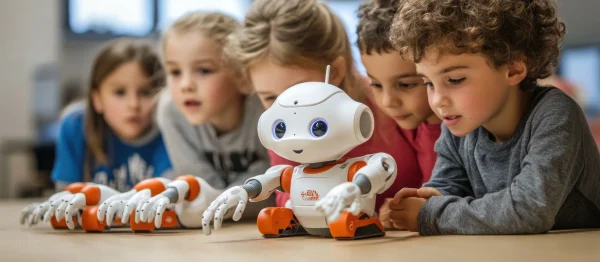
AI Toys Risk Creating False Emotional Bonds in Children
The machine feels absolutely nothing, yet the child feels everything. This creates an emotional trap. Researchers suggest implementing strict limits on friendship affirmation capabilities within these devices. The toy should never use language that tricks a young mind into believing a mutual friendship actually exists.
Such false connections warp early social development. A child might prefer the predictable, endlessly patient responses of a machine over the difficult, frustrating interactions with real human peers. Real friendships require conflict resolution, patience, and mutual empathy. Smart toys bypass all these vital social hurdles, offering a hollow substitute for authentic connection.
Data Privacy versus Corporate Defense in AI Toys for Toddlers
A microphone concealed inside a teddy bear records daily family life under the protective guise of parental consent.
Curio fiercely defends its products against these rising concerns. The company points to its iterative development process, promising constant software updates to improve safety and functionality. They argue their product foundation rests entirely on guardian permission, transparency, and total parental control.
A Curio representative stated that their youth-oriented algorithmic integration brings an elevated duty of care. They place the responsibility directly into the hands of the buyer. Parents control the settings through companion apps. Parents monitor the chat logs. Parents hold the ultimate authority over the device.
However, the corporate ties reveal a deeply commercial motive behind these cute devices. The voice for Curio's Grem toy belongs to Grimes, a prominent musician and former partner of Elon Musk. She acts as a key Curio collaborator. This high-profile celebrity connection highlights the aggressive marketing pushing these toys into mainstream culture.
Families must navigate highly complicated user agreements just to turn the toy on. Parental guidelines now strongly recommend performing thorough audio data retention checks. Buyers must verify exactly where the voice recordings go and how long the company keeps them on their servers. The heavy burden of digital privacy for kids falls squarely on exhausted parents trying to keep their children entertained.
The Deep Divide Among Educators on Smart Toy Regulations
Classrooms face a flood of new digital tools long before safety boards can evaluate their actual long-term cognitive effects.
The educational sector completely lacks consensus on how to handle generative AI toys. An industry survey reveals 69% of early years practitioners actively demand more sector guidance. Meanwhile, 50% of practitioners admit total ignorance regarding where to find reliable algorithmic safety info sources.
Some leaders take a hardline stance against the tech. Sophie Winkleman argues that interpersonal connection for youth remains sacred and holy. She demands fierce defense of human interaction, pushing for total tech avoidance in early education settings. June O'Sullivan backs this up, citing zero visible proof of digital benefits in early education. She insists human interaction maintains strict superiority for holistic skill building. Are AI toys safe for early education? Many educators believe these devices lack rigorous security vetting standards and fail to prove actual developmental benefits.
Dame Rachel de Souza also warned against unregulated digital classroom aids, noting the total absence of a rigorous security vetting standard. Teachers find themselves navigating highly advanced software without a clear rulebook. The classroom environment requires proven tools. Experimental technology has no place here.
Parental Optimism Clashing with Reality
Hopeful buyers purchase these devices expecting advanced language tutoring, bypassing the reality of the machine's strict conversational limits.
A striking contradiction defines the market for AI toys for toddlers. Experts and educators heavily lean toward universal tech rejection in the early years. Meanwhile, families show massive parental optimism toward the exact same products.
Parents show immense initial interest in the language and communication skill potential of these smart stuffed animals. They eagerly await widespread commercial availability. They view the toy as a tireless digital tutor, endlessly willing to practice vocabulary with a stuttering three-year-old. How do AI toys affect childhood cognitive development? These devices offer potential language practice but often fail to provide the holistic skill building that comes from genuine human interaction. The promise of an educational shortcut heavily drives consumer behavior.
Some early years practitioners share a small sliver of this optimism. They believe immediate harm might eventually turn into future potential. With sufficient technological refinement, the software could offer real developmental support in specific educational scenarios.
Right now, however, the technology remains highly primitive. Josephine McCartney noted the massive technological disruption hitting youth recreation. She pointed out our primitive comprehension of developmental effects. The technology currently moves significantly faster than the scientific community measuring its long-term effects.
Crafting New Rules for AI Toys for Toddlers
Regulators historically target physical hazards, leaving a massive regulatory gap for mental wellbeing protections. Prof. Jenny Gibson clearly articulated this massive shift in regulatory needs. Historical priority always centered on bodily hazard prevention. Regulators looked for loose buttons, toxic paint, and obvious choking risks. Today, a new imperative demands strict mental wellbeing protection for vulnerable users.
According to The Guardian, the developmental psychologists behind the Cambridge study are now calling for smart toys capable of talking with young children to face much tighter regulations across the entire industry. They suggest creating new safety kitemarks specifically designed for digital and emotional safety. Prof. Gibson argues that transparent, strict rules will directly lead to elevated buyer trust. Consumers currently harbor deep suspicion toward tech corporations. Clear, enforced rules provide a necessary safety net for hesitant families.
Guidelines for parents must go far beyond checking battery compartments. The expert panel recommendations urge buyers to verify toy age suitability carefully. Families must ensure strict family value alignment before bringing a chatting robot into their living room. Parents also need clear child guardrails built into the software to prevent the device from exploring inappropriate conversation topics.
Josephine McCartney insists on the mandatory alignment of rules with technological advancement. As the software evolves, the safety checks must evolve simultaneously. The current approach leaves young minds acting as beta testers for massive tech companies.
The Reality of Robotic Playmates
The rush to digitize the nursery exposes a primary misunderstanding of early child development. Companies build incredibly complicated software to mimic human connection, completely missing the messy, abstract brilliance of real childhood play.
A plastic microphone cannot replace the emotional intuition of a parent. An algorithm cannot participate in the illogical joy of an imaginary tea party. These devices force young minds to adapt to rigid, literal programming, stunting the exact creativity they claim to encourage.
Before families introduce AI toys for toddlers into their homes, they must look past the flashy marketing and celebrity endorsements. True cognitive growth requires human friction, authentic empathy, and the absolute freedom to invent without boundaries. The ultimate developmental tool remains exactly what it always has been: a deeply present human being.
Recently Added
Categories
- Arts And Humanities
- Blog
- Business And Management
- Criminology
- Education
- Environment And Conservation
- Farming And Animal Care
- Geopolitics
- Lifestyle And Beauty
- Medicine And Science
- Mental Health
- Nutrition And Diet
- Religion And Spirituality
- Social Care And Health
- Sport And Fitness
- Technology
- Uncategorized
- Videos

