
Chalke Gate Riots and Byzantine History Iconoclasm
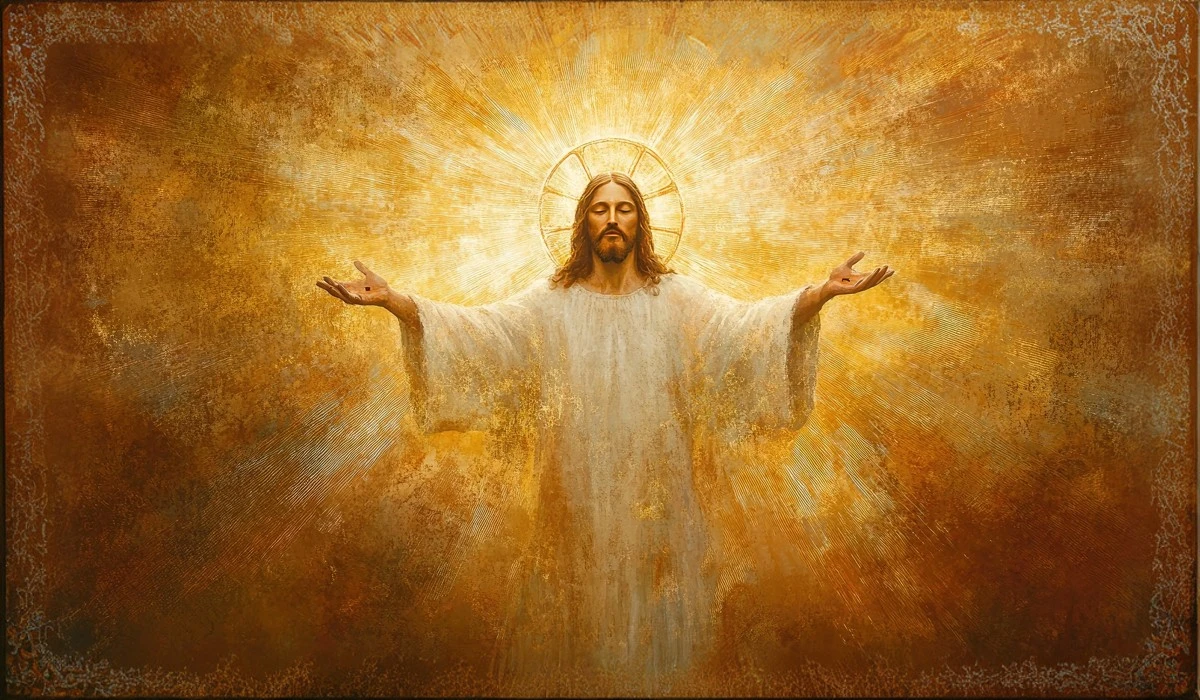
In 726 AD, an imperial officer climbed a ladder to destroy a face. He reached for the golden image of Christ above the Chalke Gate, the ceremonial entrance to the Great Palace of Constantinople. Below him, a crowd watched with growing fury. These citizens saw that icon as a living protection for their city. When the officer struck the image, the crowd transformed into a violent force. They pulled him down and killed him on the spot.
According to Britannica, the Byzantine emperor Leo III took a public stand in 726 AD against the perceived worship of icons, and by 730 AD, their use was officially prohibited, launching a war over art that changed Byzantine History forever. It started the iconoclasm controversy, a period where emperors tried to erase the holy faces of their own people. These rulers believed that God punished the empire for worshiping wood and paint. They thought that removing these images would win back divine favor and stop the advancing Arab armies. This struggle eventually reached every home, monastery, and church in the empire.
The Riot That Defined Byzantine History
The murder of the imperial officer at the Chalke Gate shocked the palace. Emperor Leo III had only recently expressed his dislike for religious images. This event forced him to act with total authority. He realized that his subjects loved their icons more than they feared his decrees. The image of "Christ Chalkites" served as a powerful symbol of the Emperor's divine protection. Its destruction signaled a new time of state control over the human soul.
The Fall of the Chalke Christ
The people of Constantinople held an intense emotional attachment to the Chalke Christ. They believed the image possessed a real connection to the divine. When the soldiers arrived to tear it down, the women of the city led the charge. These women often managed the religious life of the home. They viewed the removal as a direct assault on their faith. The lynching of the spatharios, or imperial officer, showed the Emperor that his people would fight for their art.
Martial Law and Imperial Defiance
Leo III responded to the riot with overwhelming force. He did not back down. Instead, he moved from mild disapproval to an official state-mandated ban on religious imagery. He replaced the beautiful icons with simple crosses. To the Emperor, the cross represented a pure, uncorrupted symbol of victory. To the people, the blank spaces on the walls felt like a spiritual desert. This defiance set the stage for a century of internal war.
Scriptural Roots of the Iconoclasm Controversy History
The debate over icons rested on the interpretation of the Bible. Rulers and clergy who supported the ban called themselves "Iconoclasts," meaning image-breakers. They pointed to the Old Testament as their primary weapon. They argued that the Second Commandment forbade any "graven image" of things in heaven or on earth. In their eyes, the empire had fallen into the trap of paganism.
The Second Commandment vs. Tradition
Iconoclasts believed that physical objects could not hold holy power. Why did the Byzantines destroy their own religious art? The movement was driven by a belief that military defeats and natural disasters were divine punishments for the "idolatry" of worshiping icons instead of God. They wanted to strip the church of anything that looked like a statue or a painting. Meanwhile, their opponents, the "Iconodules," argued that the birth of Jesus changed everything. They claimed that since God took a human body, artists could rightfully paint His face.
Imperial Power and Divine Disfavor in Byzantine History
During this period, people believed that the Emperor’s personal holiness determined the empire’s safety. If the army lost a battle, the Emperor must have sinned. This mindset linked politics and theology in a way that modern readers might find strange. Leo III watched his borders crumble and looked for a spiritual cause for these failures. He found his answer in the smoke of a volcano.
The Eruption of Thera and Divine Omens
In 726 AD, a massive submarine volcanic eruption occurred between the islands of Thera and Therasia. Ash filled the sky, and the sea boiled. According to documents hosted by Cristo Raul, Leo III interpreted this phenomenon as a clear sign of God’s wrath falling heavily on the monarchy. He concluded that the veneration of icons caused this disaster. This moment illustrates how Byzantine History often moved according to the perceived relationship between the Emperor's piety and the empire's survival. The eruption gave Leo the political cover he needed to launch his crusade against the icons.
The Council of Hieria and the Height of State Suppression
Leo’s son, Constantine V, took the persecution to a new level. He was a brilliant general but a ruthless theologian. He wanted to give the ban a formal legal basis. In 754 AD, he gathered 338 bishops at the Council of Hieria. No representatives from Rome or the other major patriarchs attended. This "Mock Council" officially declared that icons were idols and that anyone who owned them was a heretic.
Defining the Nature of Christ in Art
Constantine V used involved logic to trap his opponents. Records from the Council of 754, archived by Fordham University, note that he argued an artist could only represent the flesh of Christ that was seen and handled, rather than his divine nature, suggesting that attempts to depict the divine were a significant error. Who were the primary opponents of icons during the first phase? The primary opponents were the "Iconoclast" emperors and high-ranking clergy who sought to purify the church from what they viewed as pagan-adjacent practices. When he framed the debate around the "nature" of Christ, Constantine made it impossible for artists to defend their work without sounding like heretics.
Empress Irene and the First Restoration of Icons
The iconoclasm controversy's history took a sharp turn when Empress Irene came to power. She served as regent for her young son and secretly loved icons. Irene knew she had to move carefully. The army still supported the ban because they associated it with the military victories of Constantine V. She waited for the right moment to strike.
The Second Council of Nicaea (787 AD)
As documented in the Papal Encyclicals, Irene successfully convened the Seventh Ecumenical Council in 787 AD after a recommendation was made to summon the assembly. She moved the meeting to Nicaea to avoid the pro-iconoclast mobs in the capital. A translation from New Advent confirms the council restored the veneration of icons and created a vital distinction between latria and proskynesis, noting that the honor paid to an image passes to the person or concept it represents. The bishops explained that Christians only worship (latria) God. They merely honor or venerate (proskynesis) the icon as a window to the person depicted. This decision briefly brought peace to the empire.
The Second Phase of the Iconoclasm Controversy History
The peace did not last. In the early 9th century, the empire faced renewed threats from the Bulgars and the Abbasid Caliphate. When the icon-venerating emperors lost battles, the army grew restless. They remembered the "glory days" of the iconoclast rulers. Encyclopædia Britannica notes that in 813 AD, Leo V the Armenian took the throne and, following military reversals, resurrected iconoclastic policies in 815.
Military Defeat and the Return of Aniconism
Leo V believed that the restoration of icons had caused the recent military disasters. He pointed to the tomb of Constantine V and claimed the old emperor was calling for the destruction of images. How long did the iconoclasm controversy last? According to the Greek Orthodox Archdiocese of America, the conflict spanned over a century, beginning roughly in 726 AD and reaching its final conclusion on the first Sunday of Lent in 843 AD with the Feast of Orthodoxy. This second phase lacked the intellectual fire of the first, but it still caused deep suffering for monks and artists.
The Enduring Legacy of Art in Byzantine History
The struggle finally ended when another woman took the reins of power. According to Britannica, Empress Theodora, acting as regent for her son Michael III, permanently restored the icons in 843 AD with the help of Patriarch Methodios. This victory changed the face of the empire forever. It ensured that Byzantine History would be remembered for its shimmering mosaics and golden icons rather than blank walls. Theodora’s actions established the "Triumph of Orthodoxy," a feast day that Eastern Christians still celebrate today.
The Triumph of Orthodoxy and Theodora
Theodora worked with Patriarch Methodios to remove the last iconoclast bishops. They brought icons back into the Hagia Sophia in a grand procession. This change influenced church design. Research by Tomoyuki Masuda for Waseda University indicates that artists began to place the image of the Pantokrator in the center of every dome as a general principle after this period. Artists also typically placed the Mother and Child in the apse. This period in Byzantine History fixed the style of religious art for centuries. It turned the church into a physical map of the heavenly kingdom.
The Echoes of the Chalke Gate
The Chalke Gate riots started as a local protest but grew into a civil war for the soul of an empire. This century of conflict forced the people to define exactly what they believed about the physical world and the divine. The iconoclasm controversy destroyed art while simultaneously establishing a new way of seeing. It taught the empire that beauty could be a bridge to the holy.
Through the study of these events, we see that the Byzantines did not fight over mere decorations. They fought over the identity of their civilization. The final victory of the icons ensured that the visual splendor of Constantinople would survive for another six hundred years. Through an understanding of this struggle, we can see the full depth of Byzantine History. It reminds us that even in the darkest times of destruction, the human desire for beauty and connection eventually wins.
Recently Added
Categories
- Arts And Humanities
- Blog
- Business And Management
- Criminology
- Education
- Environment And Conservation
- Farming And Animal Care
- Geopolitics
- Lifestyle And Beauty
- Medicine And Science
- Mental Health
- Nutrition And Diet
- Religion And Spirituality
- Social Care And Health
- Sport And Fitness
- Technology
- Uncategorized
- Videos

