
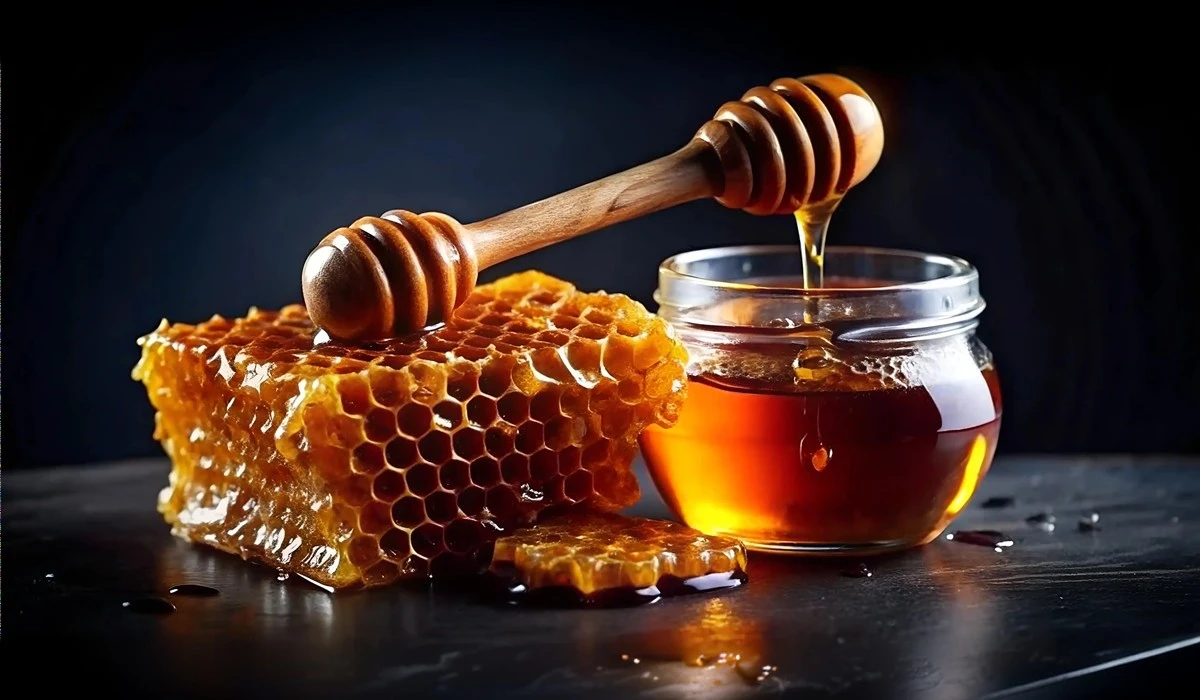
Honey Fraud Hurts Beekeepers
Liquid Gold, Solid Lies: The Bitter Truth Behind the Honey in Your Cupboard
Criminal activity rarely brings to mind the image of a golden, sticky spread on morning toast, yet a massive fraud operation currently sits in kitchen cupboards worldwide. That innocent jar of sweetener likely conceals a dark history of international smuggling, chemical tampering, and economic deception. Most consumers view honey as a pure gift from nature, but global investigations reveal that it now ranks as the third most faked food product on the planet, trailing only milk and olive oil. Criminal networks have infiltrated the supply chain so thoroughly that finding a genuine pot in a standard supermarket has become a statistical challenge. This is not a fictional plot from a detective novel; it constitutes a genuine crisis affecting food security, public health, and agricultural economies. Families unwittingly consume flavored sugar syrups while believing they are eating a natural health food, and this deception generates billions in illicit profits annually.
The Biological Miracle of Authentic Production
True honey creation involves a complex biological process that factories simply cannot replicate without cutting corners. Worker bees leave the hive to forage, visiting millions of flowers to collect nectar, which they store in a special second stomach. Enzymes within the bee immediately begin breaking down complex sugars into simple ones, transforming the chemical composition of the nectar during the flight home. House bees then receive this liquid and pass it mouth-to-mouth, further reducing moisture and adding more enzymatic magic before depositing it into a beeswax cell. The colony then works tirelessly to fan the honeycomb with their wings, evaporating water content until the substance reaches a perfect state of preservation. Beekeepers harvest this product only when the bees seal the cells with wax, signaling that the honey is ripe, shelf-stable, and chemically complete. This laborious natural cycle explains why real honey commands a high price.
The Industrial Shortcut of Immature Harvesting
Commercial fraudsters bypass nature’s timetable to maximize profit margins through a method known as immature harvesting. Unethical producers extract the nectar from the comb while it remains a watery, unripened fluid, long before the bees have finished their enzymatic work. Factories then pump this thin liquid through massive dehumidifiers and heating units to artificially remove the moisture and thicken the product. This mechanical deception creates a syrup that mimics the texture of honey but lacks the complex flavor profiles, pollen markers, and biological benefits of the real thing. The resulting sweetener is essentially a sterile, dead sugar syrup rather than a living food. By skipping the bees' labor, these factories can produce vast quantities at breakneck speeds, flooding the global market with a substandard product that undercuts honest beekeepers who wait for nature to finish the job.
Shocking Statistics from European Investigations
Regulators finally caught up with these practices during a massive sting operation conducted between 2021 and 2022. The European Commission, working alongside the European Anti-Fraud Office, launched "From the Hives" to test imports arriving at borders. The results shocked the food industry; the labs flagged 46 percent of the sampled shipments as suspicious or clearly adulterated. The data revealed that 74 percent of imports from China and 93 percent from Turkey failed to meet authenticity standards. Perhaps most alarming for British consumers, every single sample exported from the United Kingdom to the EU failed the tests. This 100 percent failure rate suggests that the UK has become a transit hub where fraudsters blend and repackage fake foreign syrups before shipping them onward, hiding the true origin of the sticky contraband under a British flag.
The Chemistry of Cheating with Syrups
Adulteration techniques have evolved from simple dilution to sophisticated chemical warfare designed to evade detection. In the past, crooks simply added corn syrup or cane sugar, but laboratories easily spotted these "C4" sugars using carbon isotope testing. Fraudsters responded by switching to "C3" plant syrups derived from rice, wheat, or sugar beets, which possess a molecular structure nearly identical to the natural sugars found in honey. Rice syrup, in particular, has become the weapon of choice for counterfeiters because it blends seamlessly with light honeys and leaves almost no chemical footprint for older testing methods to find. Factories in Asia now openly advertise "fructose syrup for honey" that they guarantee will pass standard laboratory checks. This cat-and-mouse game forces regulators to develop increasingly expensive and complex testing protocols just to keep up with the cheaters.
Erasing the Evidence through Resin Technology
Criminals use another high-tech method called resin ultrafiltration to scrub their tracks and hide the geographical source of their product. This process involves pumping honey through a high-tech filtration system that removes not just impurities but also all traces of pollen. Pollen serves as the botanical passport of honey; a scientist can look at the grains under a microscope and tell you exactly which plants the bees visited and in which country those plants grew. By stripping the pollen out entirely, smugglers create a "ghost honey" that has no origin story. They can then claim this generic liquid comes from prestigious regions like Provence or Tuscany, when it actually originated in a factory in East Asia. This technology turns a unique, terroir-driven food product into a generic commodity that traffickers can ship anywhere without fear of botanical verification.
The Global Route of Honey Laundering
A complex web of transshipment points allows "dirty" honey to wash its identity before reaching Western supermarket shelves. Chinese exporters often face high tariffs or outright bans in certain markets due to past safety violations, so they ship their barrels to intermediate countries first. A shipment might leave Shanghai and arrive in Vietnam, India, or Malaysia, where workers re-label the drums as domestic produce. The cargo then travels to Europe or America with a clean bill of lading, completely bypassing anti-dumping duties and safety checks targeting the original source. This "honey laundering" scheme mirrors money laundering tactics, using a series of shell companies and transit hubs to obscure the paper trail. By the time a jar reaches a table in London or Berlin, it may have traveled through three different countries, changing its nationality with each border crossing.
Economic Devastation for Honest Beekeepers
The flood of cheap, fake imports destroys the livelihoods of local apiarists who simply cannot compete with factory prices. A jar of authentic British or European honey reflects the true costs of maintaining hives, treating for pests, and surviving the winter, pushing the price point to £6 or more. Meanwhile, supermarkets sell "blended" honey for as little as 69p, a price that is mathematically impossible to achieve through natural beekeeping. This price dumping forces honest farmers out of business, as they cannot sell their harvest for less than the cost of production. When commercial beekeepers go bankrupt, they sell their equipment and abandon their trade, leading to a permanent loss of domestic knowledge and capacity. The market failure here is absolute; the bad product drives out the good, leaving consumers with few options and destroying the rural economy.
The Threat to Global Pollination Systems
The collapse of the beekeeping industry poses a threat that extends far beyond the breakfast table to the heart of global agriculture. Bees pollinate roughly one-third of the food we eat, including apples, almonds, berries, and broccoli. Commercial beekeepers provide these pollination services, moving hives from crop to crop to ensure a good harvest. As low honey prices drive these professionals into bankruptcy, the number of managed colonies available to pollinate crops declines sharply. We rely on these insects to maintain food security, and a market flooded with fake honey indirectly sabotages the production of fruits and vegetables. If the beekeeping industry collapses due to economic fraud, the cost of fresh produce will skyrocket, and the availability of nutrient-dense foods will plummet. The cheap jar of syrup stands as a direct threat to the stability of the entire food system.
The Manuka Honey Gold Rush
New Zealand's famous Manuka honey represents the most lucrative sector of the industry and, consequently, the biggest target for fraudsters. Consumers pay eye-watering prices for Manuka due to its proven antibacterial properties and scarcity, making it "liquid gold" for scammers. Official statistics reveal a mathematical impossibility: New Zealand produces roughly 1,700 tonnes of genuine Manuka honey annually, yet approximately 10,000 tonnes sell globally under that label every year. This means that at least four out of every five jars sold as Manuka are fake. Swindlers dilute a small amount of real Manuka with cheap clover honey or synthetic syrup, then slap a premium price tag on the jar. They exploit the confusion around rating systems to sell inactive table honey to customers who believe they are buying a medicinal product, reaping massive profits from the deception.

Decoding the Chemistry of Manuka Ratings
Understanding the specific chemical markers of Manuka helps separate the medical-grade product from the expensive imposters. Genuine Manuka contains high levels of methylglyoxal (MGO), a compound that provides the unique antibacterial punch that regular honey lacks. Scientific certification systems like the Unique Manuka Factor (UMF) test for MGO alongside other markers like leptosperin and DHA to guarantee purity. Fraudsters often use misleading numbers on their labels, such as "Active 15+" or "Bio-Active 20," which have no legal definition and often refer to total peroxide activity—a trait found in even the cheapest table honey. These vague terms trick consumers into paying £40 or £50 for a jar that offers no special benefits. A legitimate UMF or MGO rating serves as the only real assurance of quality, yet the market remains flooded with confusing, unregulated terminology designed to baffle the buyer.
Health Risks: The Diabetes Connection
Replacing natural honey with industrial syrup creates immediate health consequences for the consumer, particularly regarding blood sugar control. Pure honey has a lower glycemic index than refined sugar because it contains a complex balance of fructose, glucose, and trace minerals that the body metabolizes steadily. Adulterated honey, often spiked with high-fructose corn syrup or rice syrup, spikes blood glucose levels violently, mimicking the metabolic impact of a can of soda. Consumers who choose honey as a "healthier" alternative to sugar for their oatmeal or tea are actually dosing themselves with the very refined sugars they tried to avoid. This hidden source of high-glycemic sweeteners contributes to the rising rates of insulin resistance and type 2 diabetes, turning a perceived health behavior into a metabolic risk factor.
Hidden Toxins and Antibiotic Residues
The health dangers of fraud extend beyond sugar spikes to include the presence of dangerous pharmaceutical residues. Regulators in Europe and America strictly ban the use of antibiotics in beehives, but producers in other regions use them freely to prevent disease in overcrowded, unsanitary factory hives. Chloramphenicol, a potent broad-spectrum antibiotic linked to a rare but fatal blood disorder in humans, frequently shows up in testing of illicit honey shipments. Because the black-market producers know their product contains these illegal drugs, they filter the honey aggressively to remove the evidence, but chemical traces remain. Consuming these residues contributes to the global crisis of antibiotic resistance, as low-level exposure allows bacteria in the human gut to develop immunity to life-saving drugs. The jar becomes a delivery vehicle for banned substances that no doctor would ever prescribe.
Heavy Metals and Environmental Contaminants
Unregulated honey imports frequently carry a toxic load of heavy metals and agricultural pesticides picked up from polluted environments. Bees forage within a distinct radius, bringing back whatever chemicals exist in their local atmosphere and water supply. Honey from industrial zones in developing nations often contains alarming levels of lead, cadmium, and arsenic, which accumulate in the human body over time and damage internal organs. furthermore, investigations often find high levels of amitraz, a pesticide used to kill mites in hives, in rejected shipments. While strict EU and UK laws limit these contaminants in domestic production, the "laundered" honey that bypasses checks brings these poisons into the food supply. Parents feeding this product to children may unwittingly expose them to neurotoxins and carcinogens that strict food safety laws were designed to eliminate.
The Failure of Carbon Isotope Testing
For decades, food safety officials relied on a technique called Stable Carbon Isotope Ratio Analysis (SCIRA) to catch the cheaters. This method works by measuring the ratio of carbon-13 to carbon-12 in the sugar, which differs depending on whether the plant uses a "C3" or "C4" photosynthesis pathway. Corn and sugar cane are C4 plants, while bees naturally collect nectar from C3 flowering plants. The test worked beautifully until fraudsters realized they could simply switch to using syrups from C3 plants like rice, wheat, and beet. Since the carbon fingerprint of rice syrup matches that of natural honey, the SCIRA test comes back "clean" even for a product that is 100% syrup. This technological loophole rendered the standard regulatory tool useless almost overnight, allowing the fake honey trade to explode while inspectors stood by, technically blind to the crime occurring right under their microscopes.
The Rise of Nuclear Magnetic Resonance
Science has finally responded with a powerful new weapon known as Nuclear Magnetic Resonance (NMR) spectroscopy. This technology, originally used in medical MRI scans, creates a complete 3D magnetic "fingerprint" of the honey's molecular composition. NMR does not just look for one or two markers; it scans for thousands of compounds simultaneously, creating a profile that includes sugar types, amino acids, and organic acids. If a sample deviates even slightly from the known reference profile of genuine honey—for instance, if it lacks specific fermentation byproducts or contains unusual fermentation inhibitors—the machine flags it. NMR detects the new C3 syrups that the old carbon tests missed, and it can even verify the geographical origin by analyzing the unique chemical mixture of the local soil and flora. This technology currently stands as the best hope for cleaning up the supply chain.
Pollen Forensics: The Traditional Detective
Melissopalynology, the study of pollen in honey, remains a critical tool for verifying where a jar actually came from. Every region on Earth hosts a unique community of plants, and the pollen profile in a jar of honey acts as a botanical fingerprint of that specific location. A specialized scientist can look at a slide and see eucalyptus pollen, instantly knowing the honey likely came from Australia or South America, not the English countryside. If a label claims "British Honey" but the microscope reveals sunflower pollen from Eastern Europe or tea pollen from Asia, the fraud becomes undeniable. However, this method is slow, expensive, and requires years of training to master. There are very few human experts capable of identifying thousands of pollen varieties, creating a bottleneck that prevents regulators from testing every shipment that crosses the border.
Artificial Intelligence Enters the Lab
Technology companies are now deploying artificial intelligence to automate the tedious process of pollen counting and identification. Systems like Honey.AI use robotics to scan microscope slides and machine learning algorithms to identify pollen grains in seconds. These computer vision models have learned from millions of images, allowing them to distinguish between a clover pollen grain and a canola pollen grain with accuracy rates exceeding 90 percent. By automating this task, laboratories can process samples continuously, drastically increasing the volume of testing possible. This technology makes it feasible to screen huge numbers of import batches rather than just a few random samples. As the AI database grows, the system becomes smarter, making it increasingly difficult for smugglers to mislabel the origin of their products without triggering a digital alarm.
The Loophole of Confusing Labels
Current labeling regulations actively aid the fraudsters by allowing vague and misleading descriptions on supermarket packaging. The most notorious offender is the phrase "Blend of EU and non-EU honeys," which effectively means "honey from anywhere on the planet." This label appears on a vast number of jars and provides zero information to the consumer, legally allowing packers to mix a teaspoon of French honey with a barrel of cheap Chinese syrup. Campaigners and beekeeping associations are fighting to change these laws, demanding that labels list every country of origin and the specific percentage from each. Until the law forces companies to state "10% UK, 90% China" on the front of the jar, shoppers will remain in the dark, and premium local brands will struggle to distinguish themselves from the vague "global blends" that dominate the shelves.
Consumer Power: How to Buy the Truth
Shoppers possess the ultimate power to kill the fake honey market by changing their purchasing habits. The first rule involves ignoring the front label's marketing buzzwords like "pure" or "natural" and flipping the jar to read the fine print; if it says "Blend of non-EU honey," it is best left on the shelf. Buying directly from local beekeepers, either at farmers' markets or farm shops, guarantees authenticity and keeps the money in the local economy. Real honey often crystallizes (turns solid) over time, a natural process that heavy processing and syrup adulteration usually prevent. Consumers should also look for specific origin names, such as "Welsh Honey" or "Scottish Heather Honey," rather than generic titles. Supporting local producers ensures the survival of the bee population and guarantees a safe, healthy product for the family table.
A Future Built on Transparency
The battle for the integrity of honey has reached a tipping point where technology and consumer awareness must converge to defeat fraud. New testing methods like NMR and AI-driven pollen analysis are finally closing the loopholes that criminals have exploited for decades. Simultaneously, a growing demand for transparency is pushing governments to rewrite labeling laws and enforce stricter border checks. The era of "honey laundering" may soon end as blockchain tracking and molecular fingerprinting make it impossible to hide the history of a shipment. Until that day arrives, the consumer remains the final line of defense. By choosing to pay a fair price for a local product, we protect our health, save our bees, and ensure that the golden liquid on our spoon is exactly what nature intended it to be.
Recently Added
Categories
- Arts And Humanities
- Blog
- Business And Management
- Criminology
- Education
- Environment And Conservation
- Farming And Animal Care
- Geopolitics
- Lifestyle And Beauty
- Medicine And Science
- Mental Health
- Nutrition And Diet
- Religion And Spirituality
- Social Care And Health
- Sport And Fitness
- Technology
- Uncategorized
- Videos

