

Beat Sugar Cravings With Basic Endocrinology
You stand in front of the pantry at 9 PM. You just finished a large, healthy dinner. Despite the full meal, your brain demands a cookie. You try to resist, but the urge feels physical. Most people call this a lack of willpower. They assume they possess a weak character.
In reality, your blood carries a specific set of chemical instructions. These messages travel from your gut to your brain. They tell your body to find quick energy. You are living through a biological conversation. Understanding Basic Endocrinology gives you the map to this conversation.
Your body runs on a system of glands and messengers. These messengers, or hormones, control your mood, your energy, and your appetite. When these signals get crossed, you feel an intense drive for sugar. You can stop fighting your own body. Learn the rules of your internal chemistry to reclaim control over your kitchen.
Beyond Willpower: The Biological Engine of Hunger
Hunger begins within your cells rather than originating in your thoughts. Your fat cells and your stomach send constant updates to your brain. They report on your current energy levels. When these signals work correctly, you feel full after a meal.
When you skip sleep, this system breaks. Why do I crave sugar when I am tired? A lack of sleep spikes ghrelin, your hunger hormone, while simultaneously crashing leptin, the hormone that tells your brain you are full, and according to a study in PLOS Medicine, this combination of low leptin and high ghrelin is likely to increase appetite. Your brain thinks you are starving. It demands the fastest fuel source available: sugar.
This biological pressure overrides your best intentions. High ghrelin levels make food look more attractive. It increases the "reward" value of high-calorie snacks. You are simply responding to a high-pressure chemical signal. Sleep restores the balance between these two powerful messengers.
Using Basic Endocrinology to Decode Your Cravings
The study of Basic Endocrinology reveals that two main players control your appetite. These are leptin and ghrelin. Think of them as the gas pedal and the brake pedal for your hunger.
The Ghrelin and Leptin Balance Act
According to research published in the PMC, ghrelin is mainly produced in the stomach. It rises when your stomach is empty. It tells your hypothalamus to start the food search. Once you eat, ghrelin levels should drop. Meanwhile, a separate PMC study notes that leptin acts as an adipocyte-derived hormone rising from your fat stores. It tells your brain that you have enough stored energy.
In a healthy system, these two hormones trade places smoothly. Problems arise when you develop leptin resistance. As weight is gained and leptin levels continually rise, Medical Xpress reports that the brain gradually stops responding, meaning it stops "hearing" the leptin signal. Even with plenty of stored fat, your brain thinks the tank is empty. It keeps the hunger signal turned on.
The Role of Dopamine in Reward Seeking
Sugar changes your brain chemistry. When you eat a candy bar, research published in the PMC shows that sugar is noteworthy as a substance that releases opioids and dopamine in your brain. This creates a powerful feeling of pleasure. Basic Endocrinology shows how this reward interacts with your hormones.
Over time, your brain needs more sugar to get the same dopamine hit. This creates a loop. Your body begins to treat sugar like a survival need. You find yourself reaching for sweets purely to feel normal. Breaking this cycle requires stabilizing your internal chemical environment.
The Critical Role of Hormone Receptor Function
Hormones are only half of the story. Your cells must also receive the message. This happens through hormone receptor function. Every cell has "locks" on the outside. Hormones act as the "keys" that fit into these locks.
When a hormone like insulin reaches a cell, it binds to a receptor. This action opens a door for glucose to enter the cell. If the lock is rusty or broken, the door stays shut. This is known as insulin resistance, and as noted in the NCBI Bookshelf, this resistance impairs glucose disposal. Your blood is full of sugar, but your cells are starving for energy.
Poor hormone receptor function causes intense sugar cravings. Because the energy isn't getting into your cells, your body screams for more. It thinks it needs more fuel because the fuel in the blood isn't being used. Improving how these receptors "hear" the signal is the secret to stopping the urge to snack.
Understanding metabolic feedback loops and Blood Sugar
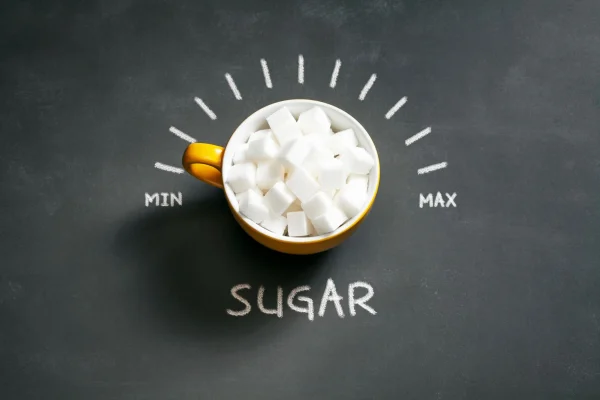
Your body loves stability. It uses metabolic feedback loops to keep your blood sugar in a tight range. When you eat a donut, your blood sugar spikes. Your pancreas responds by pumping out a massive amount of insulin.
This high dose of insulin works too well. It shoves all the sugar out of your blood and into storage. Suddenly, your blood sugar crashes. Ironically, this crash causes another round of hunger. Your body enters an emergency state to bring blood sugar back up.
How do I stop sugar cravings instantly? The most effective way is to consume a high-quality fat or fiber source, which slows down the metabolic response and prevents the sharp insulin spike that causes the craving in the first place. These nutrients act as a buffer. They keep the metabolic feedback loops from swinging too far in either direction. Stability ends the rollercoaster of energy highs and lows.
Restoring Your Health with Basic Endocrinology
You can repair your internal chemistry with specific lifestyle choices. Basic Endocrinology provides the framework for these changes. You must shift from chasing symptoms to fixing the core signals.
The Power of Protein and Healthy Fats
Protein is a powerful signal. When you consume protein, your gut releases a hormone called Peptide YY. This hormone tells your brain you are satisfied for a long time. It provides a much stronger satiety signal than carbohydrates.
Healthy fats also play a role. They don't spike insulin. Eating fats gives your body energy without setting off the blood sugar alarm. This keeps your hormones calm. You avoid the spikes that lead to late-night pantry raids.
Why Timing Matters for Insulin Sensitivity
Your cells are more sensitive to insulin in the morning. As the day goes on, your Basic Endocrinology shifts. Eating large amounts of sugar at night is particularly damaging. Your body is less prepared to handle the load.
Spacing your meals allows your insulin levels to drop. This gives your receptors a "rest." When your receptors rest, they become more sensitive. This means they will work better the next time you eat. Constant grazing keeps insulin high and makes your receptors "deaf" to the signal.
Micronutrients That Support Receptor Sensitivity
Small nutrients make a big difference in your chemical health. Your endocrine system requires specific minerals to function. Without them, your hormone receptor function begins to fail.
Magnesium is one of the most important minerals for this process; research in the PMC suggests that magnesium supplementation enhances sensitivity and decreases resistance by increasing insulin receptor expression, helping to "open the door" for sugar. Chromium also helps. It acts like a helper that makes the insulin key fit more easily into the lock. As highlighted in Frontiers in Endocrinology, Vitamin D directly affects pancreatic beta cells to release insulin, supporting the production of hormones.
Can a vitamin deficiency cause sugar cravings? Yes, specifically, a deficiency in magnesium can mimic sugar cravings because the body needs magnesium to regulate glucose and insulin levels effectively. When your magnesium is low, your body struggles to manage energy. This leads to a false hunger signal. Taking care of these micronutrients ensures your cells can communicate clearly.
Stress, Cortisol, and the Nighttime Snack Trap
Stress ruins your diet. When you are stressed, your adrenal glands release cortisol. This hormone has a very specific job in Basic Endocrinology. As detailed in the NCBI Bookshelf, cortisol elevates blood glucose concentrations by enhancing hepatic gluconeogenesis, preparing you to fight or run by dumping sugar into your bloodstream.
Cortisol’s Effect on Glucose Mobilization
Cortisol tells your liver to release stored glucose. It wants you to have fast energy for an emergency. If you are just sitting at a desk, you don't use that energy. Your body then releases insulin to mop up the extra sugar.
This leads to a crash. You feel tired and agitated. Your brain then looks for sugar to replace what it just stored. This is why a stressful day at work often leads to a bag of chips or a bowl of ice cream at night.
Strategies to Lower the "Stress Cravings"
Calming your nervous system allows you to manage this process. Simple breathing exercises lower cortisol levels. When cortisol stays low, your blood sugar remains stable. You prevent the "false" hunger that stress creates.
Managing your Basic Endocrinology means managing your stress. Physical movement also helps. A short walk burns off the extra glucose and cortisol released. This prevents the insulin spike and the following sugar crash. You break the cycle of stress-induced eating before it starts.
Reclaiming Control Through Basic Endocrinology
Sugar cravings act as symptoms of a communication breakdown inside your body. When you understand Basic Endocrinology, you see the unseen drivers of your behavior. You realize that your hormones, your hormone receptor function, and your metabolic feedback loops dictate your appetite.
You can fix these systems. Sleeping more, eating protein, and managing stress repair your internal signals. You make your cells sensitive to the "full" signal once again. You stop the rollercoaster of blood sugar spikes and crashes.
Stop fighting against your biology. Start providing the environment your hormones need to thrive. When your internal chemistry is balanced, the cravings simply fade away. You gain the freedom to choose your food based on health, free from desperate chemical urges. Reclaiming your health starts with controlling your own internal messengers.
Recently Added
Categories
- Arts And Humanities
- Blog
- Business And Management
- Criminology
- Education
- Environment And Conservation
- Farming And Animal Care
- Geopolitics
- Lifestyle And Beauty
- Medicine And Science
- Mental Health
- Nutrition And Diet
- Religion And Spirituality
- Social Care And Health
- Sport And Fitness
- Technology
- Uncategorized
- Videos

