
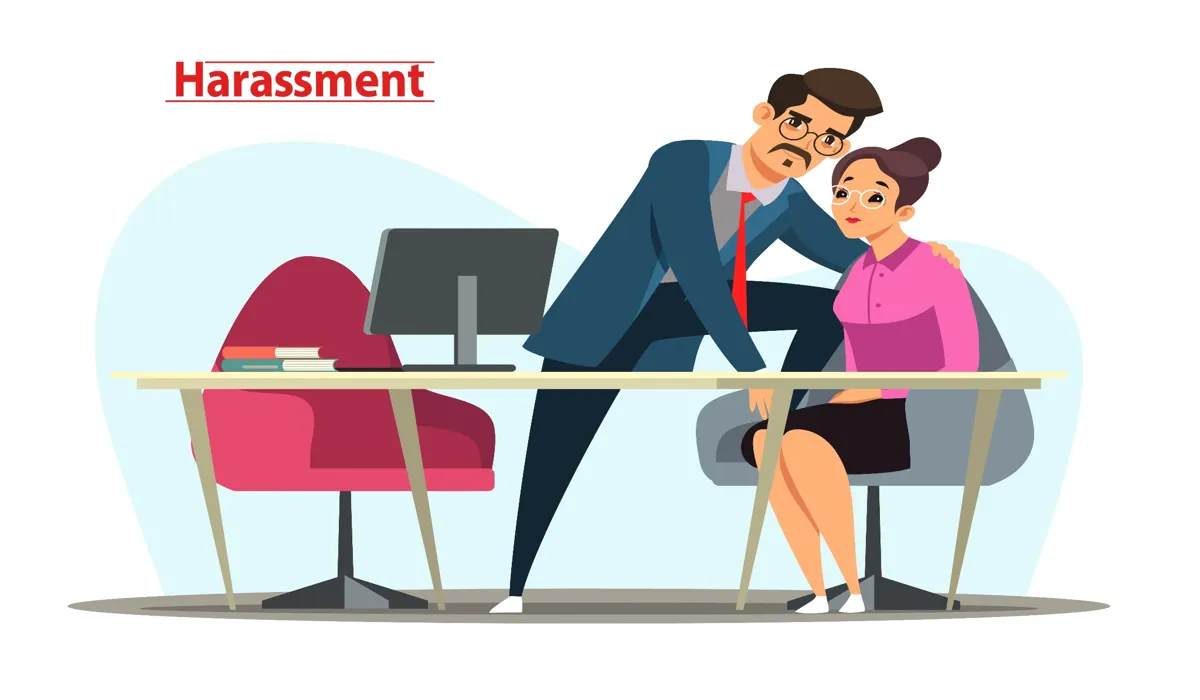
Sexual Harassment Awareness Saves Your Company
A manager makes a crude joke during a Friday afternoon video call. Most of the team laughs, but one employee logs off and immediately starts polishing their resume. Within three months, that employee resigns and files a formal charge with the Equal Employment Opportunity Commission. This single interaction sets off a chain of events that drains the company’s bank account and destroys team morale. Leaders often miss the direct link between a small, unaddressed comment and a massive financial loss. They treat workplace culture as a soft metric until a legal bill arrives. At that point, the damage has already moved from the HR office to the public record. Building sexual harassment awareness prevents these internal failures before they turn into public scandals. This proactive approach protects every dollar of profit and every hour of productivity.
The Massive Price Tag of Ignoring Workplace Misconduct
Ignoring misconduct creates a massive financial drain that most budgets cannot handle. The numbers tell a frightening story for unprepared businesses. According to the EEOC 2024 Annual Performance Report, the agency secured nearly $700 million in monetary relief for about 21,000 victims of employment discrimination in Fiscal Year 2024, which is the highest monetary recovery in its recent history. Businesses often assume they are safe, but harassment charges jumped by 47% between 2021 and 2023. This spike shows that employees are no longer staying quiet about toxic environments.
What is considered sexual harassment in the workplace? A clear definition includes any unwelcome sexual advances, requests for sexual favors, or verbal and physical conduct that creates a hostile work environment. As noted by the EEOC, the definition covers situations where the harasser is a supervisor, a colleague, or even a non-employee such as a client or customer.
Companies lose an estimated $1.6 billion every year due to workplace harassment. This figure includes settlements and legal fees, but it also covers the hours of work lost to distraction. Even if a company wins a case, the defense alone costs an average of $125,000. Leaders must also consider the cost of delay. If an employer waits 21 days to start an investigation, the potential settlement amount typically increases by 15% because courts view the delay as negligence.
Calculating the Turnover and Recruitment Drain
When a company permits a toxic culture, its best people leave first. High performers have options and rarely tolerate an environment that lacks safety. KPMG reports that 42% of the total cost of workplace harassment comes from recruiting and training replacement staff. When a victim resigns, the company loses their institutional knowledge and the money spent on their initial onboarding. Meanwhile, the remaining staff members watch their colleagues leave and wonder if they should be next. This cycle creates a constant state of change that prevents any real growth.
The Effect of Negative Press on Brand Equity
Public scandals carry a price tag that goes far beyond a courtroom. In the age of social media, a single glassdoor review or a viral post about harassment can tank a company’s reputation overnight. Investors pull back when they see signs of cultural instability. Customers often switch to competitors when they perceive a brand as unethical or unsafe for women and minorities. Regaining that trust takes years of expensive PR campaigns and rebranding efforts. Often, the brand never fully recovers its previous value.
Why Sexual Harassment Awareness Training is a Financial Safeguard
Smart executives treat sexual harassment awareness as a form of corporate insurance. This training educates staff and also builds a legal wall around the business. In 1998, the Supreme Court established the Faragher-Ellerth defense. This legal principle allows an employer to avoid liability if they can prove two things. First, they must show they took reasonable care to prevent and correct harassment. Second, they must show the employee failed to take advantage of the company’s reporting channels.
Documented harassment training serves as the primary evidence for this defense. Without a record of recent, comprehensive training, a company has almost no defense against a liability claim. The court views the absence of training as a choice to remain ignorant of employee safety. Investment in regular sessions allows the company to demonstrate a consistent commitment to a professional standard. This documentation transforms a vague policy into a concrete legal shield.
The Evolution of Effective Harassment Training

Old-fashioned training methods often fail because they focus on boring "checkbox" compliance. Employees sit through grainy videos and click through slides just to get back to work. This approach rarely changes behavior and often leads to resentment. Modern harassment training focuses on immersive, scenario-based learning. Instead of memorizing definitions, employees engage with realistic workplace situations. They see how a series of small boundary crossings can lead to a major violation.
Moving Beyond Compliance to Behavioral Change
Knowing the law is only the first step toward a safe office. True safety requires an understanding of social cues and interpersonal boundaries. Effective programs teach employees to recognize the subtle power dynamics that lead to misconduct. For example, a senior partner might think they are just being "friendly" with a junior associate, but the associate feels pressured to comply. Training helps staff members recognize these imbalances. It shifts the focus from avoiding a lawsuit to encouraging a professional atmosphere where everyone thrives.
The Rise of Bystander Intervention Strategies
Modern programs empower the "silent majority" through bystander intervention strategies. Most employees know when they see something wrong, but they don't always know how to stop it. The University of Cambridge's 'Breaking the Silence' initiative notes that training provides staff with the four Ds of intervention, which are direct, distract, delegate, and delay. This gives people a menu of options for interrupting a problematic moment. Research from the National Institutes of Health shows that companies using these strategies see a 17% lower rate of interpersonal violence. When everyone feels responsible for the culture, the culture stays healthy.
Why Sexual Harassment Awareness Changes Company Culture
A workplace built on sexual harassment awareness encourages deep psychological safety. Currently, only about 47.6% of full-time employees report feeling safe in their work environment. When people feel safe, they take more creative risks and collaborate more effectively. They spend their energy on solving business problems rather than navigating uncomfortable social landmines. This boost in engagement leads directly to higher profits and better retention.
Is sexual harassment training mandatory? While federal law does not explicitly require all employers to provide this training, as noted by the law firm Akerman, specific states have created their own requirements. For example, the official New York State website explains that every employer in the state must provide prevention training, and the Illinois Department of Human Resources similarly mandates annual training for all employees working in that state. Failing to follow these state-specific mandates can lead to heavy fines regardless of whether a harassment incident occurs.
Investing in a safe culture offers a massive return on investment. For every $1 a company spends on comprehensive anti harassment training, they see an estimated $16 return. This return appears in lower turnover, fewer sick days, and higher overall productivity. Employees who feel respected give more effort to their tasks. They stay with the company longer and act as brand ambassadors. A healthy culture attracts top-tier talent who prioritize safety and professional integrity.
Best Practices for Implementing Anti Harassment Training
Rolling out anti harassment training requires more than a single email from HR. It needs a structured, multi-level approach to stick. Companies should choose between annual or biennial sessions based on their local laws and industry risks. Guidance from the EEOC on promising practices highlights that committed and engaged leadership remains the most significant factor for success. If the CEO skips the training, the rest of the staff will view it as a waste of time. When executives sit in the front row and engage with the material, they send a message that the company takes conduct seriously.
Tailoring Content to Your Specific Industry
A generic training module rarely works for every business. A law firm faces different challenges than a construction site or a retail store. The retail sector, for instance, reports a 38% harassment rate, which is one of the highest in the private sector. These environments need specific scenarios involving customer interactions and high-turnover staff. Tailored content ensures that the examples feel relevant to the employees' daily lives. When people see their own work environment reflected in the training, they retain the information much longer.
Engaging Remote and Hybrid Workforces
Research by Project Include indicates that the shift to remote work did not end workplace misconduct, as harassment over digital tools remains a problem. According to Canadian Business, more than 25% of workers in the tech industry reported an increase in gender-based harassment since the start of the pandemic. Data from Project Include also shows that 45% of virtual harassment occurs on chat platforms like Slack or Teams, while 41% occurs during video meetings. Effective training must address digital misconduct, such as inappropriate private messages or background images during calls. Companies must maintain the same high standards in a virtual office as they do in a physical one.
Creating a Reliable Infrastructure for Reporting and Feedback
Awareness only works if employees have a safe path to report what they see. The EEOC suggests that a company must provide multiple, accessible complaint procedures for staff to voice concerns. Anonymous reporting tools are important because they lower the barrier for victims who fear retaliation. A study by the EEOC Select Task Force on the Study of Harassment in the Workplace found that roughly 75% of individuals who experience harassment never talk to a supervisor, manager, or union representative. This report explains that employees often fail to report the behavior because they anticipate and fear professional retaliation. A strong system proves that the company values truth over optics.
How do you handle a harassment complaint? HR should follow a standardized protocol involving a prompt, impartial investigation that protects the privacy of all parties involved while ensuring accountability. This process must start immediately after the report arrives. Every person involved deserves a fair hearing, but the company must remain firm on its zero-tolerance policies. Consistent enforcement builds the trust necessary for a healthy reporting culture.
Metrics that Matter: Tracking the Success of Your Program
Management should track the influence of their sexual harassment awareness efforts using real data. Completion rates for training modules are a start, but they don't tell the whole story. Leaders should use anonymous pulse surveys to gauge how safe employees actually feel. They should also monitor the ratio of informal reports to formal charges. An increase in internal reporting often signals that employees finally trust the system to handle their problems.
Using Data to Identify High-Risk Departments
Data helps HR identify specific teams that might need extra support. If one department has a higher-than-average resignation rate, it may indicate a cultural problem. Management can use these patterns to intervene before a major crisis develops. Targeted training sessions can address specific issues within a team without disrupting the entire company. This data-driven approach allows for precise solutions rather than broad, ineffective policies.
Future-Proofing Your Organization Through Prevention
The next generation of workers treats workplace safety as a top priority. Gen Z and Millennial employees often research a company’s culture before they even apply for a job. Companies that lead in sexual harassment awareness will win the "war for talent" over the next decade. Prevention is an ongoing process that requires regular updates to stay relevant. As social norms and laws change, the training program must change with them. This commitment to growth shows that the company respects its people and its future.
The Lasting ROI of Sexual Harassment Awareness
Building a professional and safe workplace is the most effective way to ensure long-term profitability. While the legal protections are vital, the cultural benefits offer the greatest rewards. A company that prioritizes sexual harassment awareness protects itself from the $1.6 billion drain of litigation and turnover. It creates a space where dignity is the standard and safety is a guarantee. Investing in your people today prevents the catastrophic costs of tomorrow. True company value starts with the respect every employee receives the moment they walk through the door.
Recently Added
Categories
- Arts And Humanities
- Blog
- Business And Management
- Criminology
- Education
- Environment And Conservation
- Farming And Animal Care
- Geopolitics
- Lifestyle And Beauty
- Medicine And Science
- Mental Health
- Nutrition And Diet
- Religion And Spirituality
- Social Care And Health
- Sport And Fitness
- Technology
- Uncategorized
- Videos

