
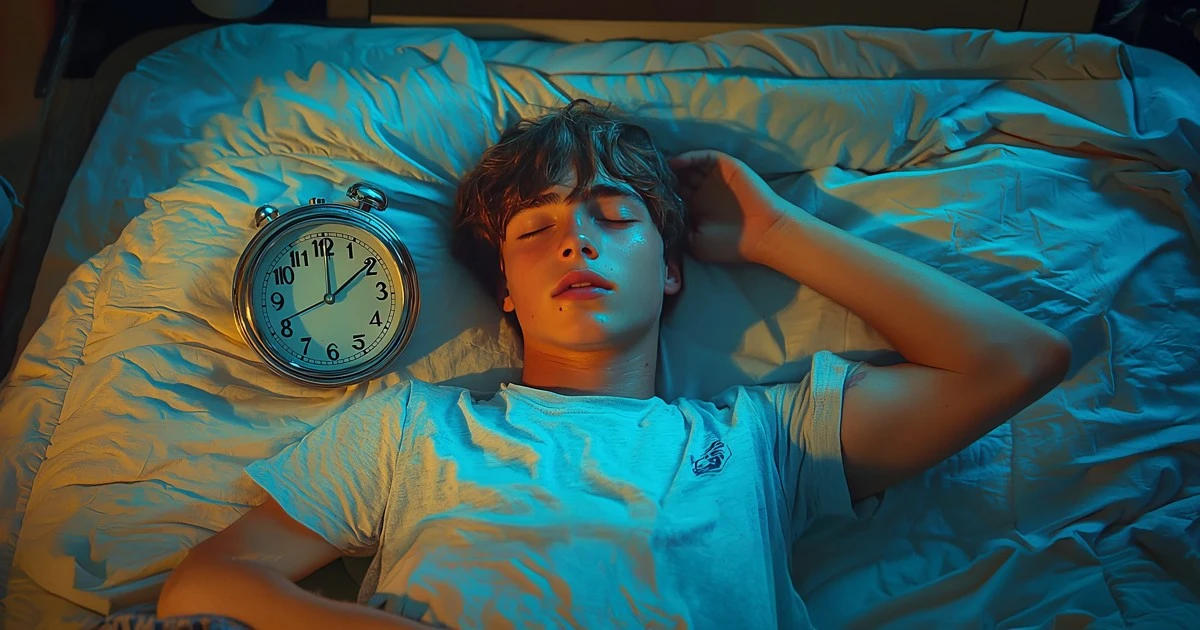
Untreated Sleep Issues Cost A Huge $185 Billion
A physical throat collapse initiates a massive economic drain while millions of people sleep. Research published by the BMJ Group reveals that up to 85% of individuals suffering from severe nighttime breathing pauses never receive a formal diagnosis. This severe lack of medical intervention drives an extraordinary financial toll across the United States and the United Kingdom. University College London researchers analyzed a study sample of over 4,000 adults, revealing the true global scale of untreated sleep apnea. The condition stops the breath, strains the heart, and devastates daytime focus. Sufferers face heavy fatigue, while commercial businesses lose billions to diminished daily productivity. This medical crisis affects approximately one billion individuals worldwide. Addressing the root causes prevents a highly manageable condition from destroying public health and broad economic stability.
The Physics of Airway Collapse
Gravity and muscle relaxation conspire to choke the body precisely when it needs to recover. During waking hours, the brain sends constant signals to keep the airway stiff and fully open. During deep rest, the muscles supporting the throat naturally loosen. The soft palate, tongue, and throat walls fall inward due to gravity. This total airway blockage lasting 10 seconds or longer defines a severe apneic event. A partial blockage reducing airflow by more than 50% for 10 seconds qualifies as hypopnea. As oxygen levels rapidly drop, carbon dioxide accumulates heavily in the bloodstream.
The brain detects this dangerous chemical shift and initiates a sudden fight-or-flight response. Sufferers often gasp violently for air and immediately fall back asleep. They repeat this violent cycle dozens of times an hour without retaining any memory of the nightly struggle. The intense physical toll on the human body remains severe.
Distinguishing Snoring from Suffocation
Snoring frequently alerts partners to the problem long before the patient notices anything wrong. Medical professionals note a critical distinction in these specific nighttime noises. General articles link loud snoring directly to the condition. However, specialized sources clarify the real danger lies in the sudden quiet. The abrupt interruption of loud snoring by complete quiet indicates an actual airway collapse. What are the main signs of sleep apnea? The most common indicators include gasping for air during sleep, highly disruptive snoring, and severe daytime fatigue. A morning sore throat and frequent nighttime urination also signal airway issues. A loud snorer might just have a narrow passage, but a snorer who stops breathing requires immediate medical evaluation.
Why Untreated Sleep Apnea Costs $185 Billion
Exhausted workers inadvertently drain national economies through sheer loss of focus. The financial burden of this condition extends far beyond standard hospital bills. A recent study estimates the combined economic burden in the UK and US reaches £137 billion, or $185 billion, annually. According to a report by The Guardian, the US economy absorbs $180 billion of this hit, which equates to £133 billion. The same source notes the UK loses £4.2 billion every single year. Research highlighted in Conexiant ties these massive numbers directly to untreated sleep apnea, calculating an annual productivity loss of $3,727 per affected worker in the US and approximately £1,840 in the UK. Furthermore, the BMJ Group study suggests that workers lose days on the job and suffer massive drops in cognitive workplace performance due to high absenteeism and reduced task execution.
Around 20% of the 4,000 study respondents reported three or more nights a week of breathing pauses paired with intense daytime sleepiness. This widespread exhaustion actively drags down commercial output. Employees show up to work but fail to execute tasks properly due to heavy brain fog.
The Limits of the Current Data
Study authors emphasize that these estimates likely undercount the full economic toll of the condition. As noted by News-Medical, the current figures focus primarily on lost workdays and reduced daily productivity. The report indicates they exclude direct medical expenses for downstream health complications. It also clarifies they omit the heavy costs of traffic collisions and workplace accidents caused by extreme exhaustion. Treating these secondary health issues requires massive healthcare spending. Policymakers must allocate vast resources toward early screening and proactive follow-up. Recognizing untreated sleep apnea early generates billions in annual productivity savings. Mass public health campaigns offer a direct path to reclaiming these massive financial losses.
The Threat of Job Loss and Concealment
Fear of unemployment forces commercial drivers to actively lie about their physical exhaustion. Transportation workers often recognize their symptoms early. Despite this acute awareness, many refuse to seek medical help. Worker anxiety and job loss apprehension drive them to actively hide their struggles. Adrian Jones of the Unite Union points out that commercial drivers dread losing their livelihoods. The law mandates strict reporting to government transportation agencies. Diagnosed individuals must notify authorities like the DVLA in the UK immediately.
This mandatory notification enforces a strict prohibition of driving until the patient completely controls their symptoms. A failed medical exam means an immediate loss of income. Workers choose to endure severe sleep-induced breathing cessation rather than risk sudden termination.
Creating a Safe Reporting Environment
Employers must educate their workforce on condition manageability to break this cycle of fear. Mandatory education should precede any corporate workplace screening initiatives. Workers need absolute assurance of employer support over immediate termination. If employees believe a medical diagnosis guarantees a loss of income, they will avoid testing at all costs. Companies must implement clear policies protecting jobs during the medical treatment phase. Providing reasonable accommodations allows workers to seek help safely. Removing the threat of penalization represents the only way to find the unrecorded cases within the commercial transport sector.
The Flawed Reality of CPAP Abandonment
Medical science prescribed a highly effective cure but totally ignored daily human tolerance. Doctors consistently prescribe Continuous Positive Airway Pressure (CPAP) as the standard fix for breathing pauses. This device forces steady room air into the throat to keep the passage open. For severe cases, it works exceptionally well to maintain oxygen levels. Yet, patients reject the device at alarming rates. The CPAP abandonment rate hovers around 66%. Nearly two-thirds of patients stop therapy entirely. They find the masks uncomfortable, noisy, or physically restrictive. Alternative treatments exist, but they remain unsuitable for all patients. Weight loss drugs, mouth guards, and nerve implants offer relief to some but fail to replace CPAP universally.
The Contradiction in Treatment Guidelines
Medical professionals highlight a distinct contradiction in general treatment guidelines. Popular articles portray CPAP as the universal standard for every patient. Specialized clinical sources clarify that CPAP primarily benefits moderate-to-severe cases. Why do people stop using CPAP machines? Many patients find the forced air uncomfortable, the masks claustrophobic, and the daily cleaning too demanding for consistent nightly use. For mild cases, simple lifestyle changes or custom dental devices often provide sufficient relief without the heavy medical equipment. Doctors must stop forcing a single treatment on every patient and start customizing care based on individual physical tolerance.
The Diagnostic Gaps in Untreated Sleep Apnea
Clinical guidelines prioritize distinct risk profiles while overlooking vast segments of the population. Physicians rely on the Epworth Sleepiness Scale and polysomnography to diagnose the condition. The Epworth questionnaire asks patients to rate their likelihood of dozing off during normal activities like reading or sitting in traffic. Polysomnography takes a much more aggressive clinical approach. These intense sleep studies measure brain waves, muscle activity, heart rate, and blood oxygen in real-time. An electroencephalogram tracks sleep stages, while an electromyogram monitors specific muscle twitches. An electrocardiogram combined with pulse oximetry captures the cardiovascular strain of suffocation. The medical system identifies the most extreme cases quickly but leaves up to 85% of total sufferers undiagnosed. The sheer volume of untreated sleep apnea cases demands widespread testing beyond the current clinical environment.
The Apnea-Hypopnea Index
Doctors classify severity strictly using the Apnea-Hypopnea Index. Under 5 episodes per hour registers as completely normal. Mild ranges from 5 to 14 choking episodes. Moderate hits 15 to 30 blockages. Over 30 episodes an hour constitutes a severe case. Patients in the severe category spend a massive portion of their night fighting for basic oxygen. This objective scale helps sleep specialists determine the immediate medical risk to the patient.
Physical and Genetic Risk Factors
Risk factors heavily skew toward specific physical traits. Men face a two to three times higher risk before reaching older age brackets. A large neck circumference—over 16 inches for females and 17 inches for males—strongly correlates with rapid throat collapse. Other specific factors include hypothyroidism, polycystic ovary syndrome, and Down syndrome. For young children, enlarged tonsils represent the absolute primary risk factor. Identifying these physical traits early allows doctors to intervene before the symptoms cause permanent physiological damage.
Unrecognized Health Cascades
A blocked windpipe forces the heart and brain to absorb the extreme trauma of suffocation. The physical toll of oxygen deprivation creates extensive internal damage over time. The constant awakening prevents the brain from entering highly restorative sleep phases. Untreated sleep apnea directly elevates the probability of heart attacks and strokes. The immediate blood pressure spike during the waking phase forces the heart to work exponentially harder. Sufferers also experience decreased libido, early onset glaucoma, and measurable cognitive deficits.
The condition further complicates natural immune responses. Apnea patients face an elevated risk for severe COVID-19 and potential hospital admission. Can sleep apnea cause a heart attack? Yes, the repeated drops in blood oxygen place massive stress on the cardiovascular system, eventually leading to severe heart damage. Recognizing these physiological threats proves vital for long-term patient survival.
Surgical Vulnerabilities
Surgical procedures introduce another severe layer of danger for sufferers. General anesthesia and standard sedatives relax the throat muscles far beyond their normal waking state. This chemical relaxation heavily exacerbates airway collapse during the critical recovery period. Surgeons now require strict pre-surgery apnea testing to mitigate these massive operative risks. Medical staff must monitor these specific patients constantly in the recovery room. A failure to manage the airway during post-operative care easily leads to fatal complications. Hospitals treat known apnea patients with extreme caution during any procedure requiring deep sedation.
Moving Beyond the CPAP Default
Reversing this crisis requires matching the intervention strictly to the physical anatomy of the blockage.
With high CPAP abandonment rates, doctors must explore diverse and customized solutions. Mandibular advancement devices actively push the lower jaw forward to physically open the throat space. Dentists mold these custom mouthpieces to fit the patient precisely, and they work exceptionally well for mild cases. Hypoglossal nerve stimulators offer a surgical alternative for those failing traditional therapy. This implanted device actively zaps the tongue nerve to prevent the muscle from dropping backward and blocking the airway. Patients desperately need access to these specific alternatives when standard equipment fails to deliver relief.
Surgical and Positional Alternatives
Surgical options like a traditional tonsillectomy remove the physical obstruction directly from the throat. This medical procedure provides permanent relief for pediatric patients suffering from enlarged tonsils. Adult patients sometimes benefit from highly specific positional therapy. The tennis ball technique involves sewing a firm ball into the back of a tight sleep shirt. This highly effective trick forces the patient to sleep directly on their side, preventing gravity from collapsing the soft palate backward. The ultimate goal remains complete symptom control through whatever daily means a patient can tolerate consistently.
Resolving Untreated Sleep Apnea
The massive global scale of untreated sleep apnea requires a complete shift in public health strategy. Eight million people in the UK alone suffer from these dangerous nighttime breathing pauses. The global total currently nears one billion individuals. Ignoring the physical reality of airway collapse drains national economies and aggressively destroys individual human health. We must move past rigid uniform treatment mandates and directly address the severe anxiety keeping commercial workers from reporting their symptoms. Proactive workplace medical assessments and comprehensive employer education will drive immediate early detection. Tackling the high rates of undiagnosed individuals allows modern society to reclaim billions in lost industrial productivity. Taking this condition seriously stops the physical deterioration of the workforce and restores safe, functional rest to millions.
Recently Added
Categories
- Arts And Humanities
- Blog
- Business And Management
- Criminology
- Education
- Environment And Conservation
- Farming And Animal Care
- Geopolitics
- Lifestyle And Beauty
- Medicine And Science
- Mental Health
- Nutrition And Diet
- Religion And Spirituality
- Social Care And Health
- Sport And Fitness
- Technology
- Uncategorized
- Videos

