
Use Agroforestry To Block Brutal Sun Radiation!
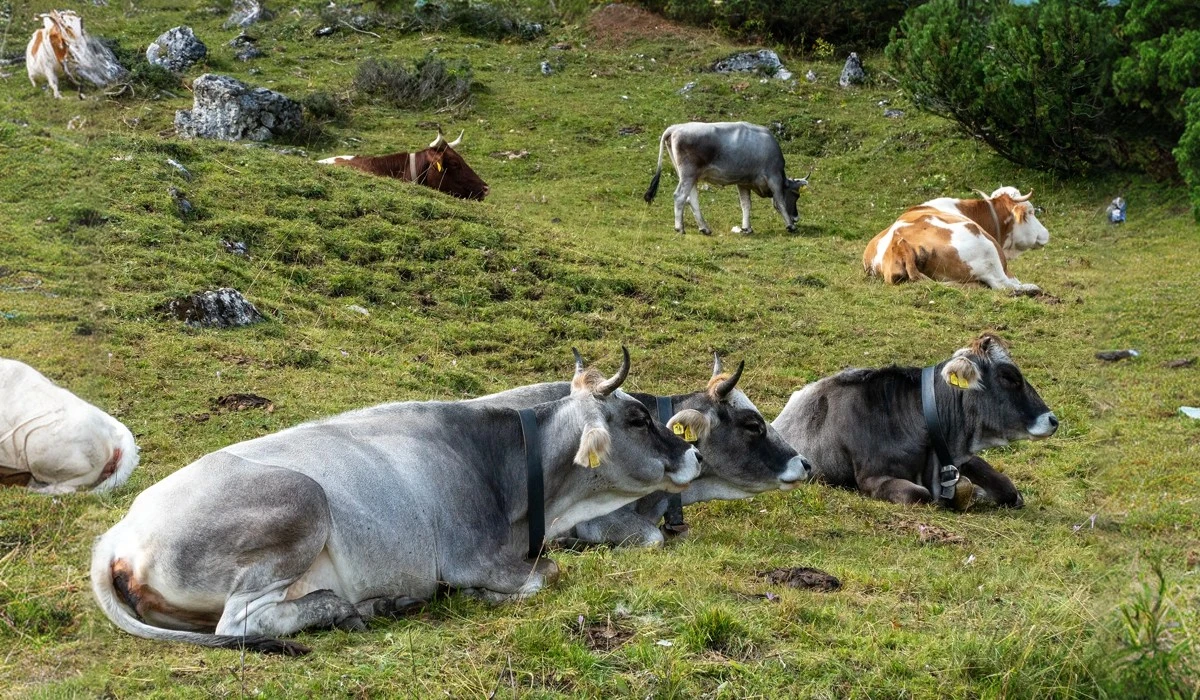
Imagine a cow standing in the middle of a flat, open field during a July heatwave. The sun beats down from above, but the real danger comes from below. According to the University of Minnesota Extension, cows generate internal heat while digesting feed and absorb solar heat when out in the sun, which turns the bare soil into a giant radiator blasting heat back at the animal. Research from the same source indicates that this heat stress leads to reduced food intake, lower milk production, and lower pregnancy rates, forcing the cow to start panting just to stay alive. Most farmers think they are maximizing their grass by clearing every tree, but they are actually robbing their profits.
Agroforestry changes the physics of the farm by breaking this heat cycle. Trees integrated into grazing land create a pocket of cool air that stays put even when the sun is at its peak. This goes beyond providing shade to build a three-dimensional terrain that manages light, wind, and water. As noted by NC State Extension, utilizing methods like silvopasture and alley cropping allows for multiple farm outputs and diversified income, creating a resilient system that shields the herd and the bottom line.
The science of agroforestry in temperature regulation
Trees act as massive, biological heat sinks that do more than block the sun. Research published by NC State Extension suggests that the shade provided by trees in a silvopasture system creates an umbrella effect that helps alleviate heat stress. In an agroforestry system, the tree canopy creates an island of cooling that changes the local climate; a study in Nature found that soil surface temperatures in these systems were significantly lower than those in conventional pastures. The University of Minnesota Extension also emphasizes that this shade and the resulting ventilation are vital to lowering the incidence of heat stress, as the layer of leaves acts as a filter, allowing only a fraction of the sun's energy to reach the animals.
Meanwhile, the study in Nature further demonstrates that the ground stays cooler and maintains better water content, which prevents it from storing heat that would otherwise radiate back up at night. This cooling effect is a physical reality that changes how animals behave. Instead of huddling in a corner of the field, livestock spread out and continue to graze because the ambient environment feels manageable.
Transpiration and the natural air conditioning effect
Trees do more than sit; they breathe. Through a process called transpiration, trees pull gallons of water from deep in the earth and release it as vapor through their leaves. This works exactly like a high-end misting system or a swamp cooler. Research in Soil Use and Management indicates that trees on farms introduce changes to radiation flux, air temperature, and wind speed. This moisture release can drop the air temperature in the immediate area by 1 to 5 degrees Celsius compared to a nearby open field.
This cooling isn't a minor perk. It is the difference between a cow reaching a dangerous core temperature and one that remains comfortable. On a day where it feels like 95 degrees in the open, it can feel like 86 degrees under a well-managed canopy. This lower temperature keeps the animal's metabolism stable, which ensures they keep putting on weight instead of burning energy just to keep their heart rate down.
Reducing solar radiation through canopy density
Direct sunlight is the biggest enemy of a grazing herd in the summer. A thick tree canopy can block over 50% of direct solar radiation. When you reduce the radiation load, you prevent the animal's hide from absorbing lethal amounts of energy. Thermal imaging shows that a cow's skin temperature can hit 113 degrees Fahrenheit in the open sun, while cows in a shaded system stay closer to 95 degrees.
This reduction in radiation also protects the soil. When the soil stays cool, the microorganisms that help your grass grow don't die off. This keeps your forage alive and green longer into the summer. Management of tree density controls exactly how much light hits the ground, ensuring your grass gets enough sun to grow while your animals get enough shade to thrive.
How silvopasture changes open pastures into refuges
Intentionally combining trees and livestock constitutes the practice of silvopasture. Silvopasture differs from letting cows into a random patch of woods because, as the Center for Agroforestry explains, tree density and spacing are managed to ensure appropriate light levels for both tree and forage growth. This turns a stressed, sun-scorched field into a productive refuge where animals feel safe and comfortable all day long.
The results show up in the milk tank and the weigh scale. When animals are cool, they spend more time ruminating and less time searching for relief. According to the University of Minnesota Extension, respiration rates are the primary indicator of this comfort, as there is little lag time in this measurement compared to tracking body temperature. This system allows you to keep more animals on the same amount of land because the environment is less hostile. It is a basic shift in how we think about pasture management and animal welfare.
Improving weight gain and milk production during heatwaves
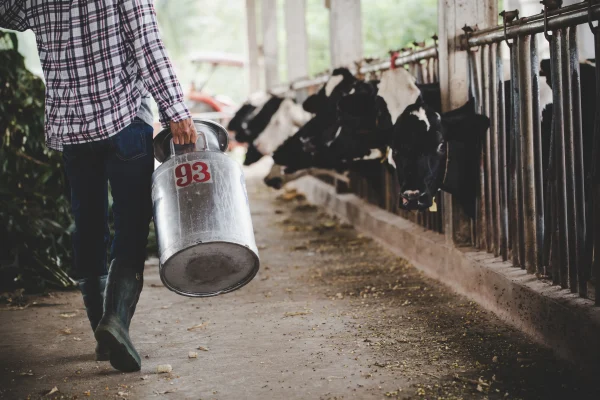
Heat stress is a massive drain on farm income. When the Temperature Humidity Index (THI) hits 72, most livestock start to suffer. Their appetite drops, and they produce less milk. Does silvopasture reduce livestock heat stress? Evidence shows that livestock in these systems maintain lower core temperatures and higher heart rate stability during peak summer hours. This stability means they don't stop eating just because the sun is out.
In Florida, researchers found that heifers in these shaded systems gained nearly half a pound more per day than those in open pastures. For dairy farmers, the stakes are even higher. Dairy cows with access to tree shade can maintain up to 40% higher milk yields during extreme heat events. Maintaining cool cows prevents the standard production drop that usually follows a heatwave.
Tree arrangement for maximum airflow and movement
The layout of your trees is just as important as the species you plant. As noted in research from the University of Nebraska-Lincoln, while trees act as barriers to reduce wind speed, planting them too close together might trap humidity and make the heat feel worse. You want to space your trees so that summer breezes can still flow through the herd. This air movement helps carry away the moisture the trees release, making the cooling effect even more powerful.
Most successful systems use wide rows or a grid pattern. This allows the herd to move freely and prevents them from bunching up in one spot, which can lead to muddy ground and ruined grass. Spreading the shade out across the entire field encourages the animals to graze the whole pasture evenly. This keeps the grass healthy and ensures every animal gets the thermal protection it needs.
Incorporating alley cropping for windbreaks and fodder
Another powerful tool in the agroforestry toolbox is alley cropping. This involves planting wide rows of trees with crops or forage grown in the alleys between them. While many people think of this as a way to grow timber and corn, it has huge benefits for livestock protection. These rows of trees act as a living wall that protects the pasture from the harsh elements.
These alleys can be designed to block the wind or to provide an emergency food source. They add a layer of vertical production to your farm that a flat field can never match. Layering these different types of plants creates a buffer against the weather that keeps your farm productive even when the neighbors are struggling with drought and heat.
Using tree rows as living shields against hot winds
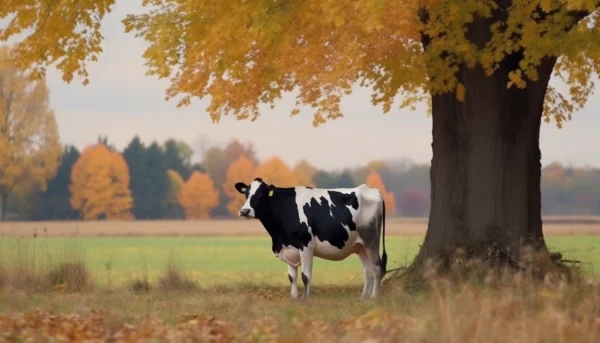
Hot summer winds can act like a giant hairdryer, stripping moisture from both your animals and your soil. This hairdryer effect can dehydrate a herd faster than the sun alone. The structural layout of alley cropping prevents this by breaking the wind's force. Studies show that a well-placed row of trees can reduce wind speeds by as much as 46% on the leeward side.
This reduction in wind speed keeps the humidity in the air at a comfortable level and prevents the soil from drying out too fast. It also makes the cooling from transpiration more effective because the cool air isn't being blown away immediately. Your pastures stay greener for longer, and your animals don't have to work as hard to stay hydrated.
Tree fodder as a nutritional bridge during droughts
During a severe heatwave, grass often goes dormant and turns brown. This leaves farmers with a choice between buying expensive hay or selling off their herd. Trees provide a third option. Can you do alley cropping with livestock? While typically used for crops, these alleys can be grazed after harvests or used to produce high-value hay that supports the herd through the leanest, hottest months.
Species like Mulberry or Honey Locust have leaves and pods that are packed with protein. In some cases, tree leaves can contain 20% crude protein, which is higher than most summer grasses. When the ground is dry and the grass is dead, these trees stay green because their roots reach deep into the water table. You can prune these branches and feed them to your animals, providing a nutritional bridge that keeps them healthy until the rain returns.
Financial benefits of switching to an agroforestry model
Moving to an agroforestry model serves as both a strategic financial decision and an environmental asset. The initial cost of planting trees is an investment that pays off through lower overhead and new revenue streams. When you reduce the stress on your animals, you spend less money on emergency interventions. You are essentially building a natural insurance policy into your environment.
Farmers who adopt these systems often see a more stable income year-over-year. Instead of being at the mercy of every heatwave or drought, they have a buffered system that keeps producing. This stability makes it easier to plan for the future and stay profitable in an unpredictable climate.
Lowering veterinary costs and mortality rates
Heat stress reduces milk and meat yields while also causing animal death. It also causes reproductive failures, meaning fewer calves or lambs the following year. Providing a cooled environment through silvopasture significantly reduces the risk of heatstroke and other heat-related illnesses. This leads to fewer vet visits and a much lower mortality rate across the herd.
When animals aren't fighting for their lives in 100-degree weather, their immune systems stay stronger. They are less likely to get sick from parasites or respiratory issues. The money you save on medicine and lost livestock can quickly cover the cost of your tree seedlings. A healthy herd is a profitable herd, and shade is the cheapest medicine you can provide.
Diversifying income through timber and fruit
The trees that protect your herd can eventually become a harvest of their own. If you plant high-value timber species like Black Walnut or Black Locust, you are growing a long-term savings account. While you wait for the timber to mature, you can also harvest fruits, nuts, or even fence posts from the same trees.
This diversification de-risks your farm. If the price of beef or milk drops, you still have timber or nut crops to fall back on. In a traditional open-field system, if your primary product fails, you have nothing. In an integrated system, every acre works twice as hard. This multi-layered approach to income is what makes modern farming sustainable over the long haul.
Best practices for managing silvopasture grazing cycles
To get the most out of agroforestry, you have to manage your grazing carefully. You cannot just plant trees and walk away. The relationship between the animals, the grass, and the trees requires a bit of strategy. If you let animals stay in one spot too long, they will damage the trees. If you move them too fast, they won't get the full benefit of the shade.
The goal is to keep everything in balance. You want enough grazing to keep the grass short and healthy, but not so much that the animals start eating the bark or compacting the soil around the roots. Using a rotational grazing system is the best way to ensure that both the herd and the trees stay in peak condition.
Preventing bark damage and soil compaction
Young trees are vulnerable to hungry or bored livestock. Animals might rub against the trunks or chew on the bark, which can kill the tree. Using 5-foot tree guards or temporary fencing is essential during the first few years of growth. This protection ensures the trees can grow tall enough that the canopy is out of reach.
Soil compaction is another concern. If animals stand under the same tree every day, they will pack the dirt down so hard that the roots can't breathe. Flash grazing is a great solution. This involves putting a high number of animals in a small area for a very short time—usually 1 to 3 days—and then moving them. This prevents them from hanging out under one tree long enough to damage the soil.
Monitoring shade migration throughout the day
Shade isn't static; it moves across the field as the sun moves across the sky. To keep your herd cool, you need to plan your paddock rotations based on where the shade will be during the hottest hours. In the morning, the shade might be on one side of a tree row, but by 3:00 PM, it will have shifted to the other.
A smart manager watches these patterns and adjusts the fences accordingly. This ensures the herd always has access to the highest quality thermal cover when they need it most. Matching the grazing schedule to the sun's path increases the productivity of your trees. This keeps the animals moving and ensures they are always resting in the coolest possible spot.
Evaluating the success of your herd protection strategy
You can't manage what you don't measure. To know if your agroforestry system is working, you need to look at the animals, not just the thermometer. Success looks like a herd that is calm and productive even when the sun is blazing. There are several ways to track the Return on Investment (ROI) of your shade system without needing a lab.
Watching how the animals spend their time is the best indicator. If they are spread out and grazing at noon, the system is a success. If they are huddled together and panting, you might need more trees or a different layout. Over time, you will see the results in your production logs and your bank account.
Using thermal imaging and behavioral tracking
One of the easiest ways to see the system in action is to use a simple thermal camera. You can see the temperature difference between an animal in the sun and one in the shade instantly. But you can also just use your eyes. Look for signs of rumination. If your cows are lying down and chewing their cud in the shade, they are comfortable and productive.
If you see less panting and fewer animals standing in water troughs to cool off, you know your silvopasture is doing its job. Animals that are cool will also have a better body condition score through the summer. They won't look ragged or thin. These behavioral signs are the first proof that your heat-shielding strategy is working.
Assessing forage quality under partial shade
Many farmers worry that trees will ruin their grass. In reality, partial shade can actually make grass better. Shade-tolerant grasses grown under a canopy often have lower levels of lignin, which is the stuff that makes grass woody and hard to digest. This means the forage stays more tender and has a higher sugar content.
The grass also stays green longer. In an open field, the sun bleaches the nutrients out of the grass and dries it into straw. Under the trees, the moisture stays in the soil, and the grass stays packed with protein. This higher-quality feed means your animals can get more nutrition out of every bite, which leads to better weight gain and higher milk quality.
Scaling agroforestry for long-term farm resilience
Climate patterns are changing, and the heat is only going to get more intense. Planning for the long term means building a farm that can handle whatever the weather throws at it. Scaling up agroforestry involves planting trees and choosing the right species to create a lasting environment.
You don't have to convert the whole farm overnight. You can start with one or two paddocks and expand as you see the benefits. The goal is to create a mosaic of trees and pasture that provides protection no matter where the herd is. This is how you climate-proof your operation for the next generation.
Identifying species that withstand future climate shifts
When you plant trees, you are planting for thirty years from now. You need species that can handle the heat of the future. What are the best trees for agroforestry? Success depends on your region, but species like Black Walnut, Mulberry, and Honey Locust are favored for their deep roots and high-quality shade or fodder.
These trees are tough. They can survive dry spells and still provide dense shade when it matters most. Black Walnut is prized for its high-value timber, while Mulberry provides excellent cut-and-carry fodder. Honey Locust offers a dappled shade that allows plenty of grass to grow beneath it while still protecting the herd. Choosing a mix of these species ensures your system is balanced and hardy.
Moving from open fields to integrated environments
The move starts with a simple plan. Identify the areas of your farm where animals suffer the most from the heat. These are usually high points or areas far from water. Start by planting windbreaks or small blocks of trees in these zones. Once you see the positive effect on animal behavior, you can begin to link these areas with alley cropping rows.
As the trees grow, you can adapt your fencing to create more detailed rotational patterns. Over time, your flat, exposed fields will turn into a lush, multi-storied environment. This doesn't just protect your cows; it also brings back birds and beneficial insects that help control pests. It is a slow process, but the result is a farm that is more alive and more profitable.
Investing in the future with agroforestry
Building a farm that can survive a changing climate requires us to look back at how nature manages heat. Open-field monocultures are fragile because they have no defense against the sun. Bringing trees back into the mix utilizes a sophisticated, natural system to keep your land and your animals cool. Agroforestry represents a smart, technical evolution of modern grazing.
Using silvopasture and alley cropping together gives you a double layer of protection. One provides immediate relief for the herd, while the other builds a long-term shield against wind and drought. This combination ensures that your livestock stay healthy, your grass stays green, and your income stays stable. It is a complete system for a more resilient future.
The trees you plant today will be the safety net for your farm ten years from now. They will provide the shade that keeps a high-producing cow from crashing during a heatwave. They will provide the fodder that keeps the herd fed when the grass fails. Most importantly, they will leave a cooler, more productive legacy for the next generation of farmers. Choosing agroforestry is an investment in the long-term survival of your herd and your heritage.
Recently Added
Categories
- Arts And Humanities
- Blog
- Business And Management
- Criminology
- Education
- Environment And Conservation
- Farming And Animal Care
- Geopolitics
- Lifestyle And Beauty
- Medicine And Science
- Mental Health
- Nutrition And Diet
- Religion And Spirituality
- Social Care And Health
- Sport And Fitness
- Technology
- Uncategorized
- Videos

