
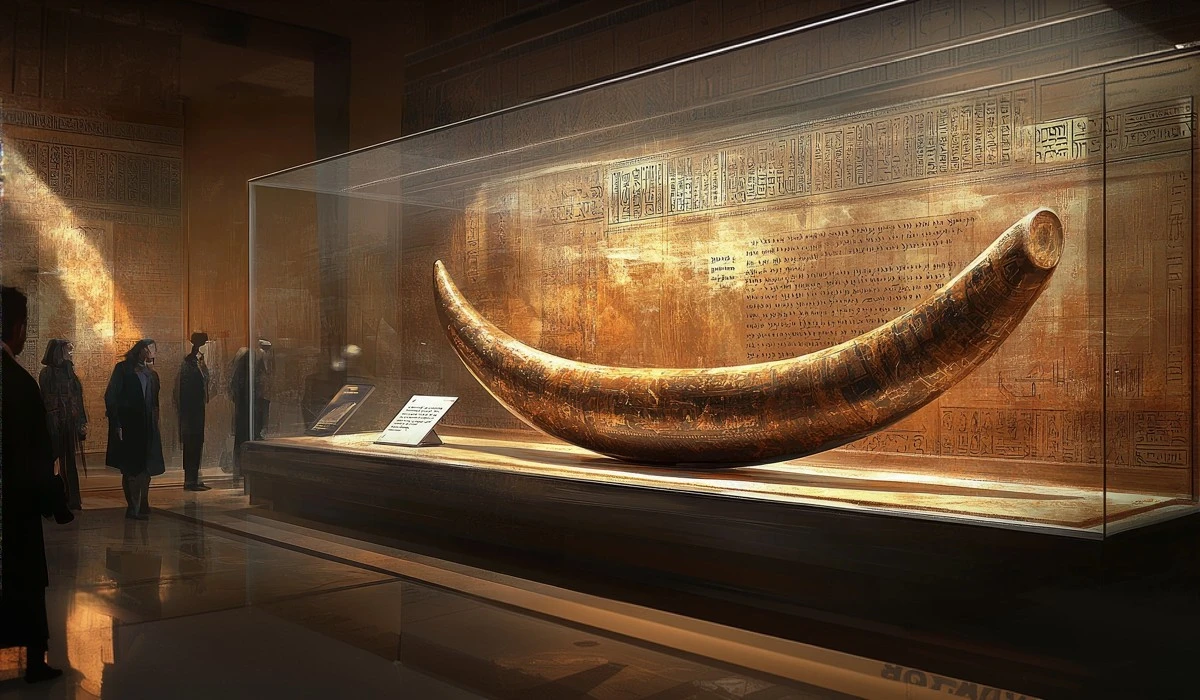
Museum Studies Saves Fragile Historical Papers
Every time you touch an old family letter, your skin leaves behind a tiny trail of salt and oil. According to research from the Library of Congress, these skin oils affect how paper ages over time. These microscopic deposits act like a slow-burning fuse on the paper. Over decades, the very air in your attic works to turn that irreplaceable ink into a blurry smudge. Storing history in a simple shoebox often feels safe, yet this common habit actually speeds up the decay of old paper.
This reality creates a desperate race against time for those who care about our shared past. We need a professional approach to stop this rot before it consumes our heritage. The academic field of museum studies bridges the gap between simple storage and true preservation. This discipline provides the specific tools required to turn a dying collection into a vibrant resource for public history and professional archive management projects.
Understanding why Fragile Collections Require Museum Studies
Most people do not realize that wood-pulp paper made after 1850 carries a self-destruct button inside its fibers. Manufacturers used lignin in the production process, which eventually creates acidic chemicals as the paper ages. Information provided by the Library of Congress notes that this process, known as acidic hydrolysis, promotes the breakdown of paper fibers and makes pages so brittle they crumble at the slightest touch.
Meanwhile, old film reels face a different threat called vinegar syndrome. This decay happens when cellulose acetate film breaks down and releases acetic acid vapor. You can actually smell the sharp scent of vinegar in the air when this starts. Once this chemical reaction reaches a certain point, it feeds itself and accelerates until the film turns to dust. Professional archive management relies on museum studies to identify these chemical threats early. Knowledge of the science of decay helps us choose the right treatments to save these records before they disappear.
Environmental Stressors and Mitigation
Temperature and humidity fluctuations act like a hammer on delicate historical materials. Guidelines from the National Park Service explain that organic materials often shrink and crack at low humidity levels. They also note that pests and mold growth happen more often when humidity is high. The same report says that as relative humidity drops, paper releases its water. This loss of moisture causes the paper to become brittle. Stability matters far more than any specific setting on a thermostat.
What is the best temperature for storing paper archives? You should maintain a steady environment between 60°F and 70°F with a relative humidity level between 40% and 50%. Following these strict guidelines slows down the chemical reactions that age organic materials. Practitioners of museum studies monitor these levels daily using specialized sensors. They know that even a small shift in the room's climate can cut the life of a document in half. Proper climate control turns a dangerous storage space into a safe haven for history.
Aligning Archive Management with Public History Goals
For many years, traditional record keeping focused mostly on keeping people away from fragile items to keep them safe. This approach protected the physical object but essentially buried the information it contained. Modern public history advocates now argue that an archive serves no purpose if the community cannot learn from it. This creates a difficult challenge for anyone working in archive management. You must find ways to let people touch the past without destroying it in the process. We now use tiered access systems to solve this specific problem. These systems allow researchers to view digital copies or high-quality photos for general study. We only bring out the original, fragile documents for the most critical research needs. This balance keeps the community engaged while ensuring the artifacts remain safe for the next century. Using museum studies helps us navigate these difficult ethical choices every day.
Storytelling Through Preserved Artifacts
Curation goes beyond the simple act of putting things on a shelf in alphabetical order; curators look for the human stories that hide within dry legal documents or old maps. When someone applies museum studies to a collection, they start to see how individual items connect to a larger community narrative. Archivists use their training to pick out the "anchor pieces" that will grab a visitor’s attention. For example, a simple ration card from a war era tells a much bigger story about local sacrifice and daily struggle. Highlighting these specific items makes public history feel personal and immediate for the modern audience. Good archive management ensures these stories remain intact and readable for decades. We save paper alongside the memories that give a community its identity. This thoughtful approach turns a dusty room into a powerful teaching tool for everyone.
Applying Museum Studies Principles to Digital Preservation
Digitization offers a lifeline for collections that are too weak to handle frequently. However, the process of scanning can actually cause more harm if you use the wrong equipment. How do you digitize fragile documents? The Library of Congress warns against applying pressure to books to flatten them for pictures because it snaps old glue and tears pages. Instead, they suggest using a book cradle for items with weak joints or narrow openings. These machines allow the document to rest naturally while a camera takes a high-resolution picture from above. This professional approach protects the physical integrity of the item while creating a perfect digital copy. Following these museum studies protocols ensures that the act of sharing history does not result in its destruction. High-quality digital copies become the primary way most people interact with these rare records.
Creating Accessible Metadata
A digital image is useless if no one can find it in a vast computer database. This is why we rely on metadata, which is essentially data about data, to organize our digital collections. We use international standards like Dublin Core to tag every file with specific details like the creator, date, and subject. This structured labeling makes it possible for a public history researcher in another country to find a specific letter in seconds. Without these labels, your digital archive becomes a digital junk drawer. Learning these organizational systems is a core part of modern archive management training. It ensures that the digital files remain accessible even as technology changes over time. When we apply rigorous museum studies standards to our digital work, we build a bridge between the physical past and the digital future. This thorough work keeps our historical records relevant in a fast-paced world.
Practicing Handling Protocols in Archive Management
Proper handling begins with knowing exactly what to wear on your hands. While many movies show people wearing white cotton gloves, modern museum studies research actually suggests otherwise. Cotton fibers can easily snag on brittle paper edges and cause accidental tears. Most professionals now prefer powder-free nitrile gloves because they provide better grip and more tactile sensitivity. This allows the archivist to feel the thickness of the paper and handle it with extreme care. We also use specialized tools like stainless steel micro-spatulas to gently lift staples or separate pages that have stuck together. For large books, we use foam book cradles to support the spine at a safe angle. These small details in archive management prevent the mechanical damage that happens during routine research. Choosing every tool carefully serves the single goal of keeping the document exactly as we found it for as long as possible.
Training Staff and Volunteers
Even the best tools cannot save a collection if the people using them do not understand the risks. Many local archives rely on the passion of volunteers who might not have formal training in public history or preservation. This makes a clear training program vital for any institution. We must teach every person how to support a book properly and why they should never use ink pens near original documents. Building a "culture of care" means that everyone feels responsible for the safety of the items. We use simple, written guidelines and hands-on practice sessions to build these skills. When volunteers follow the established museum studies protocols, they become the front line of defense against damage. Good archive management includes overseeing these human interactions just as much as it involves monitoring the climate. Educated staff members turn a risky situation into a professional and safe environment for historical research.
Balancing Conservation and Accessibility
Putting a rare document on display exposes it to the dangerous effects of light. Light damage is cumulative and irreversible, meaning every hour under a lamp slowly eats away at the ink and paper. To fight this, we use UV-filtered glass and very low light levels in our exhibition halls. Research from the National Park Service suggests keeping light levels in exhibit areas below a maximum of 50 lux. This level is just enough for a visitor to read without causing rapid decay.
We also implement rotation schedules where an item only stays on display for a few months before going back into dark storage. This technique, borrowed from museum studies, ensures that no single artifact bears the brunt of the exposure. Balancing the public's desire to see history with the physical needs of the object is an important part of archive management. It requires constant monitoring and a willingness to make tough decisions about what the public sees in the gallery.
Creating High-Quality Reproductions
Sometimes an original item is simply too fragile to survive the lights of an exhibition hall. In these cases, we use high-quality reproductions, or facsimiles, to represent the object. Modern printing technology allows us to create copies that look and feel almost identical to the real thing. This allows public history sites to tell a visual story without risking the permanent loss of a primary source. Visitors can still appreciate the visual details of a 200-year-old map while the original stays safe in a temperature-controlled vault. We always label these items clearly so the public knows they are looking at a replica. This practice is a common strategy in museum studies to protect the most vulnerable parts of a collection. It proves that we can still educate and inspire people without sacrificing the physical integrity of our history. Smart archive management uses every tool available to keep the past alive.
Disaster Preparedness and Risk Mitigation
A single broken pipe or a small fire can destroy a century of work in minutes. This is why every institution needs a detailed disaster recovery plan. This document lists the most important items in the collection so responders know what to save first. It also includes contact information for professional conservators and suppliers of emergency equipment. We train our staff to act quickly but calmly when a crisis occurs. Having a clear chain of command ensures that no one wastes time wondering what to do next. Within museum studies, we focus on prevention as much as recovery. We regularly inspect our buildings for leaks and ensure fire suppression systems are up to code. Professional archive management means being ready for the worst-case scenario at any hour of the day. A good plan transforms a potential total loss into a manageable situation that saves the most valuable history.
Salvaging Damaged Materials
When disaster strikes, the first few hours determine whether an archive survives or rots. If papers get wet, you must act before mold begins to grow. How do you restore water damaged archives? You must freeze saturated documents within 48 hours to stop mold and then use a vacuum freeze-drying process to remove the moisture safely. This process turns the ice directly into gas, which prevents the paper fibers from swelling or the ink from running further. These advanced salvage techniques are a vital part of the museum studies curriculum. They provide a roadmap for saving items that might otherwise seem like a total loss. Integrating these emergency steps into your archive management routine protects the community’s heritage from unexpected threats. Even in the face of a flood or fire, we have the technical knowledge to rescue our public history for the people who need it most.
Funding and Sustaining Your Archival Operations
Maintaining a professional archive requires a steady stream of funding that many small budgets cannot provide. This is where grant writing becomes a necessary skill for anyone in archive management. Many government agencies and private foundations offer money specifically for preservation work. To win these grants, you must clearly explain why your collection matters to the community. You should focus on how your project supports public history goals, such as making records available to local schools or genealogists. Highlighting the specific risks to your fragile materials creates a sense of urgency for the reviewers. Using the formal language of museum studies shows that you have a professional plan to use the money wisely. Successful grants can fund everything from new shelving to high-tech climate control systems. This financial support ensures that your preservation work can continue for many years without interruption or budget cuts.
Building Community Partnerships
No single archive can do everything alone, especially when resources are tight. Building partnerships with local universities or historical societies allows you to share the burden of expensive preservation work. For example, a local college might provide student interns who can help with digitizing records as part of their museum studies coursework. In exchange, the archive provides a rich laboratory for the students to learn their craft. These collaborations often lead to joint exhibits that reach a much wider audience than one institution could manage. Working together allows us to pool our resources to buy better equipment or hire specialized consultants. This community-based approach is a hallmark of modern public history work. It ensures that archive management becomes a shared responsibility rather than a lonely struggle. Working as a team helps us build a stronger and more resilient network to protect our collective past for everyone.
Securing the Past for the Future
Saving a fragile archive is an active and demanding process that never truly ends. It requires a deep understanding of chemistry, a commitment to community storytelling, and a very steady hand. We have seen how the principles of archive management keep our physical records safe from the slow march of decay. At the same time, we use the goals of public history to ensure those records actually mean something to the people living today.
Embracing the rigorous methods found in museum studies allows us to move beyond simple storage and become true guardians of memory. Our history is only as permanent as the effort we put into saving it right now. We must continue to elevate our standards and use every tool available to us. This work ensures that the voices of the past do not fade into silence but instead remain clear and vibrant for all the generations still to come.
Recently Added
Categories
- Arts And Humanities
- Blog
- Business And Management
- Criminology
- Education
- Environment And Conservation
- Farming And Animal Care
- Geopolitics
- Lifestyle And Beauty
- Medicine And Science
- Mental Health
- Nutrition And Diet
- Religion And Spirituality
- Social Care And Health
- Sport And Fitness
- Technology
- Uncategorized
- Videos

