
Prevent Rare Poultry Diseases With New Science
Farmers buy premium feed, build fortified coops, and scrub waterers daily, yet flocks still collapse overnight. According to the United States Department of Agriculture's Animal and Plant Health Inspection Service, wild birds naturally carry mild avian influenza strains worldwide, meaning a single sparrow landing on a fence easily deposits microscopic, virus-laden droppings straight into a pristine environment. Raising a healthy flock requires managing a microscopic battlefield.
A report by the Food and Agriculture Organization notes that increased processing of birds into convenience foods accelerates industry growth, leading the modern agricultural sector to breed dense populations of genetically similar birds. This uniformity makes flocks highly susceptible to catastrophic, fast-spreading viral outbreaks. In recent years, infectious poultry diseases emerged as a serious global threat to food security. Farmers cannot rely on basic hygiene alone to protect their investments. Managers combine precise biosecurity, targeted chicken vaccinations, and progressive red mite treatment to shift flock management from reactive damage control to proactive biological defense. These advancements in poultry science give flock keepers the upper hand against unpredictable pathogens and guarantee flock resilience.
The changing environment of poultry diseases in modern farming
Pathogens adapt rapidly today because intensive high-density farming models and the constant use of subtherapeutic anticoccidial medications accelerate drug resistance. Genetic recombination in the field creates virulent mutant strains constantly. For example, Avian leukosis subgroup-J virus originally emerged after two distinct avian retroviruses combined their genetic material. Furthermore, drastic climate change alters disease epidemiology globally. Research published in Frontiers in Ecology and Evolution indicates that temperature variations alter viral persistence in water, allowing ancestral strains like influenza A to survive longer in entirely new thermal environments.
As new threats emerge, keepers might wonder, what are the most common signs of a sick chicken? As highlighted by the University of Florida Institute of Food and Agricultural Sciences, a sick chicken typically displays lethargy, ruffled feathers, pale combs, and a sudden, unexplained drop in egg production alongside decreased feed and water consumption. Catching these subtle behavioral changes early serves as the first essential step in combating aggressive modern pathogens effectively and decisively before they completely overrun commercial or backyard flocks.
The heavy costs of ignoring flock health
Ignoring early signs of illness eventually causes devastating economic and emotional consequences for farm managers. The USDA Animal and Plant Health Inspection Service states that Highly Pathogenic Avian Influenza strains, including H5N1, H5N8, and H7N9, kill domestic birds rapidly and cause massive mortality events across entire operations. These aggressive viruses also carry severe zoonotic potential, threatening human workers directly. Meanwhile, widespread parasitic issues like coccidiosis currently cost the global agricultural industry billions of dollars annually. This specific parasite consistently destroys intestinal lining, severely reducing flock growth rates and overall feed utilization. Furthermore, unprotected flocks face near total eradication when virulent Newcastle disease strikes a localized farming region. Newcastle disease causes near 100% mortality rates in vulnerable birds within mere days. Replacing an entire dead flock drains operational budgets and shatters the morale of dedicated caretakers. Preventative health protocols essentially act as cheap insurance policies against these catastrophic financial wipeouts.
How poultry science is changing flock immunity
Historically, farmers simply isolated sick birds and administered broad-spectrum antibiotics after infections visibly took hold. Modern poultry science entirely abandons this reactive strategy, and focuses instead on optimizing avian microbiomes to block pathogens before symptoms appear. Researchers now formulate highly specialized diets to actively reduce antimicrobial resistance gene abundance inside the digestive tracts of commercial birds. Supplementing daily feed with specific synthetic amino acids and targeted probiotics promotes strong, short-chain fatty acid enriched microbial communities. Commensal Lactobacillus bacteria that modern nutritional programs introduce release low molecular weight peptides directly into the gut. These peptides consistently stimulate the intestinal immune system of the host. Building this impenetrable gut barrier stops dangerous bacteria from ever breaching the bloodstream. Ultimately, proactive dietary management ensures that commercial flocks consistently maintain excellent health and vigor despite encountering environmental contaminants daily.
Genetic resistance and flock breeding
Significant advancements in modern genomic selection allow breeders to physically identify specific genetic markers explicitly tied to superior immune competence. Scientists map Major Histocompatibility Complex haplotypes in chickens to predict viral clearance rates accurately. Birds possessing the specific B2/B2 haplotype naturally demonstrate significantly higher clearance of the infectious bronchitis virus compared to flocks carrying the vulnerable B19/B19 haplotype. Selecting these naturally resilient traits permanently fortifies bloodlines against devastating localized outbreaks. Furthermore, modern CRISPR-Cas9 genome editing currently enables scientists to modify host cell receptors directly. This precise gene editing physically prevents invasive viruses from ever attaching to or entering healthy avian cells. Integrating these genomic breakthroughs ensures that new generations of layers and broilers hatch with built-in biological shields. Breeders basically engineer tougher birds capable of completely resisting illnesses that previously wiped out entire regional farms.

Utilizing chicken vaccinations for long-term protection
Eliciting a strong humoral and cellular immune response requires extreme precision and exact dosing protocols. Modern facilities utilize automatic veterinary pneumatic injectors dialed to exactly 0.5ml per shot, guaranteeing an exact dosage while severely minimizing handling stress for the animals. When planning this schedule, a frequent question is, at what age should chickens be vaccinated? As detailed by Veterian Key, practitioners administer subcutaneous injections to day-old chicks, meaning most commercial chicks receive their first essential vaccines, such as those for Marek's disease, on their very first day of life at the hatchery, followed by specific boosters between four and sixteen weeks. Managers rely on this strict timeline to develop thorough herd immunity across massive indoor coops. Properly timed chicken vaccinations interrupt transmission chains entirely, effectively starving viruses of viable hosts. Executing this timeline perfectly stops minor infections from exploding into devastating full-blown epidemics among newly hatched bird populations.
Core vs. non-core vaccines for rare threats
Veterinarians classify immunizations strictly into core and non-core categories to streamline farm management protocols. Core vaccines aggressively target ubiquitous, highly lethal viruses that threaten literally every geographical region, such as Marek’s disease and virulent Newcastle disease. Clinical field studies clearly demonstrate that delivering inactivated Newcastle vaccines safely and successfully intramuscularly produces significantly higher inhibited haemagglutination antibody titers from day fourteen onward compared to basic live oral vaccines. Conversely, non-core vaccines address localized, regional pathogens that only strike specific climates or facility types. Farmers purchase these optional immunizations to fight bacterial poultry diseases like fowl cholera or severe respiratory mycoplasmosis that Mycoplasma gallisepticum causes. Tailoring this protective approach allows farm operators to save vital operating capital on unnecessary medications while constructing an impenetrable biological fortress against the exact strains lurking immediately outside their specific barn doors.
The link between external parasites and internal poultry diseases
Swarming external bugs generate extreme skin irritation and systematically dismantle major avian immune defenses. The poultry red mite operates as a temporary hematophagous ectoparasite that feeds on helpless birds for just thirty to sixty minutes nightly. This rapid, relentless nocturnal feeding creates a massive physiological stress response within the entire flock. Research published in the World's Poultry Science Journal emphasizes that infestations seriously damage bird welfare, as plagued birds quickly experience dramatic drops in daily egg production alongside dangerously severe anemia. Losing significant blood volume nightly entirely suppresses the natural cellular defenses of the birds. This ongoing and terrifying biological exhaustion leaves the flock completely vulnerable to devastating latent poultry diseases that a healthy bird would normally fight off effortlessly. Consequently, farm managers often misdiagnose the resulting secondary infections, entirely missing the biological fact that tiny bloodsuckers actually initiated the rapid deterioration of their once thriving commercial layers.
Identifying vector-borne transmission risks
External insects act as highly competent biological vectors for several incredibly dangerous pathogens and induce extreme physical exhaustion. When a mite bites a contaminated bird, it ingests infected blood and carries those active microscopic threats to the next host. A study published in the National Center for Biotechnology Information concludes that these mites act as vectors for infectious pathogens, meaning these pests transfer severe viral and bacterial agents directly into the healthy avian bloodstream during their midnight feeding frenzies.
Documented research proves that red mites routinely spread Avipoxvirus, Salmonella enteritidis, and severe avian spirochetes like Borrelia anserina across large commercial barns. A single heavily infested wooden coop structure becomes a literal superhighway for rapidly spreading illness. Farm operators therefore kill parasites to eliminate disease vectors and improve daily bird comfort simultaneously. Eliminating these relentless tiny vectors decisively cuts off the primary transportation route that lethal bacteria and viruses utilize to conquer healthy production flocks.
Implementing strict red mite treatment protocols
Red mites measure only a tiny fraction of a millimeter wide, yet they swell significantly when fully engorged with fresh blood. A primary telltale sign of an active infestation involves spotting a distinct whitish powder accumulating around perch sockets alongside tiny blood spots smearing fresh eggshells. While managing an outbreak, keepers often ask, can red mites live on humans? While red mites strongly prefer avian hosts, they can temporarily bite humans who handle infested equipment, causing intense itching and skin irritation before eventually dying off. According to IntechOpen, adult pests demonstrate exceptional biological resilience, surviving easily for up to nine months hiding inside wooden crevices without consuming a single blood meal if environmental conditions remain suitable. Farm hands must rigorously inspect roosts using bright flashlights immediately after dark to catch these nocturnal predators emerging from their structural hiding spots.
Eradication methods that actually work
Due to rising genetic resistance against traditional organophosphates and pyrethroids, modern farm managers must deploy highly specialized red mite treatment solutions. Silica-based desiccant dusts physically slash the hard outer exoskeletons of bugs, causing rapid fatal dehydration. Meanwhile, botanical treatments like neem-based sprays offer strong contact toxicity that poisons adult pests instantly upon direct physical contact. Forward-thinking farms also aggressively deploy biological control measures and release predaceous mites directly into barns. Thousands of tiny Stratiolaelaps scimitus predators actively hunt and enthusiastically consume harmful red mites hidden deep within coop walls. Successfully resolving severe mite-induced anemia remains absolutely essential for overall flock survival. Weakened birds immediately become prime targets for secondary poultry diseases that sweep through compromised populations. Utilizing these progressive eradication tools guarantees the rapid restoration of physical vigor and highly stable egg production metrics globally.
Creating a Biosecure environment to block pathogens
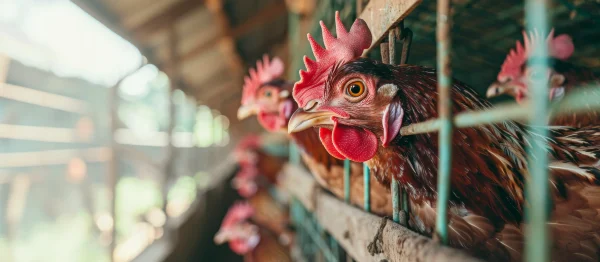
The massive global expansion of free-range and organic agricultural setups highly exposes domestic flocks to dangerous wild animal reservoirs. This outdoor exposure drastically increases the direct introduction risk of rare, novel, destructive strains to previously sheltered birds. Flocks of European starlings and common field rodents act as primary mechanical carriers for lice, fleas, and incredibly dangerous localized bacterial agents. These wild intruders constantly break into feed storage bins, happily consuming grain while actively contaminating the remaining food supply with pathogen-laced saliva and droppings. Facility operators combat this constant threat after installing heavy-duty hardware cloth around all ventilation points and burying steel perimeter fences deeply underground. Building these physical deterrents forcefully denies wild scavengers any access to commercial feeding zones, effectively severing the natural bridge that directly connects wildlife sickness to profitable domestic hens.
Sanitation protocols for boots, tools, and feed
Strict human hygiene habits serve as the ultimate frontline defense against catastrophic facility infections. Farm workers easily track lethal bacteria across long distances merely because they wear muddy boots between multiple different production sheds. Implementing mandatory liquid and semi-liquid footbaths establishes highly protective physical shields. Thorough scientific research consistently proves that utilizing a specialized precise one percent buffered potassium peroxymonosulfate formulation immediately provides one hundred percent bacterial reduction on footwear. This extremely acidic chemical solution rapidly alters the immediate microbial environment, aggressively destroying the fragile nucleic acid bonds of enveloped viruses like Avian Influenza. Forcing all personnel to step through these powerful sanitizing chemical baths prevents sweeping poultry diseases from ever crossing the barn threshold. Practicing consistent daily sanitation securely locks pathogens outside, fiercely protecting the fragile genetic investments growing inside the climate-controlled modern rearing houses.
Monitoring flock behavior for early intervention
Precision Livestock Farming technology completely removes costly human error from daily health monitoring tasks. Modern agricultural facilities now heavily utilize big data and the Internet of Things to track flock behavior consistently without interruption. Tech-savvy farmers eagerly deploy sensitive acoustic sensors alongside progressive computer vision cameras to automate constant mass monitoring inside massive barns. These robotic surveillance systems instantly detect localized respiratory issues, abnormal bird clustering, or painful footpad lesions far earlier than a human worker performing a basic once-daily physical check. Artificial intelligence algorithms constantly analyze the distinct vocalizations of thousands of chickens, immediately flagging the faint, subtle coughing sounds associated with spreading viral infections. Integrating these digital tools gives managers real-time alerts on their smartphones, enabling incredibly fast medical interventions that routinely stop localized bacterial outbreaks from mutating into farm-wide catastrophic mortality events.
Establishing baseline health metrics for the flock
Tracking precise biological metrics physically guarantees that farmers catch illnesses before wide transmission occurs. Data from the Indian Journal of Animal Health shows that healthy modern commercial layers routinely produce over three hundred thirty eggs annually. The same research notes that meat broilers achieve optimal feed conversion ratios and reach target weights in under six weeks. Facility managers rigorously document these intense production baselines every single morning. Deviations from these established daily norms act as immediate biological warnings.
For instance, registering a sudden 10% drop in daily water intake points directly to a feverish flock losing its natural appetite. Catching this specific dip in consumption metrics often serves as the only way to stop the rapid spread of lethal poultry diseases. Using spreadsheets or specialized tracking software allows caretakers to immediately spot these terrifying downward trends. Early metric detection drastically limits mortality rates and powerfully preserves the financial integrity of the farm.
Securing the flock’s future against poultry diseases
Keeping a commercial or backyard flock completely healthy strictly requires applied data and exact protocols. Modern agriculture finally offers caretakers the powerful tools needed to outsmart rapidly evolving pathogens. The precise combined application of progressive poultry science, exact daily immunization schedules administered via modern technology, and uncompromising daily pest eradication protocols guarantees true resilience. Farmers actively fortify their physical infrastructure and biological bloodlines simultaneously after adopting these exact science-backed interventions. Implementing strict biosecurity measures securely locks deadly viral threats outside, while proactive parasite management stops internal vectors dead in their tracks. Timely, well-planned immunizations provide the final impenetrable shield against catastrophic regional outbreaks. Dedicated flock keepers now possess every essential strategy required to ensure their birds thrive incredibly vigorously, remaining completely free from both common and rare poultry diseases for decades to come.
Recently Added
Categories
- Arts And Humanities
- Blog
- Business And Management
- Criminology
- Education
- Environment And Conservation
- Farming And Animal Care
- Geopolitics
- Lifestyle And Beauty
- Medicine And Science
- Mental Health
- Nutrition And Diet
- Religion And Spirituality
- Social Care And Health
- Sport And Fitness
- Technology
- Uncategorized
- Videos

