
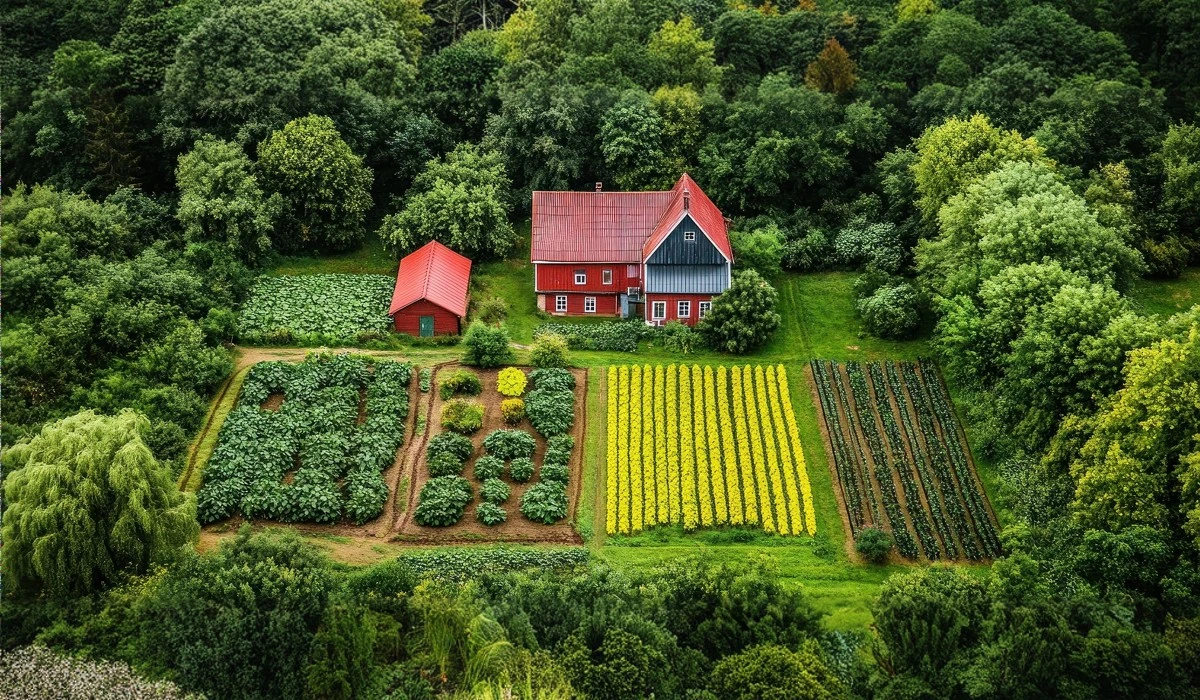
Off Grid Freedom: The Homesteading Lifestyle
According to reports by the USDA Economic Research Service and the Agricultural Marketing Service, every time you buy a tomato at a grocery store, you pay for the diesel used by the truck, the plastic wrap, and the air conditioning in the building. These sources suggest that fuel usage is linked more to the size of the supply chain than travel distance, and that refrigeration is necessary to provide temperature control during transport.
You think you are buying food, but you are actually financing a chain of dependencies that keep you stuck in a cubicle to pay the bills. Real freedom starts when you stop renting your life from a corporate supply chain and start producing it yourself on a dedicated patch of land. This shift into homesteading deeply changes how you view every resource in your home. A focus on self-sufficiency allows you to take back control of your time and your physical health. Managing a smallholding allows you to trade the stress of the rat race for the honest labor of the land. You shift from a passive consumer to an active producer who builds real, lasting security.
The Basis For Modern Homesteading Success
Living in a city often feels like being a guest in someone else’s house where you pay for the right to sleep. You depend on a web of trucks and wires that you did not build and cannot fix if they fail. When store shelves run empty, your kitchen becomes a room of useless boxes and cans. Research published in PMC indicates that homesteading and home gardening improve food security and dietary diversity.
These studies also suggest that such practices reduce dependency on external food systems and expand the variety of food consumed in a household. Starting a smallholding breaks this cycle of helplessness by putting the means of survival back into your own hands. You learn that a handful of seeds and a reliable well provide more security than any bank account could offer. This move reclaims the sovereignty of your daily life by moving beyond simple food production. You stop being a spectator in the economy and start being the director of your own survival. This is the true power of creating a home that produces more than it consumes.
Defining Your Vision Of Independence
Modern independence requires a hard look at what you actually need to survive without a city connection. Many people start with a hybrid model where they keep their remote jobs while building their garden. This approach reduces the pressure to make money from the land immediately. You can focus on learning how to compost and grow basic greens before you quit your day job entirely. Others choose to go completely off the map, cutting all ties with modern utilities and society. This path demands a higher level of discipline and physical toughness because you become the repairman, the gardener, and the security guard. Regardless of your choice, the goal remains the same. You want to own your time and your energy. You want to know that your family eats even if the local supermarket shelves go completely empty tomorrow.
Assessing The Scale Of Your Smallholding
Choosing the right amount of land determines whether you succeed or burn out within the first two years. If you want a vegetarian diet, you can technically survive on about 0.44 acres per person with high-intensity methods. However, most families find that a larger smallholding provides a much-needed safety net for crop failures or pest invasions. You should ask yourself: How much land do I need to be self-sufficient? A 2-to-5-acre smallholding is generally the sweet spot for most families to balance livestock and crops without becoming overwhelmed. This size allows you to rotate your animals and prevent overgrazing while still having plenty of room for a large orchard. If you include grains like wheat, you will need roughly 3,003 square feet of space just to provide enough bread for one person for a single year of eating.
Water Harvesting And Off-Grid Management
You cannot live without water, yet most people rely on a city pipe they do not control. On a smallholding, you must secure your own supply through deep wells or massive rainwater tanks. In places like Maharashtra or Rajasthan, the government now makes rainwater harvesting mandatory for larger plots to combat falling groundwater levels. You should install systems that catch every drop from your roof and store it in underground cisterns. Recycled greywater from your sinks to water your fruit trees doubles the value of every gallon you pump. This practice ensures your self-sufficiency remains intact even during the hottest summer months when the local wells might run dry. Proper filtration keeps this water safe for drinking and cooking. You gain peace of mind knowing your family has a reliable source of life that no utility company can ever shut off.
Renewable Energy For The Homestead
Switching to renewable energy is the final step in cutting the cord from the traditional grid system. A solar system paired with a battery bank provides a reliable source of power that never sends you a monthly bill. For a typical family home, a 5kW solar system costs between $4,500 and $6,600, but it pays for itself by eliminating your electricity costs for decades. You should also consider adding a small wind turbine if your land is located in a breezy area. Having multiple sources of energy ensures that your lights stay on even during cloudy winter weeks. Modern battery technology allows you to store several days of energy, meaning you have power even when the sun does not shine. This technical independence is a core part of self-sufficiency because it protects you from power outages and rising utility rates.
Learning The Food Loop For Total Self-sufficiency
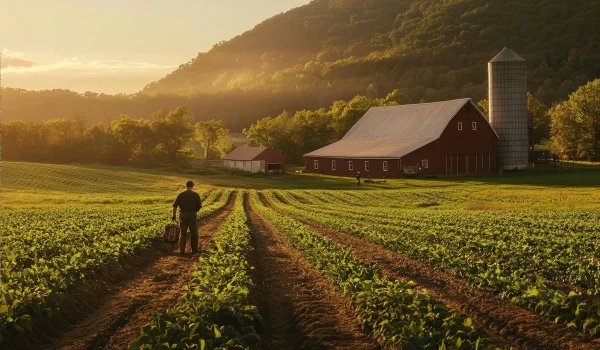
Intensive gardening techniques allow you to grow a massive amount of food on a very small footprint. Data from Landwise and Frontiers in Sustainable Food Systems suggests that a smallholding can produce nearly all the vegetables a person needs for a year in just 150 square meters. These reports show that an area of this size is sufficient to supply fresh vegetables for a family of four, yielding approximately 1,400 kg of food annually. The application of permaculture principles allows you to design a garden that mimics a natural forest and requires much less maintenance over time.
You should plant tall fruit trees to provide shade for smaller berry bushes and leafy greens growing underneath them. This vertical layering maximizes your yield and protects your soil from drying out in the sun. Companion planting, such as growing beans with corn, naturally adds nitrogen back into the dirt without the need for chemicals. This methodology turns your backyard into a highly productive food factory. You spend less time weeding and more time harvesting high-quality, nutrient-dense produce.
Livestock Integration And Rotation
Beyond providing meat and eggs, animals act as the power plant for your garden soil. Chickens eat the kitchen scraps and bugs, then they produce high-nitrogen manure that fuels your vegetable beds. This cycle reduces your need to buy expensive outside fertilizers. Many people worry about the initial costs of setting up these systems. You might wonder: Is homesteading expensive to start? While initial infrastructure for livestock requires an upfront investment, the long-term reduction in grocery and fertilizer costs eventually pays for itself.
According to research published in journals like PMC, three hens per person can provide up to 900 eggs annually, which covers almost all of your protein needs. The study notes that a commercial layer produces roughly 300 eggs per year. This biological integration makes homesteading a smart financial move. You stop buying nitrogen in a bag and start growing it in your backyard through the natural habits of your farm animals.
Building Your Homesteading Financial Strategy
Growing your own food saves money, but a smart homesteader also finds ways to make the land pay for itself. You can turn your extra harvest into a steady stream of cash through a focus on high-value crops like garlic or microgreens. Garlic can gross up to $80,000 per acre, while microgreens often provide profit margins between 50% and 80%. Selling heirloom seeds or organic honey at local markets also helps cover the costs of your animal feed and tools. Your smallholding should function like a tiny business where every square foot produces some form of value. This extra income allows you to pay off your mortgage faster and invest in better equipment like a 4WD tractor. Using a tractor can increase your overall productivity by 25% compared to manual labor. This financial layer ensures that your lifestyle remains stable even if the broader economy struggles.
Eliminating Modern Debt Cycles
Total independence is impossible if you still owe money to a bank every month. The real goal of self-sufficiency is to lower your cost of living so much that you no longer need a high-paying corporate job. You achieve this by practicing radical frugality and reusing materials whenever possible. Instead of buying new lumber, you can dismantle old barns or pallets to build your chicken coops and raised garden beds.
Reducing your monthly bills allows you to build a savings buffer that protects you from unexpected emergencies. You move away from the debt cycles that force most people to work long hours in jobs they hate. When you own your land and produce your own energy, your monthly expenses drop to nearly zero. This freedom gives you the luxury of choosing how to spend your time. You trade a paycheck for the permanent security of a functional home.
The Survivalist Skillset For The Homesteading Life
On a remote farm, you are the first and last line of defense against equipment failure. Learning how to repair your own tools and vehicles is the most important skill you can develop for homesteading success. When your tiller breaks or your solar inverter stops working, you cannot always wait days for a professional to arrive. You need to understand the basics of small engine repair and electrical systems to keep your operation running smoothly. Keeping a well-stocked workshop with spare parts and high-quality hand tools saves you thousands of dollars in labor costs over time. This hands-on knowledge also boosts your confidence when facing the daily challenges of off-grid living. You stop being a helpless consumer and start being a capable builder. This self-reliance ensures that a single broken part does not shut down your entire food production system or leave your home without power.
Food Preservation And Storage Techniques
Managing a farm requires activities beyond planting seeds, demanding constant physical work and mental toughness. You will spend your days fixing broken fences, shoveling heavy compost, and repairing essential engines. Many beginners find the sheer amount of daily chores quite overwhelming. You might find yourself asking: What are the hardest parts of living off-grid? The physical demand of constant maintenance and the psychological change away from instant convenience are the primary hurdles for new homesteaders. You no longer call a professional when a pipe bursts; you grab your own wrench and fix it yourself. This change from a life of ease to a life of effort can be a shock to your system. To survive winter, you must also learn food preservation. You will need about 40 square meters of storage space per person to keep root vegetables like carrots and potatoes fresh.
Establishing A Barter And Trade Network
True independence does not mean you have to live like a hermit in the woods. In fact, building a strong community of neighbors is vital for your long-term self-sufficiency and safety. You can trade your extra eggs for a neighbor’s goat milk or swap your mechanical skills for someone else’s carpentry help. This local trade system creates a safety net that protects everyone in the network from supply chain disruptions. On a smallholding, you will always have a surplus of something and a shortage of something else. Establishing these barter relationships allows you to get what you need without using traditional currency. It also builds social bonds that make rural life more enjoyable and less isolating. Working together with other homesteaders ensures that you have help during a harvest or an emergency. You create a resilient local economy that functions independently of the global market.
Managing Burnout And Long-Term Motivation
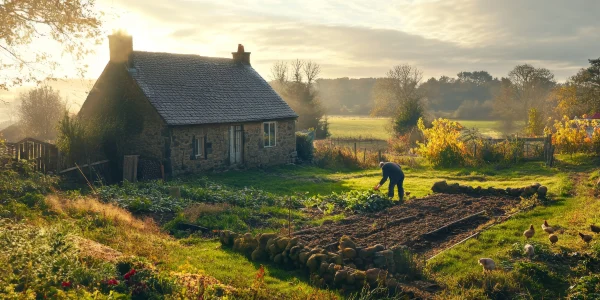
Many people quit their off-grid goals within the first three years because they try to do too much too quickly. Burnout often happens when you neglect your own mental health in favor of an endless list of farm chores. To stay motivated, you must learn to pace yourself and set realistic goals for each season. Research shows that achieving 70% food independence requires at least 20 to 30 hours of labor every week. You should not expect to learn every skill in your first year of homesteading activities. Instead, pick one or two projects to focus on so you can see tangible progress without feeling defeated. Taking breaks and celebrating small wins, like your first successful batch of honey, keeps your spirits high. Remember that this path is a marathon rather than a sprint. Slow and steady growth ensures that your new lifestyle remains rewarding for decades to come.
Zoning Laws And Legal Considerations For Homesteaders
Owning a piece of land does not automatically mean you own the water flowing beneath it. Navigating the complicated world of water rights and easements is a key step for anyone pursuing self-sufficiency on a farm. In many regions, the government or nearby neighbors may have legal claims to the groundwater or local streams. You must research these laws thoroughly to ensure you can legally drill a well or install a large-scale irrigation system. Ignoring these legalities can lead to heavy fines or even the loss of your home. Additionally, you should check for utility easements that might give companies the right to dig up your garden to maintain pipes or wires. Understanding these legal boundaries protects your investment and ensures your water supply remains secure. A clear legal title is just as important as fertile soil for your long-term success. Always consult a local expert first.
Navigating Local Building Codes
Many aspiring homesteaders assume they can build whatever they want on their own land. In reality, local building codes can shut down your project if you do not follow specific rules. The 2018 IRC Appendix Q changed the game for tiny homes by allowing houses under 400 square feet to have lower ceilings and steeper stairs. This legal shift makes it much easier to build an affordable cabin on your smallholding without breaking the law. You must also check if your area allows for composting toilets or non-traditional waste management systems. Understanding these rules prevents expensive legal battles that could drain your savings. Reliable self-sufficiency requires a solid legal basis just as much as it requires good soil. Always talk to your local planning department before you pour a single bucket of concrete. This diligence protects your long-term investment and your peace of mind.
Embracing The Future Of Homesteading
Moving away from the city and onto the land is a radical act of reclamation. You trade the false security of a desk job for the real, tangible security of a productive smallholding. While the path toward self-sufficiency is physically demanding and legally complicated, the rewards are impossible to measure in dollars. You gain the freedom to eat clean food, breathe fresh air, and control your own schedule every day. This shift into homesteading allows you to break free from the modern systems that drain your energy and your bank account. You become a creator instead of just a consumer. The peace that comes from knowing you can provide for your family regardless of the outside world is the ultimate form of wealth. Embracing this lifestyle means choosing a future defined by your own hard work and the natural rhythms of the earth. It is the direct path to freedom.
Recently Added
Categories
- Arts And Humanities
- Blog
- Business And Management
- Criminology
- Education
- Environment And Conservation
- Farming And Animal Care
- Geopolitics
- Lifestyle And Beauty
- Medicine And Science
- Mental Health
- Nutrition And Diet
- Religion And Spirituality
- Social Care And Health
- Sport And Fitness
- Technology
- Uncategorized
- Videos

