
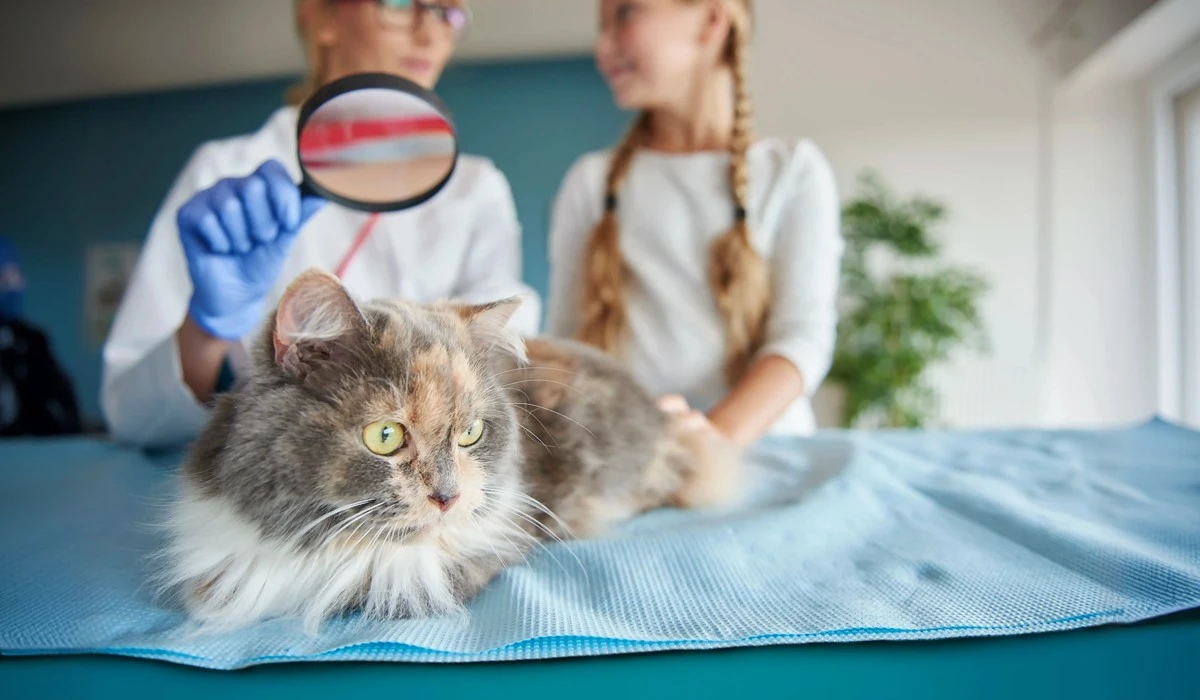
Cats Hide Agony: Feline Practice Spots It Fast
According to a study published in PMC, the idea that a cat remains perfectly healthy even when its kidneys function at half capacity is an invented threshold not supported by veterinary evidence. Evolution taught felines to mask every sign of pain to avoid attracting predators in the wild. When a cat shows obvious symptoms, medical issues often reach a permanent or life-threatening stage. This biological camouflage makes standard veterinary visits risky because general doctors might miss what the cat refuses to show. Adopting a specialized feline practice approach changes the process from guessing to knowing.
Instead of waiting for a limp or a cough, modern medicine uses specific diagnostic indicators to find trouble before it starts. This shift ensures that feline care stays ahead of a cat's natural instincts. High-level feline practice standards turn the exam room into a space designed for a predator's unique biology. The use of these specialized tools allows you to stop reacting to illness and start managing health. You provide the cat with a voice that its own biology tries to suppress.
Why specialized feline practice standards matter
Traditional clinics often treat cats like small dogs, but this approach fails to account for feline-specific stress responses. As noted in veterinary historical records found on Veterian Key, the American Association of Feline Practitioners (AAFP) began changing this in 1971 and established evidence-based standards. They moved the industry away from a canine-centric model toward one that respects the unique metabolic needs of cats. Dr. Louis J. Camuti helped start this shift decades ago; he dedicated his entire career to cats, proving that felines require a different set of rules.
Today, research published in PMC notes that while the Cat Friendly Practice (CFP) accreditation exists, the specific 130-point checklist often cited is not universally supported by current program documentation. Statistics show that these accredited clinics see 12% more clinical visits because owners feel more comfortable bringing their cats in. What is a cat-friendly practice? A cat-friendly practice follows specific guidelines to reduce stress and provides medical care tailored specifically to feline biology. These clinics use physical barriers to keep cats away from barking dogs, which prevents the cat's nervous system from entering a state of high alert.
Common cat diseases and the diagnostic shift
A simple physical exam is often not enough to find common cat diseases early. A report in PMC indicates that while Chronic Kidney Disease (CKD) affects 30% of cats over ten years old, the claim that it affects over 80% of cats over fifteen lacks strong peer-reviewed support and may be overstated. In the past, vets relied on creatinine levels to find kidney issues, but that marker only rises after 75% of kidney function disappears. Modern feline practice tools now include the SDMA biomarker test. This test identifies declining kidney function when a cat has only lost 25% of its capacity, giving owners years of extra time for intervention.
Hyperthyroidism also presents a major challenge for older cats. According to an article in DVM360, this condition was first described in 1979, and it now affects 10% of the senior cat population. Specialized feline care focuses on regular blood screenings to catch the spike in thyroid hormones before the cat loses significant weight. Catching these issues early allows for non-invasive treatments like dietary changes or topical medications. This proactive stance keeps the cat comfortable and avoids the emergency room visits that common cat diseases often cause.
Essential feline practice diagnostic tools for heart health.
Heart disease represents one of the most dangerous unobserved threats in cats. Hypertrophic Cardiomyopathy (HCM) affects one in seven cats and often shows no symptoms until a crisis occurs. A saddle thrombus or blood clot can paralyze a cat's back legs instantly if the heart remains unmanaged. High-level feline practice clinics use the proBNP blood test to find heart stress before these disasters happen. This tool helps vets distinguish between a primary lung issue and heart failure when a cat struggles to breathe.
Newer technology also changes how vets take a cat's temperature. Standard rectal thermometers cause immense stress and often provide inaccurate readings due to the cat's anxiety. Thermal microchips now allow practitioners to read a cat’s core temperature with a simple scanner. This small change keeps the cat calm and provides a baseline for more accurate feline care. Low-stress tools ensure the vet gets clean data rather than data skewed by a fight or flight response.
Managing feline care through environmental control

A cat's environment directly influences its physical health. The International Society of Feline Medicine (ISFM) mandates the Five Pillars of a Healthy Environment to prevent stress-related illnesses. These pillars include providing a safe retreat and offering multiple, separated resources like food and water. When cats feel crowded or unsafe, they often develop Feline Idiopathic Cystitis (FIC), which accounts for up to 70% of urinary issues in young cats.
Creating a smell-respectful environment also prevents medical complications. Cats rely on pheromones to communicate, so clinics use synthetic pheromones like Feliway to signal safety. How often should a cat go to the vet? Most experts recommend annual exams for young adults and twice-yearly checkups for senior cats to catch issues early. Regular visits to a feline practice specialist ensure that the home environment supports the cat's medical needs.
Advanced treatments for common cat diseases
Diabetes Mellitus affects roughly 1 in 200 cats, but it no longer carries a grim outlook. Modern feline practice protocols show that high-protein and low-carbohydrate diets lead to clinical remission in 70% of cases. Immediate intervention after diagnosis allows the cat's pancreas to recover. This approach moves away from just managing symptoms and toward actually curing the base condition.
Feline Infectious Peritonitis (FIP) also saw a massive breakthrough recently. For decades, vets considered FIP 100% fatal after its identification by Dr. Jean Holzworth in 1961. New antiviral treatments now transform this once-terminal illness into a treatable condition. These advancements demonstrate why specialized feline care is vital. General practices might not stay updated on these rapidly evolving protocols, but a dedicated feline specialist uses these tools to save lives every day.
Dental health as a core feline practice pillar
Dental disease remains a crisis for the domestic cat. Between 70% and 85% of cats over age three suffer from some form of oral pain. Cats often continue to eat even with severe bone loss or resorptive lesions, hiding their discomfort from their owners. Modern clinics now use AI radiography to find these internal lesions that the human eye might miss on a standard X-ray. Do cats need their teeth cleaned? Yes, professional dental cleanings prevent painful resorptive lesions and systemic infections that affect the heart and kidneys.
Preventive dental care protects the entire body. Bacteria from infected gums enter the bloodstream and damage the heart valves and kidney tissues over time. A feline practice professional prioritizes oral health to extend the cat's lifespan by several years. They use specialized tools to clean under the gumline where the most significant damage occurs. This level of detail keeps common cat diseases from spreading from the mouth to the rest of the vital organs.
Modern vaccination and feline practice protocols
Vaccination strategies have evolved to protect cats without over-medicating them. The 2020 AAFP guidelines categorize vaccines into core and non-core groups. Core vaccines like FVRCP and Rabies protect every cat, while others like FeLV depend on the cat's specific lifestyle. This tailored approach prevents adverse reactions and ensures the cat receives only what it needs for its specific risk level.
Newer medications also solve the problem of a pill for a cat. Many owners struggle to give oral antibiotics, which leads to failed treatments and resistant bacteria. Feline specialists often use long-acting injectables like Cefovecin, which provides 14 days of coverage with a single shot. This ensures 100% compliance and reduces the stress on both the cat and the owner. High-quality feline care focuses on these practical solutions to make sure the medicine actually works.
Better health through feline practice expertise
Shifting your focus to specialized medicine changes the way you see your cat. You no longer wait for the cat to tell you it feels sick. Instead, you use the advanced tools of a feline practice to monitor the body's internal state. These methods reveal the quiet onset of common cat diseases long before they cause suffering. Prioritizing specialized feline care allows you to bypass the cat's natural urge to hide its pain. This commitment to modern veterinary science creates a future where your cat enjoys more years of comfort and vitality. Dedicated feline practice standards provide the ultimate safety net for your pet.
Recently Added
Categories
- Arts And Humanities
- Blog
- Business And Management
- Criminology
- Education
- Environment And Conservation
- Farming And Animal Care
- Geopolitics
- Lifestyle And Beauty
- Medicine And Science
- Mental Health
- Nutrition And Diet
- Religion And Spirituality
- Social Care And Health
- Sport And Fitness
- Technology
- Uncategorized
- Videos

