

Stop Illegal Wildlife Trade To Secure Our Water
Most people view water as something that comes from a tap or a pipe. We treat it as a utility provided by the city. However, your tap water actually begins its path in remote forests and mountain peaks. When a criminal shoots an elephant for its tusks, they are actually damaging the natural pumps that keep your local rivers flowing. This connection stays buried because we separate nature from our daily survival. Every time the illegal wildlife trade removes a keystone animal, it breaks a physical link in the world’s water cycle. These animals act as the ground crew for the planet. They stomp down soil, clear brush, and plant seeds that grow into massive forests. Without them, the ground turns to dust, and the rains stop soaking into the earth. We are trading our future hydration for black-market trinkets and jewelry.
The Unseen Link Between Illegal Wildlife Trade And Water Security
Wildlife traffickers kill animals and dismantle the natural infrastructure of the planet. When a poacher removes endangered species, wildlife crime from its home, they cause a chain reaction that eventually reaches our kitchen sinks. According to research published in Science, native forests are more effective at providing ecosystem benefits like soil erosion control, biodiversity, carbon storage, and water provisioning than other land types.
Forests and grasslands rely on animals to move nutrients and maintain the soil. Without these animals, the land loses its ability to hold onto water. Instead of soaking into the ground to refill aquifers, rainwater simply washes away, taking topsoil with it. This leads to mudslides during storms and dry beds during the summer months. Criminals who profit from the illegal wildlife trade effectively steal water from local villages and global cities alike. They prioritize short-term cash over the long-term survival of the human race. We must recognize that every rhino horn or tiger bone represents a damaged river system.
Ecosystem Services And The Ripple Effect Of Poaching
Ecologists call the collapse of nature a trophic cascade. This occurs when the illegal wildlife trade targets top predators like tigers or wolves. Research conducted by Beschta and Ripple indicates that removing top predators can cause cascading effects through prey animals to plants, which significantly alters the shape and structure of river channels. The study further explains that when riparian vegetation is suppressed by overgrazing, it leads to wider active channels because of increased bank erosion. When the hunters vanish, the population of deer and goats explodes beyond what the land can handle.
These herbivores eat every green shoot and sapling in sight. Soon, the hillsides become bare and brown. Without roots to hold the dirt in place, the first heavy rain turns the river into a thick soup of mud. This sediment clogs downstream filters and kills the fish that keep the water clean. When one animal is removed from the top of the chain, traffickers destroy the water quality for everyone at the bottom. This cycle shows that nature is a single, living body that requires every organ to function properly, rather than a collection of separate parts.
Wildlife Loss Disrupts Forest Growth And Rainfall Cycles
The death of a forest begins when the animals vanish. In many tropical regions, large mammals disperse the seeds of the biggest trees. When poachers kill these animals, the forest can no longer grow new trees to replace the old ones. Eventually, the canopy thins and the ground dries out. A study in ScienceDirect suggests that disturbances to natural vegetation, such as deforestation, can interfere with large-scale moisture transport and atmospheric circulation.
This creates a hotter local climate and reduces the amount of moisture available to form clouds. Ironically, a forest without wildlife is a forest without rain. This connection proves that we cannot separate the health of the animals from the health of our water supply. Every animal plays a role in keeping the earth’s life-support systems running. When we ignore endangered species, wildlife crime, we ignore the cracks forming in our own environment. We must stop the trade to keep the cycle of life and water moving forward.
Why Healthy Watersheds Need Biodiversity
A healthy environment acts like a massive sponge. It captures moisture from the air and stores it deep underground for later use. Biodiversity makes this sponge thick and resilient. When an area hosts many different endangered species, wildlife crime, it can survive harsh droughts or massive floods much better than a barren field. Diverse plants and animals create an elaborate web that manages every drop of rain. Ironically, endangered species, wildlife crime targets the very species that keep this web strong. When biodiversity drops, the land loses its flexibility. It cracks under the sun and washes away under the rain. Protecting a wide variety of life ensures that our water remains pure and plentiful. We cannot expect clean water to appear from a dead terrain. True water security requires us to guard the living creatures that maintain the natural world.
Biodiversity Naturally Protects And Filters Our Water Supply
Diverse habitats also regulate the flow of rivers and streams. In a balanced environment, water moves slowly through the soil, getting filtered by roots and microbes along the way. This ensures that the water arriving in our reservoirs is clean and safe to drink. When the illegal wildlife trade destroys this balance, water moves too quickly. It rushes over the surface, picking up pollutants and debris. This leads to contaminated water sources that require expensive chemical treatments. When we maintain high levels of biodiversity, nature performs this filtration for us at no cost. We must treat every species as a valuable member of our global water management team. Losing even one species can create a hole in the system that allows pollution to enter our lives. Protecting biodiversity is a highly effective way to secure our hydration.
How Endangered Species, Wildlife Crime Destroys Natural Water Towers
As reported by UNESCO, the high-altitude regions known as water towers supply essential fresh water to over two billion people globally. These areas, including the Himalayas and the Andes, rely on a delicate balance of life to function. Unfortunately, these remote spots often attract the most aggressive forms of endangered species, wildlife crime. Poachers enter these sensitive zones to trap rare birds or hunt large mammals. Their presence alone causes massive damage to the environment. They set illegal fires, leave trash behind, and clear paths that cause erosion. As they remove animals, they also remove the natural pressure that keeps the plant life healthy. When these water towers fail, the rivers that feed major cities begin to shrink. This is a direct threat to the primary source of water for our global civilization. We must stop traffickers from invading these vital mountain peaks.
The Effect Of Illegal Logging And Habitat Degradation
Criminal networks often move multiple products at once. A gang involved in the illegal wildlife trade frequently traffics rare hardwoods like rosewood at the same time. They call rosewood the ivory of the forest because of its high value on the black market. When they cut down these ancient trees, they strip the forest of its protective canopy. This canopy acts as a shield that prevents the sun from baking the forest floor. Without shade, the moisture in the soil evaporates instantly into the air. This stops the local rainfall cycle because the trees can no longer pump water back into the atmosphere. The removal of these trees directly leads to the drying up of nearby streams and wells. Every piece of illegal timber represents gallons of water that will never reach a human community or a farm.
Illegal Logging And Wildlife Loss Destroy Vital Water Ecosystems
Illegal logging also destroys the homes of countless animals. When the trees fall, the endangered species, wildlife crime that live there either die or flee. This doubles the damage to the watershed. First, the trees are gone, so the rain doesn't stay in the ground. Second, the animals are gone, so the forest cannot grow back. This creates a wasteland that cannot support life or provide water. Criminals who profit from these activities do not care about the long-term consequences of their actions. They only see the immediate value of the wood and the animals they take. We must treat habitat destruction as a crime against our own survival. Every acre of forest lost to trafficking is an acre of land that can no longer provide us with the water we need to survive.
Soil Erosion And The Loss Of Natural Filtration
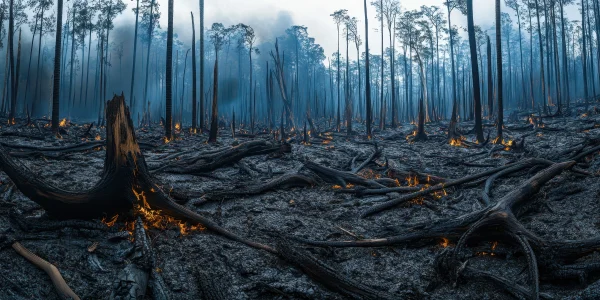
Healthy riverbanks require the constant attention of wild animals. Some species dig holes that allow water to reach deep roots, while others stomp down the earth to prevent it from sliding away. When endangered species, wildlife crime empties a forest, these riverbanks begin to crumble. Without the animals and the plants they support, rain washes the soil directly into the stream. This creates a high level of sedimentation that makes the water brown and gritty. This dirty water is often undrinkable for local communities who lack expensive filtration systems. Furthermore, the sediment fills up dams and reservoirs, reducing the amount of water a city can store. The loss of endangered species, wildlife crime creates a physical blockage in our water supply lines. We pay the price for this crime every time we have to boil our water.
Healthy Forests And Wildlife Help Keep Water Clean And Safe
Erosion also carries dangerous chemicals and bacteria into the water supply. In a healthy forest, the soil acts as a filter that traps these pollutants. When the soil washes away, those pollutants go straight into the river. This increases the risk of waterborne diseases for everyone downstream. The illegal wildlife trade effectively breaks the natural barriers that keep our water safe. We are left with a terrain that can no longer clean itself. This forces us to spend more money on medicine and water treatment. Protecting the animals that stabilize the soil prevents this pollution at the source. We must understand that a stable riverbank is just as important as a stable economy. Both rely on the presence of wild animals to function properly and provide for our basic human needs.
Protecting Endangered Species, Wildlife Crime To Maintain Pristine Rivers
Saving a rare animal is the same as saving a river. We must view endangered species, wildlife crime as the technicians who maintain our most important resource. These animals perform daily tasks that no human technology can replicate for free. They prune the vegetation, distribute seeds, and aerate the soil. When we protect them from the illegal wildlife trade, we are actually protecting our own health and safety. Conservation efforts in river basins have shown that when animal populations recover, water quality improves almost immediately. This happens because the natural balance returns and the land starts working as a filter again. We need to stop seeing conservation as a luxury project. Instead, we should see it as an essential investment in the infrastructure that keeps our species alive and our global economies running smoothly.
Keystone Species: The Engineers Of Our Waterways
Certain animals act as hydrological engineers because they physically change the way water moves through the land. For example, beavers build dams that slow down fast-moving streams. This creates wetlands that act as natural filters for pollutants like nitrogen and phosphorus. Otters and hippos also play a role by moving nutrients between the land and the water. When endangered species, wildlife crime targets these engineers, the rivers become unpredictable and dangerous. They flash flood during storms and disappear during dry seasons. Ironically, we spend billions of dollars trying to build concrete walls that do a worse job than these animals did for free. Protecting these species ensures that our waterways remain stable and clean. We must value these animals for the physical labor they perform in keeping the planet hydrated and safe for every person.
Protecting Predators And Ecosystems Keeps Rivers Healthy
The removal of top predators also affects how these engineers work. If wolves or tigers are taken by traffickers, the prey animals change their behavior. They might stay in one spot too long and destroy the riverbanks that the engineers are trying to maintain. This shows that every endangered species, wildlife crime is part of a larger team. You cannot lose one member without hurting the performance of the others. The illegal wildlife trade ignores these relationships in search of a quick profit. We must work to restore these teams by protecting the entire habitat. When the predators and the engineers are both safe, the river thrives. This creates a reliable source of water for farming, drinking, and industry. We must act as the ultimate guardians of these natural engineers to ensure our own continued survival.
Case Study: How Forest Elephants Support Freshwater Systems
Forest elephants are often called the gardeners of the forest. They eat vast amounts of fruit and travel long distances, spreading seeds in their waste. This creates a diverse forest that is much better at capturing and storing water. Elephants also use their tusks to dig for water in dry riverbeds, creating small wells that other animals use to survive. This activity keeps the entire environment hydrated during the hottest months of the year. However, the illegal wildlife trade has decimated forest elephant populations for their ivory. As these elephants disappear, the forests become thinner and less able to hold onto moisture. This change affects the rainfall patterns for the entire region. When we stop endangered species, wildlife crime against elephants, we are actually securing the rainfall that farmers need to grow the food we eat.
Elephants Play A Vital Role In Maintaining Forest Water Cycles
Without elephants, the density of the forest changes. They thin out small trees, allowing the giants to grow larger and store more carbon and water. These giant trees are the primary drivers of the water cycle in tropical regions. When the elephants are gone, the forest becomes cluttered with small, thirsty trees that don't provide the same benefits. This shift reduces the overall water yield of the forest. Ironically, the ivory trade is trading the world's freshwater supply for a few carved statues. We must recognize the immense value of living elephants as water providers. Their daily walks through the jungle do more for our hydration than any man-made dam. Protecting these giants from the illegal wildlife trade is a direct investment in the future of our global water security.
The Economic Toll Of Illegal Wildlife Trade On Global Water Systems
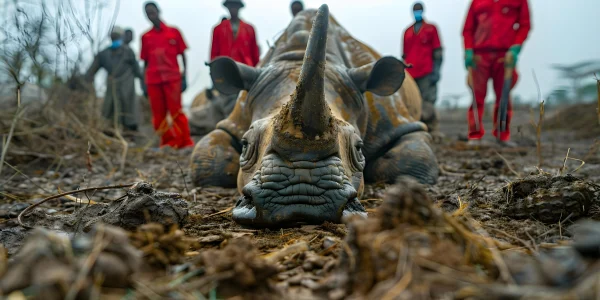
The financial cost of environmental crime is significant. Reports from Reuters and AP estimate that the world loses between $10 billion and $20 billion every year because of wildlife crime and related activities. Much of this loss comes from the destruction of free services like water purification. When we lose a watershed, we have to pay to replace it with man-made tools. This takes money away from schools, hospitals, and roads. How does poaching affect the water cycle? Removing keystone species that manage vegetation and soil health causes land degradation that reduces the earth's ability to absorb and recycle water into the atmosphere. This shift can lead to localized droughts and the permanent drying of once-reliable springs. We are essentially stealing from our own pockets to fund criminal syndicates. Stopping the illegal wildlife trade is a smart financial move.
Loss Of Revenue For Water Management Infrastructure
Governments lose billions of dollars in tax revenue because of the black market. This money should go toward building modern water pipes and treatment plants. Instead, it ends up in the hands of international criminals who fuel instability and violence. This loss of income makes it harder for developing nations to provide clean water to their citizens. Furthermore, a report from the UN, highlighted by Reuters, notes that between 2015 and 2021, authorities seized 13 million items, revealing an illegal trade involving roughly 4,000 species across 162 countries and territories. Officials may look the other way while forests are stripped and rivers are polluted. This breakdown of the law makes it impossible to manage water resources effectively. We cannot have a reliable water system in a place where the law does not exist. Fighting the illegal wildlife trade helps restore the rule of law. This allows communities to thrive.
Protecting Wildlife Tourism Helps Preserve Economies And Water Resources
The economic effect also hits the tourism industry. Many countries rely on endangered species, wildlife crime to attract visitors who bring in foreign currency. This money is often used to fund national parks and water protection programs. When poachers kill the wildlife, the tourists stop coming, and the funding for conservation disappears. This creates a downward spiral where the land becomes poorer and the water becomes scarcer. We must break this cycle by investing in security and law enforcement. Protecting wildlife protects both the animals and the economic engine that funds our most basic services. When we stop traffickers, we protect the revenue that keeps our water flowing and our communities safe. Every animal saved is a victory for the local economy and the global water supply.
The Rising Cost Of Synthetic Water Treatment
When nature stops filtering our water, we have to build expensive chemical plants to do the job. These plants are 10 to 100 times more expensive than simply protecting a healthy forest full of endangered species, wildlife crime. These facilities require ongoing maintenance, electricity, and expensive chemicals to keep running. If a city loses its natural watershed to endangered species, wildlife crime, its water bills will skyrocket. For many people in the world, these higher costs mean they simply lose access to clean water entirely. This creates a massive public health crisis that costs even more money to solve. Nature provides us with a high-tech filtration system that has worked for millions of years. It is foolish to let criminals destroy this process for a few ivory carvings. We must protect our wild animals.
Protecting Natural Water Systems Is Smarter Than Replacing Them
Chemical treatments also have their own environmental costs. The production and transport of water-treatment chemicals create carbon emissions and other forms of pollution. Furthermore, these plants cannot perfectly replicate the elaborate mineral balance found in naturally filtered water. Relying on machines instead of nature leads to the loss of resilience that a healthy environment provides. If a treatment plant breaks down, an entire city could go without water. A healthy forest, however, provides a constant and reliable supply. The illegal wildlife trade pushes us toward an expensive and fragile future. We must choose to protect the living filters that keep our water cheap, clean, and plentiful. Investing in the fight against endangered species, wildlife crime is much more cost-effective than building another treatment plant. Our wallets and our health both depend on this choice.
Strengthening Governance To Counter Endangered Species, Wildlife Crime
To protect our water, we must first protect the people who guard the wild. Rangers are the first line of defense against the illegal wildlife trade. They work in dangerous conditions to stop poachers before they can damage the environment. However, many of these guards lack the basic tools they need to do their jobs. They need better communication gear, vehicles, and legal support. When we empower these guardians, we are actually securing our own natural resources. A single ranger can protect thousands of acres of watershed from being destroyed by endangered species, wildlife crime. We must treat these men and women as essential workers who provide a vital service to the entire world. Giving them the resources they need allows us to stop the destruction of our water sources at the beginning of the supply chain.
Empowering Rangers And Local Water Guardians
Local communities are the most important partners in the fight against poachers. These people live on the land and see the damage that endangered species, wildlife crime causes to their own water and food. Why is illegal wildlife trade a threat to the environment? It disrupts the involved biological interactions that maintain environmental stability, leading to a total collapse of services like pollination and water purification. This instability makes habitats more vulnerable to climate change and invasive species. When we provide local people with jobs in conservation, they have a reason to protect the endangered species, wildlife crime in their backyard. This creates a strong barrier against outside criminal groups. We must ensure that the people who live near wildlife are the ones who benefit from its protection. This creates a sustainable system where both humans and animals can thrive.
Supporting Rangers And Local Communities Strengthens Conservation Efforts
Empowerment also means providing legal protection for these guardians. In many places, rangers face violent attacks from well-armed poaching syndicates. We must provide them with the same level of support and equipment that we give to our police and soldiers. When a ranger stops a shipment of illegal wildlife, they are preventing a crime that affects the entire world. This work requires bravery and dedication, and it should be rewarded with fair pay and social respect. Furthermore, we must involve local leaders in the decision-making process for conservation. When a community feels ownership over its natural resources, they become the best defenders against the illegal wildlife trade. This local strength is the most powerful tool we have to protect the world's water towers. We must build this strength from the ground up.
Disrupting Financial Networks Behind Trafficking
Stopping a poacher in the woods is only half the battle. To truly end the illegal wildlife trade, we must follow the money. According to a Reuters report on a US-South Africa task force, authorities are now focusing on the financial gains of wildlife crime while also addressing related issues like fraud, corruption, and drug trafficking. Law enforcement agencies are now using financial tracking to find and freeze the assets of these kingpins. Taking away their profits removes their power. Disrupting the financial networks allows us to dismantle the entire structure of endangered species, wildlife crime. This protection extends to our water systems because it stops the large-scale exploitation of nature. We must use every tool at our disposal to ensure that no one profits from destroying the world’s most precious resources.
Fighting Wildlife Trafficking Requires Global Financial Enforcement
Interpol-led efforts, such as Operation Thunder, demonstrate the scale of the criminal groups involved in illegal wildlife trade and the forestry trade; Reuters reports that these groups often involve themselves in other areas like drug trafficking and human exploitation. Targeting the money behind the illegal wildlife trade also strikes a blow against global organized crime. This makes our entire world safer and more stable. Banks and shipping companies must play a larger role in identifying and reporting suspicious activity.
When a shipment of illegal timber or animal parts is identified, the companies involved must face heavy fines. This creates a financial incentive for the private sector to join the fight against endangered species, wildlife crime. We need a united front that includes governments, businesses, and law enforcement. Closing the financial loopholes makes it impossible for traffickers to operate. This is the only way to ensure that our natural world remains protected from those who would sell it for a profit.
Innovative Solutions To Stop Illegal Wildlife Trade For Good
We are now using space-age technology to fight ancient crimes. Satellites can monitor vast areas of forest in real-time, looking for the smoke of illegal fires or the tracks of poachers. This allows authorities to respond much faster than they could in the past. These tools help us protect the endangered species, wildlife crime that maintain our watersheds. We are also using artificial intelligence to predict where poachers might strike next. When authorities analyze data on terrain and past crimes, they can put guards in the right place at the right time. This technology makes it much harder for criminals to operate in the shadows. The illegal wildlife trade is becoming a high-risk activity with a low chance of success. As we improve our tracking methods, we create a safer world for both animals and the water systems they support.
International Policy And CITES Enforcement
The CITES treaty is the most important legal tool we have to protect wildlife. Over 180 countries have signed this agreement to regulate the trade of endangered species, wildlife crime. However, rules are only useful if they are actually enforced. Many nations need to strengthen their laws and increase the penalties for endangered species, wildlife crime. We must treat the trafficking of animals with the same seriousness as drug or weapons smuggling. When a country fails to stop the trade, it puts the entire planet's water security at risk. Working together ensures that we close the loopholes that criminals use to move their products. This ensures that no animal is taken from its home to satisfy a luxury market. Strengthening our international policies creates a shield that protects our rivers and our future.
Strong Policies And Public Awareness Can Reduce Wildlife Demand
Policy reform must also address the demand for illegal products. Governments should launch education campaigns to show citizens the true cost of the illegal wildlife trade. When people realize that their purchase is destroying a distant water supply, they are much less likely to buy. We must also push for better labeling on products to ensure they are legally sourced. International trade agreements should include strict requirements for environmental protection. If a country does not take action against endangered species, wildlife crime, it should face economic consequences. This creates a global standard that protects our natural resources for everyone. We need laws that are as strong as the criminals who try to break them. By improving our international policies, we create a world where nature is valued and protected at every level of government.
Innovative Technology In Tracking And Protection
New sensors can now hear the sound of a chainsaw or a gunshot from miles away. These devices send an instant alert to rangers, allowing them to stop endangered species, wildlife crime before it causes major damage. Some conservationists are even using DNA testing to track the origin of confiscated ivory or timber. This helps identify the specific forests that are under attack, allowing for better protection of those watersheds. These innovations are changing the balance of power in the fight against the illegal wildlife trade. We no longer have to wander blindly through the woods hoping to find a criminal. We use precise data to guard the most important parts of our natural world. These high-tech solutions provide a way to monitor the health of our water towers without needing thousands of people on the ground.
Technology Strengthens The Fight Against Wildlife Crime
Drones are also becoming a vital tool for conservation. They can fly over difficult terrain and spot poachers without being seen. This gives rangers a huge advantage in stopping endangered species, wildlife crime safely. Furthermore, block-chain technology is being used to create digital records of legal wildlife products. This makes it much harder for traffickers to hide illegal goods inside legal shipments. These technologies provide a layer of security that was never possible before. As we continue to innovate, we make the world a smaller and safer place for endangered species, wildlife crime. We must continue to invest in these tools to stay ahead of the criminal networks. Technology is a powerful ally in our mission to secure our water and our wildlife. Using every resource allows us to build a future where nature is safe from exploitation.
Collective Action: How You Can Help End The Poaching Crisis
Every person has a role to play in the fight for clean water. The illegal wildlife trade only exists because people buy the products it creates. Those who refuse to buy items made from endangered species, wildlife crime help cut off the money that fuels these crimes. This is the most direct way to protect the natural world from your own home. We must become conscious consumers who ask questions about where our products come from. Whether it is a piece of furniture, a medicine, or a piece of jewelry, we must ensure it was not stolen from the wild. When the demand for these items disappears, the incentive for endangered species, wildlife crime goes away with it. Your choices at the store have a direct effect on the health of distant rivers and the survival of the animals that keep them flowing.
Conscious Consumerism And Ethical Choices
Many people unknowingly buy products that contribute to the destruction of nature. To avoid this, you should look for certifications that guarantee a product was made sustainably. For example, wood products should have a label showing they were harvested legally and did not destroy a watershed. You can also avoid traditional medicines that use parts from rare animals. There are almost always modern or plant-based alternatives that work just as well without harming endangered species, wildlife crime. Sharing this information helps change the culture of consumption. We need to move away from the idea that rare items are symbols of status. Instead, we should view the fight against the illegal wildlife trade as a mark of a responsible person. Every small choice helps save a drop of water.
Education And Ethical Choices Drive Conservation Change
Education is also a form of action. Explaining this connection helps build a larger movement for conservation. Many people have no idea that their hydration depends on the survival of endangered species, wildlife crime in distant countries. When more people understand the true cost of endangered species, wildlife crime, they will be more likely to support change. You can also support businesses that prioritize the environment and avoid those that do not. Your money is a vote for the kind of world you want to live in. Choosing ethical products sends a clear message to the market that nature is not for sale. Together, we can create a powerful demand for a legal and sustainable world.
Supporting Conservation Advocacy And Policy Reform
Personal choices are important, but we also need systemic change. Voting for leaders who prioritize environmental protection and the rule of law supports this change. We need governments that are willing to invest in the fight against endangered species, wildlife crime. What can be done to stop wildlife trafficking? Individuals can support more stringent international trade laws and contribute to organizations that provide alternative livelihoods for communities often exploited by criminal syndicates. Reducing global demand and increasing local security makes the financial incentive for these crimes disappear. You can also join advocacy groups that push for stronger penalties for those caught in the illegal wildlife trade. When we raise our voices together, we can influence the laws that protect our planet. Supporting these efforts ensures that our water remains a public right.
Support Conservation To Protect Wildlife And Water Sources
Donating to conservation groups is another way to make a difference. These organizations work on the ground to protect endangered species, wildlife crime and their habitats. They provide training for rangers, support local communities, and use technology to track poachers. Your support allows them to continue this vital work and expand their reach. Even a small donation can help buy a camera trap or a radio for a ranger. This direct action helps stop endangered species, wildlife crime at the source. We must treat conservation as a collective responsibility. Working together allows us to provide the resources needed to win this fight. Our combined efforts will ensure that the natural world remains healthy and that our water sources are safe for future generations. We have the power to create a lasting change if we act now with courage and determination.
A Future Defined By Water And Wildlife
The survival of humanity is tied to the survival of the wild. We can no longer ignore the physical connection between a healthy elephant and a clean glass of water. When we allow criminals to strip the earth of its life, we are allowing them to dry up our future. The illegal wildlife trade is a direct assault on the systems that keep us alive. It is a security threat that requires our full attention and our strongest action. We have the technology, the laws, and the knowledge to stop this destruction. All we need is the will to act before it is too late. By protecting the world’s most vulnerable creatures, we are actually protecting ourselves. Let us choose a future where rivers run deep and wildlife thrives, ensuring that every person on earth has the water they need to live.
Recently Added
Categories
- Arts And Humanities
- Blog
- Business And Management
- Criminology
- Education
- Environment And Conservation
- Farming And Animal Care
- Geopolitics
- Lifestyle And Beauty
- Medicine And Science
- Mental Health
- Nutrition And Diet
- Religion And Spirituality
- Social Care And Health
- Sport And Fitness
- Technology
- Uncategorized
- Videos

