
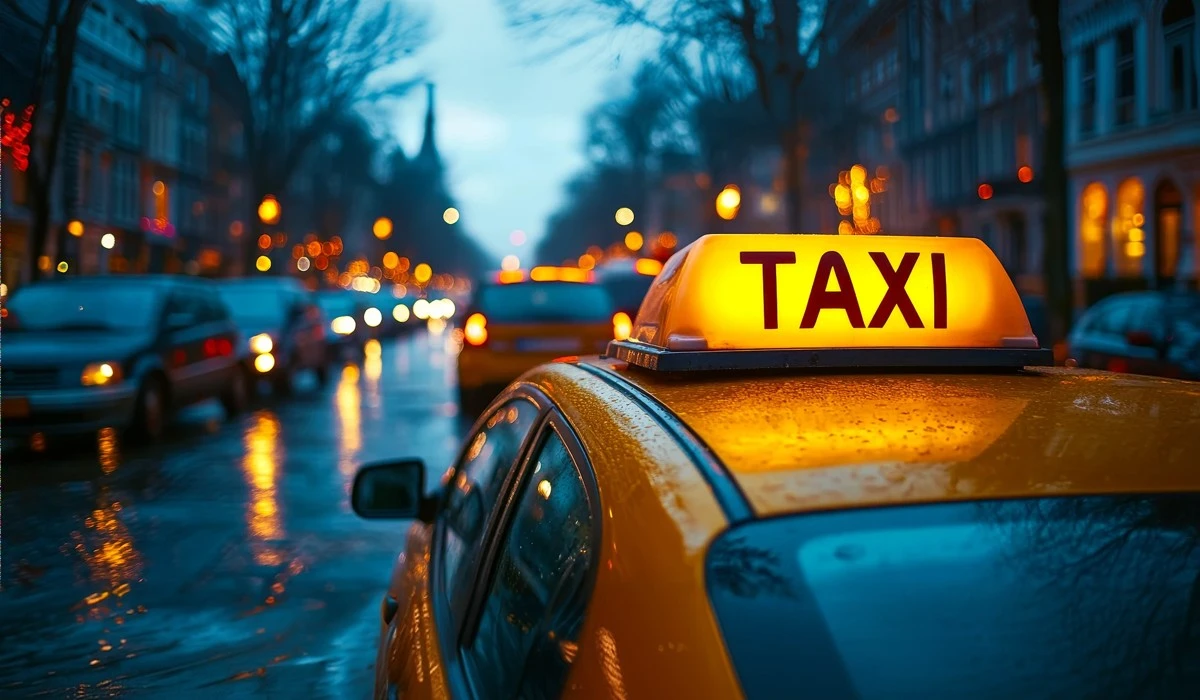
Legal Failures Behind Fake Taxi Attacks
Glasgow, August 7, 2022. Sophie and her friend were trying to get home. A car pulled up. The driver looked like any other cabbie. He wasn't. According to Police Scotland, Barzan Nawshowani posed as a legitimate taxi driver to pick them up in the Dennistoun area. Sophie stepped in thinking she had flagged down a private hire vehicle. She had actually stepped into a vehicle controlled by a predator. What followed was an abduction and assault that should have ended with a sentence matching the crime. It didn't. Fake taxi attacks like this one keep happening because the legal system keeps letting them. Weak sentencing, poorly enforced transit rules, and a courtroom process that re-traumatizes survivors all play a role. The system isn't broken by accident. It's broken by neglect.
The Predatory Routine of Fake Taxi Attacks
Assumed safety creates the perfect hunting ground for unlicensed drivers to exploit vulnerable people.
Exploiting Late-Night Desperation
Predators pick their moment on purpose. They wait outside clubs and bars after public transit stops running, scanning for people who are exhausted, intoxicated, and not thinking about license plates. A driver pulls to the curb, offers a cheap rate, and asks for cash only. Some predators run what police describe as the "airport shuttle deception," luring tired travelers into unmarked vans. The passenger climbs in, relieved to have found a ride, and entirely unaware they just bypassed every municipal safeguard in place to protect them. Licensed taxi companies require strict private hire vehicle licenses, driver background checks, valid insurance, and MOT certifications. Unlicensed drivers carry none of those. They operate entirely off the books, which means zero accountability and zero protection for whoever gets in the car.
The Reality of Street-Hailing Laws
Fake taxi attacks succeed in part because most people don't know how street-hailing actually works. Only legally designated hackney carriages can legally pick up immediate street hires. These vehicles carry illuminated signs and mandatory public insurance. Private hire vehicles, by law, require advance booking through a licensed operator. Rogue drivers ignore this rule because the consequences for breaking it are often minimal. When you flag a random car on the street, you lose the digital trail that would track your location and your driver's identity. There is no record of where you're going or who took you there. The predator immediately controls the environment, the route, and the destination. That's not a coincidence. That's the point.
How Trauma Disarms the Body During an Assault
Research published in Frontiers in Psychiatry states that extreme fear hijacks the nervous system, forcing an involuntary state of physical paralysis, muscular rigidity, and an inability to vocalize rather than verbal consent.
The Severe Somatic Shutdown
During the Dennistoun assault, Sophie experienced complete physical paralysis. Her mind raced with panic, but her muscles refused to respond. She thought she would die in that vehicle. This kind of somatic shutdown is a recognized biological response to severe trauma. When the brain registers escape as impossible, it paralyzes the body to minimize physical injury. The victim stays fully conscious while motor functions shut down. This is not weakness. It is the nervous system doing exactly what it is designed to do under mortal threat. It also means the victim cannot fight back, no matter how much they want to.
Societal Expectations vs. Biological Reality
Society expects victims to fight or run. This expectation puts an unfair and medically illiterate burden on survivors. What happens during a trauma freeze response? The nervous system initiates an involuntary shutdown that blocks all voluntary movement and speech to protect the victim from immediate fatal harm. Sophie could not fight or flee. Nawshowani exploited that paralysis to complete the assault. He weaponized her biological survival response against her. Courts frequently struggle to understand why a victim didn't physically resist, and that confusion ends up working in the offender's favor. Survivors then carry both the trauma of the attack and the pressure to explain why they didn't "do something" about it.
The Courtroom Scrutiny Following Fake Taxi Attacks
The legal system forces survivors to defend their own credibility while relieving the offender of immediate pressure.
Testifying Through a Screen
Police apprehended Nawshowani within days of the August 7 incident. But the trial introduced a new layer of trauma. As detailed by The UK Pulse, Sophie gave her testimony via video link to avoid direct physical proximity to her attacker, while enduring repeated panic attacks throughout cross-examination. Courtrooms demand precise factual recall from a brain that is actively working to suppress painful memories. Sophie faced a defense strategy built around creating doubt. Defense attorneys routinely work to minimize the severity of the assault and highlight the victim's perceived poor decisions as a way to shift responsibility away from the offender.
The Amplification of Survivor Shame
That kind of scrutiny generates shame fast. Survivors of fake taxi attacks often want to disappear rather than sit in a courtroom and relitigate the worst night of their lives. Sophie felt deep anger as the defense tried to make her responsible for hailing a stranger's car. The justice system demands perfect behavior from victims while building elaborate defenses for predators. Survivors walk out of court feeling violated a second time. The process treats the victim's experience as a debate topic rather than a fact. That framing doesn't serve justice. It protects the offender.
The Sentencing Flaw in Fake Taxi Attacks
The penal code treats life-altering devastation as a brief disruption worthy of a modest timeout.
The Disconnect in Criminal Penalties
As reported by STV News, Scottish courts initially handed Nawshowani a six-year prison term. The Crown appealed, and the sentence was revised to eight years plus three years of post-release supervision. Even the revised sentence falls far short of what the crime warrants. Sophie argued for 15 to 16 years, saying the total loss of her personal peace deserved to be matched by a total loss of the offender's freedom. That gap between what courts hand down and what survivors believe is fair reflects a wider failure. Fake taxi attacks leave lifelong damage. Eight years doesn't come close to accounting for that.

Pushing for Systemic Reform
Short sentences mean perpetrators return to communities before survivors have had any chance to rebuild their lives. Will Scottish courts give longer sentences for rape? According to the Scottish Sentencing Council, new Scottish sentencing guidelines will introduce higher penalties for rape offenses starting in March 2026 to better reflect the severity of the trauma. Until those changes take effect, survivors watch dangerous offenders walk free on timelines that serve no one but the perpetrators. The current system forces victims to live in fear of early release. Survivors carry lifelong trauma while perpetrators serve temporary detentions.
The Physical Disguise of Rogue Drivers
Simple pieces of plastic and magnetic signs transform everyday vehicles into legitimate-looking traps.
Mimicking Official Transport
Predators copy the look of official transport using fake branding stuck to car doors. The imitation works because most passengers don't know what to look for. In Brighton, a predator named Graham Head used a fake taxi disguise to hunt victims. He wore a balaclava and drove an unmarked vehicle, ultimately receiving convictions for kidnap and attempted rape. Authorities urge passengers to check for warning signs before getting in any vehicle: missing license plates, poor vehicle condition, and no visible company branding are all signals that something is wrong. Predators count on people being too tired, too drunk, or too relieved to look twice.
Municipal Crackdowns on Fake Signage
City councils are pushing back. Why did Wolverhampton ban taxi door signs? Wolverhampton implemented an August 1 policy banning private hire door livery to stop illegal drivers from copying imitation signage and tricking vulnerable passengers. Councillor Bhupinder Gakhal said the policy was a direct move to prioritize passenger safety and shut down fraudulent driver operations. Meanwhile, West Lindsey Councillor Jim Snee issued an urgent warning against unlicensed festive transport, noting that rogue operators consistently put financial gain ahead of basic passenger safety. These are local fixes to a national problem, but they show what targeted enforcement can do when councils choose to act.
The Rise of Digital Booking Threats
Social media convenience bypasses every background screening designed to keep passengers alive.
The Channel Islands Facebook Phenomenon
The threat from unlicensed drivers doesn't stop at the street corner. A digital black market now runs through social media. Channel Islands police issued strong warnings about the "Facebook taxis" phenomenon. As noted by ITV News, the majority of drivers offering Facebook taxis are not licensed, using local community groups to offer cheap rides. These drivers bypass operator licenses, MOT checks, and DBS background screenings entirely. Passengers request rides through comments and direct messages, trusting anonymous profiles to get them home safely. The whole setup mirrors the street-corner hustle, just moved online where it's even harder to regulate.
The Total Absence of Passenger Protection
These digital bookings carry serious physical and financial risks. A Guernsey Police representative noted that rides arranged this way lack basic accident insurance. If the vehicle crashes, the passenger gets no financial protection or medical coverage. Beyond accident risk, the passenger voluntarily enters a confined space with an unvetted stranger. The unlicensed driver controls the route, the speed, and the child safety locks. There is no dispatcher tracking the trip, no license to revoke, and no record of the journey. The digital booking creates a false sense of security, and predators who run fake taxi operations online know exactly how to use that against people.
Reclaiming Autonomy After Systemic Betrayal
Blame moves from the survivor back to the offender only through deliberate and exhausting mental effort.
Transferring the Guilt
Sophie initially carried the burden of shame after the Glasgow attack. She worried people would judge her for hailing a stranger's car while intoxicated. Over time, she made a deliberate choice to reframe that. She placed the guilt where it belongs: on Barzan Nawshowani, who chose to hunt, abduct, and assault a vulnerable woman trying to get home. Sophie rejected the narrative that wanting a safe ride home somehow made her responsible for what he did. That reframing didn't happen automatically. It required conscious, sustained effort against a culture that defaults to questioning what the victim was doing.
Rebuilding a Life Beyond the Courtroom
That mental shift is how survivors start to reclaim their autonomy. Survivors overcome victim-blaming by recognizing the predator's deliberate actions and actively rejecting the pressure to take responsibility for the crime. Sophie refused to let the eight-year sentence set the terms of her recovery. She demanded accountability from a legal framework that had already failed her once. By speaking publicly, she challenged the stigma that keeps victims silent and pushed back on a justice system that still struggles to protect people from fake taxi attacks. Her story is a record of where the system fell short, and a direct argument for why it needs to change.
Confronting the Reality of Fake Taxi Attacks
Streets and social media platforms remain open to predatory exploitation. The case of Barzan Nawshowani makes that clear. Unlicensed drivers exploit late-night desperation, fake signage, cash-only payments, and unregulated social media groups to bypass the safety checks that are supposed to protect passengers. Courts then put survivors through grueling cross-examinations and hand down sentences that don't come close to matching the damage done. Preventing fake taxi attacks means strict enforcement against rogue drivers and real consequences for convicted offenders. It also means stopping the cultural habit of interrogating victim behavior and starting to close the legal gaps that predators count on. Harsher sentencing, tighter licensing enforcement, and a justice process that doesn't treat trauma like a perjury case are the minimum. Anything less keeps passengers in the dark.
Recently Added
Categories
- Arts And Humanities
- Blog
- Business And Management
- Criminology
- Education
- Environment And Conservation
- Farming And Animal Care
- Geopolitics
- Lifestyle And Beauty
- Medicine And Science
- Mental Health
- Nutrition And Diet
- Religion And Spirituality
- Social Care And Health
- Sport And Fitness
- Technology
- Uncategorized
- Videos

