

Guard HR Records Through Workplace Confidentiality
HR departments sit on piles of data that hackers treat like gold. When a payroll clerk clicks a bad link, they don't just lose a file. They hand over a skeleton key to every employee's life. This reality makes workplace confidentiality the most important shield an office has. Every Social Security number and bank detail acts as a lure for identity thieves. If you handle this data poorly, you break the trust of the people who build your company. High stakes exist because, as noted in guidance from the EEOC and Department of Labor, HR records can include payroll details, identifiers, and medical or disability-related information, requiring employers to separate and restrict access to these sensitive categories. Managing this flow of info requires more than a locked cabinet. It demands a culture where confidentiality within the workplace stays active during every conversation.
The Strategic Value of Workplace Confidentiality for HR Teams
Strict protocols do more than check boxes. They build a wall between private lives and public gossip. Maintaining workplace confidentiality allows employees to share health updates or family struggles without fearing a leak to their peers. This safety net keeps workers focused on their jobs rather than looking over their shoulders.
Preserving Employee Trust and Engagement
Leaked performance reviews ruin morale faster than low raises. If salary data gets out, it breeds resentment and kills focus. A Gartner study shows that only 29% of employees trust their company with their data. Trust takes years to build but vanishes in a second when a private email goes to the wrong thread. Ironically, the most loyal employees often feel the most betrayed when their private records become common office knowledge.
Mitigating the Risk of Identity Theft
Hackers want the "fulls," which means a person's complete data set. HR files provide everything needed to open credit lines in an employee's name. Readers often ask, what are examples of confidential HR records? These typically include social security numbers, home addresses, bank account details for payroll, and private medical histories. Protecting these records prevents a single breach from turning into a life-long struggle for a staff member. It also saves the company from the $160 per-record cost associated with data leaks.
Cultivating Confidentiality Within the Workplace Culture
Security fails when people get sloppy. Software alone cannot stop a manager from discussing a termination in a crowded lunchroom. Cultivating confidentiality within the workplace starts with behavioral changes. It requires every team member to treat sensitive data like their own personal property.
Training Staff on Discretion and Ethics
Train everyone to pause before sharing news. HR assistants must learn that even "good" news, like a promotion, stays private until the official announcement. This training must cover pretexting, where attackers invent scenarios to trick staff into giving up info. In 2022, half of all social engineering attacks used this method to bypass security. The HIPAA Journal’s summary of Verizon’s 2023 Data Breach Investigations Report notes that the human element was involved in 74% of breaches in 2022, though consistent education can help address this issue.
Implementing the Principle of Least Privilege
This strategy involves giving workers only the access they need for their specific job. You do not give a recruiter access to the entire payroll database. Control AC-6 of NIST Special Publication 800-53 defines this as a core security requirement, advising organizations to use the principle of least privilege so that users only have the access necessary for their specific tasks. This strategy limits the damage if one account gets hacked. It ensures that confidentiality within the workplace remains a technical reality, not just a hope.
Core Pillars of Modern Workplace Data Protection
Digital records need layers of armor. Modern workplace data protection relies on high-end tools that lock data away from prying eyes. Companies use these tools to stop breaches before they start. Effective digital security acts as a discreet protector for every byte of personnel data.
Encryption and Secure HRIS Management
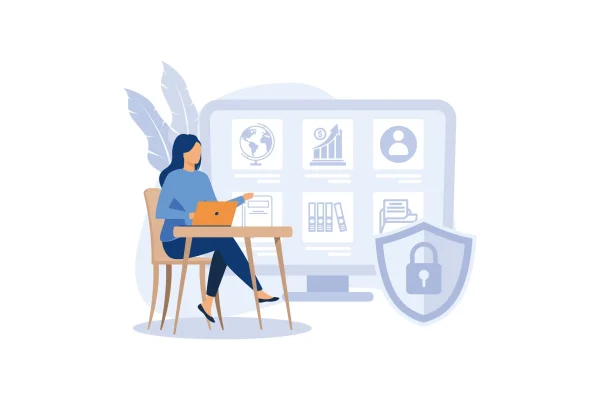
Use AES-256 encryption for all data on your servers. This turns readable names and numbers into scrambled code. Even if a thief steals the data, they cannot read it without the proper key. The International Organization for Standardization explains that ISO/IEC 27701:2025 provides the latest framework for managing this personal information through privacy management systems. As highlighted by AWS, encrypting data "at rest" and "in transit" decreases the risk to employee details from the moment they enter your system.
Secure Handling of Remote Employee Data
Remote work increases the surface area for attacks. Home Wi-Fi often lacks the safety of an office network. Many managers wonder, how can companies improve data protection in the office? Organizations can enhance security through the use of multi-factor authentication, conducting regular file audits, and enforcing clear clean-desk policies for physical documents. Using VPNs keeps data safe while it travels across the internet to remote staff. Breaches involving remote work cost an average of $1 million more than office-based leaks.
Navigating the Legal Side of Workplace Confidentiality
Lawsuits cost more than security upgrades. Failing to maintain workplace confidentiality leads to massive fines from government agencies. Global rules now demand that companies treat personal info with extreme care. Compliance is not optional; it is a requirement for staying in business.
Avoiding Litigation and Regulatory Fines
While GDPR Article 88 allows for specific rules to protect employee data in a workplace context, HHS clarifies that the HIPAA Privacy Rule often excludes employment records held by a covered entity in its capacity as an employer. According to research by IBM, the average cost of a data breach hit $4.45 million recently. Healthcare companies face even higher costs, sometimes over $10 million, because medical data is so sensitive. Violating the Americans with Disabilities Act through the mixing of medical and personnel files can trigger expensive legal battles. Proper workplace confidentiality prevents these financial disasters from ever reaching your doorstep.
Documenting Compliance for Audits
Keep logs of every time someone views a sensitive file. This creates a trail that proves you followed the law. SOC 2 Type II audits evaluate these systems over several months to ensure they actually work. If an audit happens, these logs show that you prioritize workplace confidentiality and took every legal precaution. Documentation protects your reputation when regulators come knocking.
Protecting the Employee Lifecycle from Hire to Retire
Privacy starts before the first day of work. It continues long after the final paycheck. Effective workplace data protection covers every step of the progression an employee takes through your company. Each stage of the lifecycle offers a new opportunity for data to leak if you aren't careful.
Candidate Privacy During the Recruitment Process
Treat resumes with respect. Applicants share home addresses and work history with you before they even have a contract. Guidance from the EEOC points out that the ADA prohibits asking disability-related or medical examination questions before making a job offer to keep this process fair. If you don't hire them, delete their data according to legal timelines. This ensures their personal history doesn't sit around as an unnecessary liability in your database.
Managing Sensitive Post-Termination Records
When someone leaves, their files don't disappear. As the US Department of Labor notes, you must keep payroll records for three years under the Fair Labor Standards Act. However, you should shred or wipe files once these legal limits expire. The study of GDPR Article 17 shows that it grants employees the "right to erasure" once personal data is no longer necessary for the purposes it was collected. Managing these end-of-life records reduces the amount of data a hacker can steal.
Essential Protocols for Physical and Digital File Security
Even though the world is digital, paper still exists. Combining physical locks with digital logs creates a strong defense. This mix keeps workplace confidentiality intact across all mediums. Total security requires watching both the screen and the filing cabinet.
Locking Down Physical Personnel Files
According to a safe-rating guide by Chubbsafes, organizations should use fireproof safes with a UL 72 Class 350 rating because they maintain internal temperatures safe for paper. These safes protect paper from extreme heat and theft. Only a few people should hold the keys or codes to these rooms. Keeping medical records in separate, locked folders is a legal requirement under the ADA. Physical security remains the first line of defense against internal bad actors or simple accidents.
Password Hygiene and Digital Access Logs
Change passwords often and never share them. A common question is, why is workplace confidentiality important in HR? It is vital because it protects the company from legal liability while ensuring that personal employee information is not used for discriminatory or fraudulent purposes. Monitoring these logs helps you spot when an employee looks at files they shouldn't see. Use Role-Based Access Control to ensure people only see what their job title allows.
Best Practices for Monitoring Workplace Data Protection Compliance
Policies grow stale without regular checks. Managers must actively watch how staff handles information. This oversight keeps workplace data protection from falling behind new threats. Constant monitoring transforms a static policy into a living defense.
Conducting Regular Privacy Audits
Schedule a review of your access logs every quarter. Look for odd patterns, like someone accessing files late at night. Audits help you find weak spots in your confidentiality within the workplace plan before hackers do. Technical documentation from Splunk suggests using SIEM software to flag unauthorized attempts to export bulk data in real-time through the monitoring of logs for exfiltration signatures. This proactive approach catches errors before they turn into headlines.
Updating Policies for New Technologies
AI tools and new apps enter the office every month. Make sure these tools don't record private meetings or scrape sensitive data for training purposes. Update your rules to cover every new way information travels through your halls. ICO guidance suggests that organizations that appoint a Data Protection Officer help monitor internal compliance and provide advice on data protection obligations. Staying current with technology prevents old policies from leaving new doors open.
Strengthening Your Organization Through Vigilant Workplace Confidentiality
Guarding HR records protects the heart of your business. Your employees give you their trust along with their labor. When you prioritize workplace confidentiality, you honor that relationship and keep the company safe from legal ruin. Effective security prevents identity theft and preserves the dignity of every person on your team. It proves that you value people more than just numbers on a screen. This commitment creates a culture where employees feel safe and data remains secure. Vigilance today prevents the headlines and lawsuits of tomorrow. Effective workplace data protection ultimately serves as your strongest competitive advantage in a data-driven environment.
Recently Added
Categories
- Arts And Humanities
- Blog
- Business And Management
- Criminology
- Education
- Environment And Conservation
- Farming And Animal Care
- Geopolitics
- Lifestyle And Beauty
- Medicine And Science
- Mental Health
- Nutrition And Diet
- Religion And Spirituality
- Social Care And Health
- Sport And Fitness
- Technology
- Uncategorized
- Videos

