
Kim Sae-ron, Park, Purged by Cancel Culture
Fame often feels like a gift from the public, but it actually functions more like a loan with strict repayment terms. When a celebrity breaks a rule, the audience demands immediate collateral, often in the form of a career or a life. This dynamic turns the relationship between a star and their fans into a high-stakes investigation where no error goes unnoticed. We do not just watch these figures; we actively monitor them for cracks in their armor.
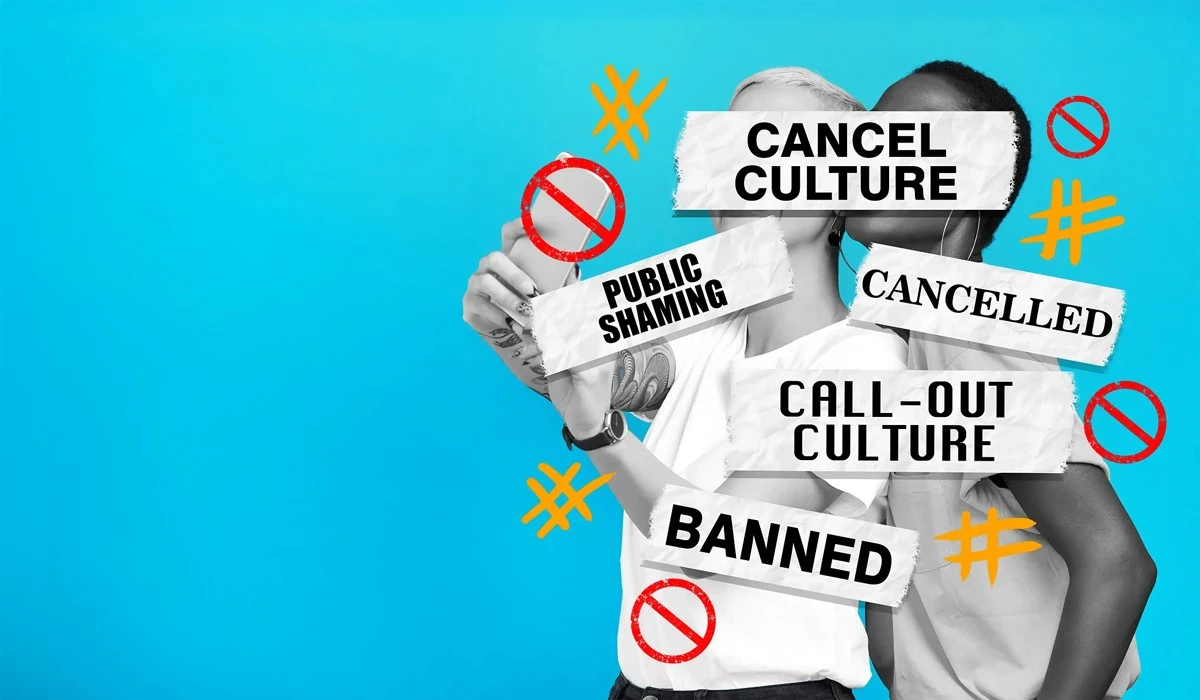
This intense scrutiny recently caused three major careers to collapse in a single week. The driving force is a collective desire to sanitize the screen, removing anyone who fails to meet an impossible standard of perfection. This is the brutal reality of cancel culture in South Korea. It operates with a speed and finality that leaves no room for negotiation. A decades-old mistake or a single unverified rumor can shatter a reputation built over twenty years. The public acts as judge and executioner, creating a landscape where success is fragile and downfall is permanent.
The Sudden Collapse of Icons – The Past Always Returns
History does not stay buried in the entertainment industry; it waits for the moment of highest visibility to resurface. The public treats a mistake from thirty years ago with the same severity as a crime committed yesterday. This lack of a statute of limitations creates a volatile environment where veteran stars live on borrowed time.
Last week, the industry witnessed a massive purge. Park Na-rae, a veteran comedian known for bringing joy, faced serious abuse allegations. She did not fight the claims with denials. Instead, she announced a hiatus, stating that her continued presence would only burden her colleagues. Her career, defined by laughter, hit a wall of silence immediately.
A Chain Reaction of Departures
The situation worsened the following day. Cho Sae-ho, a beloved variety show host, exited his roles on "You Quiz on the Block" and "Two Days and One Night." His agency confirmed the departure was due to alleged ties to a gang. Cho admitted he lacked caution regarding his associates and chose to leave to protect the production teams. He accepted responsibility, but the damage was already done.
By the weekend, the wave of cancellations claimed a third victim. Cho Jin-woong, a highly respected actor, announced his retirement. A viral report exposed a juvenile criminal record from the 1990s, detailing involvement in robbery and sexual assault. Despite these offenses occurring decades ago, the public standard of cancel culture in South Korea demanded his immediate removal. The argument for "youthful indiscretion" failed to hold water against a modern audience that enforces zero tolerance.
Debt as the Ultimate Punishment
We often focus on the reputational damage of a scandal, but the financial ruin acts as the true closer. Contracts contain strict clauses that trigger massive penalties when a celebrity’s image tarnishes. This creates a pressure cooker where the artist fights not just for their name, but for their financial survival.
Kim Sae-ron, once a celebrated child star and actress in "A Brand New Life," faced this exact nightmare. Her decline began with a DUI incident in May 2022. The crash caused a power outage, damaging local businesses and sparking a fierce public backlash. However, the legal consequences were only the beginning.
The Tragic End of Kim Sae-ron
Following the accident, her agency demanded repayment for damages and penalties. When her contract expired, she faced a debt load of 700 million won (approximately $520,000). The pressure to repay this sum while being blacklisted from work created an impossible situation. Tragedy struck in February when she took her own life.
Is cancel culture in Korea too harsh? Many critics argue it acts as an excessive moral policing tool that pushes celebrities to extreme outcomes like suicide or exile. The relentless demand for money and apology stripped her of hope. Her death highlights how cancel culture in South Korea extends beyond the screen, impacting the basic ability of an individual to survive.
Rumors and the Cost of Reputation
A whisper travels faster than a court verdict, and brands often sever ties before the truth comes out. In this high-stakes environment, an allegation alone functions as a conviction. Companies prioritize protecting their image over standing by their ambassadors, leading to instant financial bleeding for the accused.
Kim Soo-hyun, the star of "Queen of Tears," found himself at the center of such a storm. Allegations surfaced claiming he groomed Kim Sae-ron, citing a relationship when she was 15 and he was 27. Kim Soo-hyun vehemently denied these claims, asserting the relationship timeline was fabricated and that they only knew each other when Sae-ron was an adult (2019-2020).
The Corporate Exodus
Despite his denials, the corporate response was swift. Major brands like Prada, Dinto, and 7-Eleven Taiwan terminated their partnerships or cancelled events. The loss of these contracts represents millions in lost revenue. In retaliation, Kim Soo-hyun launched a 12 billion won lawsuit against HoverLab and Sae-ron’s family for damages. He argues the suicide was not caused by his distance or their past, but by the false narratives and agency debt. This legal battle reveals the high financial stakes involved when cancel culture in South Korea targets a top-tier star.
Unequal Application of Mercy
We like to believe that punishment scales with the crime, but in the entertainment world, the punishment scales with the public's emotional reaction. Some figures commit serious crimes and eventually return to business, while others face total exile for lesser offenses or mere suspicion.
The case of Seungri from Big Bang illustrates this contradiction. He served 18 months for serious charges including gang involvement and prostitution mediation. Today, he runs a thriving business. In contrast, actors suspected of drug use or overwhelmed by debt often face suicide or permanent banishment.
The Case of Lee Sun-kyun
The tragedy of Lee Sun-kyun remains a painful example. He endured a 19-hour interrogation and public humiliation over drug allegations. Despite negative drug test results, the pressure remained relentless. He eventually took his own life. This disparity fuels the argument that cancel culture in South Korea is not about justice, but about who the public chooses to forgive. The system creates a "flaw-hunting" loop where the intensity of the attack matters more than the facts of the case.

International Contrast: The View from Abroad
Audiences in different regions prioritize different values when judging their idols. While Korean fans often focus on moral purity and past records, international audiences may react more strongly to arrogance or disrespect toward the art itself.
A clear example occurred with the Indonesian remake of the K-drama "A Business Proposal." The film flopped disastrously, drawing only 19,631 viewers compared to a competitor's 1 million. The primary cause wasn't a criminal record, but the attitude of the lead actor, Abidzar. He publicly refused to watch the original source material and labeled fans who cared about accuracy as "fanatical."
Cultural Variance in Punishment
How does cancel culture differ in Indonesia? Indonesian audiences often allow celebrities to return after a hiatus, whereas Korean culture frequently demands permanent removal. In Indonesia, forgiveness is a reachable goal. In Korea, and increasingly China, the social sanction is often absolute. Abidzar’s failure was commercial, but he did not face the total social erasure that Cho Jin-woong or Kim Sae-ron experienced. This highlights a specific intensity unique to the Korean market, where the viewer feels a personal ownership over the star's morality.
The Psychology of the Public Jury
We often mistake the thrill of catching someone in a lie for a sense of moral duty. Social media amplifies this by turning judgment into a community activity. When a user joins a pile-on, they feel a sense of belonging and righteousness, regardless of the actual harm caused.
Culture Critic Kim Sung-soo notes that careers in Korea rely entirely on reputation. Fame is a grant from the public, and the audience desires to correct "unacceptable" behavior by removing the offender from the screen. This creates a cycle where fans feel entitled to "hunt" for flaws. A social media critic observed that this flaw-hunting loop is often mistaken for morality. In reality, it is an obsessive pattern that leads to exhaustion for everyone involved.
Technology as an Amplifier
Expert Rina Sari Kusuma points out that modern technology accelerates these social sanctions. What once took months to unfold now happens in hours. A single tweet can trigger a cascade of article delistings, brand cancellations, and broadcast suspensions. This speed denies the accused any time to formulate a defense or seek mediation. The verdict lands before the trial begins.
The Role of Victim Impact – Trauma on Display
The presence of an offender on screen does more than just annoy the audience; it can actively harm victims. This argument forms the moral backbone of the zero-tolerance policy. When a celebrity with a history of bullying or assault remains visible, it reactivates the trauma for those they hurt.
Park Na-rae’s statement touched on this responsibility. She acknowledged that her role is to create joy, and if her presence brings burden or pain, she must step away. This perspective prioritizes the emotional well-being of the collective over the career of the individual. What happened to Kim Sae-ron? She faced severe financial debt following a DUI scandal and tragically took her own life in February. Cases like hers complicate the narrative, asking if the punishment of total isolation is too high a price to pay for past mistakes.
The Age of Consent Debate
The standards for what constitutes a crime are also shifting, adding another layer of complexity to these scandals. The legal context regarding age of consent affects how the public views allegations like those against Kim Soo-hyun.
In 2020, the legal age of consent in Korea was raised from 13 to 16. Currently, a petition with 40,000 signatures is pending to raise it further to 19. This legal evolution reflects a society becoming more protective and less tolerant of power imbalances. It fuels the fire of cancel culture in South Korea, as the public applies stricter modern standards to behaviors from the past. A relationship that might have been legally gray a decade ago is now viewed through a lens of absolute prohibition.
Conclusion
The entertainment industry operates on a foundation of adoration, but that foundation is incredibly brittle. We see a system where the audience possesses the ultimate kill switch. The recent departures of Park Na-rae, Cho Sae-ho, and Cho Jin-woong demonstrate that no amount of talent protects against moral failure. Whether it is a debt-driven tragedy like Kim Sae-ron’s or a high-stakes legal war like Kim Soo-hyun’s, the cost of fame has never been higher.
Cancel culture in South Korea is not just about accountability; it is a rigid enforcement of perfection. It demands that human beings live without error in a world that records everything. As audiences, we hold the power to end careers, but we must decide if the price of this moral policing—often paid in lives and livelihoods—is a cost we are willing to ignore. The screen may be cleaner, but the human toll behind the scenes continues to mount.
Recently Added
Categories
- Arts And Humanities
- Blog
- Business And Management
- Criminology
- Education
- Environment And Conservation
- Farming And Animal Care
- Geopolitics
- Lifestyle And Beauty
- Medicine And Science
- Mental Health
- Nutrition And Diet
- Religion And Spirituality
- Social Care And Health
- Sport And Fitness
- Technology
- Uncategorized
- Videos

