

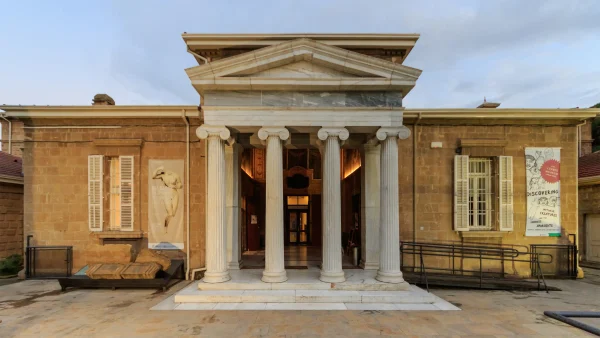
Image Credit - by TomasNY at English Wikipedia, CC BY-SA 3.0, via Wikimedia Commons
Cyprus Heritage Recovery Success
Historic Repatriation Marks Victory for Cypriot Heritage
Employees in Cirencester at the Cotswold Auction Company recently identified a unique ceramic vessel during their routine cataloging of incoming lots. The team initially viewed the item as a standard antique, yet a closer inspection revealed characteristics consistent with ancient craftsmanship. Archaeological experts from the Republic of Cyprus subsequently reviewed the images and physical descriptions. They confirmed that the piece was not a modern replica but a genuine artifact dating back thousands of years. Management at the auction house acted decisively upon receiving this expert verification. They immediately withdrew the lot from the scheduled sale to prevent any illicit transfer of ownership. This intervention highlights the vital role that diligent market professionals play in preserving global history. The discovery prevented the artifact from vanishing into a private collection, where its historical context might have disappeared forever. This specific event set the stage for a significant diplomatic success.
Tracing the Origins of the Juglet
Scholars date this specific clay vessel to approximately 750 BC, placing it firmly within the Cypro-Archaic period. The item measures only seven centimeters in height, a diminutive stature that leads archaeologists to term the vessel a "juglet." Potters of that era typically created such small containers to hold precious liquids, such as perfumed oils or opium, which played a role in both daily life and burial rituals. The design likely reflects the "Black-on-Red" style, characterized by black geometric bands painted over a polished red slip. Surviving for nearly three millennia, this fragile object offers a tangible connection to the people who inhabited Cyprus long before the advent of Christianity. Its preservation allows researchers to study the artistic standards and trade practices of the ancient Mediterranean. The return of such a piece helps historians piece together the fragmented narrative of the island’s past.
Ethical Standards at the Auction House
Niall Fry, who manages the saleroom for the Cotswold Auction House, publicly addressed the company’s decision to halt the sale. He stated that his firm maintains a rigorous commitment to valuing the history and traditions of all nations, alongside that of the UK. Fry emphasized that the auction house fully backs the state of Cyprus in their mission to recover stolen antiquities. He also clarified the position of the vendor who consigned the item. Fry noted that the individual selling likely had no knowledge of the jug's illicit history or the laws regarding ownership. The object may have resided within Britain for generations or even centuries, passing through families who remained unaware of its true provenance. This cooperative stance sets a positive example for the wider art market. It demonstrates that ethical considerations must take precedence over commercial transactions when dealing with historical treasures.
A Symbol of Collective Memory
Marios Theocharous, serving as the Cultural Counsellor for the administration of Cyprus, officially collected the artifact at the start of the current month. He described the small jug as a "significant" recovery that embodies a fragment of the island's collective memory. Theocharous stressed that these objects serve a greater purpose than mere decoration; they are vital links to ancestral identity. The counsellor visited the auction house in person to oversee the formal handover, underscoring the weight the government places on such returns. His comments reflect the deep emotional scars left by the looting of cultural property. For the people of Cyprus, reclaiming even a small juglet represents a restoration of dignity. It signifies a refusal to accept the erasure of their history. The return of this item proves that the passage of time does not diminish the state's determination to bring its heritage home.
The Era of Widespread Looting
This specific repatriation forms one element of a broad, decades-long campaign to recover items removed illegally from Cyprus. The problem reached crisis levels throughout the sixties and seventies, particularly following the political upheavals of that era. Criminal gangs and opportunistic looters raided archaeological sites, museums, and private collections during the chaos. They stripped the island of thousands of priceless artifacts, feeding a hungry international black market. Smugglers trafficked these treasures across borders, often falsifying documents to hide their illicit origins. The scale of this theft devastated the archaeological record, destroying the context that gives scientific meaning to ancient objects. Authorities estimate that countless items remain missing, scattered in collections across Europe and North America. The recovery of the Cotswold jug represents a small but symbolic victory against the industrial-scale plundering that occurred in the late 20th century.
Major Returns Announced in December 2024
Officials from Cyprus celebrated another major milestone during the final month of 2024 regarding their repatriation efforts. The government updated its official website to announce the return of over a hundred separate pieces from Britain. This large consignment included objects that looters had smuggled out during those turbulent decades. The sheer volume of this single return highlights the success of recent diplomatic and legal strategies. Officials worked tirelessly to trace these items and prove their Cypriot origin. The batch contained a diverse array of artifacts, ranging from simple household tools to intricate ceramic works. Each recovered piece adds another layer to the understanding of the island's development. This announcement serves as a clear warning to those who still possess stolen Cypriot art. It demonstrates that the reach of the Department of Antiquities is expanding and effective.
Insights from Neolithic Stone Stools
The repatriation batch from late 2024 included several stone stools from the Neolithic period, which experts claim originate from the sixth or seventh millennium BC. These heavy, durable objects provide a fascinating glimpse into the domestic lives of the island's earliest farming communities. The people of the Neolithic era used such tools for processing grain, grinding pigments, or perhaps for ritual seating. Finding stone artifacts of this age in such excellent condition is a rare occurrence. They originate from a time before metalworking, when stone technology represented the pinnacle of human innovation. The return of these stools allows archaeologists to analyze wear patterns and material composition in Cyprus. Such studies help researchers understand the resource management and daily routines of Neolithic settlements. These humble stone objects tell a story of survival and ingenuity that spans more than 8,000 years.
The Significance of Bronze Age Pottery
The recent recovery also featured ceramics belonging to the initial Bronze Age, approximately 2,000 BC. This era marked a transformative period in Cypriot history, defined by the rise of copper mining and increased social complexity. Potters of this time experimented with new shapes, often producing the distinct Red Polished ware that characterizes the period. The returned vessels likely served both functional and funerary roles in ancient society. Communities often placed such pottery in tombs to accompany the deceased, which explains why looters target ancient cemeteries so aggressively. Recovering these ceramics helps curators recreate the visual landscape of Bronze Age Cyprus. The distinct styles allow experts to trace regional variations and connections between different settlements. Every recovered pot offers a clue about the rituals, diet, and artistic expression of a society that laid the foundations for the island's later civilization.
The Dilemma of the Unknowing Seller
The case of the Cotswold jug highlights a persistent and complex issue involving "innocent" collectors. Many individuals inherit antiquities without any documentation proving their legal export or origin. These items often sit in attics or display cabinets for years, their owners completely oblivious to the crime that originally brought them to the UK. The auction house noted that the person selling in this specific case had done nothing wrong intentionally. This moral gray area complicates repatriation efforts significantly. Authorities must balance the absolute need to recover stolen goods with the reality that current owners often acquired the items in good faith. Education plays a critical role in resolving this tension. By raising awareness, officials hope that more holders of Cypriot antiquities will come forward voluntarily. The decision to withdraw the item from sale stops the cycle of illicit ownership.
The Department of Antiquities at Work
The Department of Antiquities in Cyprus bears the heavy responsibility of preserving the island's rich past. They manage excavations, museums, and the complex repatriation process. Their work involves constant vigilance against modern looting, which remains a threat despite stricter laws. The department maintains a detailed database of missing items, which aids international police forces in identification. Cooperation with legal bodies in the UK and elsewhere is vital for their success. The return of the juglet and the massive collection from late 2024 boosts morale within the department. It validates the thousands of hours staff spend monitoring the global art market and auction catalogues. Every successful return acts as a deterrent to potential smugglers. It demonstrates that the Department of Antiquities has a long memory and global reach. Their persistence ensures that the island's history remains a priority on the international stage.
Diplomatic Efforts in London
London's High Commission for Cyprus serves as the temporary sanctuary for recovered artifacts before they travel home. The juglet currently resides within the Commission's premises, awaiting its final journey home to the Mediterranean. Diplomatic staff play a crucial logistical role in these operations. They act as the intermediaries between law enforcement, auction houses, and the government in Nicosia. The High Commission often hosts ceremonies to mark these returns, using the events to publicize the cause of cultural restitution. Marios Theocharous and his colleagues work to maintain good relations with UK authorities to facilitate these transfers. This diplomatic goodwill ensures smoother returns and faster information sharing. The physical building in London thus becomes a bridge between the object's place of exile and its true home. It provides a safe harbor where the legal transfer of ownership takes place.
Future Display and Education
Once the artifacts arrive back at Cyprus, they will likely find a permanent home in one of the island's state museums. The Cyprus Museum in Nicosia stands as the primary repository for such national treasures. Curators there will assess the condition of the juglet and the other returned items. They will catalogue them and prepare them for public display. Exhibiting these items is essential for public education and national pride. It allows Cypriot citizens and tourists alike to see the tangible results of the repatriation campaigns. Museums transform these objects from hidden private commodities into public educational tools. They tell the story of the island's resilience against colonization and exploitation. The display of a returned object often includes the narrative of its recovery. This adds a modern layer of history to the ancient artifact, highlighting its journey through time.
The Broader Impact on Identity
The phrase "collective memory" resonates deeply within the context of Cypriot history and culture. The island has served as a crossroads of civilizations for millennia, absorbing influences from Greeks, Romans, Ottomans, and the British. The material culture, from the Neolithic stools to the Archaic juglets, embodies this layered and complex identity. When these objects disappear, a part of that story vanishes with them. Returning them restores the narrative and heals the cultural wound. It allows current and future generations of Cypriots to connect physically with their past. The juglet, though small, carries the weight of this history. Its return signifies a healing of the damage inflicted by the looting of the past decades. It stands as a testament to the resilience of the Cypriot people. They refuse to let their heritage be sold off to the highest bidder.
Global Context of Repatriation
The world is currently witnessing a major shift in how nations view colonial-era collections and looted art. The return of the Benin Bronzes and the debates over the Parthenon Sculptures have brought repatriation to the forefront of global news. Cyprus stands as a leader in this field, having fought for the return of its heritage for decades. The island's success serves as a blueprint for other nations seeking to recover their own history. The proactive approach of the Cypriot authorities commands respect in the international community. They do not wait for items to appear in museums; they actively hunt them down in the private market. This aggressive stance is changing the norms of the art world. Auction houses now know they must exercise extreme caution when handling Cypriot material. The tide is turning in favor of the countries of origin.
Technology and Future Recoveries
The journey for the 750 BC juglet is nearly complete, but the work continues for thousands of other items. The administration in Cyprus remains committed to finding every last piece that was stolen. New technologies, such as artificial intelligence and blockchain, may soon assist in tracking provenance and identifying looted goods online. The next generation of archaeologists and diplomats will inherit this important mission. They will build upon the successes of today to ensure the protection of tomorrow's heritage. The return of this small vessel acts as a beacon of hope for future cases. It proves that time does not diminish the claim a nation has on its history. As long as these items remain abroad, the effort to bring them home will persist. The search for the missing pieces of Cyprus's history will not end until justice is served.
A Final Victory for Heritage
The return of this ancient juglet marks a quiet but profound victory for the Republic of Cyprus. It reinforces the principle that cultural heritage belongs to the people who created it and their descendants. The cooperation between the Cotswold Auction Company and the Cypriot authorities sets a gold standard for the industry. It proves that business and ethics can coexist in the art world. As the juglet prepares to leave London, it leaves behind a legacy of cooperation and respect. Upon its arrival in the Mediterranean, it will resume its role as a teacher of history. The item has survived empires, wars, and theft to arrive back at its place of origin. Its journey serves as a powerful reminder of the enduring nature of culture and the unbreakable bond between a people and their past.
Recently Added
Categories
- Arts And Humanities
- Blog
- Business And Management
- Criminology
- Education
- Environment And Conservation
- Farming And Animal Care
- Geopolitics
- Lifestyle And Beauty
- Medicine And Science
- Mental Health
- Nutrition And Diet
- Religion And Spirituality
- Social Care And Health
- Sport And Fitness
- Technology
- Uncategorized
- Videos

