

Safe Tree Removal Prevents Severe Storm Damage
According to The Silver Lining, falling branches and uprooted trunks cause approximately one billion dollars in property damage annually across the country. Many homeowners assume the wind itself breaks the wood. The damage actually begins months earlier deep within the trunk. A seemingly sturdy oak might harbor internal rot, dropping its wood density by up to forty percent within an eighteen-month window. Once the structural integrity plummets, normal weather events suddenly become lethal threats. The storm simply delivers the final blow to an already compromised living structure. Identifying these failing giants early stops catastrophic accidents before they happen. Planned tree removal serves as a strictly preventative measure. Taking early action safeguards homes, protects families, and prevents sudden financial devastation. Timely action transforms an unpredictable natural disaster into a highly manageable, straightforward yard project.
Prevent Storm Damage with Proactive Tree Removal
Waiting for emergency crews during a severe weather event guarantees inflated prices and extended wait times. As noted by For the Public Adjusters, most insurance policies strictly require detailed damage documentation within forty-eight to seventy-two hours to validate claims. Property owners face intense pressure when rushing to secure broken roofs or crushed driveways under heavy rain. Modern arborists view failing branches as severe environmental disservices, meaning the plant negatively affects human safety and built infrastructure. Early resolution of these risks changes the entire nature of property management. Homeowners maintain control over budgets and timelines. Scheduling a professional assessment before peak storm season eliminates the panic of sudden structural failure. Proactive tree removal ensures true peace of mind while protecting neighborhood power grids and local sewer lines from massive root interference. Smart, preventative property maintenance takes center stage today.
Recognizing the Signs That a Tree is a Storm Hazard
Evaluating a residential yard before storm season requires careful observation of specific physical symptoms. Tree decline never follows a linear path. Wood density deteriorates rapidly once the plant passes a fifty percent health decline threshold. Research from the University of Nebraska-Lincoln shows that internal rot steadily hollows out the core, leaving the outer bark completely deceptive to an untrained eye. Property owners must routinely audit properties for subtle clues of weakness. Deep vertical cracks exceeding two inches wide severely compromise the load-bearing capacity of the trunk. Experts at Purdue University note that co-dominant stems, where two large trunks split from the exact same point, create an inherent structural flaw. High winds easily tear these split trunks apart. Early recognition of these vulnerabilities allows property managers to take decisive action. Early problem resolution keeps surrounding structures perfectly safe from sudden, catastrophic wind strikes during massive storms.
Visual Cues of Decay and Instability
The presence of mushrooms or conks near the base of the trunk indicates dangerous crown rot. This soil-borne fungus means internal decay actively destroys the anchoring root system of the plant. The International Society of Arboriculture states that sudden soil heaving represents another major biomechanical indicator of impending root plate failure. Soil lifting or cracking on the ground opposite a leaning side shows the roots snapping underground. The science of arboriculture and urban forestry helps professionals assess these exact vulnerabilities in city canopies to prevent widespread property damage. Experts look closely at how the entire structure interacts with its immediate environment. Early detection of these fungal infections and soil disturbances prevents massive trunks from collapsing onto nearby roofs. Monitoring the base of the trunk provides the most accurate read on overall stability and long-term health before disaster finally strikes a neighborhood.
Why Strategic Tree Removal is Essential for Property Safety
Eliminating hazardous vegetation before severe weather strikes offers immense direct benefits. Modern arborists focus heavily on managing inevitable conflicts between growing roots and vital grey infrastructure. Grey infrastructure includes buildings, sewerage systems, transportation networks, and communication lines. Strategic tree removal prevents massive utility service disruptions that leave entire neighborhoods in the dark during violent storms. Certain species prove statistically more vulnerable to bending, breaking, and heavy ice accumulation than others. White Pines, American Elms, and Birches sustain wind damage much faster than deeply rooted oaks or maples. Taking down a high-risk pine before high winds arrive protects the roof, shields fragile sewer lines from intrusive roots, and preserves paved driveways. Clearing dangerous growth guarantees immediate surroundings remain entirely secure. Preventive clearing saves thousands of dollars in sudden, unavoidable emergency repair costs every single year.
Evaluating Proximity to Homes and Power Lines
Arborists calculate the strict strike zone of a plant. They evaluate its overall canopy size, maximum height, and limb attachment angles. Experts combine this physical data with local high-wind probabilities to determine if a structural failure would directly hit a residence or active power line. Homeowners evaluating these strike zones often weigh the financial aspect of taking action before a storm hits. How much does it cost to take down a tree? The average price usually ranges from $400 to $1,500, heavily depending on the tree’s height, condition, and proximity to structures. Knowing this upfront helps families budget for proactive property protection and avoid paying for devastating reactive emergency repairs. Proper evaluation ensures power lines stay untouched during violent weather. Mitigating these towering risks guarantees the lights stay on safely for everyone staying inside.
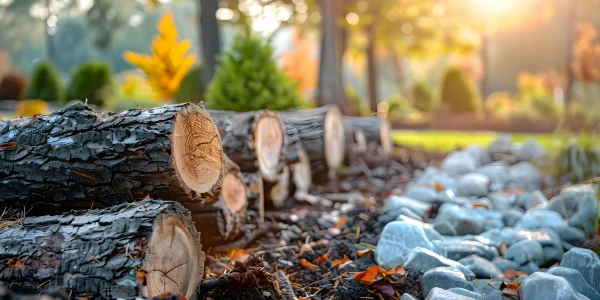
Tree Pruning: The First Line of Defense
Complete extraction rarely serves as the only solution for securing a yard. A dense canopy acts exactly like a giant physical sail, catching aggressive gusts and transferring massive kinetic force straight down the main trunk. Selective tree pruning provides a highly successful method for dramatically reducing this dangerous wind resistance. A study published by the University of Florida IFAS explains that proper canopy management lowers the drag coefficient of the plant. This allows heavy air currents to pass directly through the branches instead of pushing against them. Relieving this immense pressure keeps the primary trunk stable during severe gale-force winds. Professional trimmers expertly balance the entire canopy to maintain natural growth while eliminating unnecessary physical stress. This proactive defense preserves beautiful yard features while actively neutralizing the threat of sudden snapping. Thoughtful trimming keeps the plant healthy, beautiful, and completely resistant to heavy passing storm fronts.
Crown Thinning and Deadwooding
Dead and diseased branches lose natural elasticity over time. Unlike healthy green wood, brittle deadweight cannot flex under extreme wind stress. These rigid branches snap cleanly off the trunk and instantly become highly dangerous projectiles in high winds. The process of deadwooding permanently removes these lethal hazards from the canopy. Crown thinning removes select branches throughout the interior to increase light penetration and air movement. Improper methodologies cause massive problems for property owners. Practices like lion's tailing, which strips all interior branches while leaving foliage only at the very tips, actually increase failure risk. This terrible practice concentrates heavy weight at the ends of limbs and causes weak regrowth. Correct canopy management directly prevents broken windows and crushed cars. Smart maintenance keeps heavy timber safely attached to the main stem during severe weather.
When to Choose Complete Tree Felling Over Preservation
Preservation naturally stands as the preferred goal for most beautiful residential properties. Certain scenarios demand complete extraction when saving the plant becomes mathematically impossible. If a storm-damaged specimen loses over 50% of its protective canopy, recovery rarely happens. Severe split trunks also eliminate any chance of long-term survival. Tree felling remains a calculated, precise operation that arborists execute when the main structural column dies entirely. Arborists must carefully evaluate the remaining solid wood to plan a safe directional drop. Leaving a severely compromised hardwood standing guarantees a future disaster. The weight of the dying branches slowly overpowers the rotting base. Swift extraction eliminates the creeping danger of an unprompted collapse. This permanent solution provides immediate safety for nearby families and surrounding houses. Complete removal of the hazard stops all anxiety during the next heavy weather alert.
Assessing Root Heaving and Hollow Trunks
Spring storms frequently create highly saturated soils that drastically reduce vital soil friction around the underground roots. Saturated soil combined with rotting roots creates a perfect storm for a complete collapse, requiring immediate professional intervention. Is a leaning tree a sign of danger? According to the International Society of Arboriculture, yes, if a tree suddenly develops a new lean or exposes lifting roots on the opposite side, it indicates imminent structural failure. Bringing the tree down safely before gale-force winds arrive easily saves a home from total structural devastation. Hollow trunks completely defy standard felling physics. Heavily hollowed wood shatters unexpectedly beneath its own weight instead of toppling cleanly on a designated hinge. Recognizing these severe underground and internal failures forces property owners to bypass preservation completely. Fast extraction prevents catastrophic residential property destruction every time.
The Step-by-Step Process of Emergency Tree Removal
Emergency tree removal operations function like highly orchestrated construction projects happening entirely in reverse. A certified crew arrives hours before a forecasted storm and instantly evaluates the immediate strike zone. Workers carefully clear the ground area to establish a strict perimeter that keeps families and pets far away from the drop site. Arborists then utilize sophisticated mechanical winches, strong friction brakes, and heavy pulley systems. This advanced gear secures massive branches high in the air, allowing workers to lower them gently without shock-loading the remaining trunk. Dropping heavy limbs directly onto a lawn crushes the turf and damages underground sprinkler systems. Sectional dismantling solves this problem. Workers cut the towering plant from the top down. Taking the structure apart piecemeal guarantees zero harm to the surrounding residential yard design or nearby fragile roofing materials during extraction.
Securing the Zone and Crane Rigging
Heavy-duty cranes require completely flat, stable ground for safe outrigger placement before lifting heavy timber. When active power lines run close by, crews strictly adhere to specific safety standards that mandate exact electrical hazard clearance perimeters. Once cranes safely lower the massive trunk sections to the ground, the crew focuses on clearing the remaining debris to secure the yard. Do tree removal services take the wood away? Most professionals include debris hauling and wood removal in their standard quote, though keeping the chopped firewood for personal use sometimes lowers the overall bill. Quick completion of this massive cleanup ensures the property remains fully secured and accessible before the heavy rain rolls in. Complete site clearing guarantees that large heavy emergency vehicles easily access a driveway if local storms worsen dangerously overnight.
Navigating Local Regulations and HOA Rules
Property management strictly intertwines with detailed local legalities and neighborhood regulations. Municipalities strictly regulate major canopy alterations to preserve historical neighborhood aesthetics and environmental health. City bylaws, such as those in Vancouver and Richmond, often require extensive permits for cutting any trunk with a diameter exceeding twenty centimeters. Tree removal projects involving mature, protected species demand comprehensive arborist reports detailing exactly why the plant must come down. Proceeding without these mandatory municipal approvals results in massive fines and immediate stop-work orders. Homeowner associations maintain their own restrictive covenants regarding visible property changes. Failing to notify a neighborhood board delays urgent extraction for weeks. Managers must navigate these overlapping bureaucratic layers carefully. Securing proper paperwork ensures the extraction proceeds without sudden legal interruptions. Respecting local laws keeps neighborhoods happy while successfully eliminating dangerous backyard hazards before high winds finally arrive overhead today.

Securing Permits Fast in an Emergency
Fast-tracking municipal paperwork becomes entirely possible when a leaning trunk poses a clear and present danger to human life. Many states offer specific emergency bypasses for urgent extraction situations. Property owners legally bypass standard waiting periods upon providing official documentation from a certified expert. An accredited professional simply declares the rotting hardwood an immediate hazard requiring instantaneous intervention. Taking clear, timestamped photographs of lifting roots and severely cracked stems accelerates the approval process immensely. Submitting this undeniable visual evidence directly to the local planning department cuts approval times down from weeks to mere hours. Having a licensed professional handle the bureaucratic filing guarantees the application moves to the top of the pile. Swift administrative action clears the legal path for heavy equipment to enter the yard before the sky darkens significantly overhead tonight.
Hiring Certified Professionals to Avoid Disaster
Attempting dangerous yard work without proper training creates far more devastation than the actual storm. Unpredictable tension releases inside heavy wood routinely launch spinning chainsaws back toward the operator. National statistics show an average of eighty fatal accidents every single year related to botched amateur extractions. Improperly cut trunks fall sideways, completely crushing adjacent homes and shattering expensive vehicles. Homeowners must verify specific professional credentials before allowing anyone to operate massive heavy equipment near their living rooms. Legitimate tree removal experts possess extensive academic knowledge of complicated plant biology and exact structural physics. Hiring an accredited expert shifts the physical danger completely away from the family. A seasoned crew handles the terrifying heights, the heavy lifting, and the high-voltage electrical hazards with practiced precision. Professional extraction keeps the entire residential block perfectly safe every day.
Vetting Arborists and Insurance Checks
Property managers should look exclusively for experts accredited by the International Society of Arboriculture. These certified professionals must pass rigorous science exams on biology, adhere strictly to national pruning standards, and maintain ongoing education credits. Verifying comprehensive insurance stands as the absolute most vital step in the hiring process. Legitimate contractors carry a strict minimum of one million dollars in comprehensive general liability insurance. This massive policy fully transfers all financial liability away from the homeowner during high-risk extractions. Additionally, authentic professionals provide explicit proof of active workers' compensation coverage for every single crew member onsite. Checking these documents directly with the issuing insurance agency prevents devastating lawsuits if a heavy branch accidentally crushes a neighboring fence. Thorough vetting guarantees total financial protection while ensuring the absolute highest quality of safe botanical work every day.
Securing the Home with Timely Tree Removal
Securing a residential property against extreme weather demands clear foresight and early intervention. Waiting for gale-force winds to expose a rotting root system simply leaves families entirely vulnerable to massive structural disasters. Proactive tree removal eliminates the terrifying risk of heavy deadwood crashing through a living room ceiling. Investing in a professional canopy audit long before the dark clouds gather protects property appraisal values and saves thousands in emergency repairs. Healthy yards thrive when property owners manage the internal dangers of deteriorating wood early. Swift extraction strategies ensure neighborhood safety, preserve vital utility lines, and completely neutralize the severe threat of sudden trunk collapse. People gain true peace of mind knowing their surrounding environment remains secure. Addressing these towering hazards today guarantees a much safer, quieter experience when the next inevitable heavy storm finally hits.
Recently Added
Categories
- Arts And Humanities
- Blog
- Business And Management
- Criminology
- Education
- Environment And Conservation
- Farming And Animal Care
- Geopolitics
- Lifestyle And Beauty
- Medicine And Science
- Mental Health
- Nutrition And Diet
- Religion And Spirituality
- Social Care And Health
- Sport And Fitness
- Technology
- Uncategorized
- Videos

