

Travel Blogging: The Secret To Free Vacations
People endlessly upload vacation photos to social media platforms and hope brands notice them. This approach throws personal memories into an algorithm programmed to ignore casual content. Serious creators treat websites like digital real estate portfolios to fund a lifestyle of constant movement. They stop acting like casual hobbyists. The global travel blogging market holds a valuation of roughly 4.72 billion dollars and expands rapidly as creators tap into real demand. Professional websites answer specific logistical questions to generate a legitimate revenue stream. Excellent travel writing provides the creative spark and makes destinations sound irresistible. Meanwhile, the technical framework of blogging for beginners keeps the website functional and visible on search engines. A strategic combination of these two elements turns a fun trip into a profitable business venture. Success requires strict discipline, a focus on audience needs, and a clear monetization strategy.
The Core Shift: Treating Travel Blogging as a Business
According to Condé Nast Traveler, modern travel writing relies entirely on service journalism to share inspiring and guiding information with readers. A digital diary about a morning coffee run holds zero value for strangers who plan their own trips. The publication popularized this service-focused methodology and prioritized pure utility. Writers must deliver specific price points, logistical instructions, and operating hours. Readers search the internet for solutions to their own travel problems. They want exact subway routes, safety tips, and honest hotel reviews. Moving from a hobbyist to a professional requires the abandonment of the self-centered narrative. Content must directly solve reader problems. Exact bus schedules or packing lists establish deep trust with an audience. Every article needs a clear purpose that serves the traveler who reads the page. This basic shift separates profitable websites from abandoned internet diaries that gather digital dust.
Defining A Profitable Niche
General travel websites fail to gain traction because they compete against massive corporate booking platforms. A vital step in blogging for beginners involves the selection of a highly targeted niche. The solo traveler segment currently holds the largest market share in the leisure industry. Writers who target solo female hikers in South America or budget backpackers in Southeast Asia capture dedicated audiences quickly. High-ticket niches like luxury travel or culinary tourism generate significantly higher affiliate payouts. A five-star resort booking earns more commission than a twenty-dollar hostel bed recommendation. A narrow focus allows creators to establish undeniable authority on a specific subject. Tourism boards actively seek out hyper-focused creators to market unique local experiences. Broad coverage of every continent guarantees failure for new writers. A clear, distinct angle ensures long-term profitability and consistent audience growth.
Refining High-Value Travel Writing for Maximum Retention
Readers abandon boring articles within seconds. According to research published in the Classical Quarterly, Herodotus established the early principles of travel literature centuries ago, as travel played a key role in his persona as a narrator. He blended historical context with sharp, observed reality to keep audiences captivated. Today, experts like Paul Theroux advocate for the unheroic narrator approach. Stories about missed train connections, sudden downpours, and embarrassing language mistakes build immense credibility.
Audiences distrust completely perfect, highly filtered vacation narratives. Sensory details make the destination feel tangible and urgent. Writers describe the sharp scent of street food or the chaotic noise of a local market. These vivid descriptions anchor the reader to the page. The combination of actionable advice and excellent prose creates an unforgettable reading experience. Strong narrative arcs turn simple destination guides into engaging stories. Better retention rates signal high quality to search engines and push the website higher in rankings.
Writing for Conversion and Action
Eye-tracking studies consistently demonstrate that digital readers follow an F-Pattern. People scan the top of the page and read down the left side. Effective writers place vital booking information exactly where readers expect to find it. Bold headers and bulleted lists stop the scroll and highlight important links. Can anyone really make money from travel blogging? Many successful creators combine ad revenue, affiliate sales, and paid brand partnerships to earn a full-time living. This strategy requires natural calls to action placed directly into the prose. A specific hiking boot recommendation works best immediately after a story about a challenging mountain trek. This seamless integration turns passive readers into active buyers. A balance of engaging narratives and clear, clickable solutions drives actual revenue. Strategic formatting guarantees that visitors find the exact tools they need to travel better.
Essential Blogging for Beginners: Building a Professional Foundation
Brands refuse to partner with amateurs who use unreliable web platforms. A major rule of blogging for beginners dictates the use of self-hosted WordPress software. WordPress powers over 43% of the entire internet and offers total ownership over the digital asset. Free website builders severely restrict the placement of high-paying advertisement scripts and affiliate links. A professional digital setup requires a small initial financial investment. A unique domain name costs roughly fifteen dollars annually. Managed hosting services demand an investment of approximately two hundred dollars per year. Fast hosting directly influences search engine visibility and user satisfaction. Slow loading times frustrate readers and cause them to leave the site immediately. A solid technical base ensures the website handles traffic spikes gracefully during viral moments. Professional software choices protect the business from sudden platform policy changes.
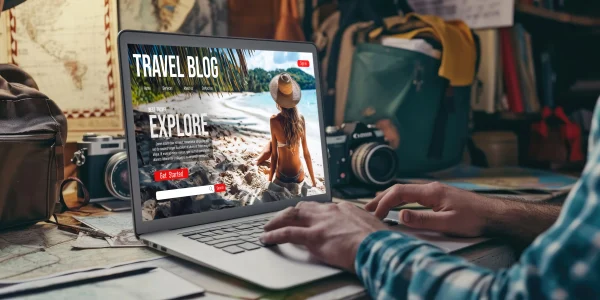
Designing for User Experience
Travel websites rely heavily on stunning photography to sell a destination. However, massive image files destroy website loading speeds. Professional creators convert all photographs into the WebP format. According to Google Developers, this modern WebP image standard produces files twenty-five to 34% smaller than comparable JPEG images and maintains visual quality. Search engines reward websites that maintain a Largest Contentful Paint score under two and a half seconds. Clean layouts maintain high information density and never overwhelm the visitor. Navigational menus need to present clear, logical categories like destinations, packing lists, and gear reviews. Readers must find the exact information they need within three clicks. Cluttered sidebars and intrusive pop-ups ruin the user experience and drive traffic away. A minimalistic design approach forces the focus back onto the high-quality travel writing. Fast, navigable websites signal extreme professionalism to both search engines and potential corporate sponsors.
Strategic Travel Blogging Monetization Models
Passive income requires a smart strategy for promotional link integration. Affiliates act as digital sales representatives for major tourism brands. As noted in the GetYourGuide Affiliate Program documentation, the platform offers up to an 8% commission every time the audience books a tour through an affiliate link. Meanwhile, hotel platforms like Booking provide partners with 25% of their own total commission cut. Writers naturally insert these links into comprehensive itinerary guides and packing lists. A specific waterproof jacket recommendation makes perfect sense within a guide about rainy seasons in Scotland. An affiliate link placed beside the recommendation provides instant value to the reader. This model scales incredibly well as site traffic grows over time. The writer earns money even while sleeping or exploring a new country. Successful creators strictly recommend products they personally test and trust. Editorial integrity guarantees long-term audience loyalty and consistent financial returns.
Display Advertising and Media Networks
Traffic milestones open the most profitable opportunities for serious creators. According to Mediavine's publishing requirements, a website must see fifty thousand sessions per month to qualify for the premium network. Larger networks like Raptive demand one hundred thousand pageviews before they accept new publishers. How do travel bloggers get paid for trips? Most receive payment through press trip stipends or they negotiate content creation fees with tourism boards in exchange for specific deliverables. Display ad revenue provides a steady baseline income during corporate sponsorship negotiations. A website that generates fifty thousand sessions easily earns two thousand dollars monthly from advertisements alone. This consistent cash flow stabilizes the unpredictable nature of freelance work. High-tier ad networks optimize placement automatically to maximize earnings and maintain site readability. This baseline income literally pays for the plane tickets.
Pitching Travel Writing to Brands and Tourism Boards
Tourism boards require cold hard data before they fund any expensive excursions. Professionals design a concise media kit to present website statistics visually. This digital resume highlights the Domain Authority score, a critical metric that measures website trust and ranking power. Marketers also demand clear numbers regarding unique monthly visitors and overall social media reach. Destination marketing organizations use these specific metrics to calculate precise return on investment. Even beginners must build a basic media kit to demonstrate extreme professionalism. A highly engaged, hyper-specific niche audience often outweighs massive, generalized traffic numbers. A creator focused exclusively on accessible wheelchair travel holds immense power for related brands. Attractive graphics and clear contact information make the approval process seamless for public relations representatives. Accurate, verifiable data builds immediate trust and secures higher-paying corporate sponsorships for future adventures.
The Anatomy of a Cold Pitch Email
Hosted stays require a pitch that offers massive value upfront. Public relations representatives ignore arrogant emails that demand free luxury suites. Successful writers pitch distinct story angles that solve a marketing problem for the hotel or tourism board. Destination marketing organizations generally require at least ten thousand monthly visitors before they offer fully comped experiences. A winning email template introduces the creator, links the media kit, and proposes three specific article ideas.
Writers must guarantee exact deliverables, such as one comprehensive review and a detailed social media video. A resource from the Federal Trade Commission mandates clear disclosures for sponsored content, and states that endorsement messages must make obvious any material connection with the brand. Creators place obvious labels like "Paid Partnership" at the very top of the published article. Transparency protects the writer legally and maintains the essential trust of the reading audience. Professional pitches turn casual content creators into respected industry partners.
Optimizing Travel Blogging Content for Search Engines
Brilliant articles yield nothing if nobody actually finds them online. Search engine optimization represents the true foundation of blogging for beginners. As explained in the Google Search Central blog, the helpful content update specifically rewards material created primarily for people rather than search engines. The company's search guidelines directly ask creators if their articles clearly demonstrate first-hand expertise and a depth of knowledge resulting from actual visits to a place. These standards force writers to document actual experiences instead of aggregating generic lists.
Specialized tools identify long-tail keywords with high conversion intent. 70% of all internet searches fall into this long-tail category. For example, the targeted phrase "best luxury hotels in Tokyo for solo female travelers" works better than the overly competitive term "Tokyo hotels." Software platforms like KeySearch help identify phrases with a low difficulty score. Terms with a difficulty score under thirty ensure new articles rank on the first page faster. Strategic keyword placement drives consistent, free organic traffic to the website every single day.

Internal Linking and Authority Building
Search engines determine website expertise through strong internal linking structures. Connected articles keep readers on the website for hours. A massive pillar post about a visit to Japan easily links out to smaller guides about Kyoto temples or Osaka street food. Is travel blogging still profitable today? Absolutely, as long as creators focus on high-quality, SEO-optimized content that provides genuine value to a specific niche. The market abandoned generalists in favor of dedicated experts who provide deep, actionable insights. Grouped related content builds immense topical authority in the eyes of search algorithms. A higher ranking pushes the website above established corporate competitors. Excellent search engine optimization secures long-term visibility long after the initial publication date. Smart internal linking turns a simple collection of travel writing into an interconnected web of highly profitable information.
Workflow Secrets for Writing While on the Road
A consistent publishing schedule during foreign exploration proves incredibly difficult. Professionals solve this dilemma through ruthless batching of their content creation tasks. Writers dedicate specific days entirely to the capture of utility photographs of hotel lobbies, menus, and bus schedules. They save actual travel writing for dedicated deep work sessions. Many digital nomads utilize the Pomodoro methodology to maintain intense focus in distracting environments like bustling hostels. Strict twenty-five-minute work intervals prevent extreme traveler burnout. An early wake-up allows creators to finish their writing before the local tourist attractions even open. Rough notes captured directly on a mobile phone during excursions speed up the final editing process. A structured work trip itinerary separates successful publishers from exhausted tourists. Discipline and time management keep the website thriving while the creator explores the globe.
Necessary Tools for the Nomadic Blogger
A heavy backpack quickly destroys the joy of remote work. Professional travel blogging requires lightweight hardware to keep the operation running smoothly anywhere. Creators abandon massive camera rigs in favor of compact mirrorless systems or premium smartphones. A dependable laptop weighing under three pounds serves as the primary workstation. Internet access in remote villages presents a constant challenge for digital nomads. Smart writers purchase downloadable eSIM cards from companies like Airalo to guarantee instant cellular data upon arrival. Editing software like Lightroom mobile allows for rapid photo processing directly on a phone. Portable power banks ensure devices survive long bus rides without power outlets. The right equipment eliminates massive technical headaches and prevents costly delays. Reliable gear allows writers to publish profitable stories seamlessly from the peak of a mountain or a coastal cafe.
A Roadmap to a Funded Travel Lifestyle
The evolution of a digital diary into a professional enterprise requires immense patience and strategic planning. The twelve-month maturity rule dictates that most new websites see zero financial returns during their first year online. Search engine algorithms need time to establish trust before they rank new domains. However, those who excel at travel blogging eventually achieve a completely location-independent life. Top-tier creators diversify their revenue models perfectly to survive economic shifts. They earn 60% from affiliate marketing, 30% from corporate brand deals, and 10% from digital products. Disciplined writing routines and technical expertise guarantee long-term survival in a competitive industry. A rigid business approach to the craft provides ultimate freedom. Dedicated creators ultimately fund their wildest global adventures through the simple solution of basic logistical problems for eager, adventurous readers around the world.
Recently Added
Categories
- Arts And Humanities
- Blog
- Business And Management
- Criminology
- Education
- Environment And Conservation
- Farming And Animal Care
- Geopolitics
- Lifestyle And Beauty
- Medicine And Science
- Mental Health
- Nutrition And Diet
- Religion And Spirituality
- Social Care And Health
- Sport And Fitness
- Technology
- Uncategorized
- Videos

