
Deep Text Analysis With Comparative Literature
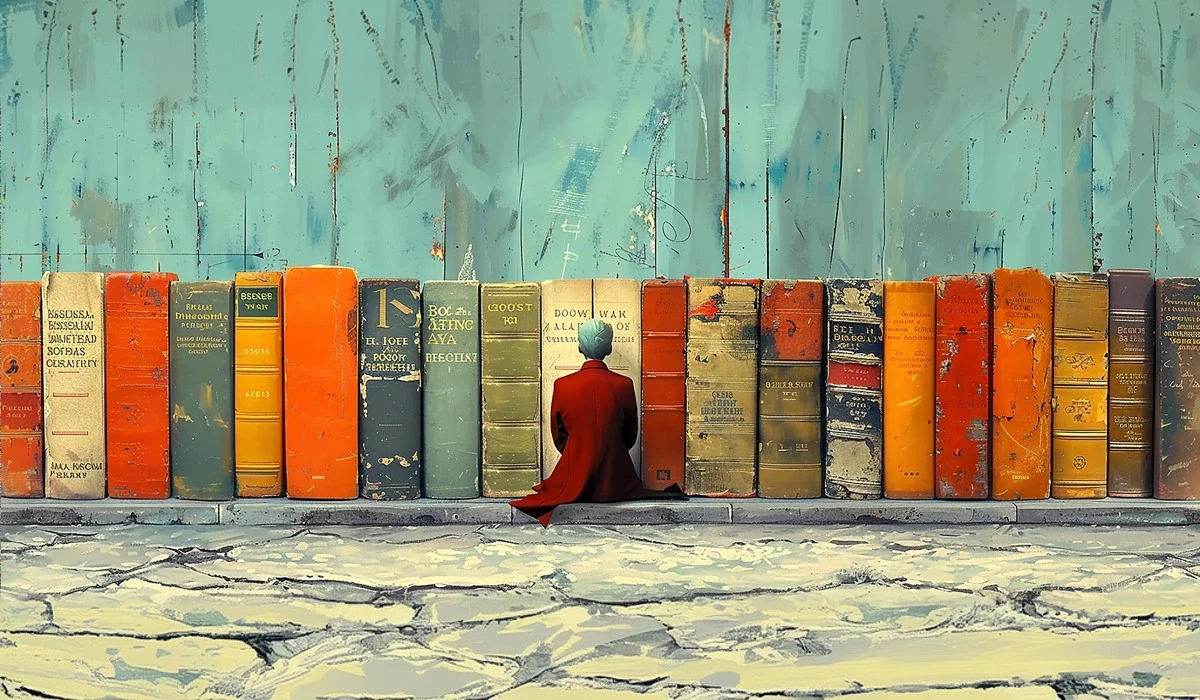
Reading a single novel feels like listening to one side of a phone call. You hear the words, but you miss the reactions, the context, and the shared jokes on the other end of the line. Most people pick up a bestseller and assume the story starts and ends between the covers. In reality, books function like neighbors in a global village who constantly borrow sugar and tools from each other. When you ignore these connections, you overlook the secrets that give a story its true power. Comparative Literature changes this by forcing you to look at how different cultures speak to one another through their writing. It turns a solitary act into a massive, worldwide investigation. The examination of these patterns ensures you stop being a passive consumer and start seeing how literary theory, modern literature actually functions in our global society.
The Evolution Of Modern Literature
Early writers tried to mirror real life exactly as they saw it, focusing on clear timelines and predictable characters. This period of realism gave way to a much more chaotic style as the 20th century progressed. Authors began to realize that the human mind does not work in a straight line, so they started writing in fragments. You see this shift when novelists use techniques like stream of consciousness to mimic the messy flow of thoughts. This change makes many readers wonder, is modern writing harder to analyze? While the lack of a clear timeline feels confusing at first, it actually invites you to help build the meaning alongside the author.
According to research published by Granthaalayah Publication, the heart of the Modernist objective involves breaking away from linear storytelling; consequently, these writers moved away from the chronological storytelling of the Victorian era to focus on the fragmentation of living. Through the use of Comparative Literature, you can track how these messy styles appeared simultaneously in different countries. It shows that writers everywhere were reacting to the same global shifts in perception.
Virginia Woolf and Modernism Redefine Reality Through Inner Experience
Authors in the 1920s, such as Virginia Woolf, used subjective reality to replace external facts. Instead of telling you what happened, they show you how a character feels about what happened in the moment. This technique highlights the messy nature of human experience and forces you to look at the internal world of the mind. Analysis of these shifts reveals how literary theory, modern literature evolved to mirror an environment that no longer felt stable or predictable. This artistic rebellion against the old ways of writing created a new space for readers to engage with layered emotions. It sets the stage for a deeper investigation into how we find meaning in a society that often feels disjointed.
Accessing Insights Through Comparative Literature
When you place two books from different continents next to each other, the similarities start to scream for attention. A story about a lonely office worker in New York might look identical to one about a salaryman in Tokyo. These connections reveal shared human anxieties that go beyond borders, such as the fear of being forgotten in a crowded city. Looking at the themes of urbanization and isolation allows you to notice these patterns clearly. You begin to notice that while the languages differ, the basic emotional core remains the same. While this method points out similarities, it also highlights the unique ways each culture solves the same life problems. A comparison of these narratives gives you a richer understanding of the world because you see how different societies process the same modern stresses.
Comparative Literature Reveals the Hidden Conversations Between World Traditions
Professionals in this field often use thematic studies to identify recurring ideas like exile or power across completely unrelated traditions. For instance, you might compare the use of a double or a secret twin in stories from Russia and America. This reveals how different authors use similar psychological tools to explore the human soul. Beyond themes, researchers look at influence studies to trace how one book directly influences another across history. You can see this when an ancient collection of Middle Eastern folktales shapes the way European novelists tell their stories centuries later. These connections show that no story exists in isolation from the rest of the world. Comparative Literature gives you a front-row seat to the massive exchange of ideas that has been happening for thousands of years between diverse cultures.
The Essential Role Of Literary Theory, Modern Literature
While some view academic study as a practice reserved for classrooms, it provides a vital toolkit for anyone who loves stories. literary theory, modern literature acts like a set of specialized filters that change how you see the world on the page. You might use a feminist filter to see how power moves between characters, or an environmental filter to see how the setting influences the plot.
Some people ask, what are the main branches of the field? As explained by materials from the University of Washington and research in the RJOE journal, the primary areas of literary theory, modern literature include post-colonialism, which focuses on literature from countries that are or were colonies, and deconstruction, which suggests language cannot convey a definitive or absolute meaning. These tools allow you to peel back the surface of a book and see the social critiques contained inside. Instead of just following the plot, you start to see the arguments the author makes.
Reader-Centered Theory Turns Every Text into a Living Conversation
Another important layer of this toolkit involves focusing on the text itself rather than just what the author intended to say. In the middle of the 20th century, thinkers began to argue that a book’s meaning belongs to the reader just as much as the writer. This perspective allows you to find new interpretations that the original author might never have considered. The application of various parts of literary theory, modern literature allows you to reveal obscured biases or social commentaries that lie beneath the surface of the plot. This approach makes reading a much more active and personal experience because you are the one doing the work of finding meaning. You learn to see the book as a living document that changes depending on the perspective you choose to bring to it. It turns every library into a playground.

Why Comparative Literature Reveals More Than Single-Text Analysis
Analyzing a single book in a vacuum limits your perspective to what one author knows. However, reading books in conversation with their influences opens up a much deeper level of meaning. You might notice how a modern poet borrows the rhythm of an ancient epic, which adds a layer of weight to their contemporary complaints. According to the University of Illinois Major Handbook, world literature focuses on literature and culture from across the globe specifically in English translation, whereas Comparative Literature involves an engagement with two or more literary and cultural traditions. Observation of these links reveals the collaboration that occurs when ideas collide across time. This approach transforms a single story into a piece of a much larger puzzle. It shows that no writer creates in isolation.
Comparative Reading Reveals Shared Themes and Distinct Cultural Voices
When you read two very different poets side-by-side, their unique styles and common themes start to stand out in startling relief. Imagine reading a French poet alongside an American one and noticing they both use the same metaphors for nature. This juxtaposition reveals stylistic secrets that you would likely miss if you only read one poem at a time. Beyond finding similarities, this method highlights the unique cultural fingerprints that make each work distinct. The study of Comparative Literature seeks to blur the lines between famous classics and marginalized works that deserve more attention. It gives equal status to every voice in the global conversation, allowing you to see the full range of human creativity. This broader view ensures that you never settle for a one-sided understanding.
Bridging Cultural Gaps In Contemporary Prose
Modern readers often interact with stories through translation, which involves far more than simply swapping words from one language to another. Research from KU Leuven and the University of Venice suggests that translation acts as a channel for intercultural transfer and a central system for creating and sharing cultural values. Additionally, as noted by Cornell University, critical analysis across different linguistic and cultural contexts reveals that although specific words change, the basic secrets of the human condition remain consistent within Comparative Literature. Whether a character faces grief in a village or a skyscraper, the emotional resonance remains recognizable to any reader. This consistency proves that humans share a common core of experiences regardless of where they live. Connecting these cultural gaps allows you to gain empathy and a broader perspective on current global events. You see the world as a unified space.
Postcolonial Perspectives Expand Literature Beyond Western Boundaries
Contemporary thinkers use specific frameworks to deconstruct Western cultural assumptions and make room for voices from Africa, Asia, and Latin America. This approach ensures that we do not just look at books through a single, traditional lens. Inclusion of a wide variety of global perspectives allows us to see how stories serve as a primary tool for cultural survival and resistance. Comparative Literature teaches us that language is an active medium that carries the weight of a nation’s struggles and triumphs. When you read a novel from a post-colonial perspective, you see the arguments for justice and identity that are woven into the prose. This method allows us to honor the diversity of the human experience while finding the common links that bind us all together. It makes every book a lesson.
Identifying The Recurring Motifs Of The 21st Century
Today’s writers face a society dominated by digital screens and rapid technological change. You can find motifs like the labyrinth in stories from all over the world, representing the confusing nature of the internet. A Japanese author might use technology to talk about loneliness, while an American writer uses it to critique corporate surveillance. Despite these different angles, both are grappling with how our digital tools change who we are. Comparative Literature allows you to see these global trends as they happen in real time. You notice that people in every country are asking the same questions about privacy and connection. The identification of these recurring motifs allows you to better understand the cultural mood of our current period. It reveals that the challenges we face are part of a massive global shift.
Eco-Criticism Unites Global Literature Around Climate and Environmental Change
Another major theme in current writing involves how different cultures respond to environmental collapse and the changing climate. Research from the University of Surrey defines eco-criticism as the environmentally-focused branch of literary studies, and this area of study, known as eco-criticism, looks at how literary theory, modern literature portrays our relationship with the natural world. You might see a Scandinavian author and an Australian author use similar imagery to talk about the loss of the wilderness. These shared motifs reveal a global anxiety about the future of our planet that transcends political borders. Utilization of the tools of Comparative Literature shows how humanity is processing these massive shifts through art. It shows that we are all dealing with the same global crises, even if we describe them in different languages. Reading these works side-by-side helps us find a unified voice in the face of widespread environmental change.
Building Your Personal Analytical Toolkit
You do not need an advanced degree to start using these methods in your daily life. The selection of companion reads, such as two books from different cultures that tackle the same topic, is a way to start. For example, try reading a novel about migration from a Syrian author alongside one from a Mexican author. This simple act turns you into a student of Comparative Literature immediately. As you read, apply basic literary theory, modern literature by asking questions regarding who holds the power in each scene or how the environment shapes the characters. These strategies make your reading experience much more rewarding and intellectually stimulating. You move from being a casual observer to an active participant in the story’s creation. Over time, you will develop a special vocabulary for describing why certain books move you.
Hermeneutics Gives Readers the Tools to Decode Deeper Meaning
Developing this skill set involves learning a special vocabulary to describe how meaning is built within a text. This process, often called hermeneutics, provides you with a systematic way to study the secrets obscured in your favorite novels. You start to notice how a specific word choice or a certain rhythm in the prose affects your emotional response to the story. Adopting the role of an active decoder helps you find much more value in every page you turn. The goal of using Comparative Literature is to make your reading life more rewarding and deeply connected to the rest of the world. You no longer feel like you are just killing time with a book; you are engaging in a serious and exciting intellectual adventure. This analytical toolkit ensures that you always find something new to appreciate.
Refining The Art Of Comparative Literature
The true power of reading comes when you realize that every book is part of a much larger global conversation. The secrets of literary theory, modern literature are not locked away in a vault; they are visible to anyone who looks across borders. The combination of literary theory, modern literature and a comparative mindset provide a key that reveals deeper meaning in everything you read. Comparative Literature proves that no story exists in a vacuum and that our shared human experiences connect us all. You no longer see just a single plot; you see the historical shifts and cultural echoes that make a story truly great. This perspective transforms your understanding of the written word and turns every page into a gateway to a bigger world. Embracing this method ensures that your time spent reading is always an active, enlightening experience.
Recently Added
Categories
- Arts And Humanities
- Blog
- Business And Management
- Criminology
- Education
- Environment And Conservation
- Farming And Animal Care
- Geopolitics
- Lifestyle And Beauty
- Medicine And Science
- Mental Health
- Nutrition And Diet
- Religion And Spirituality
- Social Care And Health
- Sport And Fitness
- Technology
- Uncategorized
- Videos

