
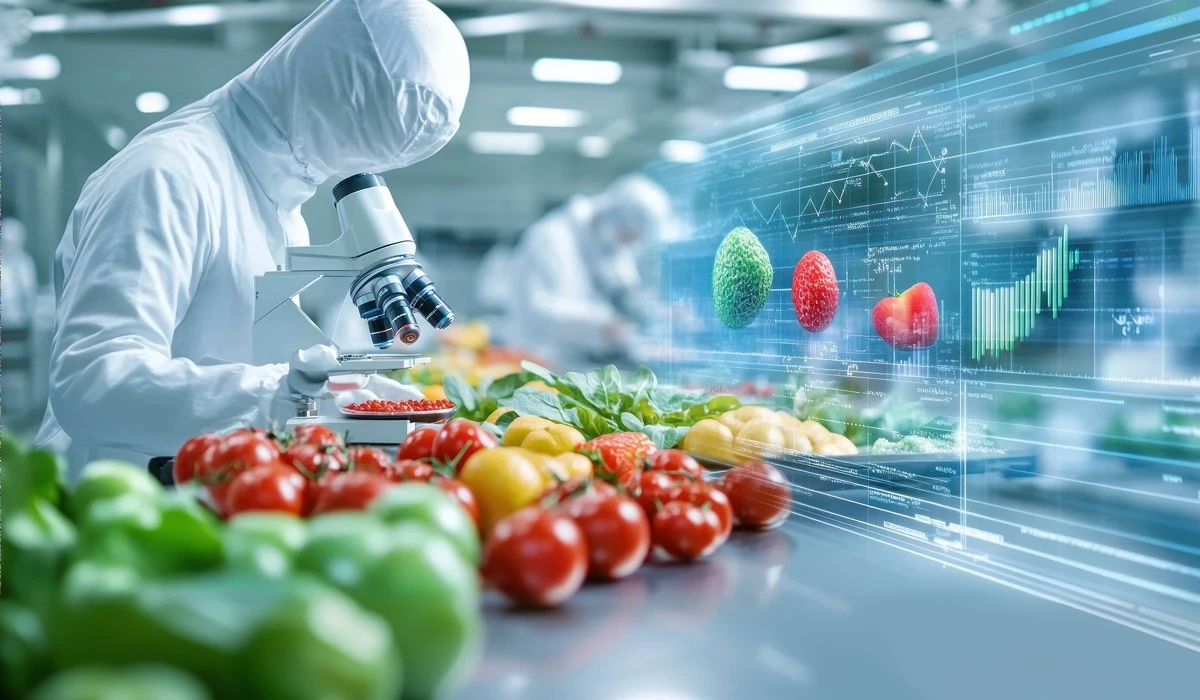
Food Technology Delivers Exact Nutrient Profiles
People count calories and macros blindly, assuming the human body burns food like a furnace. In reality, a person might eat a perfectly measured meal and still starve their cells of basic nutrition. Traditional dietary tracking relies heavily on archaic methods like twenty-four-hour recalls and food diaries. These old tools suffer from massive human error, recall bias, and estimation inaccuracies. Modern nutritional science entirely abandons this outdated caloric-reductionist model. Today, experts know metabolic outcomes depend heavily on highly precise, data-driven nutrient profiling. Deep metagenomic sequencing combined with modern food technology allows engineers to create highly customized nutrition strategies. These new strategies directly target the specific genetic needs and unique microbiome demands of any consumer. This level of rigorous quality control ensures people finally get exact bioavailable diets. Modern manufacturing eliminates the old dietary guesswork completely and permanently.
The Evolution of Food Technology in Modern Diets
The world launched its first formal food fortification campaign in 1924. During this time, the Michigan State Medical Society successfully pushed for the addition of iodine to standard table salt. According to research published in ScienceDirect, this aggressive move decreased the incidence of goitre among children in Michigan from 35% down to just 2.6 percent between 1924 and 1935.
Following the massive success of iodized salt, the American Medical Association Committee on Foods mandated the fortification of milk with Vitamin D in 1933. They implemented this change specifically to combat widespread childhood rickets. As documented by the NCBI, the Committee on Food and Nutrition recommended in nineteen forty that the United States government set strict standards to add exact targets of thiamine, niacin, riboflavin, and iron to wheat flour. Leaders took this dramatic step to properly address the incredibly poor nutritional status of military enlistees entering the armed forces before deploying them overseas.
Precision Nutrition Through Micro-Targeting
Today, the industry completely distances itself from those broad, sweeping fortification techniques. Manufacturers now rely heavily on micro-targeting to fulfill exact bodily requirements. Advanced food technology utilizes artificial intelligence and supported pattern recognition programs to design specialized foods. These modern products hit biologically grounded, outcome-validated micro-nutrient targets with incredible accuracy. Companies analyze detailed biological data to determine precisely how much of a nutrient a specific demographic requires, completely leaving behind the practice of dumping vitamins into a massive vat of milk. This tailored approach allows dietitians and food engineers to build formulas supporting peak human performance. Consumers no longer have to guess if their bodies absorb the necessary compounds. Rigorous quality control measures test these tailored products consistently to ensure every single bite delivers maximum health benefits. This shift represents a massive leap forward for personalized nutrition globally.
Connecting Nutritional Science to Manufacturing
The groundbreaking PREDICT 1 scientific study sequenced over twelve hundred distinct human gut microbiomes. As noted in a Harvard Gazette report, this research proved that the composition of participants' gut microbiomes is strongly associated with specific nutrients, food groups, and general dietary indices, dictating exactly how a person metabolizes their daily meals. For instance, scientists linked a microbiome rich in Prevotella copri directly to maintaining highly favorable blood sugar levels after eating.
As researchers learn more about human metabolism, an obvious question arises: what is nutritional food technology? It is the practical application of food science and engineering to enhance the specific health benefits and nutrient density of consumable products. Manufacturers use these innovations to bridge the gap between laboratory insights and physical manufacturing lines. Standardized scientific metrics help factory workers match these advanced multi-omics repositories perfectly to commercial production protocols. Food producers finally transform highly detailed microbiome research into actionable dietary solutions seamlessly every day.
Prebiotic Engineering for Precision Gut Health
Translating this advanced laboratory data into physical consumer goods requires exceptional precision. Food manufacturers achieve this outcome when they formulate products with powerful fermentable fibers called prebiotics. They carefully embed resistant starches into everyday snack items to explicitly boost helpful gut bacteria. These targeted ingredients feed short-chain fatty acid producing organisms like Bifidobacterium adolescentis directly in the digestive tract. Engineers use standardized evaluation tools like the STORMS checklist and STREAMS guidelines to verify their formulas. These strict protocols allow commercial plants to accurately map metabolic research directly onto their active manufacturing processes. Consequently, a basic protein bar transforms into a highly calibrated medical tool designed for optimal digestion. Workers on the factory floor rely on these verified guidelines to maintain strict product consistency. Such exact coordination guarantees the ultimate delivery of promised health outcomes to everyday buyers across the country.
Advanced Quality Control Ensures Consistency
Modern food technology depends entirely on rigorous testing to maintain exact chemical profiles across massive production scales. According to research published in PMC, near-infrared spectroscopy serves as a highly reliable analytical platform, prompting factories to rapidly deploy near-infrared and mid-infrared spectroscopy directly onto active processing lines. These advanced sensors seamlessly quantify moisture, fat, protein, and overall sugar content in real-time without ever destroying the physical food sample.
When producing millions of units, consumers often wonder, why is quality control important in the food industry? It is essential because it guarantees that every single batch is safe for consumption and perfectly matches the exact nutritional profile advertised on the label. Strict oversight prevents harmful deviations during high-speed manufacturing runs. Technicians use this nonstop stream of chemical data to halt production immediately if a nutrient mix drifts slightly off target. This proactive approach saves companies immense amounts of money while protecting vulnerable consumer health simultaneously.
Hyper-Spectral Imaging for Ultra-Precise Food Quality Control
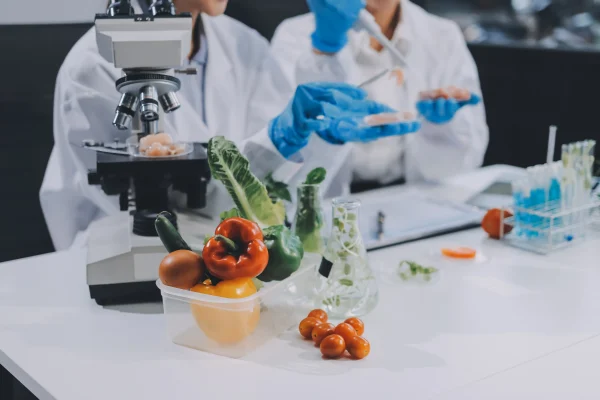
The same PMC study also highlights hyperspectral imaging as an emerging tool well suited for food quality and safety control, completely overhauling modern food inspections beyond simple spectroscopy. These sophisticated cameras capture detailed pixel-level chemical data from raw ingredients moving rapidly along conveyor belts. This incredible technology validates grain protein content with remarkable root-mean-square errors as low as 0.48 percent. Meanwhile, cutting-edge optical sorters combine high-speed targeted air jets with sensitive optical fluorescence technology to monitor batches without interruption.
These devices scan products relentlessly to detect microscopic chemical variations or physical defects instantly. If an individual kernel lacks the mandatory nutrient density, a precise blast of air ejects it from the line in a fraction of a second. Such microscopic sorting guarantees every packaged item reflects the intended dietary formula perfectly. Consumers receive precisely what nutritional science promises because these relentless sorters never allow substandard ingredients to reach the local grocery store shelves.
How Precision Fermentation Upgrades Nutrients
Precision fermentation represents a massive leap forward in producing perfectly engineered nutrients. This incredible food technology relies entirely on recombinant DNA integration. Scientists carefully insert specific target genes into the genomes of common microorganisms like yeasts, bacteria, and fungi. These altered microbes effectively become hyper-productive cellular micro-factories dedicated to synthesizing exact compounds. Workers cultivate these engineered organisms inside massive stirred-tank bioreactors filled with specialized microcarriers. These tiny spherical particles maximize available surface area, allowing the microbes to metabolize raw sugars rapidly. Through this controlled biological process, manufacturers biosynthesize exact macro-molecules like identical milk casein or egg ovalbumin. The resulting proteins possess the exact same chemical structure as their traditional animal-based counterparts without any agricultural variations. Nutritional science utilizes this deep consistency to formulate diets free from the random nutrient fluctuations normally found in traditional farming methods.
Microbial Engineering for Flavor and Fat Innovation
Beyond simple proteins, developers actively program specific yeast strains to produce specialized healthy fats. These bio-synthesized fats feature molecular structures completely identical to conventional meat products. This impressive matching significantly improves the organoleptic properties and mouthfeel of modern plant-based foods. In reality, food technology solves incredibly stubborn flavor problems using these exact microbial techniques. For example, experts deploy genetically engineered Escherichia coli and unique fungal strains to synthesize secretory bio-based heme. They also create powerful, highly specific bitter-blockers that completely eliminate the harsh astringency often associated with raw soy-based additives. Controlling the exact molecular output allows engineers to dramatically improve both the taste and the precise nutritional load of the final product. Consumers enjoy delicious meals while effortlessly meeting their stringent daily dietary goals without making any unpleasant compromises regarding overall food quality or taste.
Sensors And AI The New Frontier of Food Technology
Artificial Neural Networks and advanced machine learning models evaluate multi-layered nutrient retention rates aggressively. Engineers use powerful algorithms to accurately forecast nutrient degradation during intense thermal food processing. With artificial intelligence taking over the factory floor, people frequently ask, how does technology improve food quality? Technology improves food quality through the use of automated sensors and machine learning to instantly detect and correct microscopic deviations in nutrient levels during production. This ensures that the final product perfectly maintains its intended health benefits. Companies utilize innovative digital twin setups to construct virtual, highly detailed simulated replicas of physical processing lines. These intelligent programs merge real-time sensory inputs with predictive models to map out exact chemical changes perfectly. This proactive approach allows technicians to adjust heat settings instantly before the physical food even enters the cooking phase each day.
Real-Time AI Quality Control in Food Production
Edge computing models directly paired with online spectrometers transform non-stop spectral light streams into highly readable regression metrics. This sophisticated food technology grants modern production systems the ability to detect and correct process drift autonomously. They execute these vital corrections in milliseconds without constantly waiting for sluggish laboratory results. Such rapid adjustments enforce strict quality control standards across entire factory floors effortlessly. If a massive mixing vat suddenly loses a fraction of its targeted vitamin C profile, the AI instantly commands the dispenser to release more concentrate. This immediate reaction ensures zero degradation happens during the highly involved packaging phase. Nutritional science heavily relies on this relentless digital vigilance to guarantee that delicate compounds survive the brutal manufacturing process intact. Consequently, families always consume the exact vitamin dosages legally promised on the bright exterior packaging of their favorite healthy meals.
Solving The Bioavailability Problem
Even the most precise nutritional profiles remain useless if the human digestive tract destroys the vitamins before absorption. Food technology actively solves this massive hurdle through advanced microencapsulation techniques. As documented in a PMC article, engineers cleverly surround sensitive nutrients inside strong physical polymer barriers using protective, natural materials like alginate or chitosan-alginate microcapsules. These strong microscopic shells shield fragile vitamins from premature oxidation and intense mechanical stress during heavy manufacturing.
The same publication notes that scientists aggressively employ liposomal encapsulation, offering targeted delivery to protect vital bioactive compounds even further. They expertly wrap essential vitamins securely inside a thick phospholipid bilayer that closely mimics actual human cell membranes. This specific engineering marvel allows active compounds to completely bypass brutal digestive stomach acids intact. These protected nutrients slide effortlessly past destructive enzymes to directly facilitate incredibly rapid cellular uptake within the body. Thus, precision engineering totally eliminates the historical problem of wasted, unabsorbed daily supplements entirely.

Targeted Nutrient Delivery for Maximum Absorption
Carrier-mediated targeted release systems demonstrate another massive victory for modern nutritional science. Developers engineer these specialized coatings to survive the highly acidic, violently churning environment of the human stomach, where the pH consistently drops below three. These resilient shells only dissolve and release their fragile payloads when they finally reach the gentle alkaline environment of the small intestine. This delayed reaction allows delicate elements like resveratrol or specific essential amino acids to safely enter the bloodstream without suffering chemical destruction. Quality control teams test these highly detailed delivery methods ruthlessly to ensure their consistent reliability under various physical conditions. They simulate human digestion in laboratory settings to guarantee the protective coatings react exactly as planned. This absolute certainty ensures consumers experience the genuine biological improvements promised by advanced dietary research rather than simply flushing expensive, broken vitamins down the bathroom drain.
Translating Exact Profiles to Consumer Labels
Maintaining perfect nutritional profiles requires flawless logistical tracking from the factory to the local grocery store. Advanced food technology utilizes the Internet of Things and active RFID sensors to monitor the entire supply chain around the clock. These brilliant devices constantly log real-time data regarding ambient temperature, relative humidity, and harsh gas exposure inside moving transport trucks. This strict quality control ensures that highly sensitive encapsulated nutrients never degrade while traveling across the country. If a refrigerated container suddenly becomes too warm, the integrated sensors set off immediate alarms to save the fragile payload. Drivers quickly adjust the climate settings to prevent any chemical breakdown of the precious cargo. Consequently, the incredibly specific vitamin ratios engineered inside the modern laboratory survive the turbulent physical trip. Families confidently buy products knowing the interior ingredients genuinely match the bold claims printed on the exterior cardboard packaging.
Blockchain Transparency in Nutrient Tracking
Enterprise blockchain platforms like IBM Food Trust take this consumer transparency to an entirely new level globally. According to a Reuters report, these platforms provide a permanent record of transactions that cannot be altered, creating a completely immutable ledger that permanently tracks food-product data and a single nutrient from its raw agricultural origin at the supplier and farm level, to the store shelves, and ultimately to consumers in its final packaged state. This intense digital oversight definitively guarantees that the exact nutrient profile tested on the factory floor remains traceably authentic to the end consumer.
Nutritional science heavily promotes this transparent tracking because it quickly builds immense trust with deeply skeptical buyers. Shoppers simply scan a unique bar code on their smartphones to instantly view the complete chemical history of their dinner. Such extreme accountability actively forces competing manufacturers to abandon cheap filler ingredients. They must aggressively adopt advanced biological engineering to meet the rising expectations of health-conscious families everywhere.
Shaping Tomorrow’s Diet with Food Technology
The global population rapidly approaches 9.7 billion people by 25. This massive expansion will cause a projected 56% increase in global daily food demand. Scaling basic nutrient density purely through traditional agricultural expansion remains completely impossible today. Advanced food technology stands as the only truly viable method to overcome this looming global shortage. The incredible convergence of deep-learning algorithms, microbial fermentation, and nanotech delivery methods essentially upgrades human diets everywhere. Modern manufacturers permanently abandon the outdated practice of retrospective deficiency correction using basic vitamins. They exclusively engineer wildly predictive, optimal health profiles tailored for exact biological outcomes. Relentless quality control ensures these powerful biological upgrades actually reach human cells intact. Eventually, this hyper-precise manufacturing approach will render common nutrient deficiencies completely extinct, finally granting consumers absolute control over their long-term bodily health and daily well-being.
Recently Added
Categories
- Arts And Humanities
- Blog
- Business And Management
- Criminology
- Education
- Environment And Conservation
- Farming And Animal Care
- Geopolitics
- Lifestyle And Beauty
- Medicine And Science
- Mental Health
- Nutrition And Diet
- Religion And Spirituality
- Social Care And Health
- Sport And Fitness
- Technology
- Uncategorized
- Videos

