
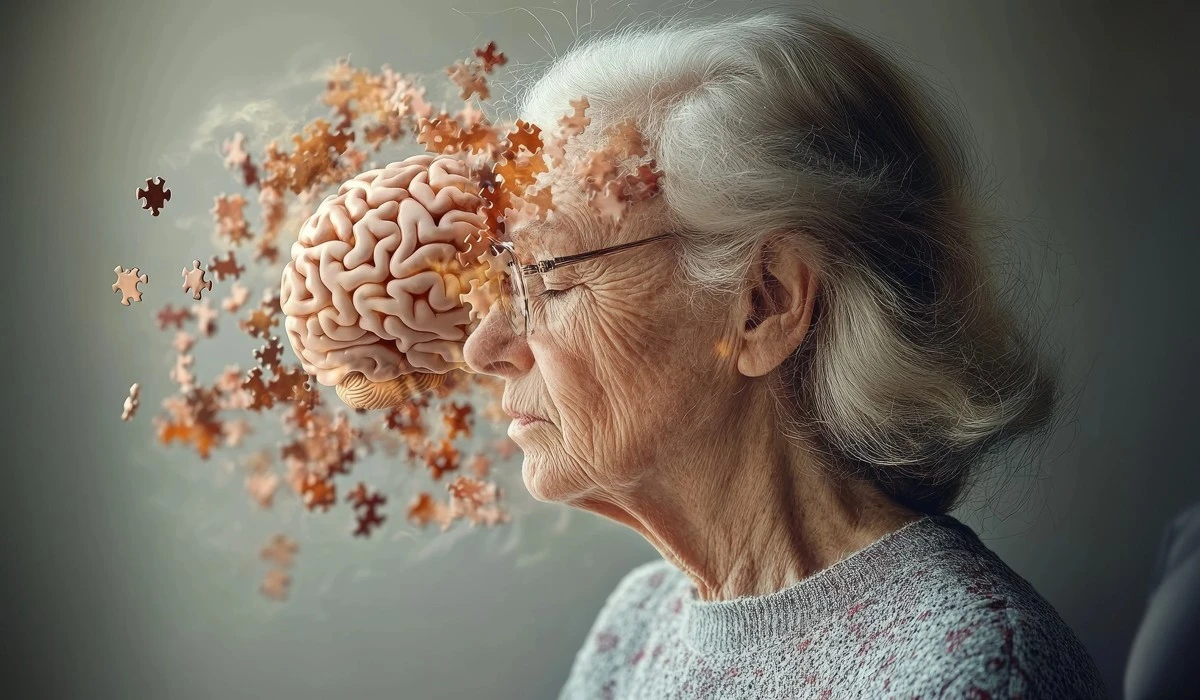
How Neuropsychology Fixes Broken Aging Brains!
You misplace your car keys again. You blank on a neighbor's name mid-conversation. Panic sets in as you assume your mind is slowly slipping away. Society trains us to expect mental decay as we age. We assume our brain cells simply die off, leaving us helpless against the clock. The reality is that this assumption is incorrect. Your brain actively rewires itself every single day based on how you use it. You can literally force your brain to build new pathways and stay sharp.
The science of neuropsychology gives us the exact tools to control this process. Gaining an understanding of how daily habits alter physical brain tissue allows you to stop fearing old age and start protecting your memory. This guide will show you exactly how to maintain your mental edge. We will examine clinical assessments, cutting-edge therapies, and practical lifestyle shifts that physically rebuild your brain.
The Core Principles of Neuropsychology for Aging
The field of neuropsychology maps the direct link between physical brain structures and everyday behavior. According to a report in PMC8566713, Donald Hebb popularized this approach in 1949 with his famous Hebbian theory, which demonstrated that neurons that activate together form stronger physical connections. This means repeating a specific behavior physically changes your brain tissue over time. As we age, our brains do shrink physically. Research published in PMC2827793 indicates that once individuals reach age 70, the prefrontal cortex and hippocampus experience an annual reduction of roughly one to two percent.
This shrinkage slows down processing speeds. Memory loss is not a certainty simply because the brain is smaller. As noted in PubMed, Yaakov Stern introduced the Cognitive Reserve Theory in 2002 to explain this resilience, finding that adults who constantly test their minds create strong neural networks. This dense neural webbing acts as a buffer against damage. It can delay the clinical onset of neurodegenerative diseases by up to five years.
Distinguishing Normal Aging from Decline
Arthur Benton pioneered modern aging assessments back in 1945. He created the Benton Visual Retention Test specifically to map visual memory in older adults. His work helped establish what normal aging actually looks like. V.A. Kral later coined the term benign senescent forgetfulness in 1962. This clinical term describes completely normal, age-related memory hiccups.
Imagine trying to recall a favorite actor's name during a movie. You experience the tip-of-the-tongue phenomenon. The information remains perfectly intact inside your brain, but you temporarily struggle to retrieve it. This represents a simple retrieval failure. Pathological decline involves a total failure to encode new information in the first place.
As detailed in PMC3607395, the Seattle Longitudinal Study tracked thousands of adults starting in 1956 and found that raw perceptual speed begins a slow, linear decline around age 25. The researchers also observed that crystallized intelligence, which includes vocabulary and accumulated life knowledge, peaks deep into the 60s and 70s. While normal aging reduces processing speed, total wisdom continues to grow.
How Clinical Neuroscience Activates Neuroplasticity
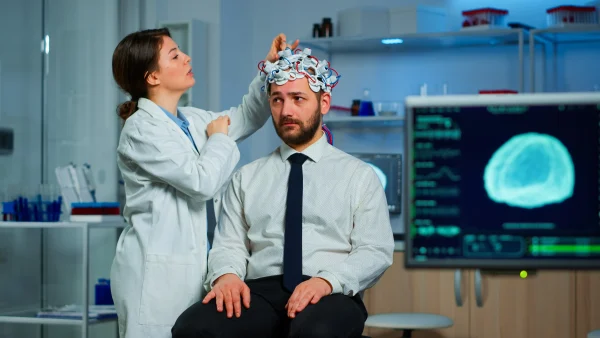
Modern clinical neuroscience shows us that aging brains possess incredible adaptability. According to research published in PubMed, the HAROLD model uses functional magnetic resonance imaging to show that older brains successfully compensate for natural physical decline. The model demonstrates that an older brain naturally recruits both sides of the prefrontal cortex to achieve the same result that a younger brain might reach using just one side.
Your brain actively reorganizes itself to maintain high performance. Research in the American Heart Association journals indicates this structural shift relies heavily on brain-derived neurotrophic factor, a protein that supports brain cell health. While baseline levels of this protein drop with age, a systematic review in ScienceDirect suggests that aerobic exercise can increase the production of this protein by 30 to 40 percent in older adults.
The Mechanics of Rewiring Your Brain
A landmark study in Cell Stem Cell confirmed that human brains continue generating brand-new neurons well into our ninth decade of life. This process of adult neurogenesis takes place in a specific memory center called the dentate gyrus. You have complete control over this ongoing brain development. Targeted mental exercises and lifestyle changes can stimulate neuroplasticity to strengthen neural pathways and improve recall.
You must provide your brain with consistent and novel challenges to spark this biological growth. Performing the exact same crossword puzzle every day will not build new neural pathways. You need to force your brain to struggle slightly with brand-new information. This controlled mental friction signals your brain to produce fresh synaptic connections.
Getting a Baseline with a Cognitive Assessment
Protecting your mental sharpness requires knowing exactly where your brain health stands right now. Doctors use a cognitive assessment to map your mental strengths and pinpoint any clinical weaknesses. Dr. Ziad Nasreddine developed the Montreal Cognitive Assessment in 1996 to establish a highly accurate patient baseline. This 30-point test detects mild cognitive impairment with 90 percent sensitivity.
Research published in PubMed explains that older tests only offered an 18 percent sensitivity rate for detecting early issues. Getting tested removes all the guesswork from your aging process. A formal evaluation removes the fear and stigma surrounding memory issues. The testing environment feels calm, structured, and entirely focused on finding solutions. A comprehensive evaluation usually takes two to five hours to complete.
What to Expect During the Testing Process
The evaluation process feels like a series of unique puzzles and memory games. Clinicians use specific tools like the Wechsler Adult Intelligence Scale to measure your working memory capacity accurately. As described in ScienceDirect, they also use the Trail Making Test to measure cognitive flexibility and visual attention. This specific test asks you to connect scattered dots in a specific sequence while the doctor times you.
This method isolates your executive functioning skills perfectly. Professionals also use the Rey Auditory Verbal Learning Test during standard evaluations. The clinician will read a list of 15 distinct words to you. They will ask you to recall those words across five immediate trials. Later, they will ask you to recall the exact same list after a 30-minute delay. This methodology separates simple attention issues from genuine memory retention deficits.
Lifestyle Factors That Influence Brain Aging

Your daily physical habits dictate the structural integrity of your brain. As reported by the University of Rochester, sleep quality directly controls the brain's biological cleaning cycle because Maiken Nedergaard identified in 2012 that the brain flushes out neurotoxic waste during deep, slow-wave sleep. Cerebrospinal fluid rushes through the brain to clear out cellular debris.
Research in Nature Communications confirms that this nightly cleaning process removes dangerous beta-amyloid plaques, which frequently cause Alzheimer's disease when they accumulate over decades. Targeted nutrition also physically alters your brain health. Martha Clare Morris developed the MIND diet in 2015. Clinical studies show this specific eating plan reduces Alzheimer's risk by 53 percent in strict followers. The diet focuses heavily on leafy greens and fresh berries. Leafy greens contain high levels of phylloquinone. Berries provide potent anthocyanins that protect aging neurons from severe oxidative stress.
The Gut-Brain Connection in Older Adults
Your digestive system directly communicates with your brain through the vagus nerve. The bacteria in your gut ferment dietary fiber to produce short-chain fatty acids like butyrate. These specific fatty acids cross the blood-brain barrier to actively suppress dangerous neuroinflammation in older adults. Eating a fiber-rich diet effectively creates a fire blanket for an aging brain.
Chronic inflammation destroys healthy brain tissue and accelerates memory decline. Cardiovascular exercise increases blood flow to your digestive system and your brain simultaneously. You must pair a high-fiber diet with daily movement to maximize these benefits. Maintaining excellent physical health creates the necessary biological basis for lifelong cognitive sharpness.
Applying Neuropsychology Tactics to Daily Routines
You can easily integrate core principles of neuropsychology into your daily life to protect your memory. George A. Miller established the concept of chunking in 1956. Older adults use this mental tactic to bypass natural working memory limits. You simply break a ten-digit phone number into three smaller, functional units. This method instantly reduces the cognitive load on your aging brain.
The Method of Loci offers another highly effective spatial memory tool. People frequently call this technique the memory palace. You mentally place items you want to remember along a familiar physical route in your house. A 2017 functional magnetic resonance imaging study tracked this exact process. The researchers showed that older adults practicing this specific technique for 30 minutes a day physically altered their neural connectivity patterns within six weeks.
Cognitive Scaffolding and Compensation Strategies
Active learning basically changes your brain structure. The 2013 Synapse Project, led by Denise Park, proved that adults aged 60 to 90 drastically improved their episodic memory through participation in involved tasks. They spent 15 hours a week learning digital photography or detailed quilting. Participants who engaged in passive activities like listening to classical music gained zero cognitive benefits. Learning an involved and new skill, like a new language or an instrument, provides the highest cognitive benefit.
This level of novelty forces the brain to adapt immediately. Clinical settings frequently use spaced retrieval training for older adults. You actively recall target information at progressively longer intervals, like one minute, then five minutes, then fifteen minutes. Practicing this errorless learning protocol at home solidifies your hippocampal memory encoding.
Recognizing When to Seek Professional Help
Understanding the precise difference between normal forgetfulness and medical warning signs protects your long-term independence. Barry Reisberg created the Global Deterioration Scale to map cognitive decline across seven highly specific stages. This scale helps doctors definitively differentiate between stage two and stage three decline. Stage two involves subjective, benign age-related memory complaints. Stage three indicates mild cognitive impairment that requires immediate medical intervention.
Modern clinical neuroscience now uses advanced biomarker testing to detect issues early. Doctors analyze cerebrospinal fluid to check specific protein ratios. They look closely at the Aβ42 to Aβ40 ratio and p-tau181 levels. These preemptive assays can identify pathological neurodegeneration up to 20 years before actual memory loss symptoms ever manifest. Finding these markers early allows patients to start aggressive lifestyle interventions immediately.
Building Your Brain Health Care Team
You need the right medical experts on your side to navigate involved memory issues. A clinical neuropsychologist or a neurologist typically administers standardized tests to evaluate memory and cognitive function. Speaking to your primary care doctor serves as the first step to secure this important referral.
Clinical neuropsychologists complete rigorous training mandated by the 1997 Houston Conference Guidelines. They must finish a two-year post-doctoral fellowship specifically focused on mapping brain-behavior relationships. These experts look far beyond simple memory lapses. They evaluate your entire neurological profile to create a highly accurate, personalized treatment plan. Working with these specialists ensures you receive targeted, evidence-based care.
The Future of Brain Health and Longevity
Emerging research proves that proactive interventions significantly alter the trajectory of human aging. The massive ACTIVE study tested computerized cognitive training platforms on older adults. Researchers used adaptive psychophysical algorithms to push participants to their mental limits. The findings revealed that just ten sessions of speed-of-processing training reduced dementia risk by 29 percent over a ten-year follow-up period.
Miia Kivipelto published the groundbreaking FINGER trial in 2015. This trial proved that a multi-domain lifestyle intervention drastically improves brain power in at-risk seniors. Participants improved their overall processing speed by 150 percent and boosted their executive functioning by 83 percent. Tools drawn directly from neuropsychology offer a completely reliable roadmap for extending our mental healthspan well into our later decades.
Creating Your Personal Cognitive Maintenance Plan
Technology now provides interesting new ways to stimulate aging brains. Scientists currently test non-invasive brain stimulation techniques like transcranial direct current stimulation. This therapy applies one to two milliamperes of painless, direct electrical current straight to the left dorsolateral prefrontal cortex. Recent 2021 clinical trials showed this exact technique transiently boosted spatial working memory in adults over the age of 65.
You must synthesize these scientific insights into a daily routine. Combine rigorous physical exercise, targeted nutrition, and novel mental challenges to build a sustainable maintenance plan. Regular check-ins with your medical team ensure you stay on the right track. Ongoing learning remains your absolute best defense against cognitive decline.
Embracing Your Brain’s Potential
The aging brain possesses remarkable resilience. You no longer have to view getting older as a slow, inevitable slide into cognitive fog. The precise science of neuropsychology proves that your daily habits physically shape your neural pathways. Every single time you learn a new skill, prioritize deep sleep, or elevate your heart rate, you actively build a stronger mind.
You hold the power to dictate your own mental longevity. Securing a baseline assessment eliminates unnecessary fear and provides a clear path forward. Stop worrying about occasionally forgetting a name or misplacing your keys. Step into your later years with absolute confidence and clarity through the application of these evidence-based strategies to your life today.
Recently Added
Categories
- Arts And Humanities
- Blog
- Business And Management
- Criminology
- Education
- Environment And Conservation
- Farming And Animal Care
- Geopolitics
- Lifestyle And Beauty
- Medicine And Science
- Mental Health
- Nutrition And Diet
- Religion And Spirituality
- Social Care And Health
- Sport And Fitness
- Technology
- Uncategorized
- Videos

