
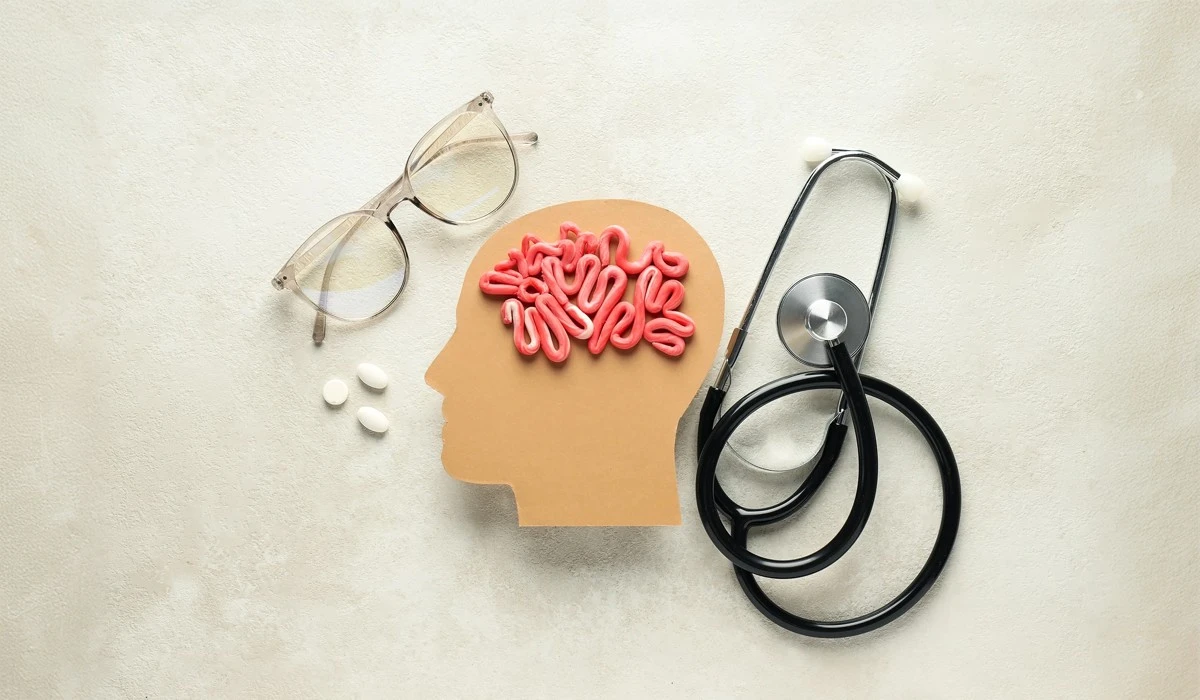
The Intersection Of Law And Forensic Mental Health
A courtroom looks like a battle of evidence and laws. However, a single psychiatric report often decides if a person goes to a hospital or a high-security cell. This process begins long before a judge speaks. Specialists in Forensic Mental Health enter this space to connect medicine and justice. They prioritize the truth over the interests of the patient. Through the combination of criminal psychology and legal psychiatry, these experts turn complicated mental states into clear answers for a jury. This work changes how we see crime and responsibility.
Bridging the Gap Between Clinical Insight and the Gavel
Doctors usually focus on healing people. In the legal world, the focus shifts to answering specific questions for the court. A practitioner in Forensic Mental Health must leave their therapy tools behind. They adopt an objective lens to view a person's history. This requires a strong stomach and a clear mind.
The expert often faces pressure from lawyers or families. To stay objective, they rely on facts rather than feelings. They look for patterns in a person’s past to explain their current state. This shift in perspective ensures the legal system receives accurate information.
Distinguishing Clinical Care from Forensic Evaluation
In a standard hospital, the person is a patient. In legal psychiatry, the person becomes an examinee. The objective focuses on finding the truth instead of providing treatment. If a doctor focuses on empathy alone, they might miss vital facts. The expert remains neutral to ensure the law treats everyone fairly.
The relationship between the expert and the examinee lacks the typical bond of trust. The expert must tell the examinee that anything they say can appear in a report. This honesty protects the integrity of the case. It also sets a professional boundary that defines the entire process.
Advancing the Standards of Forensic Mental Health
Precision keeps the legal system moving. Without high standards, an expert's opinion is just a guess. Practitioners use specific tools to measure mental states and risk levels. These tools help them survive tough questions during a trial.
Courts use the Daubert Standard to check the quality of science. This means the expert must use methods that other scientists have checked and approved. Following these rules makes the testimony much harder to challenge. It protects the court from junk science.
The Role of Objectivity in High-Stakes Testimony
Bias can destroy a case. If an expert leans too far toward one side, the jury loses trust. Practitioners must watch for adversarial allegiance. This happens when an expert wants to please the person who hired them.
What is the difference between forensic psychology and forensic psychiatry? Forensic psychiatry is a medical subspecialty focusing on the interface of law and mental health, whereas forensic psychology applies psychological research and principles to legal questions. Both fields must remain objective to serve the court well. Scientists avoid taking sides to keep the process honest.
Decoding Behavior Through the Lens of Criminal Psychology
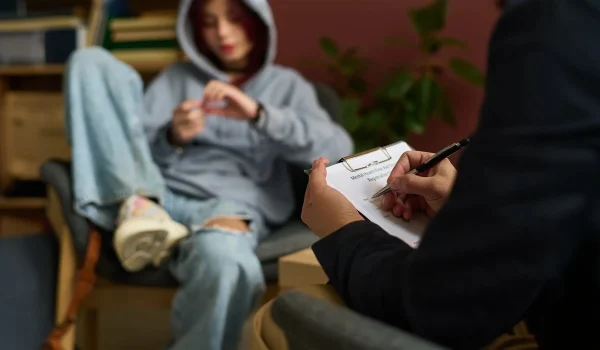
Standard medical models describe what a person feels. Criminal psychology describes why a person acts. This field looks at the person's life history and personality traits. It finds the roots of violent or illegal behavior. According to an article in the National Center for Biotechnology Information, specialists identify characteristics such as a lack of guilt or high levels of impulsiveness, traits which often account for why an individual might repeatedly violate the law. Understanding these patterns helps the court decide on the right sentence or treatment. It provides a map of the person's mind.
Analyzing Intent and Mens Rea
As explained by Learn Forensic Psych, legal proceedings frequently depend on intent, or Mens Rea, which serves to distinguish between individuals who commit crimes with full awareness and intention from those who do not. A detailed analysis of personality disorders helps answer this. If a person cannot understand their actions, the law treats them differently.
History plays a big role here. An expert looks at how the person behaved before and after the crime. If they tried to hide evidence, they likely knew the act was wrong. This specific detail helps the jury understand the person’s state of mind during the offense.
Refining Case Formulation in Legal Psychiatry
A good expert builds a story that the jury can follow. They synthesize medical records with legal requirements. This prevents the court from getting lost in medical jargon. A clear narrative connects the dots between a diagnosis and a crime.
This formulation starts with a clear question from the court. The expert then gathers every piece of data available. They do not just rely on what the examinee says. They build a solid basis of facts.
Incorporating Longitudinal Data and Collateral Information
One interview is never enough in Forensic Mental Health. Experts need school records, police reports, and medical files from years ago. This data shows if a person has a long history of illness or if they are acting. Research published in BMC Psychiatry indicates that childhood trauma or early adversity serves as a significant factor when predicting adult psychopathy, adding context to an adult's mental state. These documents provide a fuller picture that an interview alone cannot provide. They ground the expert's opinion in reality.
Enhancing Risk Prediction within Forensic Mental Health
Predicting the future is difficult but necessary. Courts need to know if a person will hurt someone else if they go free. Experts use evidence-based tools to manage this risk. This moves the field away from simple gut feelings.
The HCR-20 is a common tool for this work. It looks at twenty different factors, including past violence and current stability. The use of a list ensures the expert does not forget important details. This structured approach saves lives.
The Shift Toward Structured Professional Judgment
A study in The British Journal of Psychiatry suggests that specialists now favor structured professional judgment over unassisted intuition, as the research contrasts unaided clinical assessments as being less effective and notes that using structured assessment tools leads to better decision-making. Can forensic mental health evaluations be used in civil cases? According to an article in Frontiers in Psychology, these evaluations occur frequently in civil matters such as child custody disputes, personal injury claims, and competency to sign a will. Whether the case is criminal or civil, the expert must use reliable tools. This consistency builds confidence in the legal system.
Optimizing Courtroom Communication for Expert Witnesses
An expert must be a good teacher. If the jury does not understand the science, the testimony fails. The practitioner must stay authoritative but also human. They need to connect with the people in the jury box.
Eye contact and a calm voice help build trust. The expert should avoid looking like they are arguing with the lawyers. Instead, they should focus on explaining the facts clearly. This presence makes the evidence more persuasive.
Demystifying Complex Medical Jargon for the Jury
Juries struggle with complicated terms from legal psychiatry. An expert should use simple words to explain brain functions or disorders. For example, instead of saying executive dysfunction, they might say the person cannot plan simple daily tasks.
This translation does not mean reducing the quality of the science. It means making the science useful. If the jury understands the why behind a diagnosis, they can make a fairer decision. Clarity is the greatest tool an expert witness possesses.
Addressing the Ethical Gray Areas in Modern Practice
The hired gun label is a common attack in court. It suggests the expert only says what the lawyer wants to hear. To avoid this, practitioners must follow strict ethical rules. They must remain a friend of the court.
Integrity is the only thing an expert truly owns. If they lose it, their career ends. They must report the truth even if it hurts the case of the person who hired them. This honesty keeps the entire system functioning.
Identifying Malingering and Deception
Documentation in the field of forensic psychiatry, as shared via ResearchGate, notes that some individuals feign illness to avoid incarceration, a motivation known as malingering; the same research indicates that specialists use recognized instruments like the SIRS-2 to detect these behaviors. These tests look for symptoms that do not make medical sense.
How do forensic psychiatrists determine if someone is faking? Experts use specialized validity tests and compare an individual’s reported symptoms against known clinical patterns to identify inconsistencies. If a person claims they hear voices every single second, the expert knows that rarely happens in real psychosis. Catching these lies ensures that only those who truly need help receive it.
Elevating the Standard of Justice
When practitioners sharpen their skills in Forensic Mental Health, they protect the innocent and the public. This field requires a rare mix of medical knowledge and legal awareness. It demands a commitment to truth over personal feelings. Through gaining expertise in the intersection of criminal psychology and legal psychiatry, experts provide the clarity that justice requires. Every accurate report and every honest testimony strengthen the law. Ultimately, this work ensures that the human mind is never an excuse to ignore the truth.
Recently Added
Categories
- Arts And Humanities
- Blog
- Business And Management
- Criminology
- Education
- Environment And Conservation
- Farming And Animal Care
- Geopolitics
- Lifestyle And Beauty
- Medicine And Science
- Mental Health
- Nutrition And Diet
- Religion And Spirituality
- Social Care And Health
- Sport And Fitness
- Technology
- Uncategorized
- Videos

