
Does Political Theology Explain Sovereignty?
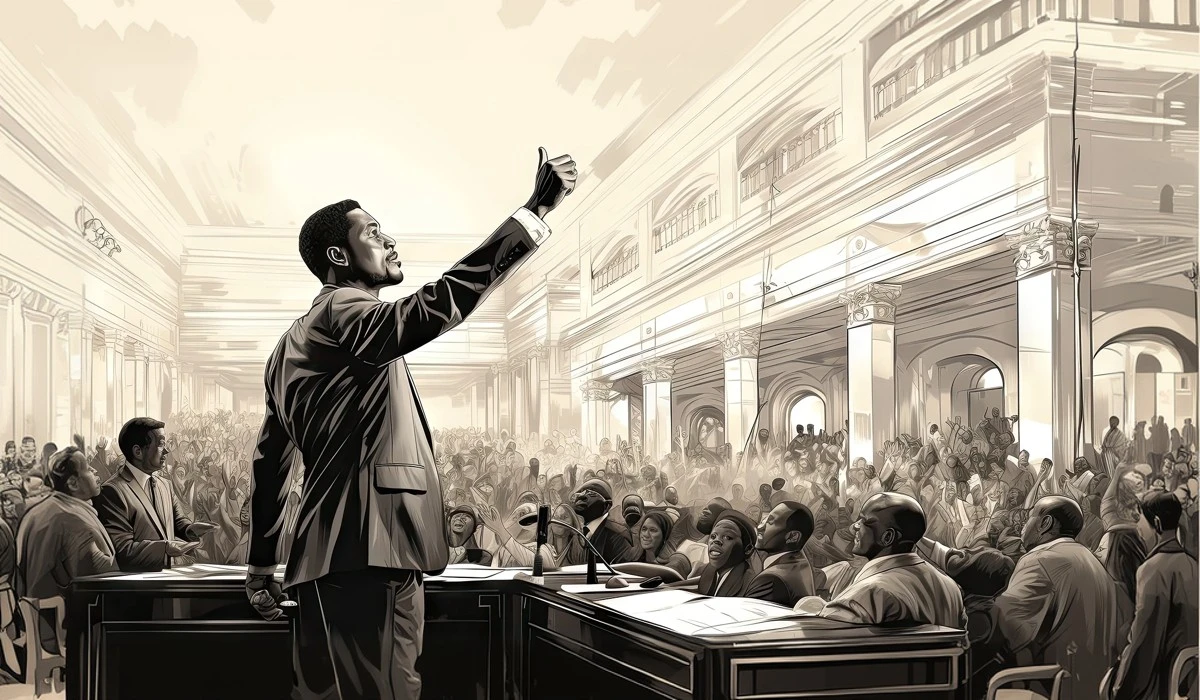
Most people believe their government runs on logic, votes, and spreadsheets. In reality, the modern state behaves like a church in disguise. According to the Legal Information Institute at Cornell Law School, when a president declares a national emergency, they access over 120 specific statutory powers, using a capability that looks exactly like a religious miracle. They step above the law to save the law. This overlap shows how ancient views on God still guide every part of our lives today. We call this study Political Theology. It reveals how our ancestors' views on the divine shaped our current views on presidents, judges, and authority. Examining these connections reveals why modern leaders act with such absolute power.
Demystifying the Foundations of Political Theology
In 1922, a thinker named Carl Schmitt wrote a famous book called Political Theology. He argued that all modern concepts of the state are actually religious ideas that people just renamed. For example, people once viewed God as the ultimate law-giver who could perform miracles by breaking the laws of nature. Today, we view the government as the ultimate authority that can perform legal miracles by suspending the law during a crisis. This shift helps us understand why governments often feel so much like religions.
What is the relationship between religion and politics?
History shows that religious structures provide the foundation for how we design governments and laws. When a society stops believing in a literal god, they often move those feelings of worship and obedience toward the state. This shift keeps the same power structure in place while only changing the name on the door. Schmitt’s work reminds us that we never truly left the age of faith. We just swapped the pulpit for the podium. When we analyze Political Theology, we see that modern politics serves as a new way of expressing very old ideas about who has the right to rule and why we should follow them.
Unpacking the Layers of Divine Sovereignty Concepts
To understand power, we must look at where it supposedly starts. Many cultures believe that power comes from a source that exists beyond human reach. This leads to several different divine sovereignty concepts that still affect how we vote and obey. Some people believe power flows from the top down, while others believe it lives within the community.
Transcendent versus Immanent Authority
Some systems view the ruler as a person who represents a god living far away in heaven. This is called transcendent authority. In this model, the ruler does not answer to the people because their boss is not on Earth. This idea shaped many kings in Europe who claimed they only answered to the divine. Other systems believe the divine presence lives inside the state or the people themselves. This is called immanent authority. In these cases, the government itself becomes a holy object. This belief often makes people feel that the state can do no wrong because it represents the highest possible good within the world.
The Law-Giver and the Law-Breaker
A major part of divine sovereignty concepts involves the exception. As noted by the Internet Encyclopedia of Philosophy, William of Ockham promoted a divine command theory in the 14th century, arguing that God’s will takes precedence over human reason. He believed God could make any law and change it at any time. The Internet Encyclopedia of Philosophy confirms that thinkers like Jean Bodin connected sovereignty to supreme lawmaking power, even though the direct historical transmission of Ockham's specific ideas into Bodin's politics remains unverified.
The same encyclopedia details that Bodin defined sovereignty as an indivisible, supreme power concentrated in a single ruler or group, exercising authority over an entire commonwealth. Furthermore, the source explains his argument that a sovereign possesses the primary right to legislate for subjects without their consent, remaining completely free from the binding force of those very rules. Just as a god can pause the laws of physics, a sovereign can pause the laws of the land. We see this today when leaders use executive orders to bypass the usual legislative process.
The Practical Side of Theocratic Statecraft
When we talk about theocratic statecraft, we are looking at how a government actually functions when it uses religious authority. Many modern nations actively use these methods to keep order and ensure that citizens stay loyal to the regime. It turns the act of governing into a sacred duty.
What are the characteristics of a theocratic state?
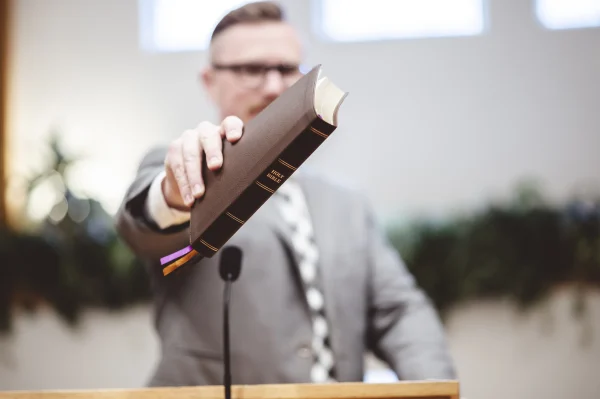
These states blend religious law with government rules to create a single source of power that people cannot easily question. This blending makes any political disagreement look like a sin against the divine order. In 1541, John Calvin set up a system in Geneva called the Consistory. This was a church court that could punish people for civil crimes. It mixed the roles of the priest and the policeman. This type of theocratic statecraft ensures that the state controls both the bodies and the souls of its citizens. The goal is total unity through shared belief and strict enforcement.
Tracing the Evolution of Political Theology in Law
As history moved forward, the names of our rulers changed, but the way they held power stayed the same. We moved from kings to constitutions, yet the feeling of authority remained. Political Theology helps us track this progression from the crown to the ballot box. It shows that we still treat our founding documents like holy scriptures.
From Crown to Constitution
During the Middle Ages, lawyers developed a theory called The King's Two Bodies. They believed the king had a physical body that could die and a body politic that lived forever. This ensured the state stayed stable even when a ruler passed away. An article in The Hedgehog Review notes that the well-known phrase The king is dead, long live the king! relies on this theological logic, asserting that the monarch's secondary body absorbs the body politic as a whole. Today, we have moved this immortality to the state itself. The individual leaders change every few years, but the office remains sacred. We treat the Constitution as an unchanging, perfect text that judges must interpret, much like priests interpret the Bible. This keeps the structure of absolute authority alive today.
Secularization as a Mask
Many people claim that modern states are secular and have no room for religion. However, Political Theology suggests that secularization is just a mask. We still use sacred values that no one is allowed to challenge. If you question the value of democracy or freedom in some countries, people react with the same anger as someone defending a deity. Ironically, secular states often require more faith than religious ones. They ask us to believe in unseen concepts like humanity or the nation. These concepts replace the old gods but fulfill the same role. They give us a reason to fight, a reason to pay taxes, and a reason to obey the law without asking too many questions.
The Tension Between Secular Law and Divine Sovereignty Concepts
Conflict arises when human laws clash with what people believe are divine commands. This tension creates a battle between different divine sovereignty concepts. One side argues that the law of the land is final. The other side argues that a higher law exists that humans must follow instead.
The Prophet vs. The Politician
According to Britannica, the story of Antigone provides a classic example of this clash, as she willingly faced capital punishment decreed by her uncle, King Creon, because she chose to bury her brother in obedience to what she believed the gods required. This is the ultimate challenge to the state. If people believe they answer to a higher power, the state loses its absolute control. Throughout history, groups have used this logic to fight against governments. As highlighted by Britannica, the Confessing Church in Germany held a synod in May 1934 to sign the Barmen Declaration, a move that organized their resistance against Nazi efforts to control the churches. This shows that Political Theology can be a tool for resistance as much as a tool for control.
Operationalizing Authority through Theocratic Statecraft
Modern nations use specific tools to make their power feel ultimate. They create rituals that make the citizen feel like a member of a holy community. This is a subtle form of theocratic statecraft that operates even in countries that claim to separate church and state.
Does divine sovereignty conflict with human rights?
Conflicts occur when people place religious rules above individual freedoms, though many rights originally came from religious beliefs about human value. Many legal scholars argue that the idea of human dignity is actually a theological concept that we moved into secular law to protect people. We see this in the United States with the phrase Under God in the Pledge of Allegiance. Added in 1954, this phrase served a specific purpose in theocratic statecraft. It marked the nation as different from godless enemies. Even today, national anthems and monuments function as a political liturgy that binds the people to the state through emotion and ritual.
Why Political Theology Remains Indispensable Today
We cannot ignore these patterns if we want to understand the modern world. Political Theology explains why certain political movements feel like crusades. It helps us see the religious roots of our modern debates over immigration, justice, and leadership. Without this lens, we only see the surface of the problem.
Navigating a Multi-Faith Global Order
Recognizing these concepts helps diplomats and leaders work together. When two nations have different ideas about where authority comes from, they will constantly struggle to agree on laws. Studying Political Theology allows us to identify the core beliefs that direct national behavior. This leads to better communication and fewer misunderstandings between different cultures.
The Future of Sovereignty
As society becomes more digital, new forms of power are emerging. Some people believe that Artificial Intelligence or decentralized networks like the blockchain will become the new sovereigns. These technologies often feel opaque and all-powerful, much like a concealed god. If we do not apply the lessons of Political Theology to these new tools, we might accidentally build new systems of absolute rule that we cannot control.
Grasping the Elements of Political Theology
Exploring this field gives you the ability to see the spirit behind the law. You realize that power is never just about force; it is about belief. When you recognize how divine sovereignty concepts and theocratic statecraft function together, you can decode the actions of any government. You see that leaders often use the language of the sacred to justify their most human decisions. In the end, Political Theology reminds us that humans are deeply ritualistic creatures. We crave order and authority that feels bigger than ourselves. Whether we find that in a temple or a Capitol building, the structure of our devotion remains the same. Comprehending this knowledge allows you to navigate the 21st century with a clear view of the true nature of power.
Recently Added
Categories
- Arts And Humanities
- Blog
- Business And Management
- Criminology
- Education
- Environment And Conservation
- Farming And Animal Care
- Geopolitics
- Lifestyle And Beauty
- Medicine And Science
- Mental Health
- Nutrition And Diet
- Religion And Spirituality
- Social Care And Health
- Sport And Fitness
- Technology
- Uncategorized
- Videos

