
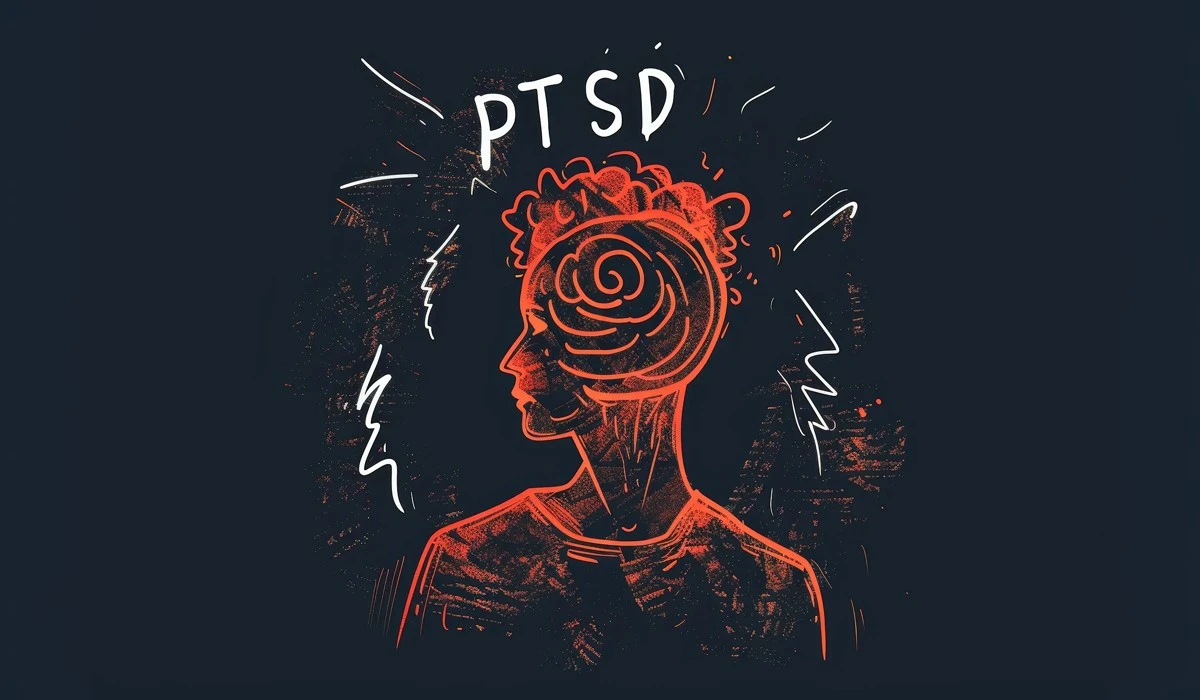
Erase PTSD Stress Fast With Recreational Therapy
When your brain survives severe trauma, it permanently alters how your body processes safety. The amygdala functions as an aggressive alarm system, misinterpreting mundane sensory details like dropping a coffee mug or hearing a car door slam. This false alarm instantly fires signals through the vagus nerve, forcing your body into a full-scale panic response. While some believe talk therapy forces you to sit still and rationalize these intense physical reactions, leaving you trapped with surging adrenaline and no physical release, the National Institute of Mental Health explains that psychotherapy actually helps individuals identify stressors and manage symptoms safely through gradual exposure, suggesting the former view is an overstatement.
Since World War I, dedicated clinical professionals have utilized a different approach for traumatized soldiers. According to the American Therapeutic Recreation Association, Recreational Therapy is defined as a systematic process that utilizes recreation and other activity-based interventions to bypass the cognitive blockade by addressing the nervous system directly. Engaging the body through deliberate movement allows patients to actively rewire their neurological threat responses. This method relies heavily on targeted therapeutic leisure activities and highly structured adaptive sports programs.
Understanding the Science of Recreational Therapy for Trauma
According to the Department of Veterans Affairs, PTSD affects critical parts of the brain, including the amygdala, prefrontal cortex, and hippocampus. The brain traps the mind in a state of chronic hypervigilance, keeping the amygdala hyperactive and constantly scanning the immediate environment for incoming threats. Research published by the VA's National Center for PTSD notes that abnormal functional connectivity exists in traumatized brains, where the amygdala relays the significance of threat cues to the prefrontal cortex. This severe neurological imbalance causes the body to store traumatic memories as chronic muscle tension and immense autonomic dysregulation.
Patients find themselves physically exhausted from carrying this defensive posture every single day. Routine cognitive discussions often fail to resolve this firmly stored physical tension. Active, body-based interventions force the nervous system to process and release the physiological stress. Professionals utilize structured movement to reconnect the patient's physical sensations with a deep sense of safety, ultimately breaking the rigid physical armor created by prolonged, intense fear.
Breaking the Cycle of Hyperarousal
Structured physical movement directly interrupts exhausting fight-or-flight loops by powerfully activating the body's interoceptive system. Targeted physical movements stimulate the vagus nerve, rapidly decreasing the specific brain activity associated with intrusive trauma scripts. This stimulation quickly reduces physiological hyperarousal and actively calms racing heart rates.
When mapping out a treatment plan, many patients wonder about specific interventions. What is an example of recreational therapy for PTSD? It often involves guided activities like rock climbing, kayaking, or pottery that safely challenge the nervous system. These methods help patients process complicated emotions while remaining grounded in the present moment. Managing a kayak through moving water demands absolute physical attention, forcing the brain to abandon past traumatic memories and focus strictly on the immediate sensory environment. The patient safely discharges trapped adrenaline through powerful paddle strokes, regaining immediate physical control over their body.
Identifying Common PTSD Stressors Addressed in Recreational Therapy
Severe sensory overload frequently forces trauma survivors into terrifying panic attacks and highly restrictive avoidant behaviors. Loud noises, sudden erratic movements, or densely crowded spaces overwhelm the central nervous system instantly. A Certified Therapeutic Recreation Specialist deliberately constructs a highly controlled physical environment to facilitate gradual, safe exposure. The professional might use a quiet aquatic therapy pool or a closely monitored outdoor eco-therapy session to introduce minor sensory stressors. This precise, graded exposure forces the central nervous system to safely process environmental input without launching a debilitating dissociative state. The water provides deep pressure stimulation, naturally regulating the nervous system while the patient practices tolerating unpredictable splashes or unexpected sounds. Successfully handling these controlled sensory stressors helps patients build essential physical tolerance. This newfound tolerance allows them to eventually navigate noisy grocery stores or busy city sidewalks without experiencing a massive physiological panic response.
Emotional and Interpersonal Stressors
Deep feelings of painful isolation, severe emotional vulnerability, and a sudden loss of control act as massive interpersonal stressors. Combat veterans returning with traumatic brain injuries face severe social disconnection at a staggering rate of 83%. Furthermore, half of all veterans diagnosed with clinical PTSD report experiencing similar immense isolation. Unstructured social interactions easily overwhelm these traumatized individuals, making them feel instantly unsafe and highly defensive.
Structured group activities establish immediate, highly predictable physical and psychological boundaries. Participants engage in authentic human contact and slowly rebuild a sense of safety around strangers without facing the immense pressure of direct emotional confrontation. Following the strict, predictable rules of a group game provides a remarkably safe container for interaction. Participants learn to genuinely trust their teammates, which actively repairs their severely damaged ability to form secure attachments in normal, everyday social environments.
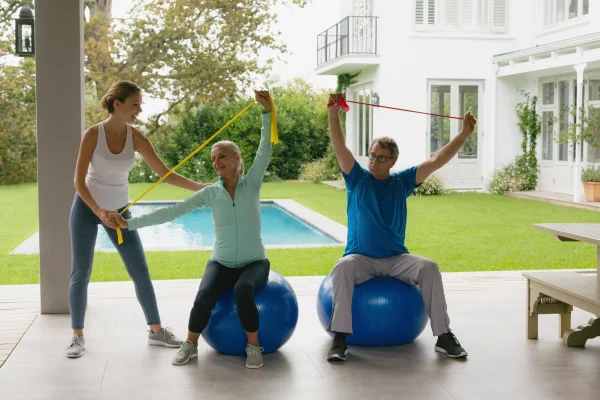
The Role of therapeutic leisure activities in Grounding
Low-impact therapeutic leisure activities quickly anchor the autonomic nervous system firmly in the present moment by delivering immediate, highly tangible sensory input. A report in Medical Science tracked veterans participating in structured therapeutic horticulture programs to assess physiological changes. The study noted that the participants grew edible plants and carefully managed seeds over a highly structured twenty-eight-day intervention.
The researchers reported a 12% decrease in salivary cortisol levels following the program, though they mentioned statistical significance for this measurement was not established. This specific type of mindful play physically redirects a person's focused attention away from intrusive trauma memories and obsessive mental rumination. Digging bare hands into fresh potting soil provides strong grounding sensations that demand immediate, sustained focus. The traumatized brain stops constantly scanning the horizon for imaginary threats and fully engages with the physical task. These gentle, focused hobbies act as powerful anchors, pulling the mind safely into the reality of the present moment.
Building Safe Spaces Outside the Clinic
Transferring clinical coping skills into everyday real-world environments strictly ensures successful long-term nervous system regulation. Patients often want to know what to expect regarding long-term outcomes and recovery timelines. Can recreational therapy cure PTSD? Recreational therapy serves as a powerful, highly effective management tool that significantly reduces symptom intensity when deliberately paired with traditional psychological care. It provides practical, body-based coping strategies to successfully manage trauma stressors in normal everyday settings.
Intentionally cultivating hobbies like detailed digital art creation or focused nature-based recreation allows patients to carefully construct functional, self-directed safe spaces. These personalized spaces promote sustained, highly effective emotional grounding independently of their medical provider. Practicing these vital skills at home allows the individual to actively disrupt a trauma stressor before it severely escalates into a full panic attack. These highly accessible hobbies quickly replace incredibly destructive coping habits, ensuring immediate safety.
How adaptive sports programs Build Resilience and Trust
Trauma frequently alienates vulnerable individuals from their own bodies, making them feel physically weak and perpetually unsafe. Clinical professionals specifically engineer intensive adaptive sports programs to rigorously rebuild vital physical ownership and deep core strength. Researchers from San Diego State University carefully tracked veterans during a grueling seven-day adaptive surfing program.
The official data revealed a massive 44% drop in documented depression markers and a staggering 38% reduction in clinical PTSD symptoms immediately following the main event. Wearable biometric technology successfully recorded a statistically significant decrease in Heart Rate Variability during these highly physical interventions. This specific decrease heavily indicates an active, highly effective recalibration of the body's internal stress response system. Powerfully paddling against crashing ocean waves rapidly forces the individual to reclaim their physical agency, burning off excess cortisol and ultimately replacing feelings of extreme helplessness with undeniable physical strength.
Team Dynamics and Social Reintegration
Fast-paced, group-based adaptive sports effectively force incredibly clear communication and highly vital shared physical reliance among all active participants. Challenging activities like intense wheelchair rugby, focused seated archery, or fast synchronized rowing demand absolute, unwavering cooperation to successfully achieve a unified common goal. According to VA Research Currents, taking part in outdoor group activities like snowboarding, hiking, or camping can prove beneficial for Veterans with mental health problems.
Supporting this, recent clinical data shows that 80% of military participants in adaptive training camps strongly credit these intensive group programs with a highly positive effect on their personal rehabilitation path. The publication also suggests that 92% officially report a remarkably strong readiness to continue independently participating in formatted sports events after the camp officially ends. This shared, highly demanding physical challenge actively reconstructs shattered trust and powerfully combats the incredibly severe isolation deeply linked to psychological trauma. The dedicated athletes deliberately learn to rely completely on their teammates for immediate physical safety, which directly translates to feeling significantly safer around everyday civilians.
Core Techniques Used in PTSD-Focused Recreational Therapy
Dedicated therapists deliberately apply the highly natural, extremely manageable stressors of challenging outdoor recreation to perfectly mimic severe trauma responses. A study published in PubMed found that time spent outdoors directly correlates with decreased PTSD symptomology, noting that more time spent outdoors on a given day resulted in a greater reduction of symptoms the subsequent day. This specialized process successfully facilitates highly effective, intense in-vivo exposure therapy completely outside the sterile clinic walls.
Actively learning a high-stakes recreational skill—like carefully navigating a steep rock climbing wall—forces the traumatized brain to extensively practice vital solution-based coping strategies. The intimidating physical height and the highly restrictive safety harness naturally elevate the patient's resting heart rate, incredibly closely mimicking a genuine, terrifying panic attack. The skilled therapist actively guides the patient to purposefully breathe through the intense fear and carefully execute the next difficult climbing move. This highly deliberate physical action completely distracts from the heavy stigma of clinical psychiatric treatment while actively extinguishing restrictive avoidant behaviors. Therapists also successfully utilize Virtual Reality Exposure Therapy to safely expose patients to intense stressors.

Somatic Experiencing in Motion
Dr. Peter Levine successfully developed Somatic Experiencing to actively help traumatized individuals safely release heavily trapped autonomic energy. This specialized clinical technique focuses incredibly heavily on pendulation, a highly controlled process where a patient purposefully shifts their direct awareness between positive, deeply healing states and highly tolerable doses of severe trauma-related stress.
A highly engaging therapeutic recreation setting heavily and naturally induces this exact precise pendulation cycle. The incredibly intense physical exertion of a fast adaptive sport safely drives up resting heart rates and creates highly deliberate muscle tension, perfectly mimicking a terrifying panic state. The subsequent calming physical cool-down and highly immediate positive peer support actively allow the physical body to effectively discharge that heavily trapped autonomic energy completely safely. The observing therapist verbally guides the recovering patient to closely notice these rapidly shifting physical sensations constantly throughout the entire engaging activity.
Designing a Personalized Recreational Therapy Plan
Proper, highly effective clinical care firmly begins with the heavily standardized assessment, detailed planning, strict implementation, rigorous evaluation, and precise documentation process. A highly trained Certified Therapeutic Recreation Specialist actively conducts incredibly rigorous baseline evaluations using firmly verified psychometric instruments.
The dedicated therapist frequently uses the comprehensive PTSD Checklist for DSM-5 or highly specific leisure competence measures during the detailed initial consultation. This incredibly careful, highly methodical evaluation strictly identifies restrictive physical limitations, perfectly maps out highly unique physiological stressors, and firmly establishes vital target restorative goals before any intense physical activity actually occurs. The observing professional actively notes exactly which specific sensory inputs deeply provoke a massive trauma response to successfully avoid accidental re-traumatization during the active physical sessions. The dedicated therapist then skillfully designs a highly custom protocol, heavily tailoring the intense physical activities entirely to the individual patient's current physical stamina and complicated psychological tolerance.
Setting Achievable Milestones
Structured treatment plans rely entirely on firmly establishing vital micro-goals to successfully prevent massive sensory overwhelm and sequentially build strong self-efficacy. Navigating the confusing logistics of officially starting treatment can feel incredibly overwhelming, especially when deeply looking at the confusing financial aspects.
Does insurance cover recreational therapy? Many major health insurance plans effectively cover these vital clinical services when a medical doctor officially prescribes them and a highly certified therapeutic recreation specialist directly administers the rigorous physical treatment. Structuring detailed care around highly specific, formally documented billing coding strictly ensures the vital progression remains completely verifiable and highly trackable. The dedicated therapist safely guides the traumatized patient from executing basic mobility tasks to achieving full, highly successful community reintegration over several intensive months. Achieving incredibly small milestones, like successfully managing deep breathing during a short ten-minute quiet nature walk, builds absolutely essential mental confidence.
Measuring Long-Term Success Beyond the Playing Field
Highly trained clinical professionals actively track ongoing success in this structured framework by focusing heavily on strictly verifiable reductions in severe negative mood states to define true clinical success. Extensive post-intervention data from highly structured adaptive sports programs clearly show highly strong, significant psychological improvements. Dedicated participants successfully maintained a massive 30% reduction in severe general anxiety thirty full days after returning home from the intensive physical intervention.
Precise, highly advanced physiological tracking frequently highlights massively improved sex-specific restorative deep sleep and vital REM sleep cycles following sustained active participation. This undeniable scientific data proves that the damaged nervous system actively recovers and successfully regulates itself during quiet rest. The recovering patient joyfully experiences far fewer sudden terrifying panic attacks, actively enjoys much longer uninterrupted periods of restorative sleep, and successfully recovers significantly faster following unavoidable intense daily stressor exposure.
Sustaining Progress Independently
The absolute ultimate clinical objective of any intensive therapeutic intervention heavily focuses on successfully achieving completely autonomous, highly effective symptom management. Detailed post-program surveys strongly indicate that 48% of active participants definitely plan to constantly pursue their newly acquired adaptive sports strictly to heavily maintain their vigorous physical health. They actively use these highly engaging physical activities to successfully manage their baseline psychological trauma symptoms completely independently without constantly relying on a clinical therapist.
Actively transferring advanced clinical methodologies into highly mundane daily habits allows recovering individuals to permanently secure lifelong, incredibly accessible tools to immediately combat sudden terrifying stressor exposure. A disciplined person who actively learns to firmly regulate their rapid breathing while rock climbing effectively uses that exact same calming technique while sitting completely still in a highly stressful traffic jam. This newfound total independence actively shatters the heavy reliance on constant medical supervision.
Reclaiming Your Life with Recreational Therapy
Overcoming the incredibly severe neurological grip of intense daily trauma stressors absolutely requires deep physical physiological recalibration and highly dedicated, intense physical action. Successfully integrating incredibly rigorous, heavily body-based physical interventions into daily recovery helps individuals successfully and systematically disarm the brain's extremely hyperactive physical threat responses.
Recreational Therapy provides an incredibly actionable, highly effective physical connection for surviving severe mental trauma and joyfully, highly actively engaging with the outside world again. These incredibly vital methods powerfully utilize completely joyful, highly structured physical movement to actively make the incredibly heavy psychological burden significantly lighter every single day. Blending deeply traditional clinical psychology with highly engaging therapeutic leisure activities and intense adaptive sports programs completely generates absolutely unmatched, incredible physical resilience. Actively reach out to a Certified Therapeutic Recreation Specialist to deliberately develop a highly precise, heavily data-driven clinical treatment plan today.
Recently Added
Categories
- Arts And Humanities
- Blog
- Business And Management
- Criminology
- Education
- Environment And Conservation
- Farming And Animal Care
- Geopolitics
- Lifestyle And Beauty
- Medicine And Science
- Mental Health
- Nutrition And Diet
- Religion And Spirituality
- Social Care And Health
- Sport And Fitness
- Technology
- Uncategorized
- Videos

