
Wales Greyhound Racing Ban: Senedd Vote Explained
When a multi-million-pound sporting sector collapses overnight, the fatal blow rarely comes from animal welfare campaigns alone. Instead, it arrives quietly tucked inside a routine budget negotiation.
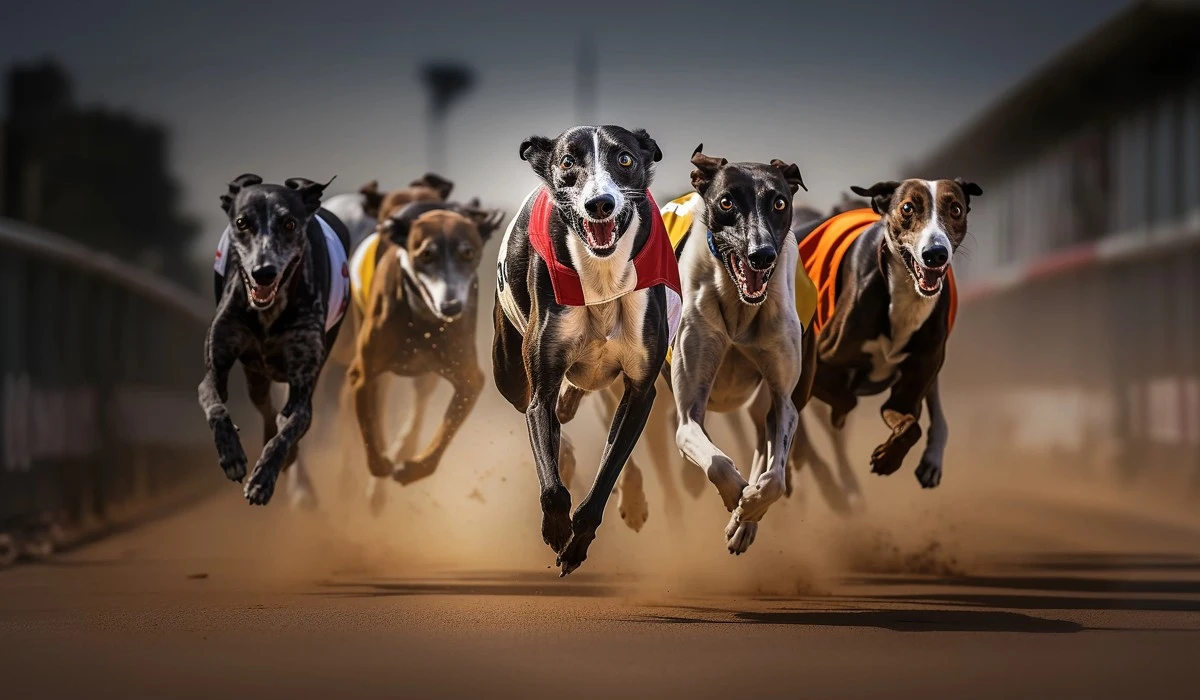
On Tuesday, March 17, 2026, the Senedd effectively ended an 80-year-old tradition. According to ITV News, politicians passed the Wales greyhound racing ban with 39 approvals, 10 rejections, and two abstentions. The mandate forces the closure of Valley Greyhounds in Ystrad Mynach, Caerphilly, wiping the final Welsh track off the map. Enforcement rolls out through a rigid window between April 2027 and April 2030.
Lawmakers publicly praise the decision as a massive leap forward for canine safety. Yet internal documents reveal civil servants actively advised against this exact legislation. As reported by SIS Racing, these government advisors warned that the evidence for a total shutdown fell incredibly short, lacking a comprehensive review of welfare standards, and suggested that licensing owners and trainers offered a better balance of welfare gains. The push succeeded anyway. A calculated political exchange transformed a local petition into a strict legal mandate. The Wales greyhound racing ban now positions the nation alongside progressive global neighbors while leaving glaring regulatory loopholes completely open.
The Budget Deal Securing the Wales Greyhound Racing Ban
Moral victories in politics routinely require someone trading financial advantages behind closed doors.
The overwhelming Senedd vote suggests unified ethical outrage against animal suffering across all political lines. In reality, the Wales greyhound racing ban passed specifically because the Liberal Democrats used it as a heavy bargaining chip. They used the ban during critical budget negotiations with the Labour government.
Lib Dem MS Jane Dodds argued fiercely that turning predictable animal suffering into athletic entertainment remains entirely unjustifiable. She dismissed the financial gains of the gambling sector as an invalid excuse for ongoing cruelty. Ironically, Dodds currently owns a greyhound herself, adding a deeply personal contradiction to her vocal advocacy.
Her political maneuvering successfully bypassed severe internal governmental hesitation. The Cut the Chase Coalition supported her stance, noting that the new laws rightly penalize a deeply outdated form of amusement. They emphasized that track casualties remain completely avoidable. Still, the legislative victory stems directly from a calculated political exchange rather than a spontaneous shift in parliamentary consciousness.
A Consultation Plagued by Internal Contradictions
Government mandates frequently cite overwhelming public data to justify sweeping action, even when their own researchers flag the numbers as totally unreliable.
A 35,000-signature public petition initiated by Hope Rescue served as the primary cause for the legislation. Public support seemed massive. However, the Senedd Culture Committee quickly exposed deep flaws in the consultation process. The committee found that the government relied heavily on headline data strictly from 2023. They identified a highly vulnerable, self-selecting methodology bloated with duplicated responses.
Internal civil servants actively urged officials to avoid an outright ban. In a 23-page memo submitted in February 2025, these advisors presented four distinct regulatory tiers. They heavily favored Option 3, which proposed tightly licensing owners and trainers. They explicitly warned that an abrupt ban lacked a sufficient evidentiary basis and posed severe economic risks to the local rescue sector.
Deputy First Minister Huw Irranca-Davies publicly claimed strong evidence backed the legislation. Internal memos directly contradicted this bold claim. The Greyhound Board of Great Britain (GBGB) pointed to these exact documents as absolute proof of inadequate diligence.
The Brutal Reality of Track Casualties
Stadium lights illuminate the finish line while completely obscuring the statistical certainty of canine fatalities waiting just beyond the dirt.
According to Holyrood, the push to shut down the Valley Greyhounds facility relied heavily on staggering UK-wide mortality figures. The publication notes that between 2017 and 2024, the racing industry recorded 3,957 canine deaths and 35,168 severe injuries across GBGB tracks. Is greyhound racing legal in the UK? Yes, the sport remains fully legal across England. Wales and Scotland simply used local authority to eliminate their specific active tracks. The League Against Cruel Sports representative, Jamie Adair, highlighted that casualty figures remain deeply appalling. He noted that suffering extends far beyond the visible stadium boundaries.
Research published in PubMed shows that competitive running places immense physical stress on the animals, recording an incidence of 19.2 injuries and 1.3 track fatalities per 1,000 race starts out of 213,630 total runs. Track officials recorded 318 positive drug tests between 2016 and 2022. Handlers frequently utilized morphine to mask severe joint and muscle pain. Inspectors even detected raw cocaine usage among the racing hounds. RSPCA CEO Jo Rowland stated that entertainment-based suffering remains entirely intolerable. The physical toll on the animals created an unignorable case for charities demanding a full cessation of track activities.
Off-Track Horrors and Massive Overproduction
The supply chain of a competitive sport functions effectively only when it treats its core athletes as disposable inventory.
The daily existence of a racing hound contrasts sharply with the brief moments spent chasing a mechanical lure. A UK Parliament Research Briefing outlines that handlers enforce widespread, long-term muzzle usage to prevent fighting and confine the dogs in small kennels—often sharing space—for up to 23 hours every single day. Furthermore, breeders produce an estimated ten times the number of hounds relative to actual registration figures. This massive overproduction guarantees a permanent surplus of unwanted dogs.
A major Sunday Times probe exposed the terminal fate of thousands of these surplus hounds. Investigators found that industry operators executed over 10,000 dogs using a captive bolt gun before burying them in mass graves. Why are greyhounds killed after racing? Breeders and handlers routinely execute dogs that fail to qualify or sustain career-ending injuries. They view these animals as unprofitable financial liabilities rather than pets. Blue Cross CEO Chris Burghes stressed that the industry never materialized its legally required safety enhancements. He declared that even a single canine fatality remains entirely unacceptable.
The Geographical Shift in UK Racing
Banning a highly profitable practice in one specific jurisdiction often acts as a relocation strategy rather than a permanent termination.
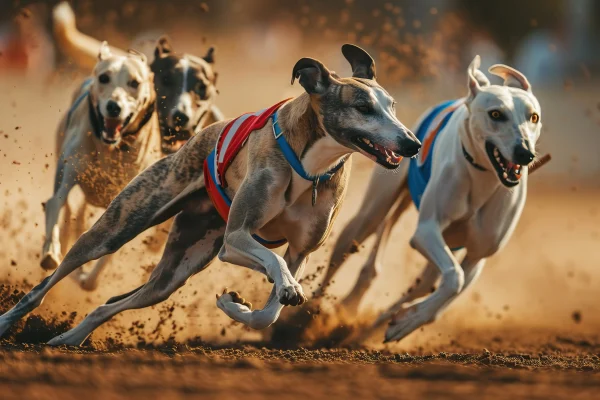
The UK stadium count dropped drastically from 77 down to just 19 over an 80-year span. This sharp industry decline reflects changing public attitudes and aggressive pressure from welfare groups. Scotland closed its final active track during the previous calendar year. The new legislation leaves the Valley Greyhounds facility facing inevitable closure.
Politicians frame the Wales greyhound racing ban as a definitive end to the sport. Plaid Cymru MS Llyr Gruffydd pointed out a glaring loophole in this optimistic narrative. Local breeding and preparation activities remain entirely legal under the new statutes. Can you still breed racing dogs in Wales? Yes, the new legislation strictly prohibits the competitive events themselves. As noted by Holyrood, handlers remain completely free to breed and prepare hounds locally, a loophole that also allows Scottish-based trainers to continue racing greyhounds in England where there are no plans to ban the practice. The RSPCA and multiple rescue charities are now demanding immediate English compliance to permanently close this cross-border escape route.
Animal Welfare Charities Claim a Historic Victory
A decades-long campaign achieves sudden success the moment public outrage perfectly aligns with legislative convenience.
Multiple rescue organizations celebrated the Senedd vote as a monumental milestone regarding canine wellbeing. Dogs Trust Chief Owen Sharp praised the result as a historic leap forward for animal rights. Greyhound Rescue Wales CEO Claire James noted that a quarter-century of relentless campaigning finally yielded a major decision. She described the elimination of the repugnant practice as a long-overdue victory for the nation.
Hope Rescue CEO Vanessa Waddon witnessed catastrophic track injuries firsthand. She credited strategic cross-party cooperation for delivering the final welfare win. The initial petition generated through Hope Rescue acted as the primary driver for the governmental shift.
While the Senedd Culture Committee strongly criticized the heavy reliance on vulnerable data, the combined force of these charities overwhelmed industry defenses. They forced the government to act decisively. Charities now stand fully prepared regarding the massive rehabilitation and rehoming efforts required for the remaining track animals.
The High Court Challenge Threatening the Timeline
Local legislative actions instantly reshape the international legal standards governing animal athletics.
The enforcement of the Senedd vote aligns Wales's ethical standards with several progressive nations. The ban matches similar aggressive moves enacted in New Zealand, Italy, Argentina, and multiple regions across the United States. Deputy First Minister Huw Irranca-Davies stated that the nation remains highly forward-thinking regarding ethical standards. He argued the decisive vote actively strengthens the international reputation of Wales regarding strict animal protections.
The Greyhound Board of Great Britain vehemently rejects this optimistic outlook. The GBGB spokesperson accused the administration of rushing flawed statutes despite ongoing judicial scrutiny. They maintain that implementing proper licensing offered a far superior welfare solution compared to an outright ban.
GBGB labeled the legislation deeply dodgy and quickly initiated a High Court judicial review to challenge the administrative process. Civil servants shared this exact sentiment early on, warning ministers of an elevated litigation threat. Despite these high-level warnings and active court challenges, the proposed statutes remain on track. The government insists the timeline remains logical, proportional, and fully executable.
The Legacy of the Wales Greyhound Racing Ban
The historic vote on March 17, 2026, guarantees the total elimination of commercial hound tracks across Welsh territory. The Wales greyhound racing ban permanently fractures an 80-year-old industry, shutting down Valley Greyhounds and ending the controversial spectacle of competitive canine sprints.
The decision forces the general public to finally confront the severe mortality rates, the chemical masking of injuries, and the mass graves exposed by investigative journalism. At the same time, the glaring loopholes permitting continued breeding and preparation expose the severe limits of localized legislation.
Enterprising handlers will simply transport their dogs eastward, legally bypassing the strict moral boundaries established by the Senedd. The law effectively changes the physical location of the starting line while leaving the broader, deeply flawed industry entirely functional just a few miles across the English border.
Recently Added
Categories
- Arts And Humanities
- Blog
- Business And Management
- Criminology
- Education
- Environment And Conservation
- Farming And Animal Care
- Geopolitics
- Lifestyle And Beauty
- Medicine And Science
- Mental Health
- Nutrition And Diet
- Religion And Spirituality
- Social Care And Health
- Sport And Fitness
- Technology
- Uncategorized
- Videos

