
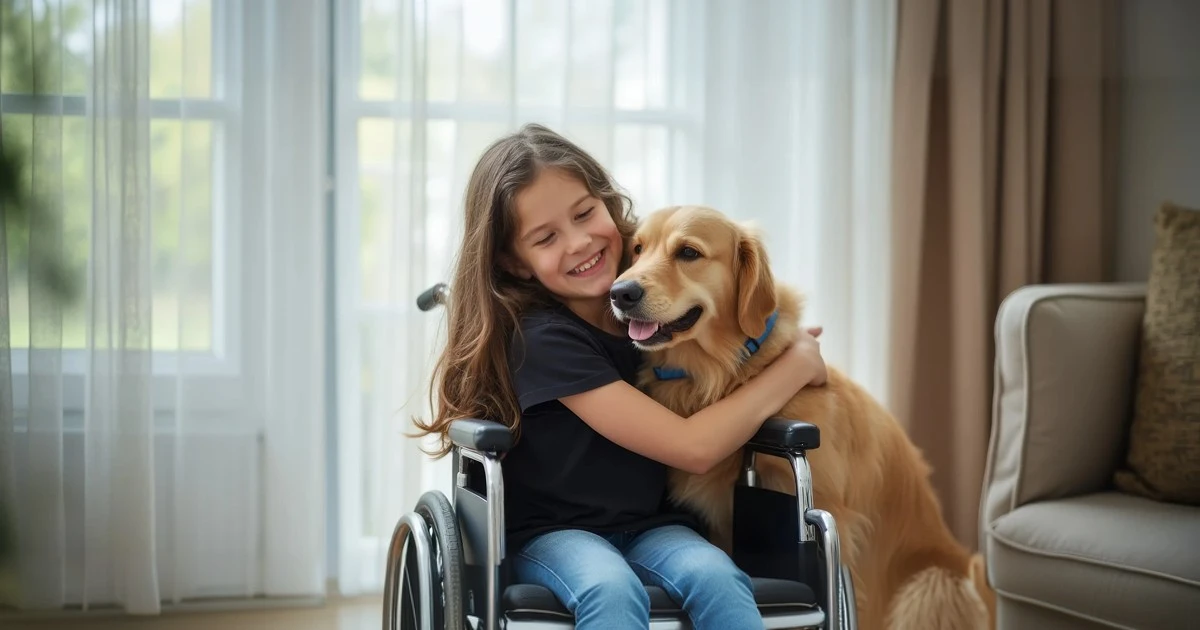
Mental Health Support Dogs Gain Ground on Campus
According to the American Veterinary Society of Animal Behavior, the first three months of life present the best window for early social adaptation, which is why administrators spend four exhausting years mapping out student allergies and legal liabilities just to drop a nine-week-old puppy into a crowded hallway. The cure for modern teenage anxiety relies heavily on exposing a young animal to school chaos before it forms permanent fears. Professionals currently face overflowing caseloads. Counselors consistently hit their maximum capacity. As noted in peer-reviewed clinical summaries, short-term, unstructured contact with therapy animals quickly lowers self-reported distress, meaning introducing a mental health support dog bypasses traditional therapy scheduling entirely. The research also indicates that a canine presence directly targets dysregulated nervous systems without requiring a formal appointment.
This living, breathing intervention tactic alters how students process severe stress from digital technology and pandemic fallout. Students who previously suffered from intense dog phobias now actively seek out the animal for comfort. The canine lowers the overall emotional temperature of the building simply through its presence. Giving young people a physical, non-judgmental outlet changes the entire environment of adolescent education.
The Preparation Behind a Mental Health Support Dog
Bringing a canine into a chaotic educational setting demands a flawless logistical timeline to prevent an immediate panic. Planners spent four years rigorously clearing allergy and phobia concerns with parents. Administrators refused to leave any legal or medical liabilities unaddressed. This extensive preparation phase ensured zero surprises when the animal finally arrived on campus. Amanda Cook points out that introducing a nine-week-old puppy works far better than integrating an older dog. An older animal often carries existing trauma or ingrained fears. The younger puppy easily accepts the slamming lockers and ringing bells as its natural habitat.
John McHenry notes that modern teenagers carry immense pressure into the classroom every single morning. He identifies the lingering effects of the global pandemic and the relentless demand of mobile phones as primary causes for youth distress. Teenagers constantly compare themselves to digital standards, creating severe psychological strain. Bringing a mental health support dog to school directly addresses these modern stressors. The animal provides immediate student anxiety reduction without requiring a formal counseling session. Professional therapy services operate at maximum capacity across the educational sector.
Early Intervention and Behavioral Shifts
Amanda Cook views the dog as an essential early intervention tool for struggling students. The initial one-week campus tenure proved highly successful. Cook admitted to feeling initial day nerves despite the strict planning. However, the puppy delivered a spectacular performance. The canine provides an immediate tranquilizing effect on anxious individuals. How does a therapy dog reduce student anxiety? A dog provides a safe emotional outlet that naturally lowers cortisol levels and calms dysregulated behavior. Students experience raw, physical grounding when they interact with the animal. Charlotte, a local student, explicitly praises the dog for providing extreme exam stress relief. She also notes the animal acts as a powerful social icebreaker among classmates.
Tracing the Animal Therapy Timeline
Modern canine intervention actually borrows a psychiatric strategy straight from the nineteenth century. According to historical accounts from animal welfare organizations, caretakers at Bethlehem Hospital in England originally introduced animals to their psychiatric wards in 1860 to elevate patient morale. These early medical professionals recognized that interacting with animals provided significant relief for severe psychiatric conditions. Today, the core strategy remains remarkably similar, even as the environments shift from medical wards to educational institutions. The current school puppy has survived its initial one-week adjustment period with excellent results. John McHenry praises the flawless canine behavior observed during these first essential days.
Clinical guidelines published by the Cleveland Clinic show that exposure therapy successfully treats over 90 percent of patients who commit to the process, proving that guided contact rapidly cures deep-seated fears. A student named Lukas previously held a strict dog phobia. He actively avoided animals whenever possible. After brief, controlled interactions on campus, that fear turned into total canine adoration. Another student, Martynas, describes the animal as a fantastic outlet for emotional release. Teenagers often struggle to articulate their feelings to adults. A dog requires no verbal explanation. Dawid views the initiative as a brilliant step for managing daily mental health struggles. The extreme cuteness factor effectively overrides initial hesitations from wary teenagers. The animal disarms defensive students before they even realize their guard has dropped.

Navigating the Legal Definitions of Comfort
The casual terms people use for a supportive animal rarely match the strict legal codes governing its public access. The school casually refers to their new puppy as a mental health support dog. The law takes a much stricter and highly categorized view. A true Emotional Support Animal (ESA) provides innate therapeutic benefit for anxiety, depression, or PTSD. What makes an animal an ESA? An ESA requires a specific prescription letter from a licensed mental health professional to gain official legal status. Without this specific medical documentation, the animal remains a standard pet in the eyes of the law.
Under United States legal criteria, mere emotional comfort does not qualify an animal as a service dog. The Americans with Disabilities Act (ADA) mandates that service animals receive specialized task training to mitigate a specific disability. ADA guidelines clearly state that providing comfort fails to meet the threshold for service animal classification. This creates a significant legal distinction between an ESA and a working service animal. The main article notes that the school puppy will begin official mental health support training in the upcoming weeks.
Public Access Realities and Contradictions
However, federal guidelines state that an official ESA requires absolutely zero specific training. Natural comfort remains entirely sufficient for the ESA classification. This creates a distinct contradiction between institutional rules and legal definitions. The school granted special institutional permission to allow the dog inside the educational building. Normally, the ADA restricts ESA public access. Restaurants, shopping malls, and standard commercial buildings remain strictly off-limits to emotional support animals. A mental health support dog operates in a gray area, relying heavily on the goodwill and specific allowances of the hosting institution.
Psychiatric Service Dogs vs Standard Emotional Support
The legal difference between a pet and a working animal ultimately comes down to the execution of highly specific physical tasks. A Psychiatric Service Dog (PSD) receives intense formal training to handle severe mental illnesses. These animals actively execute specific medical duties. They actively remind owners to take vital medication at specific times. They perform protective room searches to ensure spaces remain clear of perceived threats. They actively shield handlers from hazards during dissociative episodes. Dogs assisting individuals with PTSD learn an entirely different set of physical interventions.
According to Americans with Disabilities Act resources, if a dog learns to detect an impending anxiety attack and takes specific physical action to minimize it, the law classifies it as a service animal; accordingly, these highly specialized PTSD assistance dogs perform Deep Pressure Therapy. The dog applies its physical body weight to the handler's chest or lap to physically ground them during a panic attack. They actively interrupt nightmares by waking a sleeping handler who displays physical signs of distress. They brace their handler during episodes of severe dissociation. They even manage crowd control. The dog circles the handler in busy public spaces to create a physical buffer zone and protect personal space. These tasks elevate the dog from a comforting presence to critical medical equipment.
Choosing the Right Companion
Planners evaluate highly specific factors when selecting a working animal. Temperament, energy level, size, and grooming requirements completely dictate the choice. Golden Retrievers and Labradors frequently top the list of optimal breeds due to their sturdy builds and eager-to-please nature. Poodles offer high intelligence and hypoallergenic coats. Pugs and Cavalier King Charles Spaniels fit easily into small apartments and travel well. Shih Tzus provide incredibly calm temperaments. Ultimately, a strong personal connection determines the success of the human-animal pairing. The handler must trust the animal completely for the intervention to work.
Housing Laws for the Mental Health Support Dog
Federal transportation rules completely strip comfort animals of the protective privileges they enjoy in residential housing. The United States Fair Housing Act grants powerful exemptions for residential pet bans. Landlords must accommodate emotional support animals regardless of standard building policies. Residents with an official ESA pay zero pet deposits. The law recognizes the animal as a necessary medical accommodation rather than a standard pet. This ensures individuals requiring a mental health support dog maintain access to safe, affordable housing. Travel policies offer a stark, restrictive contrast to these housing protections.
According to a 2021 final rule from the U.S. Department of Transportation, the government no longer considers an emotional support animal to be a service animal when reviewing animal travel. Do emotional support dogs fly for free? No, the agency now classifies emotional support animals as standard pets that must stay in a carrier and pay standard flight fees. The DOT officially revoked the prior service animal flight privileges previously granted to ESAs. Lawmakers cited widespread abuse of the system as the primary reason for the change. Travelers previously brought untrained exotic animals onto commercial flights under the guise of emotional support. Now, only fully task-trained service dogs retain cabin access privileges without carrier restrictions or extra fees.
International Guidelines and Access
The United Kingdom handles public access differently. The UK Equality Act 2010 allows official assistance dogs into public spaces. Handlers do not legally need to carry an ID book or use a specialized harness to gain entry. The law prioritizes the handler's right to access over the business owner's right to demand documentation. However, public perception often demands visible proof of training. Handlers frequently outfit their dogs in branded vests simply to avoid daily confrontations with uneducated store owners. The legal reality often clashes heavily with public expectations.

The Physiological Effect of Canine Interaction
Touching a friendly animal sparks an immediate chemical override in the human brain. The physiological benefits of a mental health support dog occur rapidly upon physical contact. Interacting with the animal actively elevates serotonin and dopamine levels. These reward chemicals instantly improve mood and focus. This physical process simultaneously drops cortisol production. Cortisol drives the body's stress response. High cortisol levels completely disrupt teenage learning and emotional regulation. Lowering this hormone allows the brain to exit survival mode and return to a state of receptive learning.
Students experience improved sleep patterns after engaging in animal therapy. Chronic stress actively destroys sleep quality, creating a vicious cycle of exhaustion and anxiety. The animal acts as a powerful biological grounding tool. Bringing a dysregulated nervous system back to a healthy baseline requires immediate physical sensory input. The soft fur, warm body temperature, and rhythmic breathing of a resting dog provide exactly that input. The teenager physically syncs their erratic breathing with the calm, steady breathing of the animal. This biological synchronization effectively short-circuits an active panic attack.
Building a Sustainable Campus Program
Ensuring long-term success requires protecting the animal from the overwhelming emotional demands of the student body. The school puppy faces a rigorous path ahead. Official mental health support training commences in the upcoming weeks. Trainers will teach the dog to handle sudden loud noises, unpredictable movements, and massive crowds without showing fear. Handlers must strictly balance the dog's exposure to students with adequate rest periods. An exhausted animal absolutely cannot provide therapeutic benefits. A stressed dog will eventually react defensively, destroying the safety of the program.
The initial one-week campus tenure proves that early introduction works perfectly. However, the administration must maintain strict physical boundaries going forward. Allowing constant, unrestricted access would quickly overwhelm the nine-week-old puppy. The school manages the canine schedule with extreme precision to ensure the dog enjoys the interaction just as much as the students do. A successful mental health support dog must actively want to engage with people. Protecting the dog's psychological well-being directly protects the students' physical safety.
Creating a Safe Interaction Space
The program establishes heavily monitored designated safe zones. Students approach the dog under specific, strictly enforced guidelines. They learn to read the dog's body language and respect its physical boundaries. This structured interaction guarantees a positive experience for both the teenager and the canine. Students learn valuable lessons regarding consent and physical autonomy from their interaction with the puppy. This careful integration ensures the young animal grows into a highly effective, deeply confident mental health support dog. The investment of time guarantees a reliable therapeutic resource for years to come.
A New Chapter of Student Well-Being
Schools face an unprecedented psychological crisis driven by digital saturation and post-pandemic isolation. Traditional counseling models struggle to keep pace with the sheer volume of distressed teenagers walking through the doors. Integrating a mental health support dog offers a highly practical, immediate intervention strategy. The four years of strict allergy checks and logistical planning culminate in a remarkably simple, biological solution. A nine-week-old puppy navigating a busy hallway successfully lowers the emotional temperature of an entire building.
The legal definitions separating an emotional support animal from a highly trained psychiatric service dog remain highly complicated. Housing and travel rules constantly conflict. Yet, the raw biological effect of a canine presence remains undeniable. Giving students a physical, living outlet for their anxiety changes the daily reality of modern education. The program bypasses clinical walls and brings immediate relief directly to the students who need it most. Canine intervention transforms an intimidating school environment into a manageable, supportive space.
Recently Added
Categories
- Arts And Humanities
- Blog
- Business And Management
- Criminology
- Education
- Environment And Conservation
- Farming And Animal Care
- Geopolitics
- Lifestyle And Beauty
- Medicine And Science
- Mental Health
- Nutrition And Diet
- Religion And Spirituality
- Social Care And Health
- Sport And Fitness
- Technology
- Uncategorized
- Videos

