
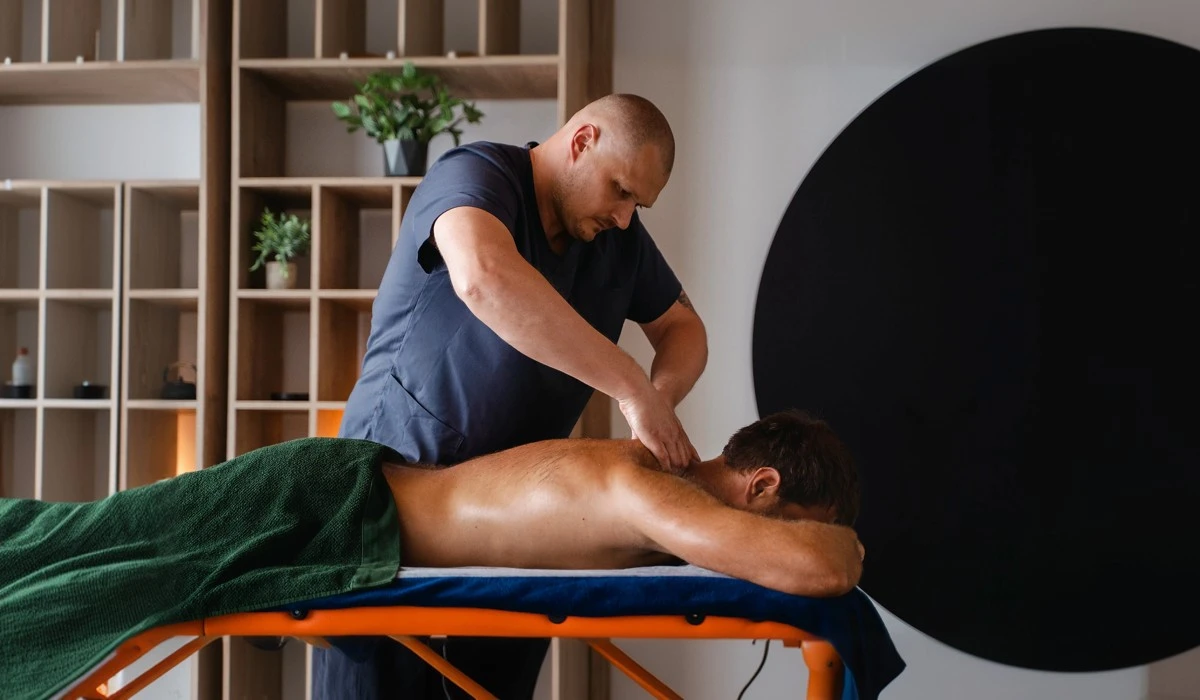
Sports Remedial Massage Therapy For Real Gain
You wake up feeling like your joints consist of rusted iron. You spend twenty minutes stretching your hamstrings, yet the tightness returns before you finish your morning coffee. While most people blame age or a lack of effort, a report by Integrehab explains that muscle fibers can physically stick to nearby tissue through muscle adhesion, where collagen fibers bind to adjacent areas. A physical knot cannot be stretched out any more than a piece of rope can be lengthened with a knot in the middle.
This physical binding limits movement and performance. Your body begins to compensate, shifting the workload to other joints that eventually wear down. Sports Remedial Massage Therapy provides a link between basic recovery and elite physical performance. It treats the body as a living system where every layer of tissue must slide freely over the next to allow for a full range of motion.
How Sports Remedial Massage Therapy Frees Restricted Joints
Physical restriction often begins in the fascia. According to the Cleveland Clinic, fascia is a thin layer of connective tissue that surrounds every muscle and organ. Johns Hopkins Medicine notes that when an injury occurs or movements are repeated frequently, this tissue can thicken and become sticky. The collagen fibers knot up and stop the muscle from lengthening. The application of targeted pressure by Sports Remedial Massage Therapy to these specific areas breaks those sticky bonds.
This process restores the natural slide between your muscle layers. When the therapist applies deep, slow strokes, they create a shear force. This force physically pulls the stuck fibers apart. Once these fibers release, your muscles regain their ability to expand and contract without catching on neighboring tissues.
Breaking Down Fascial Adhesions
Think of fascial adhesions like dried glue between two sheets of paper. If you try to pull the paper apart quickly, it tears. A therapist uses heat and steady pressure to soften that glue. They use their hands, elbows, or tools to melt the restriction. Research published in PMC notes that movement reduces stiffness through a process called muscle thixotropy.
Stimulating Synovial Fluid Production
Movement requires lubricated joints. As documented by Oregon State University, increased circulation during therapy encourages the secretion of synovial fluid. This thick substance provides lubrication that decreases friction between the bones of the joint capsule. This makes every movement feel smoother and more effortless during high-intensity training.
Why Traditional Stretching Often Fails Without Professional Intervention
Many athletes find that their flexibility plateaus regardless of how much they stretch. This happens because stretching only affects the middle of the muscle belly. It rarely reaches the deep-seated tension near the tendons or the layers of fascia that bind muscles together. If a muscle has a "knot" or a point of tension, stretching just pulls on the healthy tissue around it.
Your nervous system also plays a massive role in your stiffness. It acts like a safety brake. If the brain senses a joint is unstable, it sends a signal to the surrounding muscles to tighten up. This protective guarding prevents you from reaching a full range of motion to keep you from "breaking." Sports Remedial Massage Therapy sends a different signal to the brain, showing that the tissue is safe to release.
The Problem with Protective Muscle Guarding
When your muscles stay in a state of constant contraction, they lose blood flow. This creates a cycle of pain and stiffness. Can sports massage improve flexibility? Yes, the process lengthens muscle fibers and releases deep-seated tension in the connective tissue that static stretching can’t reach. Manual release bypasses the nervous system's "brake" and allows the muscle to finally relax into its full length.
Targeted vs. General Mobility
Yoga and general stretching offer broad benefits, but they lack specificity. A remedial session identifies the exact muscle causing the restriction. If your hip feels tight, the problem might reside in a small muscle like the piriformis or the psoas. Sports Remedial Massage Therapy isolates these small, influential players to provide a level of mobility that general exercise cannot match.
Essential Techniques in Sports Remedial Massage Therapy
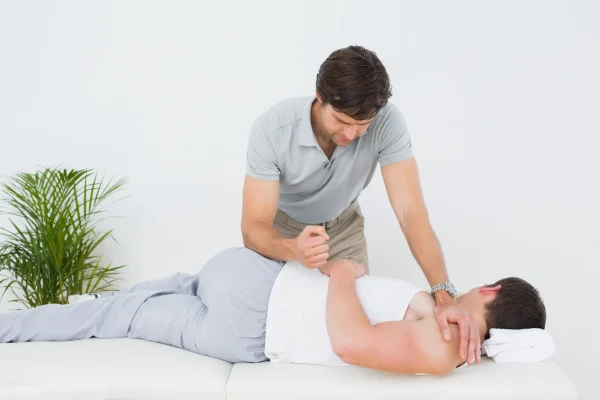
Therapists use a diverse toolbox to change how your body moves. They do more than rub the skin; they manipulate the deeper structures that dictate your posture. As described by NCBI, the Muscle Energy Technique involves the patient contracting muscles in a specific direction while the therapist provides counter-resistance. This method uses the nervous system to let the muscle relax and reach a new length after the contraction ceases.
Another vital tool is Soft Tissue Release. The therapist "pins" a specific part of the muscle and then moves the joint to stretch it. This focuses all the force on the exact spot where the fibers have bunched up. It feels intense, but it creates instant space within the tissue that wasn't there before the session.
Tension Point Release for Joint Decompression
According to research in PubMed, a trigger point is a hyper-irritable spot within a tight band of muscle that causes pain when compressed. These "knots" pull on the tendons and compress the joints they cross. The application of direct, sustained pressure to these points forces the muscle to let go. This decompression takes immediate pressure off the joint, often resolving "aching" sensations in the knees or shoulders.
Myofascial Release and Longitudinal Gliding
Therapists use longitudinal gliding to follow the path of the muscle fibers. This long, sweeping pressure flattens out ripples in the fascia. It feels like a heavy roller smoothing out a wrinkled carpet. This technique ensures that the entire length of the muscle contributes to your movement, rather than just the parts that aren't stuck.
The Neurological Connection to Better Movement
Better movement starts in the brain. The Cleveland Clinic explains that the body uses sensors called proprioceptors to inform the brain of limb positions without relying on sight. When tissues are tight and scarred, these sensors provide "noisy" data. The brain becomes unsure of the joint's position, so it restricts movement to be safe. Sports Remedial Massage Therapy clears this communication path.
Through the manipulation of soft tissue, the therapist provides the brain with a clear map of the body. Once the brain realizes the joint can move safely through a wider range, it grants permission for that movement. This creates a lasting change in how you carry yourself, far beyond the hour you spend on the table.
Re-training the Proprioceptive System
This process is like recalibrating a GPS. After a session, your brain has a better sense of your body's boundaries. This reduces the risk of injury because your muscles react faster to slips or changes in terrain. Is sports remedial massage painful? While it involves deep tissue work that can cause productive discomfort, it should never be sharp, as the goal involves relaxing the nervous system rather than causing a pain response.
Addressing Specific Mobility Hubs: Hips, Shoulders, and Ankles
Three areas of the body dictate almost all athletic movement: the hips, the shoulders, and the ankles. If any of these "hubs" lock up, the rest of the body pays the price. For example, stiff ankles often lead to back pain because the body has to find a way to absorb force elsewhere. Sports Remedial Massage Therapy targets these high-traffic areas to keep the whole system running effectively.
As noted in an NCBI publication, the shoulder is the body's most mobile joint, which consequently makes it the least stable. Physio-pedia further details that shortened chest muscles, specifically the pectoralis minor, restrict shoulder movement by pulling the shoulder blades out of alignment. A therapist works on the pectoralis minor and the subscapularis to "open" the chest. This restores the ability to reach overhead without pinching the joint or straining the neck.
Restoring the Deep Squat through Hip Release
Many athletes struggle to squat deep because of tight hip flexors and glutes. Kenhub explains that the iliopsoas muscle system is a primary flexor of the hip. Releasing this area through therapy allows the pelvis to tilt properly. This creates the "room" needed for the femur to move within the hip socket, resulting in a deeper, more powerful squat.
Improving Overhead Reach and Shoulder Health
The shoulder is the most mobile joint in the body, which also makes it the most unstable. When the surrounding muscles like the lats or rotator cuff tighten, they "clamp" the joint shut. Remedial work creates space in the glenohumeral joint. This allows for a smooth overhead reach, which is essential for swimmers, crossfitters, and anyone working at a desk.
Long-Term Benefits of Regular Remedial Maintenance
One session provides relief, but regular maintenance creates a major change. Over time, your body builds up "micro-scars" from daily life and training. If you ignore these, they eventually form a dense network of restrictions. Regular Sports Remedial Massage Therapy acts like a "reset" button for your physical structure, catching these issues before they become permanent limitations.
Maintenance also improves your metabolic health. Deep tissue work prompts the production of mitochondria, the parts of your cells that produce energy. It also helps the body drain lactic acid and inflammatory waste products through the lymphatic system. This means you don't just move better; you recover faster from every workout.
Preventing Compensatory Injury Patterns
The body is an expert at "cheating." If your right hip is tight, your left lower back will work twice as hard to make up for it. Eventually, your back gives out. How often should I get a remedial massage? For those focusing on mobility gains, a maintenance session every 2 to 4 weeks helps prevent the buildup of new adhesions. This schedule catches small imbalances before they turn into a major injury that sidesteps your training.
Enhancing Bio-mechanical Efficiency
When your muscles are loose and your joints move freely, you use less energy. Tight muscles act like an internal drag, forcing you to fight your own body with every stride or lift. Removal of this internal resistance makes you more effective. You can run further, lift heavier, and move faster simply because your body isn't fighting itself.
What to Expect During Your Sports Remedial Massage Therapy Session
A professional session differs significantly from a spa experience. It is a clinical process aimed at a specific goal. Your therapist will likely start by watching you move. They might ask you to perform a squat or reach for your toes. This assessment allows them to see exactly where the movement breaks down.
During the treatment, the therapist will communicate with you constantly. They need to know if the pressure is "productive" or if it causes you to hold your breath. Breathing is essential; if you hold your breath, your nervous system tightens up, defeating the purpose of the work. You are a participant in the therapy, not just a passive recipient.
Assessment and Postural Analysis
The therapist looks for asymmetries. They check if one shoulder sits higher than the other or if your feet turn outward. This analysis guides the Sports Remedial Massage Therapy session. Identification of the root cause—such as a tight calf muscle causing a limp—allows them to provide a solution that lasts longer than just a few days.
Post-Treatment Integration and Homework
The work doesn't end when you leave the table. Most therapists provide "homework," such as a specific stretch or a strengthening exercise. This helps your brain lock in the new range of motion. Sports Remedial Massage Therapy provides the window of opportunity, but your daily movement habits determine if that window stays open.
Reclaiming Your Natural Range of Motion
Physical stiffness is not an inevitable part of getting older or training hard. It is often the result of tissues that have lost their ability to slide and joints that have lost their lubrication. You don't have to accept a limited range of motion as your "new normal." When you address the adhesions and neurological guarding that hold you back, you can return to the fluid movement you had years ago.
Sports Remedial Massage Therapy offers a scientific, hands-on way to fix the structural issues that stretching alone cannot reach. It clears the path for better performance, faster recovery, and a body that feels light instead of heavy. If you feel stuck in your progress, the problem might not be your strength or your cardio. The problem might be the physical "glue" holding your muscles together. Book a session and experience the freedom of a body that moves exactly the way it was designed to.
Recently Added
Categories
- Arts And Humanities
- Blog
- Business And Management
- Criminology
- Education
- Environment And Conservation
- Farming And Animal Care
- Geopolitics
- Lifestyle And Beauty
- Medicine And Science
- Mental Health
- Nutrition And Diet
- Religion And Spirituality
- Social Care And Health
- Sport And Fitness
- Technology
- Uncategorized
- Videos

