
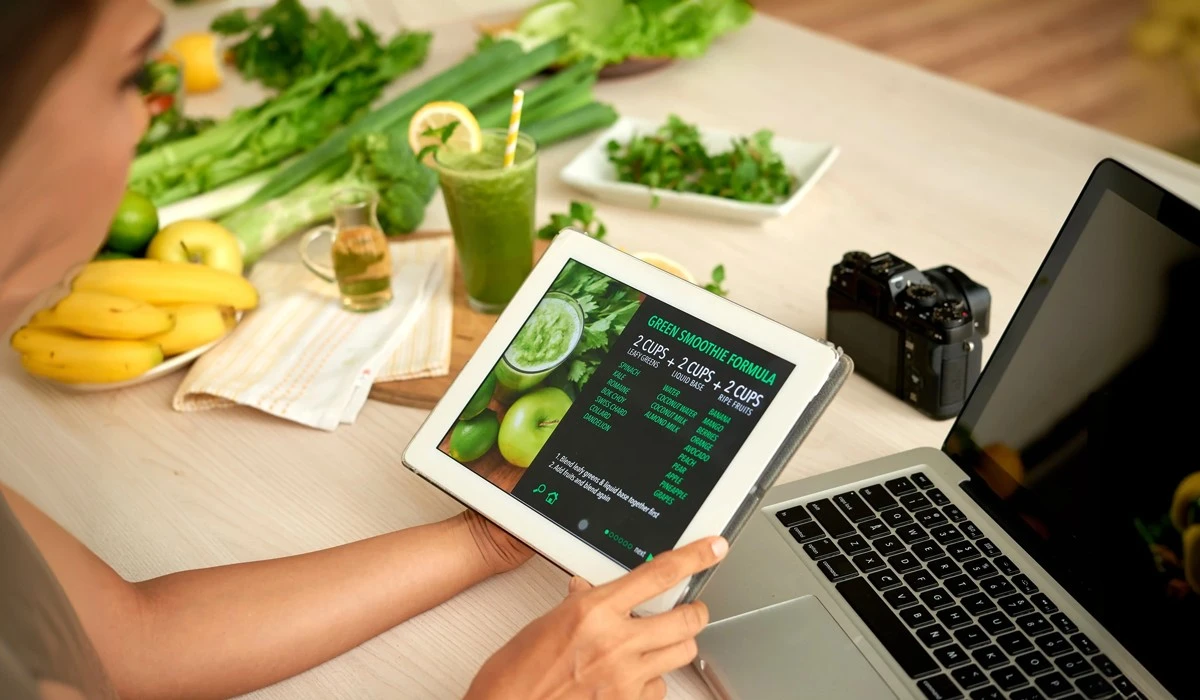
Dietetics Filters Bad Headlines And Viral Trends
Every morning, thousands of people change what they eat based on a headline. A single blog post or a short video can convince a patient to start a dangerous new trend or ignore their doctor’s advice. This creates a wall of noise that blocks real healing. Dietitians perform more than food list memorization; they create a filter that stops bad science before it touches a patient’s life. They stand between the chaos of the internet and the safety of the hospital. This process turns a mountain of confusing data into a clear path for recovery. It ensures that every meal a patient eats actually helps their body get stronger.
The Critical Role of Digital Curation in Modern Dietetics
The field of Dietetics has seen significant progression since its formal start in 1917. As documented by the Academy of Nutrition and Dietetics, early leaders like Lulu Graves concentrated on improving public health and conserving food during World War I. Today, the job involves many layers. It requires sorting through over a million new medical articles published every year. Curation is the act of picking the gold from the gravel. It transforms a scattered variety of studies into a solid foundation for patient care.
From Passive Collection to Active Curation
Collecting data is easy, but using it correctly is hard. Passive collection means just saving every link you find. Active curation means testing that information against clinical standards. For example, a dietitian might find ten studies on a new supplement. Instead of trying them all, they use digital tools to see which studies used a large group of people and which ones were biased. This active filtering ensures that only the best information is used to help a patient.
Protecting the Integrity of Nutritional Advice
Fad science moves fast, but real science moves carefully. Curation helps professionals stop popular but wrong ideas from entering the clinic. This protection is what separates a professional from a hobbyist. What is the difference between dietetics and nutrition? While nutrition is a general study of food and health, dietetics is the regulated clinical application of this science to treat and manage specific medical conditions through credentialed expertise. Maintaining clear boundaries ensures that "food as medicine" stays rooted in facts.
Optimizing Medical Nutrition Management with Curated Data
Medical nutrition management involves more than lunch suggestions; it is a clinical service used to treat chronic diseases. When a dietitian uses curated data, they can make decisions faster and with more confidence. They don't have to guess which protocol works for a patient with both kidney disease and heart failure. The curated evidence provides a clear answer that has already been tested.
Streamlining the Nutrition Care Process (NCP)
As noted by the Nutrition Care Process Network, the Nutrition Care Process is a systematic method for providing care. Documentation from the Academy of Nutrition and Dietetics explains that this roadmap consists of four distinct stages: assessment, diagnosis, intervention, and monitoring. The use of curated digital libraries allows this process to move smoothly. Instead of searching for hours, a dietitian can pull up a validated template for a specific diagnosis. This allows them to spend more time talking to the patient and less time digging through files.
Reducing Clinical Decision Fatigue
Doctors and dietitians make hundreds of choices every day. This can lead to exhaustion, which leads to mistakes. Pre-filtered information helps in medical nutrition management by offering immediate, high-certainty protocols for complicated cases. For example, clinical guidelines published in the journal Critical Care Medicine recommend that enteral nutrition be initiated within 24 to 48 hours of critical illness to support gastrointestinal health. Having this answer ready prevents the stress of second-guessing.
How Evidence-Based Dietetics Filters Information Overload
In the field of Dietetics, accuracy is more important than speed. Reports from the World Health Organization highlight that the modern "infodemic" has complicated the search for reliable guidance and trustworthy information. Curation acts as a high-quality lens. It allows a practitioner to look past the flashy headlines and see the actual data. This ensures that a patient’s treatment plan is based on proven efficacy rather than social media trends.
Identifying High-Quality Systematic Reviews
Not all research is equal. Research published in BMJ Evidence-Based Medicine notes that systematic reviews and meta-analyses represent the highest level of evidence. These are favored because they evaluate multiple studies simultaneously. Tools like the Evidence Analysis Library (EAL) help curate these papers. As described in the BMJ, practitioners utilize the GRADE approach to categorize the certainty of evidence, ranging from high to very low. This rating tells the dietitian if they can truly trust the results before they suggest a change to a patient.
Building a Professional Knowledge Base
A dietitian’s brain can only hold so much. This is why many build a "second brain" using digital curation tools. How do dietitians stay up to date with research? Registered dietitians utilize digital curation tools and evidence analysis libraries to systematically review and implement the latest peer-reviewed clinical guidelines into their daily practice. This keeps their knowledge fresh without requiring them to read every single paper from scratch every morning.
Digital Curation Tools for Advanced Medical Nutrition Management
Technology has changed the way we handle health data. Modern medical nutrition management relies on software to keep up with new findings. These tools don't replace the dietitian, but they make the dietitian more capable. They act like a high-tech assistant that never sleeps, always looking for the latest breakthrough that might save a life.
AI-Driven Literature Synthesis
Artificial Intelligence is now a partner in curation. AI can scan thousands of papers in seconds to find specific details. For example, it can find every study that mentions how a certain vitamin affects a specific blood pressure medication. The dietitian then reviews these results to see if they apply to their patient. This saves weeks of manual research and keeps the focus on the most relevant facts.
Collaborative Curation Platforms
No professional works alone anymore. Many dietitians use platforms where they can share curated research with their peers. Ironically, the more we share, the more accurate our work becomes. When a group of experts looks at the same data, they catch mistakes that one person might miss. This "peer-curation" ensures that the advice given in one hospital is just as good as the advice given in another.
Bridging the Research-to-Practice Gap in Clinical Dietetics
A study indexed in PubMed indicates that it takes an average of 17 years for research findings to eventually be integrated into standard clinical practice. In Dietetics, that gap is too long. Curation helps close that gap by moving data from the lab to the clinic much faster. It helps translate technical science into words that a patient can understand and use in their own kitchen.
Translating Complex Data into Practical Meal Plans
A patient doesn't want to hear about technical data like macronutrient ratios or oxidation processes. They want to know what to eat for dinner. Curation takes high-level data and turns it into "Medically Tailored Meals." For instance, a study archived in PubMed Central demonstrated that the DASH diet group saw a significant reduction in systolic blood pressure of approximately 11.8 mmHg. A dietitian takes that data and curates a shopping list that fits the patient’s budget and culture.
Improving Patient Adherence through Evidence
Patients are more likely to follow a plan if they understand the "why" behind it. Why is medical nutrition therapy important? It provides a specialized, evidence-based approach to managing chronic diseases like diabetes and heart disease, significantly reducing the risk of complications and hospital readmissions. When a dietitian shows a patient a curated summary of how a specific food lowers their blood sugar, the patient feels more in control and more willing to stick to the plan.
Enhancing Accuracy in Medical Nutrition Management Protocols
Accuracy is the heart of medical nutrition management. A small mistake in a protein calculation can be dangerous for someone with kidney disease. Curation provides a safety net. It ensures that every calculation and recommendation is backed by the most recent and reliable numbers. This precision is what makes clinical nutrition a vital part of modern medicine.
Standardizing Care across Multi-Disciplinary Teams
In a hospital, many people care for one patient. Doctors, nurses, and dietitians all need to be on the same page. Curated digital assets ensure that everyone is following the same evidence-based playbook. When the whole team uses the same curated data, there is less confusion and better care. This teamwork is vital for treating difficult conditions like clinical malnutrition, which costs the healthcare system billions every year.
Real-Time Updates for Dynamic Patient Needs
A patient’s health can change in an hour. Their blood work might show a sudden drop in potassium or a spike in blood sugar. Digital curation allows dietitians to pivot their strategy instantly. They can pull up curated protocols for adjustments based on changing needs. This speed ensures that the patient always gets exactly what their body needs at that specific moment, rather than waiting for the next day's rounds.
Scaling Professional Dietetics Expertise via Curated Knowledge
As the population grows, the need for experts in Dietetics grows too. Curation allows one expert to share their knowledge with many others. It makes the profession more productive. It also helps new dietitians learn faster. The use of curated libraries allows a new graduate to access the collective wisdom of thousands of veteran practitioners from day one.
Mentorship and Digital Knowledge Transfer
Senior dietitians often have decades of experience that isn't found in a textbook. They can curate their own "best practices" and share them with students. This digital mentorship ensures that valuable clinical secrets aren't lost when someone retires. It builds a bridge between the history of the profession and the technology of the future. This transfer of knowledge is vital as the field moves toward requiring a Master's degree for all new practitioners.
Expanding Practice Reach through Curated Content
Telehealth is changing how we see patients. Curated content allows dietitians to help people in rural areas who might not have a local clinic. Through curated digital health platforms, they can monitor a patient's glucose levels from hundreds of miles away. This expansion means that more people can get the life-saving help they need. It turns expert knowledge into a tool that can be used anywhere, at any time.
Securing the Future of Evidence-Based Dietetics
Future health outcomes depend on high-quality information rather than sheer volume. In the field of medical nutrition management, the most successful professionals will be those who become highly skilled in the art of curation. They are the ones who will lead the charge against misinformation. Choosing facts over fads protects their patients and their profession.
The strength of Dietetics lies in its commitment to the truth. As technology continues to change, the human element of filtering that technology becomes more important. We must embrace curation as a core skill. It is the only way to ensure that the science of food remains a science. When we secure our evidence, we secure the health of our patients and the future of our field.
Recently Added
Categories
- Arts And Humanities
- Blog
- Business And Management
- Criminology
- Education
- Environment And Conservation
- Farming And Animal Care
- Geopolitics
- Lifestyle And Beauty
- Medicine And Science
- Mental Health
- Nutrition And Diet
- Religion And Spirituality
- Social Care And Health
- Sport And Fitness
- Technology
- Uncategorized
- Videos

