
Image Credit - By Wikimedia Commons
Air Force One Redesign Moves To Darker Palette
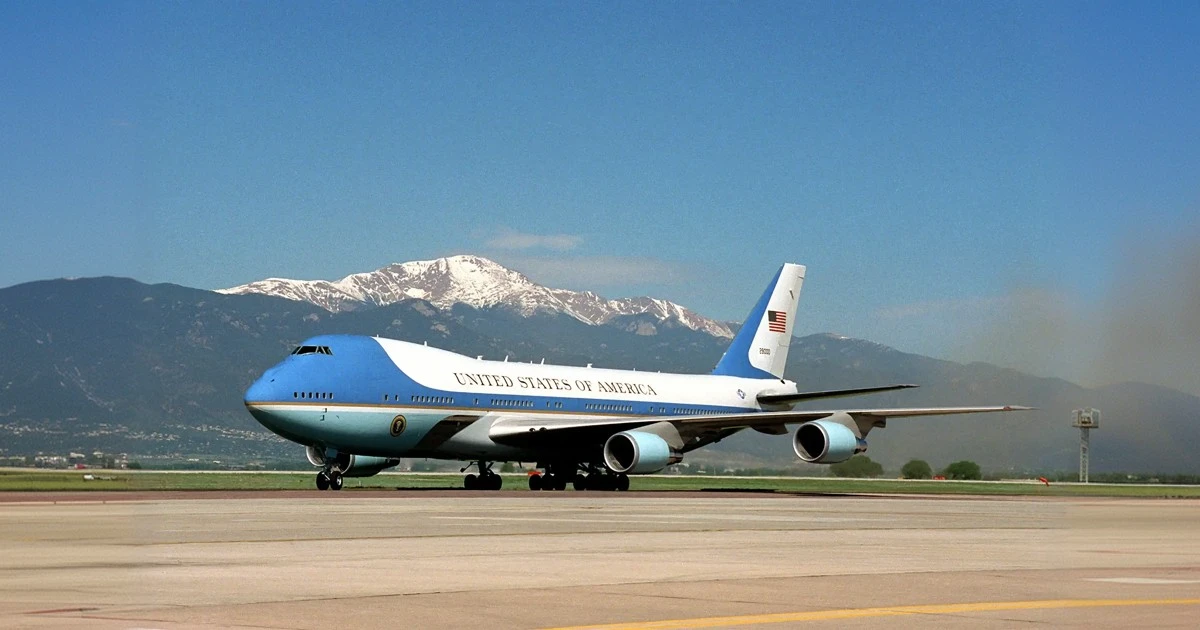
Changing the color of a metal tube alters how it interacts with the sun. The new look for the presidential fleet abandons the cooling benefits of the Kennedy-presidency pale blue for a darker, heavier aesthetic. Engineers previously rejected this exact scheme because it threatened to cook the delicate electronics inside the plane’s belly. Now, that technical fear has vanished from the official record. The Air Force One redesign is moving forward, forcing the aircraft to battle the laws of thermodynamics alongside political optics.
The Shift from Tradition to Boldness
Erasing a sixty-year-old visual habit requires substantial effort beyond a fresh coat of paint. The familiar "robin’s egg blue" livery defined American presidential travel since the Kennedy administration in the 1960s. That period effectively ended on February 17, 2025. According to a report by Reuters, the US Air Force officially announced a new visual scheme featuring Deep Red, Navy , Gold and Blue. The report further notes that this palette matches the design Donald Trump initially proposed in 2018. It mirrors the aesthetic of his private aircraft, often dubbed "Trump Force One." A model of this specific design now sits in the Oval Office on the coffee table. The redesign signals an exit from the lighter, understated tones of the past half-century.
Expanding the Fleet
The change extends beyond the main jet. The Air Force is applying these colors to the C-32 fleet, commonly known as "Air Force Two" when carrying the Vice President. Four of these smaller jets are receiving upgrades. One C-32 already appeared with the new look at Majors Airport in Greenville, Texas, confirmed by visual sightings in early 2025.
The Engineering Contradiction
Darker pigments alter the visual aesthetic while actively fighting the equipment trying to stay cool inside. As Reuters explains, the Biden governance cancelled this specific project in 2022, citing a major engineering flaw where dark blue paint on the underbelly absorbs too much solar radiation. Heat buildup creates a serious risk for the sophisticated avionics housed in the bottom of the aircraft. The original analysis suggested the internal components would exceed safe temperature thresholds. Yet, the 2025 approval came without a detailed explanation of how engineers solved this thermal problem. The dark paint remains, implying the Air Force either found a technological workaround or accepted the thermal risk.
Questions of Safety
Is the new paint dangerous? The Air Force previously rejected the dark blue bottom due to overheating risks, but they have now approved the scheme without publicly releasing the technical fix.
The Financial Reality of the Program
Fixed-price contracts often turn into bottomless money pits when specifications shift mid-production. Reuters highlights that while the original deal for the new VC-25B aircraft set a fixed price of $3.9 billion in 2018, the current estimated cost for the total program sits near $5 billion. Boeing faces losses on this contract due to the fixed pricing structure. Despite the overall budget bloat, the Air Force maintains a specific stance on the visual changes. They claim the paint job itself adds zero additional cost. The logic relies on timing; workers will apply the redesign colors during already scheduled production phases.
Assessing the Budget
How much does the new Air Force One cost? The total program cost has risen to approximately $5 billion, though the Air Force states the new paint scheme itself does not add extra expense.

Image Credit - By Wikimedia Commons
The Qatari Gift and Interim Solutions
Sometimes the fastest way to upgrade a fleet involves taking a plane another government threw away. While the custom-built VC-25Bs won't arrive until 2028, the White House needs a newer jet sooner. According to Reuters, the solution came from Qatar as a gift, with the White House asking the Air Force to upgrade the luxury jet for immediate use. The Qatari government donated a Boeing 747-8, valued at roughly $400 million (£300 million). This aircraft enters service in the Summer of 2025. It serves as an interim solution while Boeing finishes the main presidential jets. The US is covering the costs to retrofit this donated plane with military-grade communication and security systems. The news agency also confirmed that L3Harris Technologies, the defense contractor handles the modifications.
Training and Salvage
The Air Force also bought 2 used 747-8s for spare parts and training. This purchase cost $400 million. It ensures the maintenance crews have hardware to practice on before touching the actual presidential aircraft.
Logistics of the Rollout
Smart logistics allow massive changes to happen quietly while machines sit in the repair bay. The Air Force avoided grounding the fleet to apply the new colors. Instead, they integrated the redesign into the standard maintenance schedule. When a plane goes in for a check-up, it comes out with the new red, white, and blue livery. This strategy prevents operational gaps. The rollout happens gradually. A Yahoo News report indicates that the C-32s and the interim Qatari jet will likely sport the new look before the final VC-25Bs deliver in 2028, as crews apply the livery during system servicing.
Timeline for Service
When will the new Air Force One fly? A donated interim jet enters service in Summer 2025, while the fully custom VC-25B aircraft are scheduled for delivery in 2028.
The Battle Over Legacy
Design choices on a presidential plane serve as a permanent billboard for the leader who chose them. The visual overhaul represents a direct reversal of the previous administration's decision. The 2022 cancellation by the White House focused on technical constraints and expenditure. The 2025 reinstatement focuses on "patriotic" aesthetics and executive preference. The term "Air Force One" technically applies to any plane the President steps onto. However, the specific hardware—the VC-25B—carries the weight of the office. This choice ensures the redesign persists long after the next election cycle.
A New Standard
The adoption of navy and deep red aligns the state aircraft with a specific political brand. It replaces the neutrality of the Kennedy presidency with a bolder, more assertive image. The debate over the paint distracts from the massive engineering effort required to keep the plane flying under the heat of the new colors.
Conclusion: The Permanent Shift
The paint drying on the fuselage seals a decision that mixes engineering risk with political branding. Technical concerns about overheating avionics have taken a backseat to the desire for a stronger visual identity. The redesign transforms the world's most famous plane from a neutral diplomat into a flying statement of power. This change will define the American presidential image for decades, proving that even a coat of paint carries the weight of history.
Recently Added
Categories
- Arts And Humanities
- Blog
- Business And Management
- Criminology
- Education
- Environment And Conservation
- Farming And Animal Care
- Geopolitics
- Lifestyle And Beauty
- Medicine And Science
- Mental Health
- Nutrition And Diet
- Religion And Spirituality
- Social Care And Health
- Sport And Fitness
- Technology
- Uncategorized
- Videos

