

Plants For Zero-Maintenance Front Yard Designs
A green lawn requires constant maintenance because it exists in a state of perpetual artificial sustenance. Homeowners across the country pour resources into their front yards to maintain a specific, manicured look. This tradition often ignores the local climate and soil health. Modern yard planning works with nature instead of fighting it. A low-maintenance approach stops the cycle of endless mowing and heavy watering.
The U.S. Department of Energy notes that water-wise gardening involves choosing drought-tolerant plants and reducing grass areas to manage residential water consumption. This concept of water-wise design gained traction in 1981 when the Denver Water Department coined the term "Xeriscape" during a severe regional drought. This movement changed how people view their outdoor spaces. In 1986, the National Xeriscape Council formed to standardize seven basic principles for water conservation. These rules help people create beautiful spaces that do not require a full-time gardener.
In 1996, the publication of the "Xeriscape Plant Guide" gave homeowners a list of 123 climate-resilient species. These records showed that a dry yard does not have to look like a desert. Modern yards now use these garden ideas to create lush, vibrant spaces that survive on very little help. Global shifts are forcing this change. In 2022, France banned pesticides in public parks and cemeteries. This legal move pushed the entire industry toward low-maintenance, chemical-free designs.
Redefining the Standard for Modern Curb Appeal
Traditional lawns act as a resource sink that requires constant inputs to prevent natural decay. Moving away from a standard turf lawn changes the financial and environmental effects of your home. Residential users in the United States consume between 8 and 9 billion gallons of water daily for outdoor purposes. Much of this water never reaches the plants.
Irrigation systems often lose 50% of their water to evaporation, wind, and runoff. This waste drives up utility bills and strains local water supplies. In the Southwest United States, outdoor watering accounts for 60% of total household water use. Shifting to a low-maintenance style solves this effectiveness gap.
Does a low-maintenance yard look messy? High-quality designs use structured layers and defined edges to maintain a clean, intentional appearance. Replacing high-thirst grass with resilient garden plants creates a yard that stays green even during heatwaves.
The Financial Reality of Outdoor Conversions
High upfront costs hide a decade-long trade-off between labor and capital. Converting a traditional yard into a zero-maintenance space requires a significant initial investment. By 2025, the national average cost for a professional conversion will reach approximately $17,000 per 1,200 square feet. This price includes soil preparation, plant selection, and hardscape installation.
While the entry cost seems high, the long-term savings justify the expense. You save roughly $0.36 per square foot every year compared to maintaining traditional turf. These savings come from reduced water bills, the elimination of fertilizers, and the absence of professional mowing services. Most homeowners see a full return on their investment within seven to ten years.
Homeowners typically pay between $5 and $20 per square foot, depending on the materials and plant choices. Data from HomeGuide shows that quality yard improvements can increase a home's value by 10% to 30%. Furthermore, Denver Lawn and Snow suggests that standard lawn care can provide a return on investment as high as 217%. Buyers today value "move-in ready" yards that do not require weekend labor.
Balancing Hardscape and Softscape for Low Effort
Large rocks occupy space that would otherwise grow weeds. A successful outdoor project finds the right balance between living plants and non-living materials. Experts recommend a ratio of 60% plants to 40% hardscape materials. This balance ensures the yard looks like a garden rather than a parking lot.
Boulders serve as excellent focal points in a front yard. They displace the need for multiple plants, which reduces the total water requirement for the area. You can also use inorganic mulches like river rock, pea gravel, or volcanic rock. These materials provide a permanent solution for weed suppression. Unlike wood chips, stone mulch does not break down or need replacement every year.
Some homeowners worry about heat. Inorganic mulch can raise ground temperatures in the summer. Conversely, organic mulch helps cool the soil and retains moisture for a longer period. Selecting the material based on specific climate and plant needs ensures the best results.
Choosing Resilient Garden Plants for Success
Plants with thick leaves store water like batteries to survive periods of human neglect. Selecting the right garden plants determines the ultimate success of your front yard. Priority should go to regionally native species because they support local wildlife and require the least amount of help.
Sedum, specifically the "Autumn Joy" variety, offers a perfect example of a low-maintenance plant. Its succulent foliage stores water, allowing it to thrive in dry conditions. It also requires very little division or pruning. Ornamental grasses like Blue Fescue and Fountain Grass add structure and movement to the yard. These grasses resist most pests and only need a single pruning in late winter.
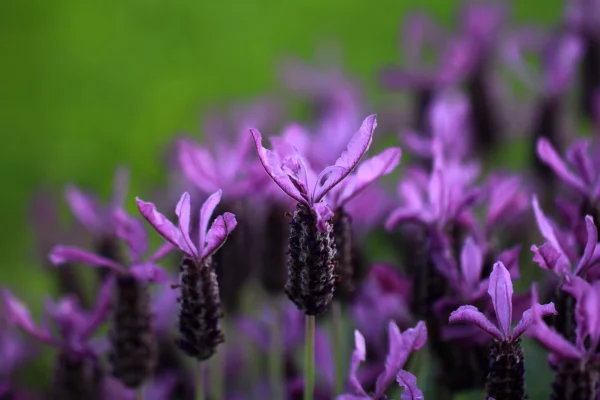
Lavender is another favorite for front yard garden ideas. According to Gardens Nursery, it is a top choice because of its silvery foliage and ability to attract pollinators. Lavender requires lean, well-drained soil to thrive. It hates "wet feet," so over-watering the roots must be avoided.
What are the best low-maintenance plants for sun? Succulents like sedum and woody herbs like lavender provide the most durability in direct sunlight. These species evolved to handle intense heat and rocky soil. They offer a solution for busy homeowners that works without constant oversight.
Effective Irrigation and the Power of Hydrozoning

Effective irrigation begins with thoughtful landscape design, specifically through a method known as hydrozoning. As defined by Plant Select, hydrozoning is the practice of grouping plants with similar hydration needs together to ensure optimal growth. Gardening Know How explains that this technique prevents the common error of overwatering one plant just to keep its neighbor alive. For instance, you wouldn’t place a water-loving fern next to a desert cactus; by separating them into distinct zones, you ensure every plant receives exactly what it needs without wasting a single drop.
Once these zones are established, the next step is choosing a delivery method that maximizes precision within each area. Drip irrigation represents the gold standard for watering. These systems use tubing to deliver water directly to the plant roots. Research by Eco Home Repair indicates that these drip systems reach an impressive 95% efficiency, marking a significant improvement over traditional spray heads. While traditional heads often achieve only 50-70% effectiveness because water evaporates in the air before ever hitting the ground, drip systems ensure the moisture reaches its intended destination.
Beyond choosing the right equipment, overall efficiency also depends on the layout of the landscape itself. Implementing "practical turf areas" further reduces both water waste and labor by placing small patches of grass only in high-function zones, such as a designated path or a sitting area. By eliminating "fringe" mowing sections where equipment struggles to reach, you not only conserve resources but also make the remaining maintenance tasks much faster and more manageable.
Ecology vs. Aesthetics in Zero Maintenance Design
There is a common confusion between "zeroscaping" and xeriscaping, yet the two approaches offer vastly different environmental outcomes. Zeroscaping—a yard consisting almost entirely of dirt or gravel—requires the least amount of maintenance but offers no ecological value and can be unattractive to neighbors. In contrast, xeriscaping utilizes a balanced, water-wise design that incorporates a wide variety of plants. By choosing this intentional approach, homeowners can reduce water waste by half while still maintaining a vibrant, living landscape.
To maximize the benefits of such a design, the specific selection of vegetation is crucial. Homeowners are often better served by choosing native species over trademarked cultivars; while cultivars are frequently bred for aesthetic traits like color, they often lack the high-quality pollen or nectar found in wild varieties. By prioritizing native plants, gardeners provide superior food and shelter for local birds and bees, ensuring the yard functions as a true habitat rather than a sterile display.
The impact of these thoughtful planting choices is profound, as a "wilder" design can support a thriving ecosystem where a manicured lawn might support zero life. Research published by MDPI suggests that higher plant variety leads to a significant increase in pollinator activity, with up to 92 different species recorded in these environments over a ten-month period. According to Sustainable Stanford, these water-wise landscapes specifically bolster populations of butterflies, bees, and hummingbirds. Ultimately, this surge in biodiversity strengthens the local environment, creating a resilient garden that can resist pests naturally.
The Maintenance Myth in "Zero" Upkeep Yards
Lowering maintenance tasks does not remove the need for seasonal human oversight. The term "zero maintenance" serves as a goal rather than a literal fact. Every yard requires some level of care to remain healthy and attractive. Occasional weeding, pruning, and seasonal irrigation checks are still necessary.
A successful yard starts with soil analysis. You might need to add organic matter or aerate the ground to improve moisture retention. If the soil is too compacted, water will simply run off the surface instead of reaching the roots. Proper foundation work ensures the plants can survive on their own later.
New garden plants need regular water until their root systems establish themselves. Once they settle in, you can pull back on the watering and let the plants take over. This initial phase requires patience and attention to detail.
Creating a Resilient Future
Moving to a low-maintenance front yard changes your relationship with your property. You stop fighting the local climate and start enjoying a yard that stays beautiful with minimal effort. While the upfront costs and planning require an investment of time and money, the long-term benefits are clear. You save thousands of gallons of water, increase your home's value, and support the local ecosystem.
Smart garden design principles allow for a yard that looks intentional and lush. Focus on the balance between hardscape and softscape. Choosing plants that evolved to thrive in your specific region ensures your front yard remains a point of pride rather than a source of weekend stress. Using these garden ideas will give you back your time while keeping your curb appeal high.
Recently Added
Categories
- Arts And Humanities
- Blog
- Business And Management
- Criminology
- Education
- Environment And Conservation
- Farming And Animal Care
- Geopolitics
- Lifestyle And Beauty
- Medicine And Science
- Mental Health
- Nutrition And Diet
- Religion And Spirituality
- Social Care And Health
- Sport And Fitness
- Technology
- Uncategorized
- Videos

