
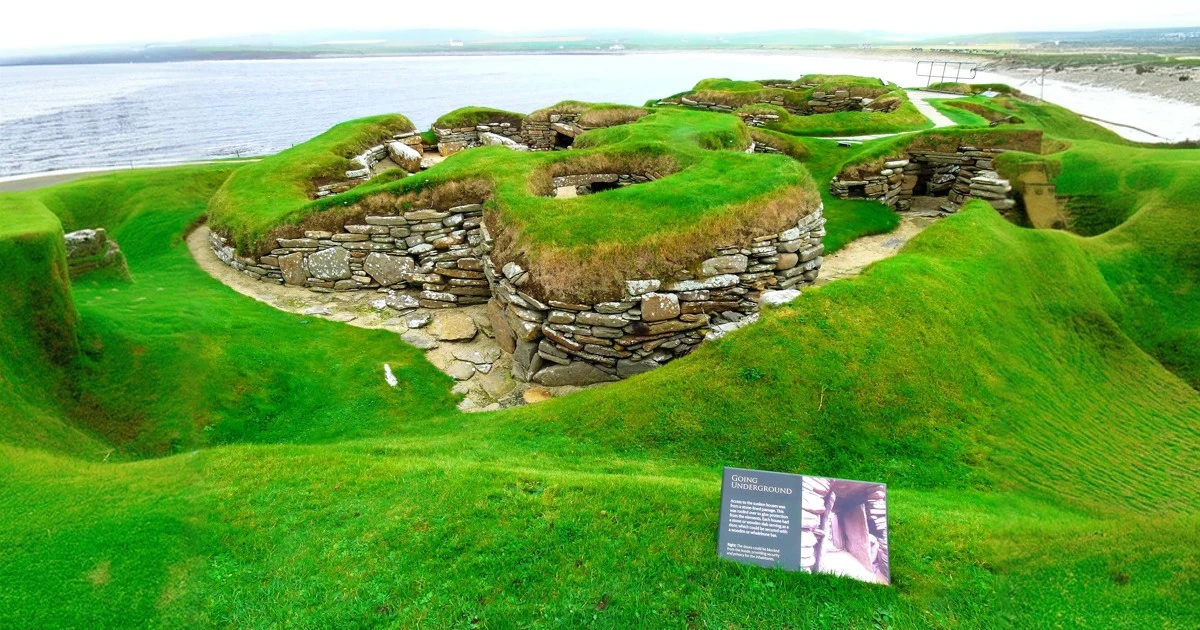
Image by Dg-505, CC BY 3.0
Orkney Mystery Found by Radar
Radar Anomaly Forces Archaeologists to Return to Orkney
Archaeologists have announced a sudden change in their long-term strategy concerning the Brodgar Ness. Directors of this world-famous excavation had previously confirmed that all fieldwork ended permanently in 2024. They held a closing ceremony and stated that the site would enter a preservation phase. However, a recent technological survey produced data that shattered that certainty. Experts identified a large, unexplained feature lurking beneath the soil in an area previously thought empty. This new evidence proved too compelling for the scientific team to ignore. Consequently, the leadership group decided to mobilize for one final, targeted mission. Crews will return to the Orkney archipelago during July 2026 to examine this mysterious object. The decision highlights the unpredictable nature of archaeology, where the ground often dictates the schedule. This unexpected encore provides one last chance to uncover secrets that might otherwise remain buried forever.
The Nature of the Anomaly
Preliminary analysis of the radar data suggests that this hidden structure breaks all established rules for the location. Brodgar's Ness usually displays buildings defined by sharp corners, linear forms, and stone piers. Neolithic architects in this region strictly adhered to rectangular or square geometries in their monumental constructions. The new anomaly, however, presents a completely different profile on the digital scans. Project Director Nick Card notes that the object appears completely unlike any object the team has unearthed over the last twenty years. This stark contrast fuels speculation that the feature might not belong to the primary Neolithic phase at all. Some researchers hypothesize it could date to a much later period, while others suspect it represents a unique contemporary function. The ambiguity of the images requires physical verification ("ground-truthing") to determine the true nature, age, and purpose of the discovery.
Technological Breakthroughs
The discovery owes its existence to a sophisticated application of radar that penetrates the ground (GPR). A specialist team surveyed the entire peninsula using a cutting-edge 3D radar array during the summer. This specific iteration of the technology had never seen deployment on a Scottish archaeological site before this project. The equipment allows geophysicists to create high-resolution, three-dimensional "slices" of the subterranean landscape without breaking the surface. Dr. John Gater, a renowned geophysicist associated with the project, led the survey efforts. The machine collected billions of data points which computers then stitched together into a comprehensive model. This digital clarity revealed the anomaly that previous, less advanced surveys had missed entirely. The success of this scan demonstrates how rapidly archaeological tools are evolving. It proves that even thoroughly studied sites can still yield major surprises when viewed through a new technological lens.
A Surgical Excavation Strategy
Project leaders have devised a highly specific plan for the 2026 return to ensure minimal disruption. They refer to the upcoming operation as "keyhole surgery" rather than a traditional open-area excavation. The crew plans on digging a single, small trench directly above the coordinates of the anomaly. This focused approach differs significantly from the sprawling dig sites that characterized the previous two decades. Planners have strictly limited the fieldwork duration to exactly four weeks. This tight timeframe forces the crew to work with extreme efficiency and discipline. They will not uncover the massive stone structures that visitors viewed in past years; those remains will stay safely buried. The sole objective involves characterizing the strange radar signal. Once the team identifies the feature and records it, they will close the trench immediately. This method balances the hunger for knowledge with the imperative of site conservation.
Geography of the Peninsula
The physical location of the dig contributes heavily to its historical and visual power. Brodgar's Ness rests on a thin ribbon of land that separates two significant bodies of fresh and brackish water. The Loch of Harray borders the eastern shore, while the Loch of Stenness lies to the west. This natural causeway connects the separate regions of the Orkney mainland, acting as a bridge between worlds. Ancient peoples clearly revered this dramatic landscape, which offers sweeping views of the surrounding hills and the sky. The geography creates a natural amphitheatre that amplifies the sense of occasion. It sits at the physical center of the UNESCO World Heritage Site designated as the "Heart of Neolithic Orkney." The interplay of water, land, and stone creates a unique environment that likely held deep spiritual significance for the prehistoric inhabitants who chose to build their great monuments here.
Two Decades of Discovery
The story of this location began almost by accident in the early 2000s. A local farmer ploughing his field struck a large piece of dressed stone, which triggered a small investigation. Initial test trenches in 2004 revealed that the entire field covered a massive complex of stone buildings. Over the next twenty years, the site grew in significance with every season. It evolved from a minor curiosity into a key Neolithic location within Northern Europe. The excavation eventually exposed roughly forty distinct structures layered on top of one another. The sheer scale of the ruins forced historians to rewrite their understanding of prehistoric Britain. The dig attracted thousands of volunteers and students from around the globe. This twenty-year odyssey transformed a quiet grassy field into a bustling hub of scientific inquiry. The return in 2026 marks an unexpected epilogue to this long-running story.
Master Builders of the Stone Age
The architectural sophistication discovered here challenges modern perceptions of "primitive" societies. The Neolithic builders utilised the local flagstone, which fractures naturally into flat plates, to construct monumental walls. These structures often featured double-skinned walls with a rubble core, a technique that provided immense strength and insulation. Some walls survived to heights of over a meter even after five thousand years buried underground. The builders also employed advanced features such as paved floors, drainage systems, and carefully constructed hearths. Evidence suggests that many of the buildings originally boasted slate roofs, a rarity for the period. The precision of the masonry implies a specialized workforce rather than ad-hoc construction. These were not simple domestic huts; they were grand, imposing edifices designed to impress. The engineering skills required to plan and execute this complex rival those of much later civilizations.

Image by Skara Brae Neolithic village by N Chadwick, CC BY-SA 2.0
Barriers of Exclusion
A highly significant finding on the grounds involves the massive boundary walls. Archaeologists unearthed sections of a "Great Wall" that stretched across the peninsula, effectively cutting off the temple complex from the outside world. This barrier measured roughly four meters in width and stood tall enough to block the view of the interior. A similar wall existed at the southern end, creating a gated, enclosed precinct. These fortifications suggest that access to the Ness was strictly controlled and likely limited to a privileged few. The walls served a symbolic function rather than a military one, defining the separation between the sacred space and the mundane landscape. This exclusion implies a hierarchical society where religious or political elites held power. The physical layout of the complex reinforced social divisions and emphasized the special status of the activities taking place within the enclosure.
A World of Colour and Art
The excavations revealed that the Neolithic world was far from drab and grey. Researchers recovered hundreds of stones featuring incised artwork, including geometric patterns, cross-hatching, and cup marks. The most famous artistic find, dubbed the "Brodgar Boy," appears to show a crude representation of a human figure. Even more startling was the discovery of painted stonework. Specialists found traces of red, yellow, and black pigments on several wall stones. This evidence confirms that the great halls were likely decorated with vibrant murals and colourful designs. The artistic motifs found on the stones often mirror the patterns seen on Grooved Ware pottery from the same era. This connection suggests a unified cultural aesthetic that spanned different media. The presence of art indicates a society that valued symbolic expression and possessed the leisure time to create beauty beyond mere utility.
The Ness Cathedral
The structure known as "Structure Ten" represents the pinnacle of Neolithic architectural ambition within the zone. Archaeologists often refer to this massive building as a "cathedral" due to its immense size and grandeur. It measured twenty-five meters across and featured walls up to five meters thick. The builders positioned it directly on top of earlier ruins, signaling a shift in the site's focus. Structure Ten contained a central cruciform chamber surrounded by a paved outer passage. Its layout resembles a gigantic version of the domestic houses found at Skara Brae. The scale of the building suggests it served as a central venue for major rituals or governance. Its construction required a staggering amount of labor and resources. Structure Ten dominated the landscape in the site's final phase, serving as the ultimate symbol of the community's power and organizational capability.
Feasting and Consumption
The earth on this strip yielded enormous quantities of animal bones, providing insight into the diet and habits of the people. Specialists have cataloged thousands of cattle tibias (shin bones) from the middens. The data indicates that communities brought hundreds of animals to the site for mass slaughter events. The bones display specific fracture patterns consistent with marrow extraction, pointing to industrial-scale consumption. These feasts likely coincided with construction milestones, seasonal festivals, or religious ceremonies. Pottery shards recovered from the site often contain lipid residues from milk and meat. This evidence portrays the Ness as a hub for social gathering and celebration. People likely traveled from across the archipelago to participate in these events. The ability to provide such vast amounts of food demonstrates the agricultural wealth and stability of the Orkney Neolithic society.
The Great Decommissioning
Habitation on the peninsula ended with a dramatic and deliberate closure ritual around 2400 BC. The inhabitants staged a massive event to decommission the site. They slaughtered approximately four hundred cattle in a single distinct episode. The participants placed the shin bones in a careful layer around the base of Structure Ten. They then arranged deer antlers on top of the bone pile, often placing them upside down. Finally, the community dismantled the upper sections of the building and covered the entire complex with debris and middens. This act effectively erased the settlement from the landscape, turning it into a large mound. Experts believe this "slighting" marked a profound cultural shift, possibly the transition to the Bronze Age. The closure was respectful but final, ensuring that the sacred buildings could never be used again.
The Heart of Neolithic Orkney
The Ness serves as the connective tissue for the wider World Heritage Site. It sits physically between Brodgar's Ring and the Standing Stones of Stenness. These three monuments likely functioned as components of a single, integrated ritual system. Brodgar's Ring, a vast stone circle, and the Stones of Stenness, a smaller henge, acted as outdoor arenas. The Ness provided the infrastructure for the preparation, processing, or residence associated with these ceremonies. The close proximity of these sites allows archaeologists to study the Neolithic landscape as a whole. Maeshowe, the chambered tomb, lies within sight of the excavations, further linking the realms of the living and the dead. The concentration of monuments in this small area is without equal across the European Atlantic. This site provides the context that explains how these famous stone circles operated within their society.
The Preservation Dilemma
Preserving the exposed ruins presented a massive logistical and financial challenge for the management trust. The local flagstone degrades rapidly when exposed to the harsh Orkney weather, particularly frost and rain. Leaving the structures exposed to the elements would lead to their total destruction within a few years. Building a permanent roof over the three-hectare site was deemed visually intrusive and prohibitively expensive. Therefore, the team made the difficult decision to backfill the trenches after the 2024 season. They covered the masonry with protective Tyvek sheeting and tons of soil. This burial returns the archaeology to a stable, anaerobic environment. It preserves the stones for future generations who may possess better conservation technologies. The 2026 excavation will adhere to these strict preservation protocols, ensuring that the new trench is resealed immediately after the investigation concludes.
The Time Team Connection
The popular television programme Time Team played a crucial role in enabling this final chapter. The production company provided the necessary funding to commission the expensive high-tech radar survey. They have also committed resources to film the excavation process in 2026 for a special documentary episode. This partnership ensures that the scientific work receives the financial backing it requires. Dr. John Gater, a long-time member of the Time Team cast, personally oversaw the geophysics work. His involvement bridges the gap between academic archaeology and public entertainment. The show previously filmed on location, helping to raise its profile globally. Their return guarantees that the results of the "keyhole" dig will reach a wide audience. This media engagement is vital for maintaining public interest and support for archaeological heritage in the UK.
Impact on Island Life
The twenty-year excavation project has generated significant economic and cultural benefits for the Orkney Islands. The dig became a major tourist attraction, drawing tens of thousands of visitors to the viewing platforms. This influx of tourism supported local hotels, restaurants, and tour operators. The presence of the archaeological team became a staple of the Orkney summer calendar. The project also engaged deeply with the local community through school visits and volunteer opportunities. Orcadians developed a strong sense of pride and ownership over the discovery. The site's closure in 2024 left a void in the local heritage offering. The temporary reopening in 2026 promises to bring a final surge of visitors. The continued analysis and museum exhibitions ensure that the Ness remains a key asset for the islands' economy long after the diggers depart.
The Road Ahead
While the fieldwork will conclude definitively after the 2026 season, the scientific work is far from over. The team faces the monumental task of analyzing millions of artifacts and data points collected over two decades. Specialists in pottery, bone, stone tools, and geology will spend years cataloging and interpreting the finds. The publication of the final reports will take many years to complete. These documents will serve as the lasting legacy of the project. The 3D models generated by the recent radar survey will provide a digital record accessible to researchers worldwide. Brodgar's Ness will transition from an active construction site to a subject of academic study. The answers to the final questions regarding the anomaly will add the closing paragraph to a history that spans five millennia.
Recently Added
Categories
- Arts And Humanities
- Blog
- Business And Management
- Criminology
- Education
- Environment And Conservation
- Farming And Animal Care
- Geopolitics
- Lifestyle And Beauty
- Medicine And Science
- Mental Health
- Nutrition And Diet
- Religion And Spirituality
- Social Care And Health
- Sport And Fitness
- Technology
- Uncategorized
- Videos

