
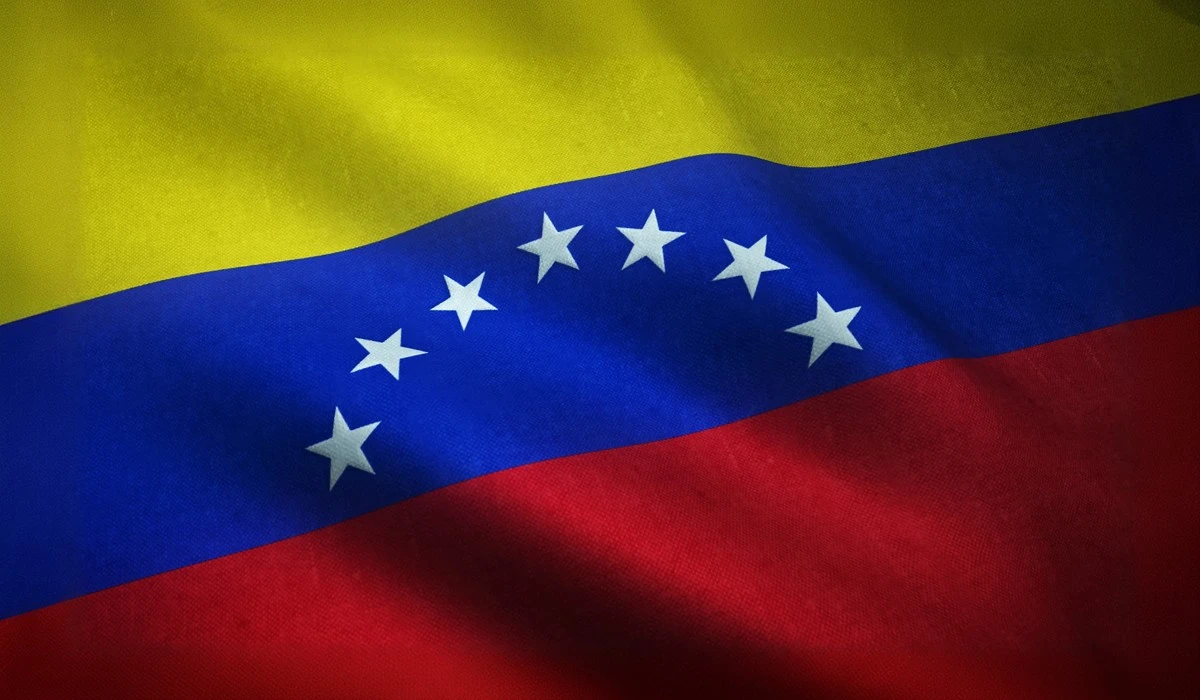
Venezuela Bans Global Airlines
Caracas Enforces Air Blockade: Major Airlines Expelled Amidst Rising Naval Tensions
Authorities in Venezuela have enacted a strict ban preventing half a dozen leading global carriers from entering their territory. This drastic ruling impacts Avianca, Turkish Airlines, Iberia, Latam, Gol, and TAP Portugal. The decision came swiftly after these businesses failed to meet a strict 48-hour time limit to restart operations. The national aviation regulator, answering to the Transport Ministry, declared the immediate cancellation of permission to arrive and depart on Wednesday. This move cuts the last major commercial ties linking the nation to the rest of the globe. Officials claim this response fights a political boycott, yet the companies insist safety fears drove their pause. Consequently, the suspension leaves thousands of travelers stuck without options. This action isolates the struggling country even more, severing crucial paths for families and trade. The sudden loss of connectivity creates an urgent crisis for those relying on cross-border movement.
The Ultimatum Expires Without Resolution
Trouble started earlier when these businesses paused services bound for the capital. State officials reacted with anger to this move. They sent a firm final notice to the operators, granting them exactly two days to begin flying again. Wednesday passed without the carriers changing their position. The businesses held firm, stating that danger levels remained too high. In reply, the administration in Caracas executed its threat. They charged the firms with yielding to external pressure instead of making their own safety choices. By revoking the licenses, the ministry created a massive travel nightmare. This conflict goes beyond rules; it shows the deep political crack splitting the area. The refusal to obey the state's order highlights the total absence of trust between global commerce and the current leadership. Neither side appears willing to compromise, turning passengers into collateral damage in a high-stakes diplomatic feud.
Safety Warnings Trigger Flight Suspensions
The carriers stopped flying based on a specific alert from Washington. On Friday, America's aviation regulator, the FAA, published a serious caution for all pilots. The bureau advised extreme care for planes near Venezuela. They pointed to a worsening safety climate and "increased army movements" as the main cause. This note applied to all flight levels and specifically named Simón Bolívar International Airport. Flight bosses treated this alert with gravity, worrying about their staff and planes. Memories of previous disasters in war zones drove a quick, collective reaction. As a result, the firms grounded their jets to stop accidental clashes with combat forces. While the FAA often sends alerts, the specific mention of a military buildup indicated a real, present danger in the Caribbean sector. Airlines prioritized the lives of their crews over the risk of losing market access.
Massive US Naval Force Assembles
Security fears grew from a huge rise in American combat power within the area. The Pentagon sent a powerful naval group to the sea near the Venezuelan shoreline. This fleet features the Gerald Ford carrier, the biggest warship on Earth. Beside this nuclear vessel, Washington positioned roughly 15,000 soldiers. Such a move marks the largest show of American strength in Latin America since they invaded Panama three decades ago. Generals ordered these units to monitor international waters nearby. The massive size of this armada delivers a clear threat to the regime in Caracas. Although the White House calls this a mission against drugs, the strike group's power goes far beyond catching smugglers. Defense experts see this as a strategic ring meant to squeeze President Maduro. The deployment serves as a blunt instrument of foreign policy, projecting force directly to Venezuela's doorstep.
The Narrative of a Drug War
Officials from America call this huge movement a needed action to fight illegal narcotics trade. They assert that gangs use Venezuelan land to move drugs toward North America. The administration claims the naval wall stops these supply paths. They state the mission defends citizens from illegal substances. Yet, skeptics note that most cocaine reaches the US through the Pacific, not the Caribbean Sea. This difference makes observers doubt the real reasons for the buildup. The Trump White House has wanted Maduro gone for a long time, and this military rise matches the louder political talk. The "drug war" story gives a legal reason for warships to sit near a sovereign state. Still, the mission's size implies goals bigger than just police work. Critics argue that deploying an aircraft carrier for drug interdiction is an excessive use of military assets.
Lethal Encounters on the High Seas
Rising military action has already caused violence. American units executed over 20 attacks on ships they claimed were smuggling items. These hard-hitting engagements killed over 80 people. Spokespersons for the military say the vessels failed to halt when called, forcing them to shoot. Yet, Washington hasn't shown the public any solid proof that these ships held narcotics. The secrecy around these events creates major human rights worries. Without outside proof, nobody knows if the dead were real traffickers or just local fishers hit by mistake. The high death toll points to very aggressive rules for shooting. These deadly fights made things worse, giving authorities in Caracas a reason to blame America for unprovoked attacks on civilians at sea. Every casualty at sea further reduces the chances of a peaceful diplomatic resolution.
Accusations of State Terrorism
The administration in Venezuela used the military pressure to start a strong diplomatic fight. A statement from the aviation regulator accused the banned carriers of aiding "state terrorism" pushed by Washington. Officials argue the airlines joined an American-led siege meant to choke the nation. They describe stopping commercial flights as economic warfare. President Maduro called the naval presence an illegal effort to wreck his country. He says the mission's real aim is removing him by force. By connecting private firms to this supposed plot, the regime tries to gather local support against a shared foe. State TV channels run nonstop news about the "imperialist threat," painting the dispute as a fight for survival. This talk tries to put all blame for the isolation on foreign nations. The government frames itself as the defender of national sovereignty against external aggression.
Political Instability and Electoral Disputes
This military standoff comes from Venezuela's long political mess. The opposition and many foreign states called Maduro's victory at the polls fraudulent. They claim the voting lacked openness and unfairly blocked main rivals. This fight over who rules has split the nation and invited outside interference. The US cites the absence of democracy as the main reason for its tough policy. They see the administration as a dictatorship stealing power from citizens. In contrast, Maduro keeps tight grip on the army and courts. He brushes off opponents as puppets of Washington wanting to sell the nation's wealth. The world stays split, with some powers backing Maduro and others supporting the opposition chief. This political deadlock stops any fix for the economic crash and fuels the current army buildup. Without a legitimate government recognized by all, stability remains impossible.
Failed Attempts at Industry Mediation
Before the ban started, the International Air Transport Association (IATA) tried to fix the dispute. The global flight body contacted Venezuelan leaders to clarify why the airlines acted. IATA staff stressed that pausing flights came from real safety scares, not political hate. They highlighted that member firms wanted to bring back services once safety improved. The group warned that barring major carriers would only harm the local people and economy. Yet, officials in Caracas turned down these reasons. They saw the industry's position as weak and insisted on immediate compliance with their deadline. This failed talk shows politics winning over practical needs. The regime chose to make a political point instead of keeping vital transport links. This result makes the global flight industry afraid to work in a place where safety choices bring political punishment.
Mixed Signals from Washington
Despite the military moves, diplomacy remains unclear. President Donald Trump and President Maduro both hinted they could speak directly. In an interview on the presidential plane, Trump noted he could speak to the Venezuelan chief. But he quickly added a warning. He stated that while he likes to handle it simply, he is prepared to do it roughly if needed. This mixed talk keeps allies and enemies guessing about America's plans. Maduro also said he is open to talking, if the US respects his nation's rights. Still, sending warships at the same time hurts the trust in these offers. The threats of violence suggest Washington sees talking as a backup plan. This unpredictability adds danger, as neither side wants to be the first to back down. The contradictory messages increase the likelihood of a miscalculation leading to war.
Propaganda of Normalcy
In a weird contrast to the naval siege, President Maduro started a PR campaign to feign normalcy. He recently posted a clip driving himself through Caracas streets. In the footage, he points at Christmas lights, talking about the happy mood. This propaganda tries to prove daily existence within the capital goes on despite outside threats. Maduro uses these visuals to show his confidence and grip on the nation. He wants to assure his followers that American military presence hasn't stopped society from working. Yet, this image conflicts with the economic pain and loneliness most citizens feel. The video acts as a bold refusal of the crisis story. It shows the gap between the state's official words and the serious geopolitical tension happening just near the shoreline. The orchestrated calm serves to distract the public from the imminent dangers surrounding them.
Historical Shadows of Invasion
The size of the American buildup brings back dark memories of past interference in Latin America. The current mission looks a lot like the 1989 invasion of Panama. In that fight, US troops removed Manuel Noriega, using drug charges as the reason. Venezuelan leaders often use this history to prove their fear of a regime change plan. They say the "drug war" name is just a cover for military attacks. The arrival of the Gerald Ford carrier acts as a strong sign of this old power dynamic. For many across the area, seeing American battleships signals a return to "gunboat diplomacy." This past makes the US story harder to sell and strengthens Maduro's stance against empires. The US government struggles to run missions without causing regional anger against perceived colonialism. The Panama ghost hangs over every move in the Caribbean.
Economic Consequences of Isolation
Banning these six airlines hits Venezuela's broken economy hard. These businesses offered the main links to Europe and key South American trade spots. Their exit hurts tourism and blocks global business trips. Cargo space, usually found on passenger jets, will drop, stopping the import of key items. The nation already faces massive inflation and broken services. Stopping these flights will increase the pain for normal people. The huge Venezuelan diaspora finds it harder to visit family or send help. Business chiefs warn this wall will stop foreign money for years. The administration's choice puts political pride above economic needs. As flight screens at the airport go dark, the price of this diplomatic fight falls right on the Venezuelan population. The loss of air connectivity acts as another nail in the coffin for the local economy.
Strategic Importance of the Caribbean
The Caribbean Sea stays a key strategic zone for America. Controlling these waters keeps shipping paths safe and guards the southern entrance to the US mainland. A hostile regime in Venezuela threatens this safety plan. US defense experts worry about rival global powers gaining ground in the hemisphere. They see the reported drug trade as a chaotic force that rots governments and pays for violence. The current naval mission wants to bring back US control in this sea. By blocking sea smuggling paths, Washington hopes to drain the cash fueling Maduro's rule. But Venezuela sees the Caribbean as its own sea border. They claim a sovereign right to watch their economic zone without outside meddling. These different views create constant friction in the waters between the two states. Control of these maritime routes remains a non-negotiable priority for both nations.
The Uncertain Path Forward
Things remain unstable while the US naval group holds its spot at sea. The ban on carriers has no end date, leaving travel plans in doubt. If Washington keeps up military pressure, Venezuela won't likely retreat. The deadlock could last months, making economic loss and political digging deeper. Or, a quick accident on water or in the air could start a real war. The chance of secret talks gives a tiny hope for peace. But public words from both sides stay angry and hard. The next few weeks will decide if this ends with a deal or a dangerous fight. Right now, the sky above Venezuela stays mostly empty, while the ocean below fills with warships ready to strike. The world watches anxiously, waiting to see which power blinks first.
Recently Added
Categories
- Arts And Humanities
- Blog
- Business And Management
- Criminology
- Education
- Environment And Conservation
- Farming And Animal Care
- Geopolitics
- Lifestyle And Beauty
- Medicine And Science
- Mental Health
- Nutrition And Diet
- Religion And Spirituality
- Social Care And Health
- Sport And Fitness
- Technology
- Uncategorized
- Videos

