
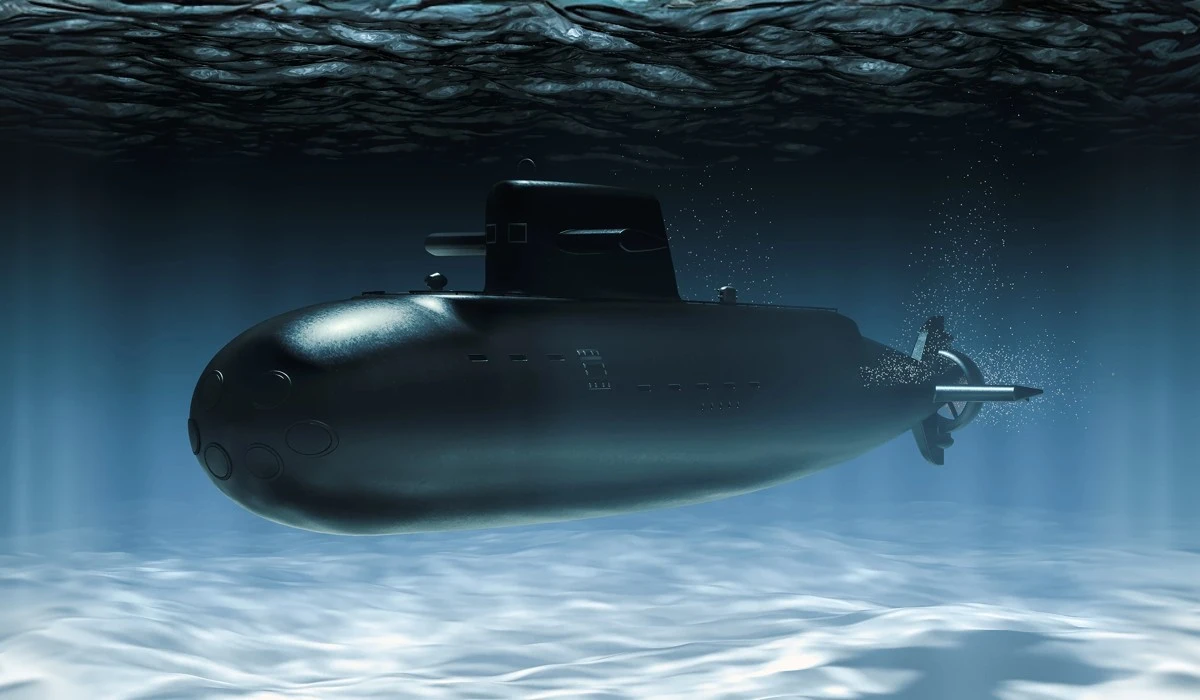
Sea Drones Revolutionize Navies
Silent Revolution: The Battle for the Deep Ocean
The world witnessed a fundamental shift in land warfare on the battlefields of Ukraine. Cheap, agile aerial drones rewrote the rulebook. Tanks faced obsolescence. Trenches offered little protection. Commanders watched live feeds from miles away. Now, this technological tidal wave crashes into the maritime domain. Navies everywhere rush to adapt. They seek to conquer the depths with a new breed of machine. Autonomous submarines are arriving. These robotic vessels promise to change naval combat forever. They will hunt enemy submarines. They will guard vital seabed cables. A quiet, desperate race for underwater supremacy has begun.
The Invisible Front Line
Generals and admirals have fought for control of the oceans for a century. The United States launched the Nautilus in 1954. This vessel brought nuclear power to the sea. It changed the game. Today, six nations wield nuclear-armed submarine fleets. The UK, USA, Russia, China, France, and India maintain these powerful assets. North Korea likely joined this club recently. These governments spend billions on these leviathans. Critics question the cost.
They debate the morality of such destructive power. Yet, the game of cat and mouse continues beneath the waves. Crews on these vessels live in a constant state of tension. They hide in the deep. Silence is their shield. Detection means death in wartime. British submariners recently endured a record-breaking patrol. They remained submerged for nine months. They carried Trident nuclear missiles. The crew waited for an order they hoped would never come. But the oceans are no longer empty. The silence is breaking. New eyes and ears are entering the water
The Russian Shadow
Western naval leaders worry most about Russia. The Northern Fleet has modernized. Its submarines run quieter than ever before. They operate with increasing boldness. The Royal Navy focuses its attention on the "GIUK gap." This stretch of water sits between Greenland, Iceland, and the United Kingdom. It serves as a gateway. Russian vessels must pass through it to reach the Atlantic. NATO allies watch this chokepoint closely. They desperately need to track every movement. But the threat has evolved. It is no longer just about nuclear missiles. It involves the seabed itself. Modern economies rely on thin fibre-optic cables. These lines carry the internet. They transmit financial data. They connect power grids.
The Yantar and the Rise of Russian Aggression
Sabotage offers a tempting strategy for adversaries. The UK government recently raised the alarm. It accused the Yantar, a Russian oceanographic ship, of suspicious activity. Officials believe the vessel maps undersea infrastructure. It uses deep-sea submersibles. It carries sensors. The Ministry of Defence reported a sharp rise in Russian activity. Incidents in British waters increased by 30 per cent over two years. The Yantar loitered near critical cables. Its crew even directed lasers at Royal Navy aircraft. This behaviour signals a new kind of aggression.
Grey Zone Aggression
Military strategists call this "grey zone" warfare. These actions cause disruption. They inflict economic pain. Yet, they fall short of open war. They exist in the murky space between peace and conflict. The sabotage of the Nord Stream pipelines in 2022 highlighted this danger. Explosions ruptured the gas links between Russia and Germany. Germany later identified a Ukrainian suspect. The incident showed how vulnerable seabed pipes really are.
Another attack struck the Balticconnector pipeline in 2023. This line connects Finland and Estonia. Investigators blamed a Chinese ship dragging its anchor. Then, cables in the Baltic Sea snapped. Swedish telecommunications lines failed. An undersea power link between Finland and Estonia suffered damage around Christmas. These events create anxiety. Parliament’s defence select committee issued a stark warning. Damage to the UK's 60 undersea cables could devastate the economy. The disruption would be catastrophic. The Royal Navy needs a solution. It cannot be everywhere at once.
Project Cabot: A Radical Shift
Britain’s answer is "Project Cabot." This initiative represents a massive doctrinal pivot. The Royal Navy wants to outsource anti-submarine warfare. It seeks a model similar to "software as a service." They call it "Atlantic Net." The military will not own all the hardware. Instead, private contractors will operate fleets of drones. These companies will gather data. They will sell the intelligence to the Navy. The Ministry of Defence published a tender notice worth £24 million. It described the project as "contractor owned, contractor operated." This approach is revolutionary. It is also risky. Private vessels will hunt military targets. They will track nuclear submarines. This blurs the line between civilian and military assets. Russian forces may view these commercial drones as legitimate targets.
The Rise of the Ghost Shark
Australia faces a different challenge. It looks north to China. Tensions in the South China Sea remain high. Beijing claims vast territories. It builds artificial islands. The Royal Australian Navy needs to cover immense distances. It has turned to a US tech startup for help. Anduril Industries is building the "Ghost Shark." This company works differently from traditional defence giants. It moves at the speed of Silicon Valley. The Ghost Shark is an extra-large autonomous underwater vehicle (XL-AUV). It looks like a submarine. But no humans live inside. It costs a fraction of a crewed boat. Australia committed $1.7 billion to the program.
Smart Scouts of the Deep
These drones use advanced artificial intelligence. A system called "Lattice" acts as the brain. It allows the vehicle to make decisions. It navigates without GPS. It identifies targets. It communicates with other drones. The Ghost Shark can dive to 6,000 metres. It stays down for ten days. It lurks in the deep ocean. It watches. It waits. The US Navy also backs this technology. It spends billions on similar projects. One model launches from torpedo tubes. Crews on nuclear subs can deploy these scouts. The scouts go where the main submarine cannot. They extend the reach of the fleet.
The Incumbents Strike Back
Established weapons manufacturers are fighting back. BAE Systems is Britain's premier defence contractor. It builds the Astute-class nuclear submarines. It sees the threat from startups. It also sees the opportunity. Scott Jamieson manages maritime solutions for BAE. He calls this moment a "genuine step-change." He believes navies will scale up. They will use drones to do the dull, dirty, and dangerous work. BAE developed its own contender. They call it "Herne." This autonomous boat is flexible. Commanders can reconfigure it for different missions. It hunts submarines. It clears mines. It gathers intelligence. BAE tested Herne off the south coast of England. It performed well.

Tech Disruptors Challenge the Giants for the MoD’s Favor
The market is becoming crowded. German firm Helsing entered the fray. It specializes in artificial intelligence. It recently opened a factory in Plymouth. This facility sits near a major Royal Navy base. Helsing plans to build underwater drones there. It partners with other tech firms. It aims to put autonomous systems into the water quickly. Palmer Luckey runs Anduril. He is a prominent figure in the tech world. He founded Oculus. He supports Donald Trump. His company is scouting UK manufacturing sites. The competition is fierce. Startups claim they are faster. They say they are cheaper. Big companies argue they are more reliable. They have the heritage. The Ministry of Defence will decide the winner soon.
The Economic Asymmetry
Cost drives this revolution. A modern frigate costs hundreds of millions. A nuclear submarine costs billions. Losing one is a national tragedy. Losing a drone is a line item in a budget. Andy Thomis leads Cohort. His company makes sonar sensors. He argues that current assets are "very, very capable." But they are also "very, very expensive." Drones change the math. A navy can buy hundreds of sea drones for the price of one warship. This creates an asymmetric advantage.
Ukraine proved this concept in the Black Sea. It does not have a conventional navy. Yet, it forced the Russian fleet to retreat. Ukrainian forces used "Sea Baby" drones. These small, remotely controlled boats carry explosives. They pack a punch. They struck Russian ships in port. They hit the Kerch Bridge. They damaged oil terminals. The Russian Black Sea Fleet lost its dominance. It could not hide from the swarm. The drones cost little. The targets cost a fortune.
Strategic Pivot
Naval commanders now realize that the old methods of hunting submarines simply do not scale effectively for modern conflicts. Sidharth Kaushal serves as a senior research fellow at the Royal United Services Institute. He warns that relying solely on "exquisite assets" creates a dangerous bottleneck. Warships must tow heavy sonar cables over 100 metres long to detect faint enemy noises. Aircraft like the Boeing P-8 Poseidon drop disposable buoys to listen from above. Satellites scan the surface for wakes. Hunter-killer submarines patrol the depths. This system works for peace. It fails in total war. There are too many targets. There is too much ocean. The current fleet is too small to cover every threat vector simultaneously.
The Technological Challenge
Building underwater drones is harder than building aerial ones. Radio waves travel easily through air. They die in water. A pilot in Nevada can fly a Reaper drone over Afghanistan. He cannot drive a submarine in the Atlantic. The physics forbids it. Underwater drones must be smart. They must think for themselves. They cannot ask for help. They must navigate blind. They use sonar to "see." But the ocean is noisy. Whales sing. Ships hum. Waves crash. The drone must filter this noise. It must find the signal in the chaos. This is the "cocktail party problem."
Overcoming the Technical Challenges of the Deep
Artificial intelligence solves this. Companies like Helsing and Anduril focus on software. Their code processes the sonar data. It classifies sounds. It distinguishes a Russian submarine from a fishing trawler. It does this instantly. Battery life poses another hurdle. A nuclear sub runs for twenty years. A drone runs for days. Engineers are working on hydrogen fuel cells. They want to extend endurance. BAE claims Herne can travel 5,000 kilometres. It can stay out for weeks. This persistence is key. The drone must wait. It must be patient.
The New Battlefield
The Atlantic Ocean is becoming a digital battlefield. "Project Cabot" aims to fill the GIUK gap with sensors. These sensors will not just be on drones. Some will sit on the seabed. They will form a "smart barrier." Cohort hopes to use its "Krait" sensors. These devices tow behind small vessels. They listen for the tell-tale sounds of propulsion. They detect the cavitation of a propeller. They feed data back to headquarters. The goal is total awareness.
The Royal Navy wants to know everything that moves. It wants to deny Russia the element of surprise. But Russia will not sit idly by. It will develop its own drones. It will attack the sensor network. One executive predicts "drone-on-drone" combat. This is a realistic scenario. Robot subs will fight robot subs. They will jam each other. They will ram each other. They might even fire torpedoes. The seabed will become a graveyard for silicon and steel.
Legal and Ethical Quagmires
This new era brings legal headaches. Who is responsible for a drone? What if a private contractor's drone sinks a ship? Is that an act of war? The "COCONO" model complicates things. Civilian employees will operate military systems. They become combatants. The Ministry of Defence admits this risk. It speaks of "naval oversight." But in the heat of battle, lines blur. A Russian commander may not care who owns the drone. He will see a threat. He will destroy it. Safety is another concern. The oceans are crowded. Submarines already collide with unknown objects. Adding thousands of autonomous vessels increases the risk. A software glitch could cause a disaster. A drone could hit a commercial liner. It could sever the very cables it is meant to protect.
The Human Factor
Submariners are a special breed. They possess a unique psychological resilience. They endure isolation. They live in cramped metal tubes. They rely on trust. A drone has no fear. It has no fatigue. It does not miss its family. But it also lacks intuition. A human sonar operator develops a "feel" for the ocean. He hears nuances an algorithm might miss. He understands context. A machine deals in probabilities. It deals in zeros and ones. Andy Thomis argues for a hybrid approach. He wants to keep humans in the loop. He wants the drone to alert the human. The human makes the final call. This "man-on-the-loop" system retains human judgment. It reduces the risk of accidental escalation.
The Pacific Theatre
While Britain watches the Atlantic, the world watches the Pacific. China constructs a massive underwater wall. It builds the "Great Underwater Wall." It deploys sensors on the seabed. It uses underwater gliders. The US and its allies respond with AUKUS. This security pact involves the UK, USA, and Australia. It focuses on nuclear submarines. But Pillar Two of AUKUS focuses on advanced tech. It includes underwater drones. The Ghost Shark is the first fruit of this collaboration. It is a symbol of allied resolve. It shows that the West can innovate. It can build cheap, effective weapons. It can challenge China's numerical advantage. The South China Sea is shallow and complex. It is full of noise. It is the perfect hunting ground for drones. Small, silent vessels can hide in the clutter. They can ambush larger ships. They can blockade ports. They can turn the hunter into the hunted.
The Future of War
We stand at the precipice of a new age. The "dronification" of the ocean is inevitable. The technology is maturing. The strategic need is urgent. The cost arguments are undeniable. Future fleets will look very different. A few large, crewed ships will act as motherships. They will command swarms of robotic vassals. These swarms will be diverse. Some drones will be tiny scouts. Others will be large weapons carriers. Some will fly. Some will swim. Some will crawl on the seabed. They will operate as a network. If the enemy destroys one, the network heals. The data finds a new path. The mission continues. This resilience is the ultimate goal. The days of the lone wolf submarine are ending. The ocean is becoming transparent. There is nowhere to hide. The silence of the deep is gone. It is replaced by the hum of servers and the whir of electric motors.
The Silent Revolution: The Unmanned Future of Underwater Warfare
The underwater domain is witnessing a revolution. Technology firms battle for dominance. Startups challenge giants. Navies scramble to buy the latest gear. The stakes are incredibly high. Control of the undersea cables means control of the global economy. Tracking nuclear submarines means maintaining the strategic balance. Britain's "Project Cabot" and Australia's "Ghost Shark" lead the way. They represent a bold step into the unknown. They embrace the power of autonomy. They accept the risks of the grey zone. Russia and China will respond. They will build their own fleets. They will test the West's resolve. The underwater arms race is accelerating. It is happening out of sight. It is happening in the cold, dark pressure of the deep. But its consequences will be felt by everyone on the surface. The future of naval warfare has arrived. It is unmanned. It is intelligent. And it is here to stay.
Recently Added
Categories
- Arts And Humanities
- Blog
- Business And Management
- Criminology
- Education
- Environment And Conservation
- Farming And Animal Care
- Geopolitics
- Lifestyle And Beauty
- Medicine And Science
- Mental Health
- Nutrition And Diet
- Religion And Spirituality
- Social Care And Health
- Sport And Fitness
- Technology
- Uncategorized
- Videos

