
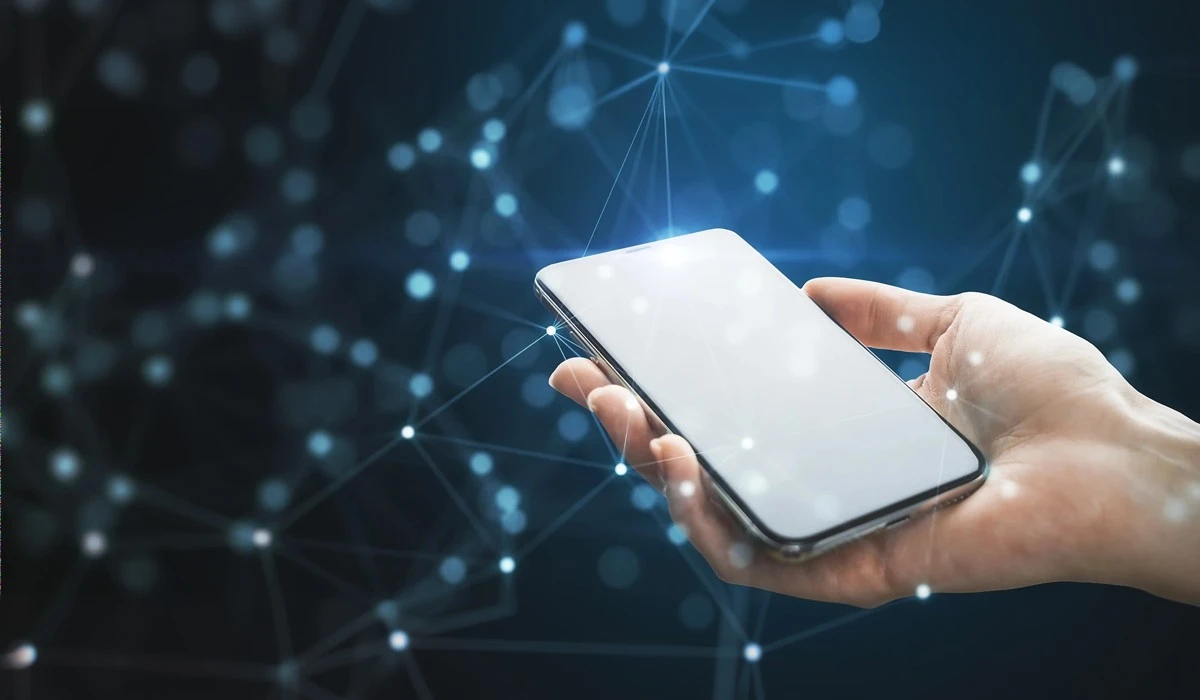
Digital Wallet Scams Turn Own Phone Against You
Most people assume hackers must break through a bank’s firewall to empty an account. The reality is much simpler and far more annoying. As reported by KrebsOnSecurity, you actually give them the keys yourself while trying to protect your money, as phishers successfully use text messages to steal credentials. A specific text message trick turns your own panic against you. It forces you to approve a transaction you believe you are blocking.
According to Kaspersky, digital wallet scams operate on a terrifyingly simple premise where phishers link stolen card numbers to their own Apple or Google accounts: the security system is the trap. You receive a warning about a suspicious charge, and your instinct to stop it drives you to authorize a new device instead. The criminal does not need to know your password. They only need you to be afraid enough to act quickly. Once you follow their instructions, your bank card lives on their phone, and they can spend your money as easily as you do.
The Trap Starts Weeks Before the Call
The theft starts weeks before the money leaves your account; it begins with a small detail you likely ignored.
Criminals rarely attack blindly. They need a foundation of data to make their lies believable. This preparation phase, known as the "Initial Data Harvest," relies on generic phishing SMS messages, which Kaspersky identifies as the primary SMiShing vector for capturing data. You might see a text offering a fuel allowance, a tax rebate, or a discount on cheap products. These messages look harmless. When you click the link and fill out a form, you voluntarily hand over your name, phone number, and bank details.
Once you submit that form, nothing happens. This "Dormant Period" is crucial. The scammers wait for weeks. They need you to forget you ever entered your information. The silence lowers your guard. You go about your daily life, paying bills and buying groceries, completely unaware that a stranger now holds a dossier of your personal information. They are just waiting for the right moment to use it.
Panic Makes You Listen
Fear shuts down your logic center, making you trust the very person stealing from you.
The silence breaks with a sudden phone call. The person on the other line sounds professional. They claim to be from your bank’s fraud department. They already know your name, your address, and the last few digits of your card. They gained this knowledge from that "fuel allowance" form you filled out weeks ago. Because they have this data, you believe them immediately.
They launch the "False Alarm" phase. The caller asks if you authorized a payment for £120 at an electrical store or £235 in Birmingham. You have not, of course. Panic sets in. You want to stop this transaction. This emotional spike is exactly what the fraudster needs. They position themselves as the hero helping you secure your funds.
How do scammers know my bank details?
They harvest your data through phishing texts about fuel allowances, package deliveries, or tax rebates weeks before they ever call you.
Once you confirm the transactions are fake, the caller moves to the "Trap." They tell you they are sending a security notification to your phone to block the payment. In reality, they are attempting to add your bank card to their own digital wallet, like Apple Pay or Google Pay. The notification you receive is real, but the context is a lie.
The Verification Code Swindle
As Kaspersky points out regarding authorization requirements, the code on your screen is real, but the device asking for it is sitting in someone else’s hand.
This moment is the pivot point of most digital wallet scams. A notification pops up on your phone. It usually contains a One-Time Passcode (OTP). The bank sends this code to verify that you want to add a card to a digital wallet. The fraudster, however, tells you this code is a "cancellation" code or a tool to "block" the unauthorized spending.
Danai Antoniou from Gradient Labs explains that this "Legitimacy Cloak" is why the scam works so well. The alert comes from your actual bank. The branding is genuine. Your brain sees the official logo and assumes safety. You read the code to the caller, thinking you are locking them out.
Sharing that code finalizes the "Handover." KrebsOnSecurity explains that this action successfully links your debit or credit card to the criminal’s smartphone. They no longer need you. They can hang up the phone and walk into any store to buy whatever they want. Your physical card stays in your wallet, but the digital version now lives in theirs.
Why the "Protection" Loophole Exists
Your brain focuses on the threat of theft and ignores the details of the solution.
The psychological trick here relies on a mix of urgency and authority. Danai Antoniou notes that the criminals use "emotional manipulation" effectively. They create a scenario where you feel responsible for protecting your money. You view the approval process as a protective measure. The scammers exploit the "Trust Verification Protocol." We are trained to trust calls that seem to know our private details.
Can I get my money back from a digital wallet scam?
Banks often reimburse victims unless they find "gross negligence," but the cost eventually raises mortgage rates and reduces account perks for everyone.
The technical gap lies in the use of SMS OTPs (One-Time Passcodes). Security experts like those at the Cyber Defence Alliance and Which? argue that text-based verification is obsolete. Guidelines from NIST explicitly mention deprecating SMS OTPs due to security risks, as they are too easy to share. Major banks like Barclays, HSBC, and Santander still use these codes despite the risks. Secure alternatives exist. Banks like Chase, Monzo, and Halifax use "In-App Approval" for wallet setup. This method forces the user to log into the banking app securely, removing the need for a shareable code. Until all banks switch to this method, the loophole remains open.
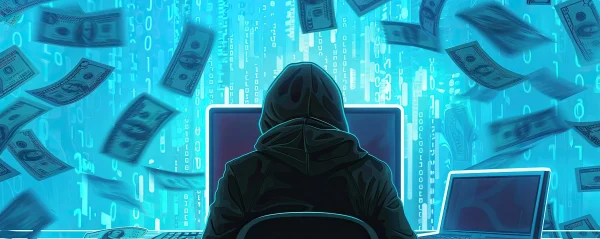
Unlimited Spending Power
Plastic cards have limits, but your phone often acts like a blank check. Once the criminal loads your card onto their device, they enter the "Liquidation" phase. This is where digital wallet scams become devastating. Physical contactless cards usually have a spending limit, often around £100 per tap. Digital wallets do not have this restriction. A criminal can walk into a high-end electronics store or a designer fashion boutique and tap their phone to pay for thousands of pounds worth of goods.
The goal is to convert your credit limit into cash. They buy expensive tech or luxury items because these goods have high resale value. This "Economic Driver" creates a fast money-laundering cycle. They sell the iPhones and handbags on the secondary market for clean cash.
The losses add up quickly. Data from UK Finance and HSBC shows a surge in these attempts over the past 18 months. Santander ranks this as their second-highest cause of card scam losses. Since there is no specific limit on digital wallet transactions, a victim could potentially lose their entire account balance or max out a credit card in a single afternoon.
The Blame Game Between Banks and Tech
Everyone involved points the finger at someone else while your money sits in limbo. The rise of these scams has ignited a conflict over liability. Apple and Google provide the digital wallet technology, but they claim a "passive data role." An Apple spokesperson stated that approving a card for use is the issuer's responsibility. They argue that they only supply the information; the bank decides whether to say yes or no.
Banks, on the other hand, often point to customer negligence. If you read a code over the phone, you technically authorized the device. However, regulators are pushing back. The Payment Systems Regulator (PSR 2017) mandates refunds unless the bank can prove "gross negligence."
This creates a messy situation for victims. The main article implies a risk of total loss, but supporting data suggests reimbursement is likely. However, we all pay for it. The "Consumer Consequence" involves cost socialization. When banks lose between £2m and £6m annually to these frauds, they recoup those losses elsewhere. This leads to higher mortgage rates and fewer perks on your checking account.
Advanced Tactics: The Ghost Tap
Sometimes the thief does not even need to speak to you to beam your card data across the city. While social engineering remains popular, technical variations are evolving. A new vector involves "Fake Govt/Utility Apps." A victim downloads an app they think is for paying a bill or claiming a tax refund. The app asks them to tap their card against the back of their phone. The phone’s NFC reader picks up the card details and the PIN.
What is a ghost tap scam?
A ghost tap happens when thieves relay your card signal from your phone to a payment terminal miles away using two connected mobile devices.
A Kaspersky report highlights the "NFC Relay" or "Ghost Tap" technique. This involves a team. One criminal, the "mule," stands at a store terminal with a phone. The "mastermind" connects remotely to the stolen card data. They bridge the signal in real-time. The mule taps their phone, but the payment signal comes from the stolen card miles away. The mule’s device holds zero incriminating data. It just acts as an antenna. This makes catching the perpetrators incredibly difficult.
Protecting Your Digital Wallet
Safety requires you to stop trusting your phone’s default alerts. To beat digital wallet scams, you must change how you react to bank alerts. Danai Antoniou advises caution, and HSBC explicitly warns that if someone contacts you out of the blue, you should stop immediately. If someone calls claiming to be your bank, hang up. Do not engage. Turn your card over and call the number printed on the back. This is the only way to ensure you are speaking to real bank staff.
Pay close attention to the text of any code you receive. Legitimate warnings often say "Do not share this code with anyone." Scammers talk over these warnings, creating a false sense of urgency so you don't read them. Slow down. A real bank will never ask you to read a code to them to stop a transaction.
We are in a technological transition. Digital wallets offer immense convenience, but they strip away the physical friction that used to protect us. As digital wallet scams continue to surge, your skepticism is your only true defense. The system is designed to be fast, which means it is also fast at emptying your account if you blink at the wrong moment. Stay alert, hang up the phone, and never read a code to a stranger.
Recently Added
Categories
- Arts And Humanities
- Blog
- Business And Management
- Criminology
- Education
- Environment And Conservation
- Farming And Animal Care
- Geopolitics
- Lifestyle And Beauty
- Medicine And Science
- Mental Health
- Nutrition And Diet
- Religion And Spirituality
- Social Care And Health
- Sport And Fitness
- Technology
- Uncategorized
- Videos

