
Can Aerospace Engineering End Jet Fuel Waste?
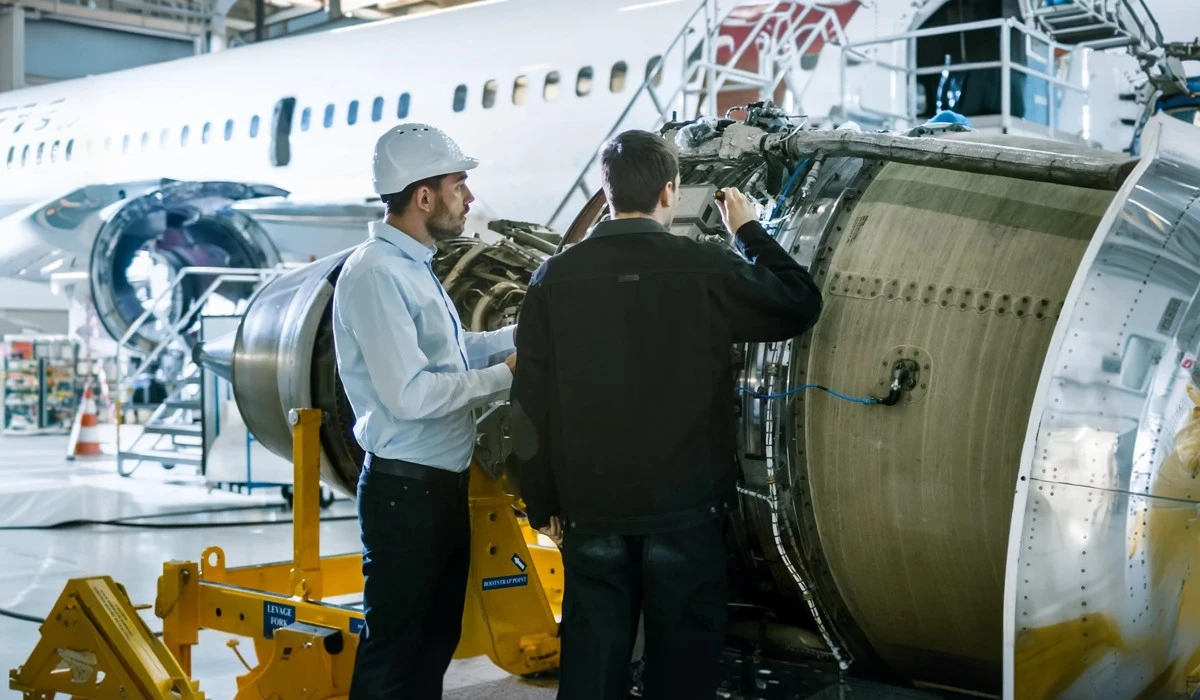
A jet engine resembles a solid piece of metal while functioning like a high-speed wind tunnel. Every second, a large engine swallows enough air to fill a professional swimming pool. It crushes that air, heats it to thousands of degrees, and spits it out faster than a bullet. This intense process defines the daily work in Aerospace Engineering.
Engineers spend years trying to make this process use just one percent less fuel. That tiny saving covers the cost of the flight crew and the plane itself. If the engine wastes energy, the airline loses money, and the environment suffers. We must build better aircraft propulsion systems to connect the world successfully. A constant war against heat and friction keeps the world moving.
The Legacy of Aerospace Engineering Innovation
Flight changed forever when engineers moved away from heavy pistons. Early planes used engines similar to the ones in your car. As stated in an article by the Aircraft Owners and Pilots Association (AOPA), these engines were heavy and faced power reductions as they climbed because air density drops at higher altitudes. Aerospace Engineering took a massive leap forward when it turned toward the jet age. NASA Glenn Research Center explains that this transition allowed planes to fly higher, where reduced air density creates less drag for the aircraft to move through.
From Piston Engines to Jet Turbines
Early piston engines had a poor weight-to-power ratio. They required huge amounts of heavy steel to produce modest thrust. Modern aircraft propulsion systems use lightweight alloys to produce ten times the power of those old designs. According to the Sir Frank Whittle website, he changed aviation in 1930 when he filed his first patent for a gas turbine designed to propel aircraft using exhaust. His design used a centrifugal compressor to squeeze air, making the engine compact and powerful.
The Turbojet Revolution
Encyclopaedia Britannica notes that Hans von Ohain advanced these concepts by creating the HeS 3B engine. The publication further states that this specific engine powered the first jet flight on August 27, 1939. These early breakthroughs proved that planes could travel faster than ever before. How do aircraft propulsion systems affect fuel economy? Improving the thermal productivity of aircraft propulsion systems reduces fuel consumption, which significantly lowers the overall cost per passenger mile. This productivity makes modern global travel affordable for everyone.
Core Dynamics of Modern Aircraft Propulsion Systems
Technical documentation from NPTEL explains that modern engines create thrust by following the Brayton Cycle. The documentation describes this as a four-stage process involving air intake, compression, constant pressure heat addition through fuel burning, and exhaust rejection. Every step must happen perfectly to ensure the plane stays in the air. Engineers focus on how well the engine converts fuel into motion.
Understanding Thermal and Propulsive Productivity
Thermal productivity measures how well the engine turns chemical fuel into heat and pressure. Propulsive productivity measures how well the engine uses that pressure to move the aircraft forward. In Aerospace Engineering, we use specific math to find the "sweet spot" between these two. We want the exhaust to move only slightly faster than the plane itself to save energy.
The High-Bypass Advantage
Most people see a giant fan when they look at a plane engine. This fan pushes a huge amount of air around the outside of the engine core rather than through it. What is the most productive type of jet engine? A report from NASA indicates that high-bypass turbofans are currently the most productive choice for commercial flight because they accelerate a large mass of air through a small change in speed rather than moving a small amount of air quickly. This design optimizes the ratio of bypass air to core air for maximum thrust.
Foundational Laws of Aerospace Engineering Design
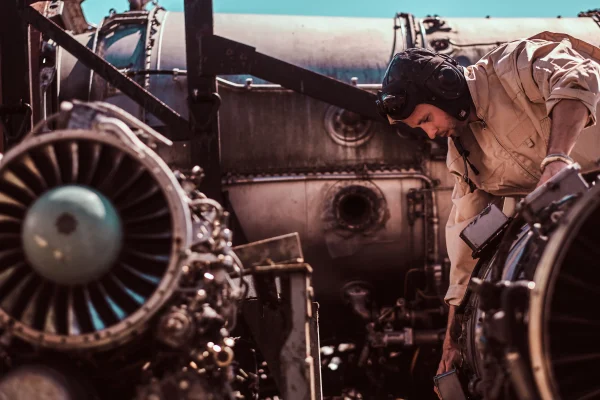
Building an engine requires power and a specifically designed shape. The outer shell, or nacelle, plays a huge role in how the engine performs. If the shell creates too much drag, it cancels out the engine's power. Aerospace Engineering focuses on smoothing every surface to keep the air flowing without interruption.
Drag Reduction and Nacelle Integration
Engineers shape the engine housing to blend with the wing. This reduces the wake of turbulent air that follows the plane. A smooth nacelle allows the engine to "breathe" better while minimizing the pull of the wind. Even a small bump on the surface can cost an airline thousands of dollars in extra fuel over a year.
Materials Science and Heat Resistance
Engine cores get hot enough to melt most metals. To address these high temperatures, NASA research highlights that engineers utilize single-crystal superalloys such as PWA 1484. These metals do not have the microscopic cracks that normal metals have. They stay strong under extreme heat and centrifugal force. This allows aircraft propulsion systems to run hotter, which makes them much more productive.
Enhancing Productivity in Aircraft Propulsion Systems
We use smart parts to make engines work better during different parts of a flight. A plane needs high power to take off, but very little power to cruise. Fixed designs waste energy during one of these phases. Modern Aerospace Engineering creates parts that change shape or flow to match the plane's needs.
Variable Area Fan Nozzles
According to NASA's Technical Reports Server, a variable area fan nozzle modifies the size of the exhaust opening to improve performance during cruise. During takeoff, the nozzle opens wide to let more air out. Once the plane reaches a high altitude, the nozzle shrinks to optimize the pressure. This adjustment keeps the fan spinning at its most productive speed at all times.
Advanced Cooling Techniques
We protect turbine blades using a trick called film cooling. Small holes in the blade bleed high-pressure air across the surface. This creates a thin layer of "cool" air that acts as a shield against the fire of the engine core. This technology allows aircraft propulsion systems to operate at temperatures that would otherwise vaporize the engine parts.
Environmental Metrics in Aerospace Engineering
The aviation industry faces pressure to reduce its footprint. Aerospace Engineering leads the way in finding new ways to fly without harming the planet. We look at every part of the engine to see where we can cut emissions. This includes changing the way fuel burns inside the combustion chamber.
The Push for Net-Zero Emissions
NASA documentation explains that engineers utilize Lean Direct Injection with multiple fuel nozzles to mix fuel and air more uniformly. This approach prevents the localized hot spots that generate harmful Nitrogen Oxides. Does aerospace engineering focus on carbon reduction? Modern aerospace engineering prioritizes decarbonization by developing engines that can burn hydrogen or use electric power to eliminate direct emissions. These new designs aim to meet strict global environmental standards while maintaining high performance.
Sustainable Aviation Fuel (SAF) Compatibility
Sustainable Aviation Fuel (SAF) comes from plants or waste instead of oil. The Alternative Fuels Data Center points out that most current aircraft propulsion systems can operate on a blend of SAF and conventional jet fuel. Engineers are working to make engines that can run on 100% SAF. This would reduce the carbon footprint of a single flight by up to 80%.
Smart Tech in Aircraft Propulsion Systems
Computers now manage every breath an engine takes. This digital change allows engines to stay on the wing longer. We no longer guess when a part needs a repair. Instead, we use data to see the health of the engine in real-time.
Digital Twins and Predictive Maintenance
IBM defines a "Digital Twin" as a virtual computer model that uses real-time data to represent a physical system. As the plane flies, sensors send data to the twin. If the twin sees a small change in vibration or heat, it warns the mechanics. This keeps aircraft propulsion systems running safely without unnecessary teardowns.
FADEC Systems and Automated Control
The Full Authority Digital Engine Control (FADEC) acts as the engine's brain. It checks sensors 70 times per second. If a pilot moves the throttle, the FADEC decides exactly how much fuel to spray. It prevents the engine from getting too hot or stalling. This automation ensures the engine always operates at peak productivity.
Next Generation Aerospace Engineering Research
The future of flight looks very different from the planes we see today. Engineers are testing "Open Fan" designs that have no outer shell. A press release from the Safran Group mentions that these designs aim to improve fuel savings by more than 20% compared to current engines by allowing for a massive bypass ratio. This is the next big frontier in Aerospace Engineering.
Open Fan Architecture
The RISE program is currently testing engines with visible, curved blades. By removing the heavy nacelle, engineers can use much larger fans. These fans move a massive amount of air very slowly. This design represents a radical shift in how we think about aircraft propulsion systems.
Hybrid-Electric and Distributed Propulsion
NASA is testing planes that use electric motors alongside gas engines. These motors provide extra boost during takeoff, allowing for a smaller, lighter main engine. Some designs even spread many small fans across the wing. This helps the air stay "stuck" to the wing, which creates more lift and reduces drag. This level of Aerospace Engineering will eventually make short flights quiet and carbon-free.
Advancing the Field of Aerospace Engineering
The world depends on the speed and reliability of modern flight. Every advancement in aircraft propulsion systems makes the world a smaller, more accessible place. We started with heavy pistons and moved to high-tech turbofans that think for themselves. The progression continues as we explore hydrogen power and electric fans to protect our skies.
Understanding these systems requires a deep knowledge of physics, materials, and digital tools. Professionals in Aerospace Engineering must continue to innovate to meet the demands of a growing population. Pushing the limits of productivity ensures that the next generation can fly faster and cleaner than we ever imagined. The future of global travel depends on the engines we build today.
Recently Added
Categories
- Arts And Humanities
- Blog
- Business And Management
- Criminology
- Education
- Environment And Conservation
- Farming And Animal Care
- Geopolitics
- Lifestyle And Beauty
- Medicine And Science
- Mental Health
- Nutrition And Diet
- Religion And Spirituality
- Social Care And Health
- Sport And Fitness
- Technology
- Uncategorized
- Videos

