
World Cup 2026 Draw Logic Explained
Separating the highest-ranked teams into four distinct corners ensures no giants face each other before the semi-finals. On Friday, 5th December 2025, a complex set of rules will dictate the future of international soccer. At exactly 17:00 GMT, officials at the John F. Kennedy Center in Washington D.C. will begin the process of sorting 48 nations. This event determines the groups of the World Cup to be played in 2026, creating the path for the largest tournament in history. While the cameras focus on the glass bowls and celebrity guests, a rigid sorting system works behind the scenes.
This system prevents the most powerful teams from knocking each other out in the group stages. It also manages the massive travel distances across the United States, Canada and Mexico. Every name pulled from a pot follows a specific logic that balances competition and geography. How many groups are in the World Cup of 2026? The tournament features 12 groups consisting of 4 teams each, totaling 48 countries in the opening round. This structure ensures that every team plays at least three matches on the world stage.
Protecting the Giants in the World Cup
Rigid sorting rules force the four strongest teams to occupy opposite sides of the bracket to protect the finale matches. The seeding process relies on the rankings finalized on November 19, 2025. These rankings decide which teams enter Pot 1, the group of elite anchors for the tournament. Argentina, France, Spain and England occupy the top 4 spots. The draw logic places these four nations in separate quadrants. This ensures they won’t be able to meet on the pitch until the semis, provided they go on to win their matches. This protection maintains high stakes for the final week of the tournament. It prevents a situation where the two best teams in the world play each other in the round of 32.
Seeding privilege only lasts if a team performs. If a top-seeded nation finishes 2nd in the group, they lose their protected path. They might face another giant much earlier than planned. This creates massive pressure on the favorites to win every game in the upcoming world cup. Which nations are in Pot 1 for 2026? Pot 1 includes the 3 host nations—USA, Mexico, and Canada—alongside the 9 top ranked teams like Brazil, Portugal, and Germany. These 12 teams serve as the heads of each group, ensuring a balanced placement of talent across the opening round.
The Geometry of a 48-Team Tournament
Expanding the field to 48 teams requires a layout that prevents the tournament from becoming unmanageable for players and fans. The expansion from 32 to 48 teams changed the entire feel of the event. Now, 104 matches will be played over 39 days, from June 11 to July 19, 2026. To handle this volume, organizers created 12 distinct groups. This move provides more opportunities for nations that rarely qualify, but it also complicates the schedule. Each group will consist of 4 teams, with the top 2 and the best third-place finishers moving to the knockout rounds.
The draw itself reflects this scale. While the entertainment lasts 90 minutes, the actual team selection takes about half the time. FIFA officials describe this 48-team structure as a milestone for global dominance. They want to include more of the world while keeping the competition fierce. The 12-group arrangement allows for a smooth transition into a massive 32-team knockout bracket. This ensures that more fans stay engaged for a longer period as their teams fight for a spot in the later stages.
Geopolitics and Geographic Variety
Logic gates in the drawing software prevent countries from the same continent from facing each other too early. A successful tournament thrives on variety. Fans want to see matchups between teams that do not regularly play one another in regional qualifiers. To ensure this, the rules limit how many teams from one confederation can enter a single group. No group can have two teams from South America, Africa, Asia, or North America. The only exception is Europe. Because UEFA has so many qualifying spots, a group can contain a maximum of 2 European teams.
This geographic rule creates a diverse experience for every participant in the 2026 World Cup. A computer monitors every selection in real-time. If a team gets pulled that violates these continental rules, the computer blocks that group. The team automatically moves to the next available slot that satisfies the requirements. This prevents deadlocks and ensures the draw follows the legal framework of the tournament. When is the draw ceremony? The official event takes place on Friday the 5th of December 2025, starting at 12:00 local time in Washington D.C.
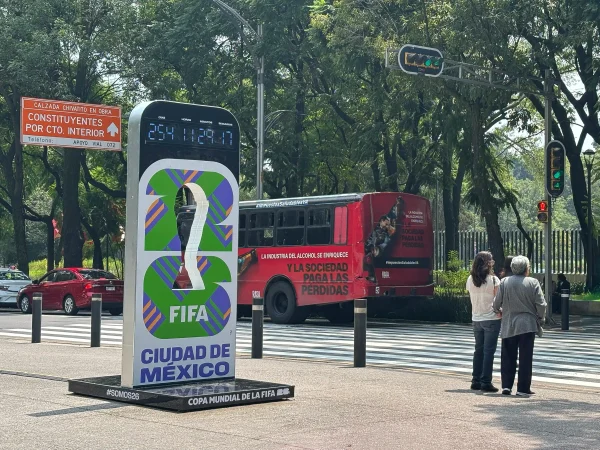
Image by Cocu15, CC BY-SA 4.0, via Wikimedia Commons
Positioning the Hosts for Success
Pre-assigned slots for the 3 host countries eliminate the random chance of travel exhaustion and stadium vacancies. The USA, Canada and Mexico do not have to wait for the luck of the draw to know their starting positions. Organizers have already placed them in specific groups to help with logistics. Mexico takes position A1, Canada takes B1, and the USA takes D1. This strategy allows the host nations to play their opening matches in their home stadiums. It also helps the organizers manage security and transportation for millions of traveling fans.
By fixing these positions, FIFA also minimizes the travel burden on these teams. North America is a vast continent, and flying between cities can take several hours. The host countriess will stay within specific regions during the group stages to keep their players fresh. This advantage is a traditional perk for hosting the event. It ensures the home crowds remain energized, which keeps the atmosphere high throughout the first few weeks of the tournament. The goal is to align stadium conditions with the needs of the athletes and the expectations of the global broadcast audience.
Technology vs. Human Error in 2026 Groupings
Automated systems now carry the logistical burden of groupings to avoid the manual mistakes of the past. The software used in the draw does more than just sort names. It calculates millions of possibilities in a fraction of a second to ensure every rule is followed. This technology prevents the ceremony from grinding to a halt due to a mistake. In the past, manual draws faced significant risks. In 1982, the lottery machines in Spain broke during the live broadcast. The spheres failed to come out, and officials had to intervene manually to finish the process.
FIFA now uses high-tech systems to avoid such public failures. The computer handles the complex math of continental constraints and seeding paths. This allows the human presenters—like Rio Ferdinand and Tom Brady—to focus on the excitement of the reveal. Even with this technology, officials remain wary of malfunctions. They get manual backup plans ready just in case. The system ensures that the groups are formed fairly and without any technical delays. This smooth operation is critical for maintaining the integrity of the world’s biggest sporting event.
Finalizing the Groupings with Play-off Paths
Six empty chairs in the bracket wait for nations that have not yet won their tickets, creating a layer of suspense. When the draw takes place in December 2025, only 42 teams will have confirmed their spots. The final 6 positions remain as placeholders. These spots belong to the winners of the play-off tournaments scheduled for March 2026. This means some of the slots will remain incomplete for several months. Teams in these groups will know most of their opponents but must prepare for multiple possibilities for their final match.
Europe has four distinct play-off paths, including teams like Italy, Poland, and Turkey. Only 1 team from each path of four will qualify. Similarly, interconfederation play-offs will decide the final 2 spots from a pool of teams like Iraq, Bolivia, and Jamaica. This adds a unique tension to the groups. A top-seeded team might find themselves waiting to see if they will face a former champion like Italy or a rising newcomer. The final match schedule, which includes these play-off winners, will be fully realized on Saturday, December 6, 2025, during a live broadcast at 17:00 GMT.
Washington D.C. as the World's Stage
A star-studded lineup of athletes and performers turns a technical sorting process into a global entertainment spectacle. The choice of the John F. Kennedy Center for the Performing Arts highlights the prestige of the event. This venue, chaired by Donald Trump, will host a mix of sports legends and Hollywood stars. Hosts like Kevin Hart and Heidi Klum bring a conversational and edgy tone to the ceremony. They bridge the gap between die-hard soccer fans and the public. This event is not just about soccer; it is a global cultural moment.
Musical performances by Andrea Bocelli and Robbie Williams add to the scale of the show. Icons from other sports, such as Wayne Gretzky, Shaquille O’Neal, and Aaron Judge, will assist with the draw. Their participation shows the cross-sport appeal of the World Cup in North America. These legends will pull the balls from the pots, physically forming the World Cup Groups in front of a global audience of billions. This blend of tradition and celebrity ensures the draw is the most-watched non-sporting event of the year.
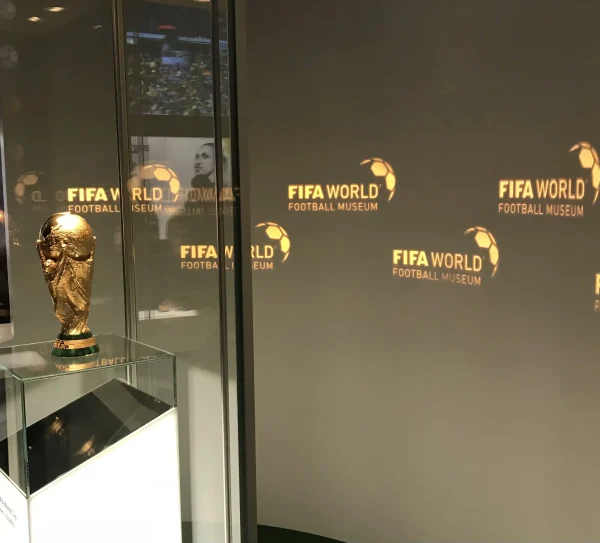
Image by Ank Kumar, CC BY-SA 4.0, via Wikimedia Commons
Managing the World's Expectations
The results of the draw dictate the training camps, travel budgets, and tactical plans for every participating nation. As soon as the ceremony ends, the real work begins for the coaches and players. They will analyze their group opponents and begin scouting their key players. The location of their matches will determine where they set up their training bases. A team playing in the high altitude of Mexico City faces different challenges than a team playing in the humid summer of Miami. The draw decides these environmental factors, which can often be as important as the skill of the players.
Gianni Infantino, the President of FIFA views this 48-team expansion to make soccer truly global. By including more teams, the tournament reaches new markets and inspires new fans. The 104 matches provide more content for broadcasters and more opportunities for sponsors. However, the core of the event remains the competition on the pitch. The draw provides the framework for this competition, ensuring that the road to the final is both fair and exciting. Fans can finally begin the countdown to June 11, 2026, with a clear map of the journey ahead.
The Final Path to Glory
The World Cup draw function as the starting grid for a race that spans an entire continent. By using a system of pots and continental restrictions, FIFA ensures that the opening round is diverse and competitive. The protection of top seeds keeps the tension building toward the final stages, while the pre-assigned spots for host nations solve massive logistical hurdles. From the high-tech software preventing errors to the legendary figures pulling the names, every element of the draw serves a specific purpose. It transforms a list of nations into a structured tournament where every match matters. As the world watches in December 2025, the dreams of 48 nations will finally take shape. The tournament is no longer a distant idea; it is a concrete reality with a clear path to the trophy.
Recently Added
Categories
- Arts And Humanities
- Blog
- Business And Management
- Criminology
- Education
- Environment And Conservation
- Farming And Animal Care
- Geopolitics
- Lifestyle And Beauty
- Medicine And Science
- Mental Health
- Nutrition And Diet
- Religion And Spirituality
- Social Care And Health
- Sport And Fitness
- Technology
- Uncategorized
- Videos

